


Products are selected by our editors, we may earn commission from links on this page.

Millions of Americans may be sitting on thousands of dollars in unclaimed tax refunds due to a quiet pandemic error involving IRS penalties. A recent federal court ruling found that the agency may have improperly charged late-filing fees and interest during the COVID-19 emergency. While other settlements often arrive as automatic credits, experts warn this specific refund requires taxpayers to take the initiative before a looming deadline.
The issue centers on Section 7508A(d) of the tax code, which mandates an automatic postponement of deadlines during federally declared disasters. Because the court ruled the pandemic qualified as a disaster from January 2020 through May 2023, filing deadlines for those years should have been extended to July 10, 2023. Any taxpayer or business charged a penalty for filing before that date may now be entitled to get that money back.
Financial experts are urging citizens not to wait for a notification that may never come. To preserve a claim, eligible individuals likely need to file a specific document known as Form 843. With a hard statute of limitations set for July 10, 2026, the window to recover these disaster period funds is steadily closing.
How to Identify Your Owed Pandemic Penalties
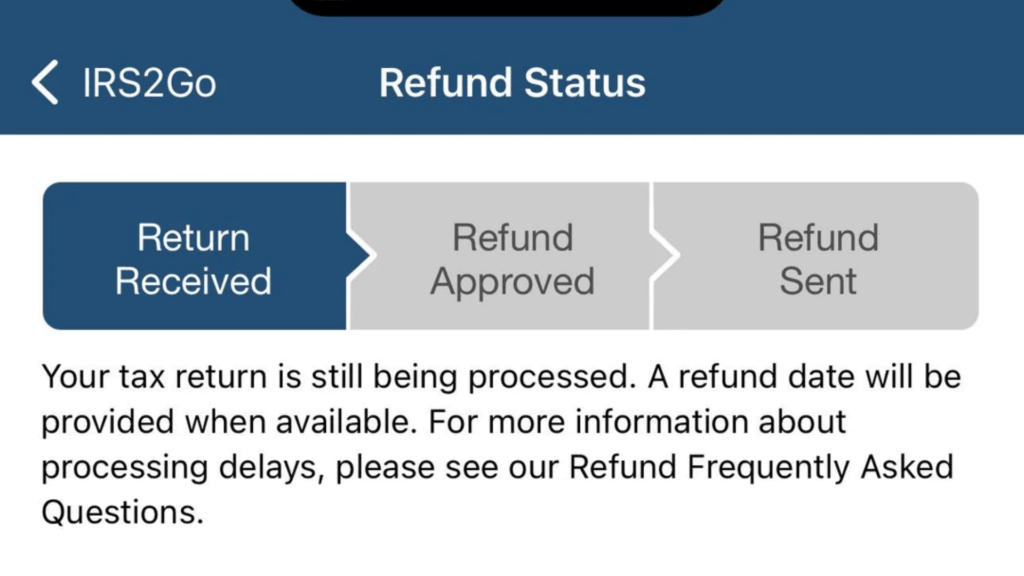
To determine if you are a victim of this error, you must review your past returns and IRS account transcripts specifically for the 2019, 2020, 2021, and 2022 tax years. You are looking for charges labeled as failure-to-file penalties or late-payment interest assessed during the disaster window. These fees were often quietly added to bills, sometimes reaching thousands of dollars depending on the size of the original tax bill.
The eligibility applies to both individual taxpayers and businesses who were penalized despite the mandatory disaster extensions. If you filed a return or made a payment before the court-defined July 10, 2023, deadline but were still hit with fees, those charges were likely taken in error. Accessing your transcript online through the official IRS portal is the fastest way to verify these specific line items.
It is important to note that this refund is strictly for penalties and interest tied to late filing or payments. Experts clarify that it does not apply to other common issues, such as underpayment penalties or the 10% penalty for early retirement account distributions. If your records show Failure to File or Failure to Pay fees during the pandemic years, you have the green light to proceed with a claim.
The Protective Language Needed for Form 843

Unlike standard tax returns, claiming this refund requires filing Form 843, titled Claim for Refund and Request for Abatement. This form acts as a formal request to the IRS to return money taken under an incorrect interpretation of the disaster deadline. Because the long-term status of the court ruling is still unsettled, filing this form is the only way to preserve your claim in the eyes of the law.
When filling out the form, financial instructors recommend including protective language that specifically references the Kwong v. United States court ruling and Section 7508A(d). This ensures the IRS understands exactly why you are disputing the original charges. Failing to include this specific context could result in a summary denial of your request, as the agency is not currently issuing these checks automatically.
Even if the amount owed seems small, financial advocates argue that returning money taken in error is a matter of principle. For many, these penalties added hundreds of dollars to their bills during a time of extreme financial strain and disrupted income. Taking a few minutes to file the paperwork could put that money back into your pocket rather than leaving it in the federal treasury.
The Final Deadline: July 10, 2026
The clock is ticking on the statute of limitations for these pandemic-era claims. Generally, taxpayers have three years from when a return was filed or two years from when the tax was paid to request a refund. Based on the court’s interpretation of the extended disaster deadlines, the absolute final cutoff for many eligible taxpayers is July 10, 2026.
If you miss this window, your right to recover those thousands of dollars in penalties and interest will be permanently lost. The IRS is under no obligation to notify you of your eligibility, making self-advocacy the only path to a refund. Moving quickly to review your records and submit Form 843 is essential to ensure your claim is processed before the statute expires.
For those with complex tax situations or high penalties, seeking professional guidance from a tax expert is highly recommended. They can help ensure the protective language is correctly applied and that all relevant years are covered in your request. Whether you do it yourself or hire a pro, the message is clear: check your transcripts now before the pandemic refund window slams shut forever.