

Products are selected by our editors, we may earn commission from links on this page.
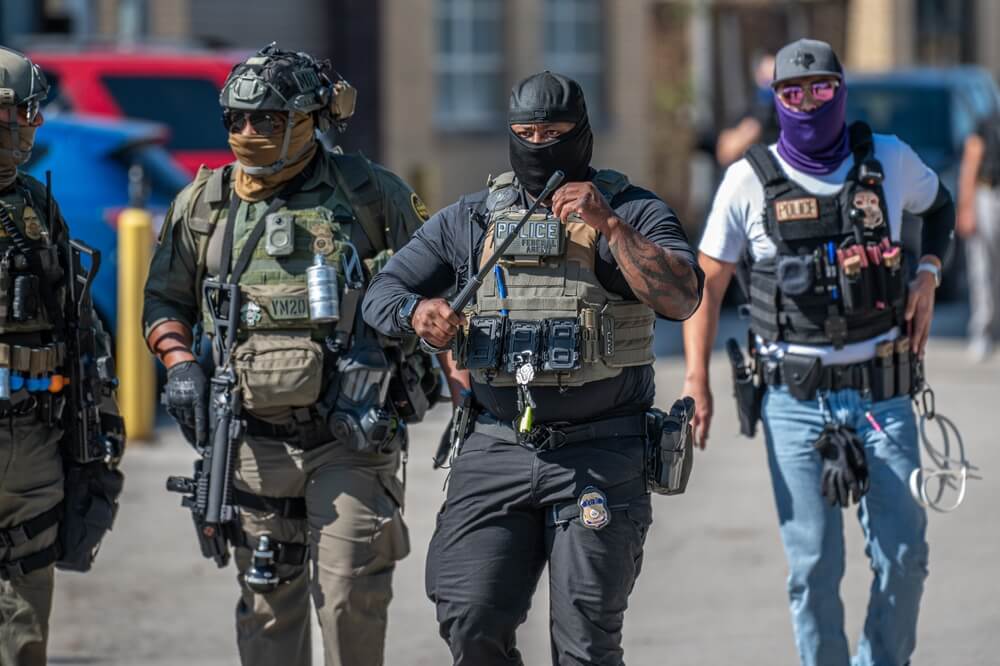
A wave of legislation is sweeping the nation as states push to restrict U.S. Immigration and Customs Enforcement (ICE) agents from wearing masks while on duty. Supporters of the ban argue that when officers conceal their identities, it becomes difficult for communities to verify legitimate authority, raising concerns about civil liberties and due process.
According to a Newsweek report, at least 27 states are considering or introducing measures aimed at limiting face coverings that obscure law enforcement identities. These states include Alaska, Arizona, Connecticut, Florida, Georgia, Hawaii, Idaho, Illinois, Kansas, Maryland, Massachusetts, Michigan, Minnesota, Mississippi, Missouri, Nebraska, New Hampshire, New York, Oklahoma, Oregon, Pennsylvania, Tennessee, Utah, Vermont, Virginia, Wisconsin, and Rhode Island.
While many of these proposals remain under consideration, some states have already taken action. Washington and New Jersey have enacted laws restricting masked law enforcement officers, including federal agents, marking a significant turning point in the national debate. As more legislatures weigh similar policies, the push reflects increasing scrutiny of federal immigration enforcement practices and a broader demand for transparency in policing.
The Impersonation Problem Is Fueling Momentum
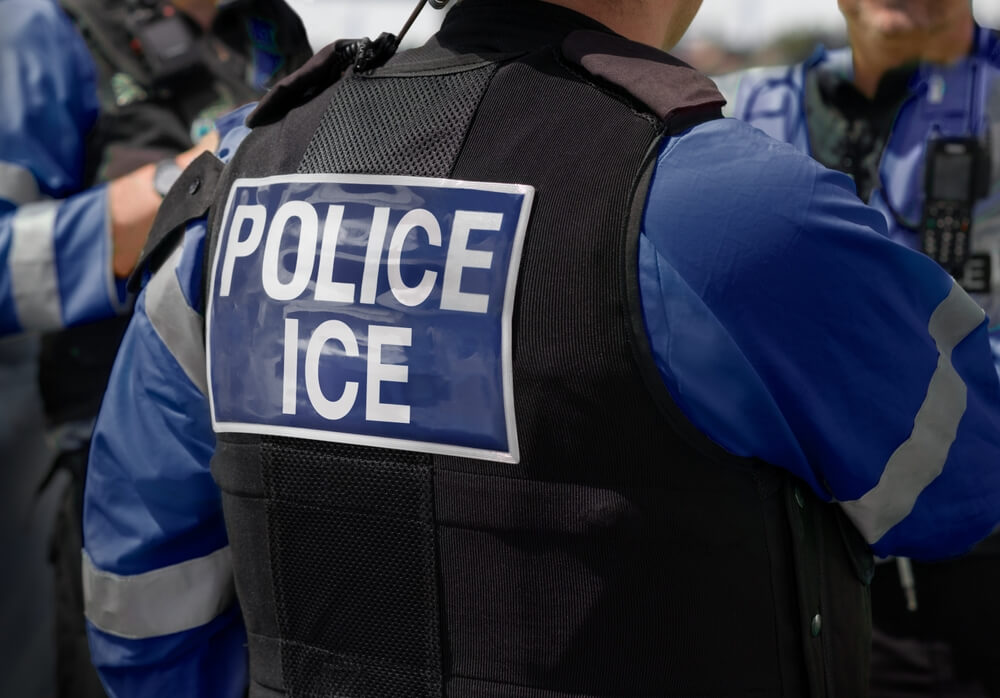
One of the strongest arguments driving these bans is the rise in ICE impersonation incidents. Washington Governor Bob Ferguson signed legislation not only banning masked officers but also targeting individuals who falsely present themselves as law enforcement. State officials cited data showing a spike in impersonation cases during recent immigration crackdowns.
Lawmakers warn that when legitimate officers conceal their faces and agency identification, it becomes easier for bad actors to exploit the confusion. Washington’s House Bill 2165 expanded penalties for impersonating law enforcement, including federal agents. Supporters argue that clear visual identification protects both communities and officers by reducing opportunities for criminals to pose as ICE.
The Center for American Progress (CAP) echoed these concerns, warning that masked and unidentifiable federal agents can encourage dangerous impersonations and undermine public safety. The report outlines cases where individuals allegedly used law enforcement-style gear to commit robberies, assaults, or other crimes. For lawmakers, the connection is clear: visible identification helps prevent abuse of authority.
Accountability vs. Officer Safety
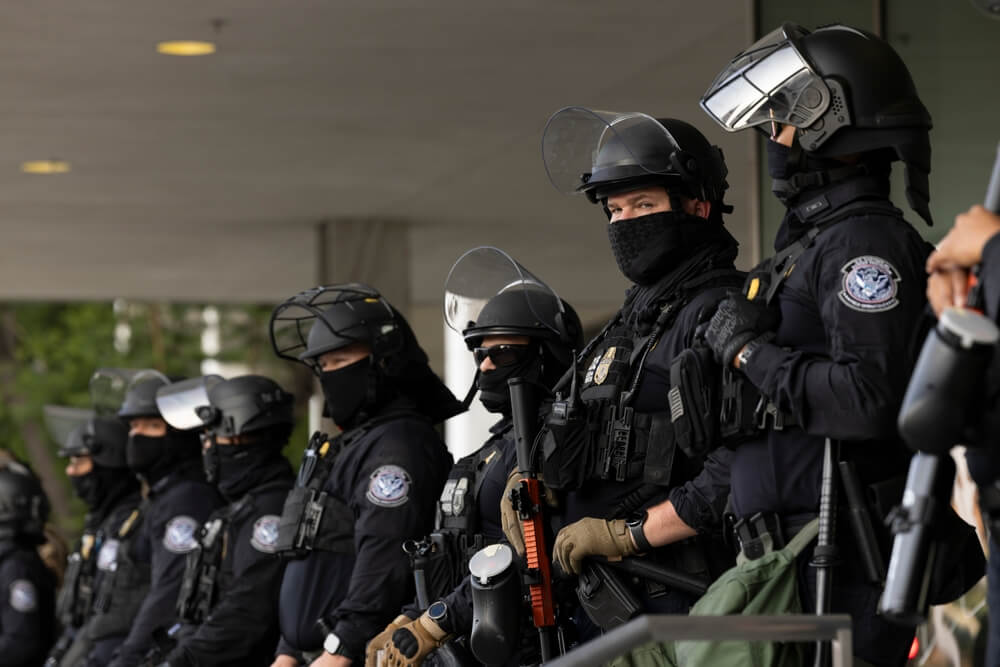
Supporters of mask bans frame the issue as one of democratic accountability. CAP argues that visible identification ensures officers can be held responsible for misconduct and reduces the risk of escalating confrontations. Federal regulations already require immigration officers to identify themselves during arrests when practical and safe, but critics say concealed faces complicate that standard.
Washington’s new law, Senate Bill 5855, prohibits officers from wearing opaque face coverings that conceal their identities while performing official duties. The statute applies broadly to federal, state, and local officers, though it includes exceptions for protective equipment, SWAT operations, and religious reasons. Individuals detained by unlawfully masked officers can pursue legal remedies.
Opponents, however, argue that mask bans could endanger officers. In California, police associations criticized similar legislation as political overreach and warned that officers may face doxxing or targeted harassment if their identities are exposed. Federal officials have similarly defended the use of masks as a protective measure in an era of social media threats and rising hostility toward immigration enforcement.
A Legal Showdown May Decide the Outcome
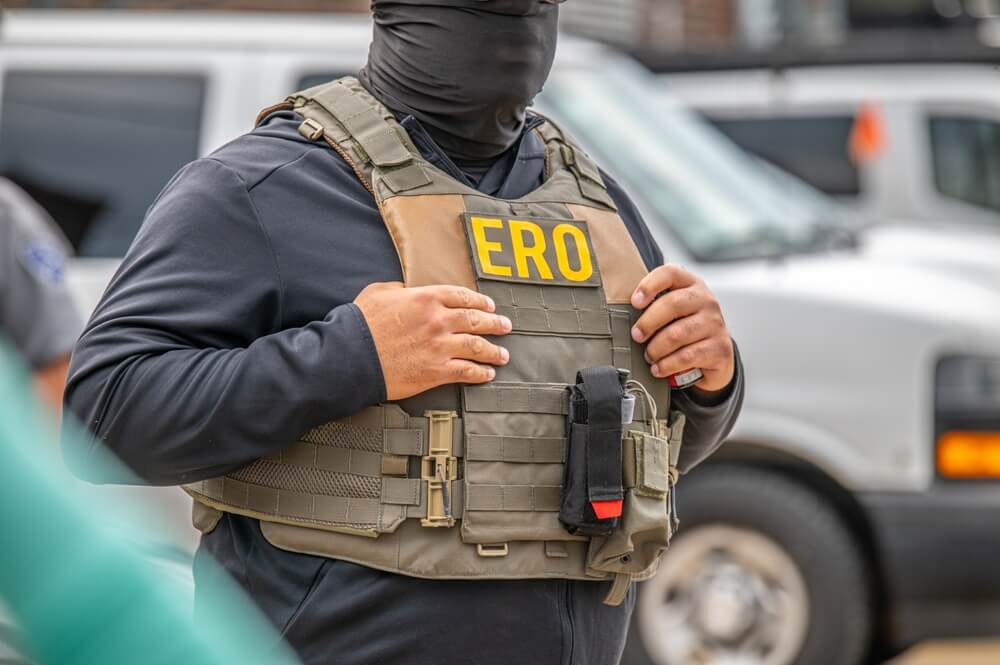
At the center of the debate is a constitutional question: Can states regulate federal agents? California’s mask ban was challenged in court, with federal officials arguing it violates the Supremacy Clause. Legal experts note that while states cannot obstruct federal law, they may impose neutral public safety rules that apply broadly to all officers.
Washington lawmakers attempted to sidestep some legal pitfalls by crafting a law that applies equally to all law enforcement agencies rather than singling out ICE. Supporters say this uniform application strengthens the state’s position against claims of federal discrimination. The law took effect immediately after signing, signaling a firm stance from state leadership.
As more states consider similar measures, the issue is likely headed toward further court battles and potentially federal review. With immigration enforcement intensifying nationwide and public scrutiny growing, the question of masked agents has evolved into a broader confrontation over state authority, federal power, and the visibility of law enforcement in American communities.