

Products are selected by our editors, we may earn commission from links on this page.
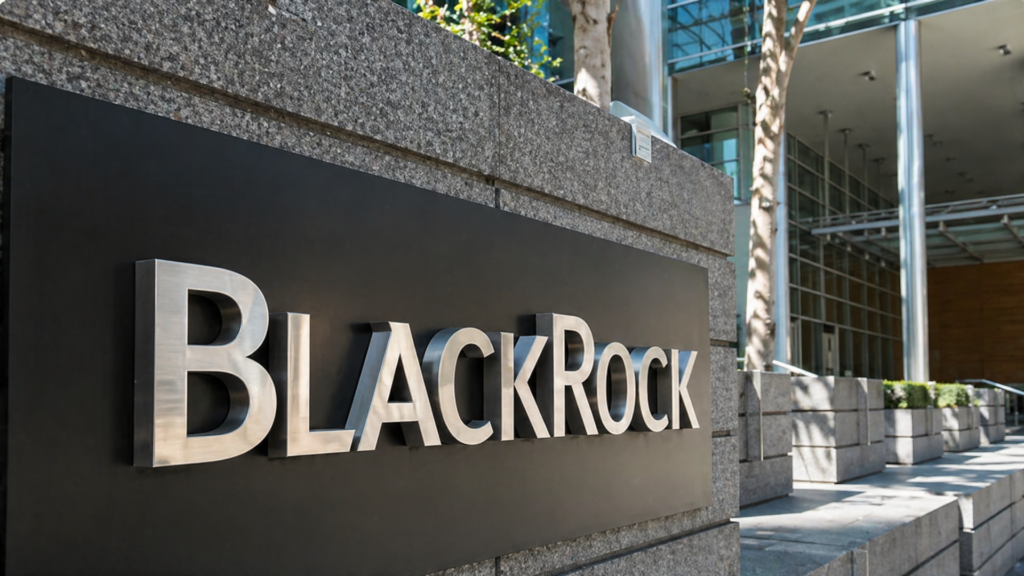
BlackRock recently made waves across the financial world by freezing billions of dollars in one of its prominent funds. This move has sparked intense debate about the health of the 3 trillion dollar private credit market. When a giant like BlackRock restricts withdrawals, investors naturally start to worry about the underlying stability of their assets. This decision signals that the era of easy money might be facing a very complicated and sudden reality check.
Understanding the Rise of Private Credit

Private credit has quietly evolved into a massive industry that now serves as the backbone for global business financing. Unlike traditional bank loans, these are private deals made between investment firms and companies. This market grew rapidly after the 2008 financial crisis when banks pulled back from riskier lending. Today, it is a multi-trillion dollar powerhouse. However, its rapid expansion has created a complex web of debt that few people truly understand.
The Warning Signs of Financial Stress

Recent indicators suggest that significant stress is building beneath the surface of the private credit sector. Restricted withdrawals and a steady rise in borrower defaults are the primary red flags catching the attention of analysts. These signs often precede larger market corrections. When companies struggle to repay high-interest loans, the ripple effects can be felt across the entire economy. The current situation suggests that some parts of the system are starting to break.
The Risks of Debt on Debt

A major concern within the private credit world is a structural practice known as leverage on leverage. Essentially, investment firms are borrowing money to fund their lending activities. This creates a fragile cycle where “debt on debt” fuels growth. While this works well when interest rates are low, it becomes dangerous when borrowing costs rise. If the primary flow of money stops, the entire structure can collapse quickly, much like a house of cards.
Parallels to the 2008 Financial Crisis

Financial experts are drawing uncomfortable comparisons between the current private credit boom and the 2008 subprime mortgage crisis. Both systems relied on complex, opaque financial products that were difficult for outsiders to value. The structural similarities have many worried that a lack of transparency could lead to another systemic shock. While the players are different this time, the fundamental risks of high-risk debt remain the same. The ghost of 2008 is lingering.
Why BlackRock Froze Investor Withdrawals

BlackRock took the step of freezing withdrawals to protect the long-term integrity of its fund. When too many investors try to pull their money out at once, a fund may not have enough liquid cash to pay everyone immediately. By “gating” the fund, the firm prevents a fire sale of assets that would hurt remaining investors. While it is a defensive move, it often triggers panic among those who suddenly cannot access their capital.
High Interest Rates and the Tipping Point
The primary catalyst for this current stress is the sustained period of high interest rates. Many private credit loans have floating rates, meaning the cost of the debt increases for the borrower as central banks raise rates. For many companies, the cost of servicing their debt has doubled or even tripled in a short window. This has pushed some businesses toward a tipping point where they can no longer meet their financial obligations.
Impact on the Broader American Economy

The health of private credit matters to average Americans because it funds thousands of mid-sized businesses. These companies are major employers in sectors like healthcare, technology, and manufacturing. If the private credit market freezes up entirely, these businesses may struggle to make payroll or expand their operations. A credit crunch in this sector could lead to a broader economic slowdown that impacts jobs and consumer spending across the entire United States.
The Shadow Banking System Under Scrutiny

Private credit is often referred to as shadow banking because it operates outside the strict regulations that govern traditional banks. Because these deals are private, there is less public information about how much risk is being taken. This lack of oversight has prompted calls for more federal regulation. Policymakers are concerned that the lack of transparency could mask a much larger problem that only becomes visible once it is too late.
Looking Ahead to Financial Resilience

As the situation unfolds, the financial world is watching to see if this is a temporary hiccup or the start of a major crisis. The resilience of the global economy will be tested as it navigates the fallout of restricted credit. Investors are being urged to exercise caution and look closer at the quality of their holdings. Whether this 3 trillion dollar market can stabilize or if it will trigger a larger shock remains the big question.