


Products are selected by our editors, we may earn commission from links on this page.

A staggering $500 billion gap in expected U.S. tax revenue is drawing renewed attention to how the government collects money, and who ultimately bears the burden when funds fall short. Experts say the issue isn’t just about missing money, but about a growing “tax gap,” where billions owed to the government go uncollected each year. As policymakers debate causes and solutions, the consequences could ripple through everything from public services to the national deficit, raising concerns about fairness and long-term economic stability.
What the $500 Billion ‘Missing’ Really Means
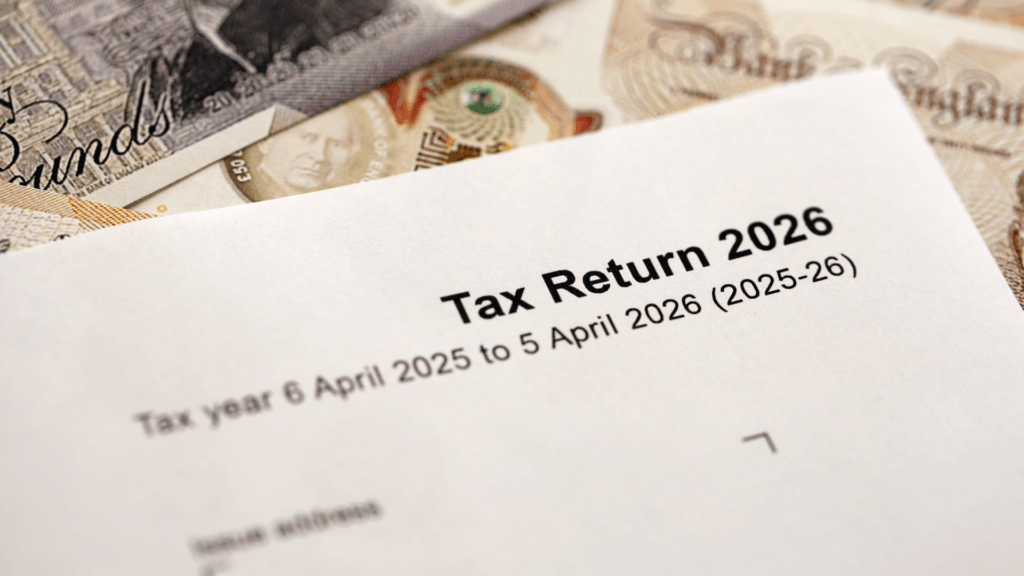
The $500 billion figure refers to the difference between what the government expects to collect in taxes and what it actually receives. This shortfall, often called the “tax gap”, represents unpaid or underpaid taxes due to errors, underreporting, or noncompliance. Experts estimate this gap has reached more than half a trillion dollars annually, making it one of the largest hidden issues in federal finances.
Why Tax Revenue Is Falling Short

Several factors are contributing to the shortfall, including reduced IRS staffing, fewer audits, and shifts in taxpayer behavior. Officials have warned that cuts to enforcement and oversight can lead to lower compliance, allowing more income to go unreported. In some projections, these changes could result in a drop of over 10% in collected revenue, totaling hundreds of billions of dollars.
Fewer Audits, Less Enforcement

One of the biggest concerns is the decline in tax enforcement, particularly as staffing shortages limit the IRS’s ability to audit returns and investigate discrepancies. With fewer checks in place, some taxpayers may feel less pressure to fully report income or follow tax rules, further widening the gap between what is owed and what is collected.
How Behavior Changes Are Making It Worse

Experts say taxpayer behavior has also shifted, with some individuals taking advantage of reduced oversight by claiming credits or deductions they may not qualify for, or delaying filings altogether. Reports suggest that online discussions and perceptions about lower audit risk may be influencing compliance, contributing to the growing revenue gap.
What Happens When Revenue Falls Short

When tax revenue declines, the government faces tough choices, either cut spending, increase borrowing, or raise taxes elsewhere. A large shortfall can increase the national deficit and limit funding for programs like infrastructure, healthcare, and social services. Over time, this can create broader economic pressure and reduce the government’s ability to respond to crises.
Who Ultimately Pays the Price

While the tax gap may seem abstract, its effects are often felt by everyday Americans. When revenue is lost, governments may shift the burden through higher taxes, reduced services, or increased debt. This means that even those who pay taxes correctly could still feel the impact indirectly through policy changes and economic consequences.
The Debate Over Responsibility

The issue has sparked debate over who is responsible for the missing revenue, with some pointing to policy decisions and others blaming enforcement gaps or taxpayer behavior. Broader discussions around tax fairness, loopholes, and economic policy have intensified, as leaders weigh how to close the gap without creating unintended consequences.
Why Fixing the Gap Is So Difficult

Closing the tax gap is not a simple task, as it involves balancing enforcement, compliance, and economic incentives. Increasing audits and staffing could improve collection, but it also requires funding and political support. At the same time, overly aggressive measures could create concerns about fairness or burden small taxpayers. This complexity makes the issue a persistent challenge.
What This Means for the Future
The growing $500 billion tax gap highlights a critical issue facing the U.S. economy, how to ensure that revenue keeps pace with national needs. As policymakers search for solutions, the outcome could shape everything from tax policy to government spending in the years ahead. For now, the question remains: how, and from whom, will that missing revenue ultimately be recovered?