

Products are selected by our editors, we may earn commission from links on this page.

The rapid expansion of artificial intelligence and cloud computing is fueling an equally dramatic rise in electricity demand, and new research suggests ordinary households could soon bear much of the cost. Analysts warn that states experiencing heavy data center construction may see residential electricity prices surge by more than 50% by 2030 as utilities build new power plants, transmission lines, and grid infrastructure to support energy-hungry server farms.
Data Centers Are Becoming Massive Power Consumers
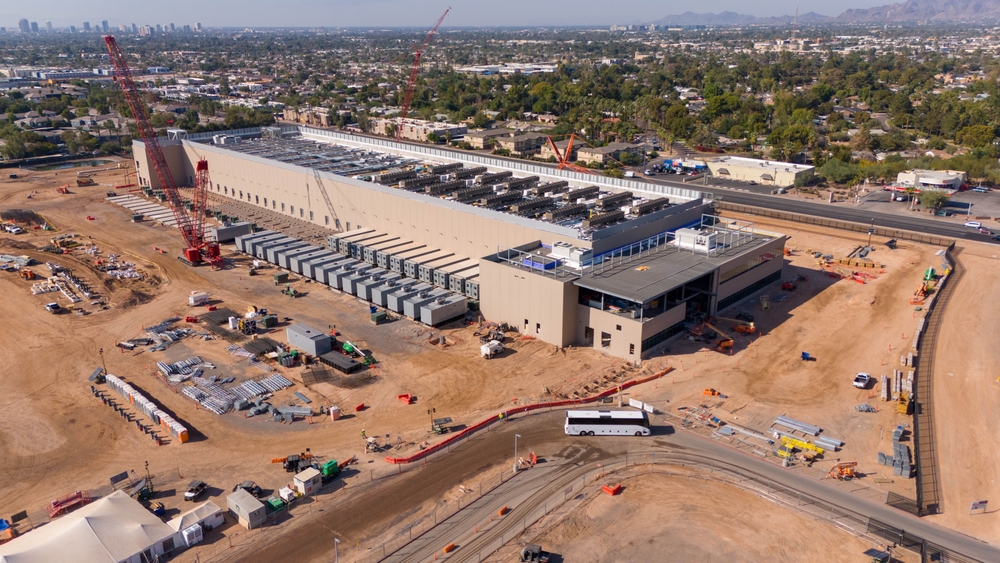
Modern data centers already rank among the fastest-growing sources of electricity demand in the United States. Facilities supporting AI systems, cloud storage, cryptocurrency operations, and streaming services require enormous amounts of continuous power and cooling capacity. According to the Energy and Environment Study Institute (EESI), electricity demand from data centers could triple nationally over the next decade as companies race to expand computing infrastructure for generative AI tools and machine learning applications. Utilities that expected years of flat electricity growth are now confronting sudden spikes in demand concentrated around large technology campuses.
Some States Could Face Particularly Sharp Rate Increases

The impact is expected to vary dramatically by region. States aggressively courting data center investment, including Virginia, Texas, Georgia, and parts of the Midwest, may face some of the steepest utility cost increases because utilities must rapidly expand generation and transmission systems. One recent study cited by EurekAlert projected electricity prices in certain states could rise as much as 57% by 2030 due largely to data center growth and the infrastructure required to support it. The burden could fall especially heavily on residential customers if utilities spread grid expansion costs across all ratepayers rather than charging large industrial users separately.
Virginia Has Become The Center Of The Debate
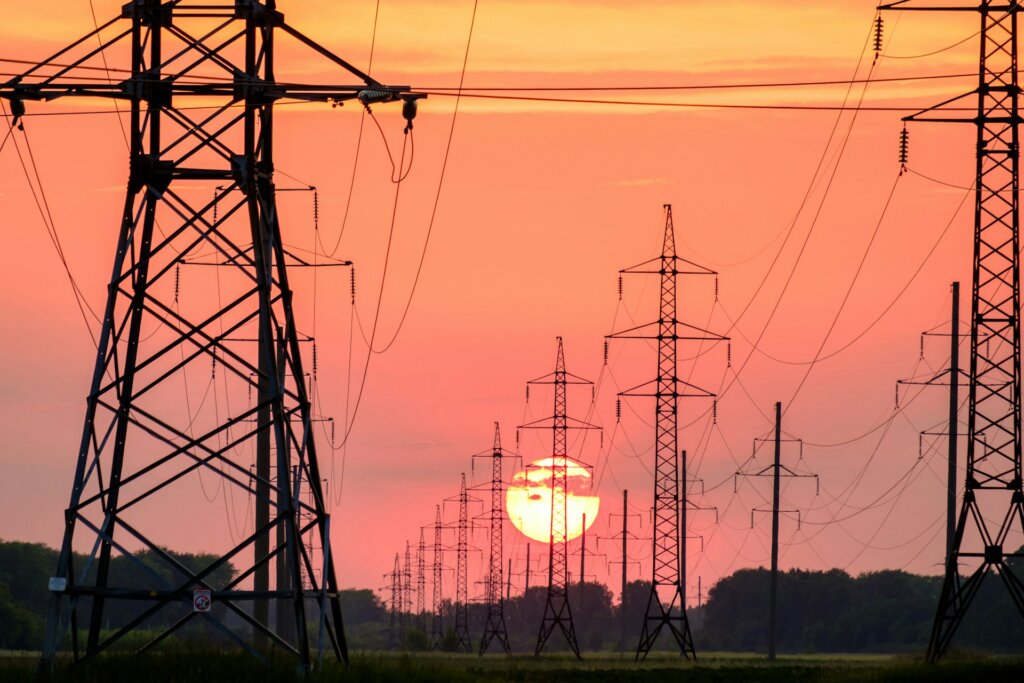
Northern Virginia, already considered the world’s largest data center hub, has become a case study in how the industry can reshape local energy systems. Dominion Energy, the region’s primary utility provider, has repeatedly revised upward its long-term electricity demand forecasts because of exploding data center construction. Local residents and consumer advocates increasingly worry that ordinary households may end up subsidizing infrastructure built primarily for some of the world’s largest technology companies. The issue has become politically sensitive as utilities request approval for costly transmission upgrades and new generation projects tied directly to data center expansion.
Utilities Say New Infrastructure Is Necessary
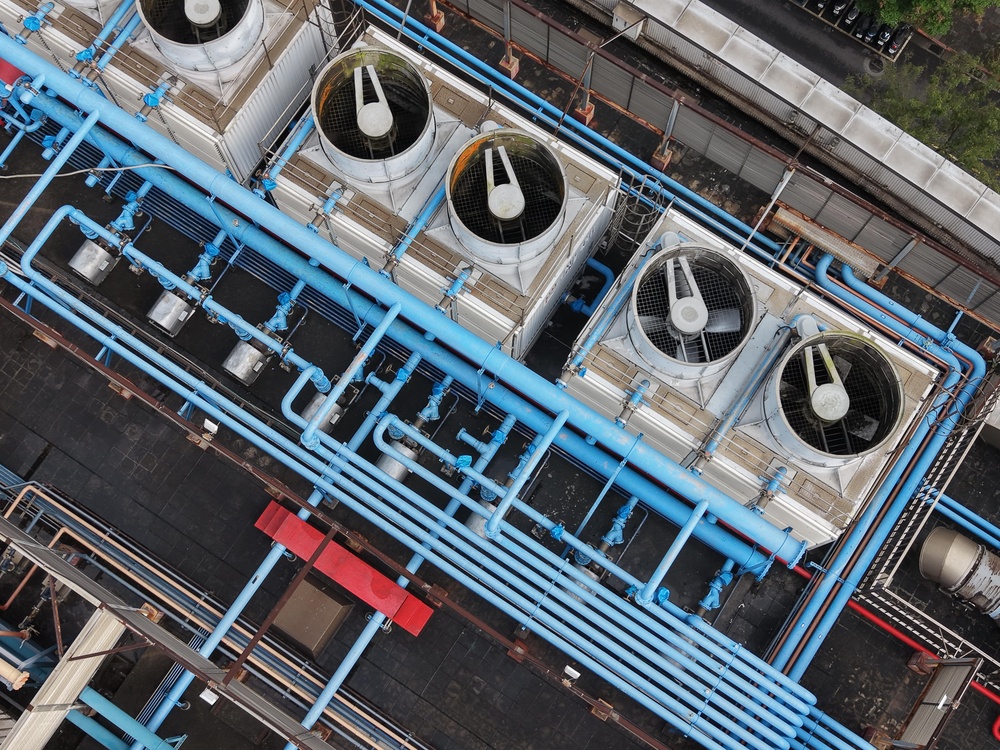
Power companies argue that rapid investment is unavoidable if the electric grid is to remain stable. Data centers require uninterrupted electricity around the clock, meaning utilities must maintain sufficient generation capacity even during extreme weather or periods of peak demand. Utilities across several states have proposed building new natural gas plants, large-scale battery storage systems, renewable energy projects, and transmission corridors to accommodate projected growth. Industry groups argue these investments ultimately strengthen grid reliability for everyone while also supporting economic development and high-paying technology jobs.
Consumer Advocates Question Who Should Pay
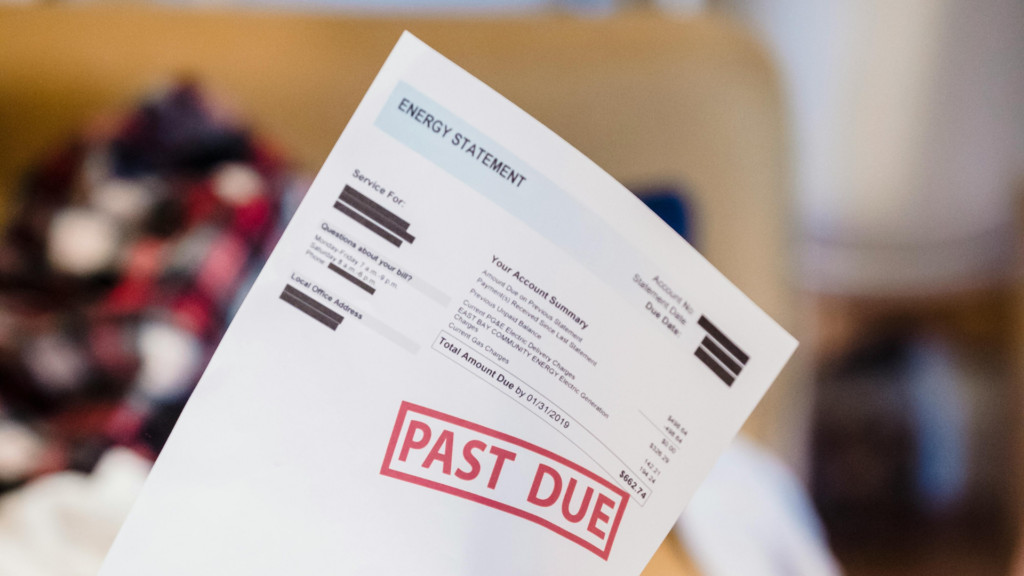
The growing dispute increasingly centers on cost allocation rather than the existence of data centers themselves. Consumer advocates argue residential customers should not shoulder billions of dollars in infrastructure costs generated by highly profitable technology companies. Some state regulators are considering special electricity tariffs or rate structures that would require data centers to pay a larger share of transmission and generation expansion costs. Critics say failing to separate those costs could effectively transfer wealth from ordinary utility customers to some of the largest corporations in the world.
Artificial Intelligence Is Accelerating Demand Forecasts

The emergence of generative AI has dramatically altered utility planning models. Traditional cloud computing centers already consumed substantial electricity, but AI-focused facilities require far more computing power because they train and operate advanced machine learning systems using thousands of specialized chips simultaneously. Researchers and grid planners say many utilities underestimated how quickly AI adoption would accelerate electricity demand. In some regions, utilities that once projected decades of slow growth are now forecasting the largest increases in power consumption since the industrial expansions of the mid-20th century.
Environmental Concerns Are Also Intensifying

The energy demands of data centers are creating new environmental tensions even as many technology companies publicly promote climate goals. Utilities under pressure to meet surging demand may rely more heavily on natural gas generation because gas plants can be built faster and provide stable electricity around the clock. Environmental advocates warn this could slow progress toward emissions reduction targets in several states. Water consumption has also emerged as a concern because many large data centers require extensive cooling systems that strain local water supplies during hot weather and drought conditions.
Communities Want The Jobs But Fear The Consequences

Local governments often compete aggressively for data center projects because the facilities can generate substantial property tax revenue and attract broader technology investment. Yet residents in several states are increasingly raising concerns about land use, noise, transmission lines, water consumption, and rising utility bills. Some communities now question whether the long-term public costs outweigh the economic benefits, especially since data centers typically employ fewer permanent workers than traditional manufacturing facilities occupying similar amounts of land and infrastructure.
The Fight Over Electricity Costs Could Reshape Tech Expansion
Over the next several years, state utility commissions and lawmakers may determine whether the AI economy expands with broad public support or growing public backlash. Regulators must now balance competing pressures from utilities seeking massive grid investments, technology companies demanding rapid expansion, environmental groups warning about emissions, and consumers worried about affordability. The outcome may shape not only future electricity bills, but also where companies choose to build the next generation of AI infrastructure and who ultimately pays for the digital economy powering it.