

Products are selected by our editors, we may earn commission from links on this page.
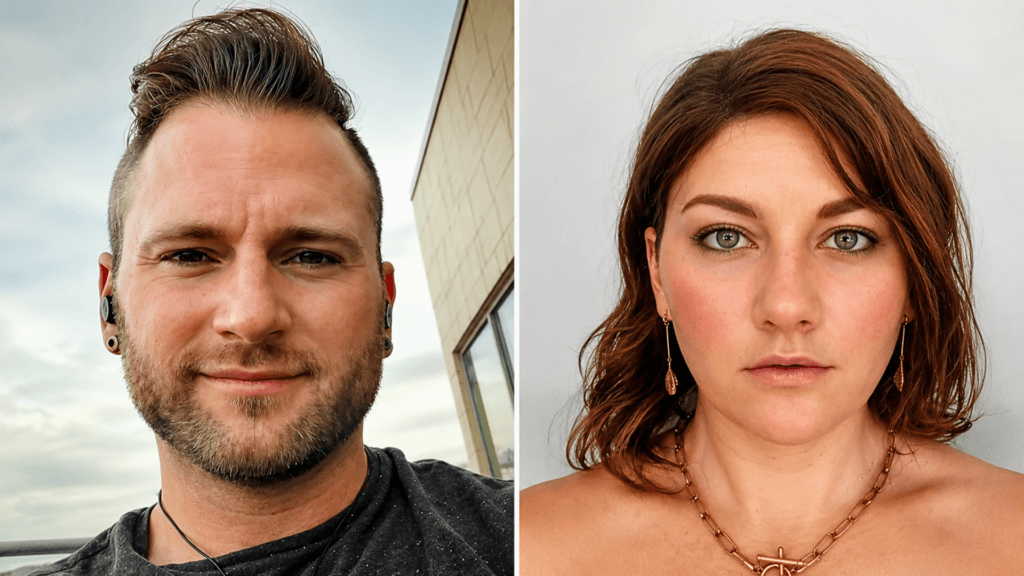
Patients are now arriving at plastic surgery clinics carrying photos of themselves, but not ordinary photos. These are AI-generated portraits, flawlessly symmetrical, with sculpted cheekbones, refined noses, and poreless skin. They want to look exactly like that. The problem: surgeons say these images reflect what software can do to pixels, not what a scalpel can do to a human face. A growing number of medical professionals are raising the alarm.
Surgeons Are Seeing This More and More
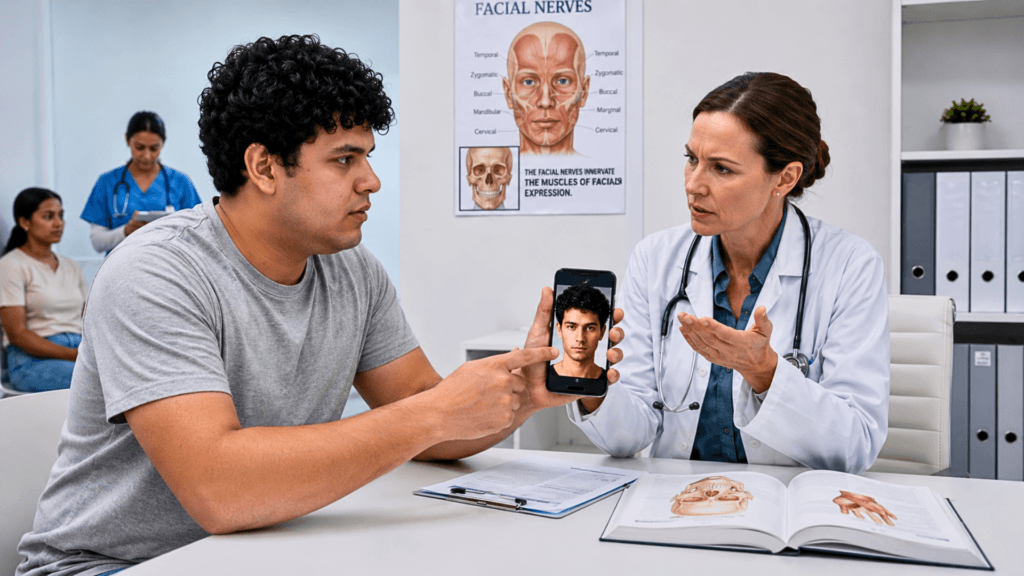
Dr. Nora Nugent, a cosmetic surgeon in Tunbridge Wells and president of the British Association of Aesthetic Plastic Surgeons, says clients now routinely arrive with AI-beautified versions of themselves, fully expecting surgery to match those results. She says colleagues across the country are reporting the same pattern. “I can only predict an increase,” Nugent said, citing how thoroughly AI has woven itself into everyday life. The trend shows no sign of reversing.
What AI Promises That Surgery Cannot Deliver
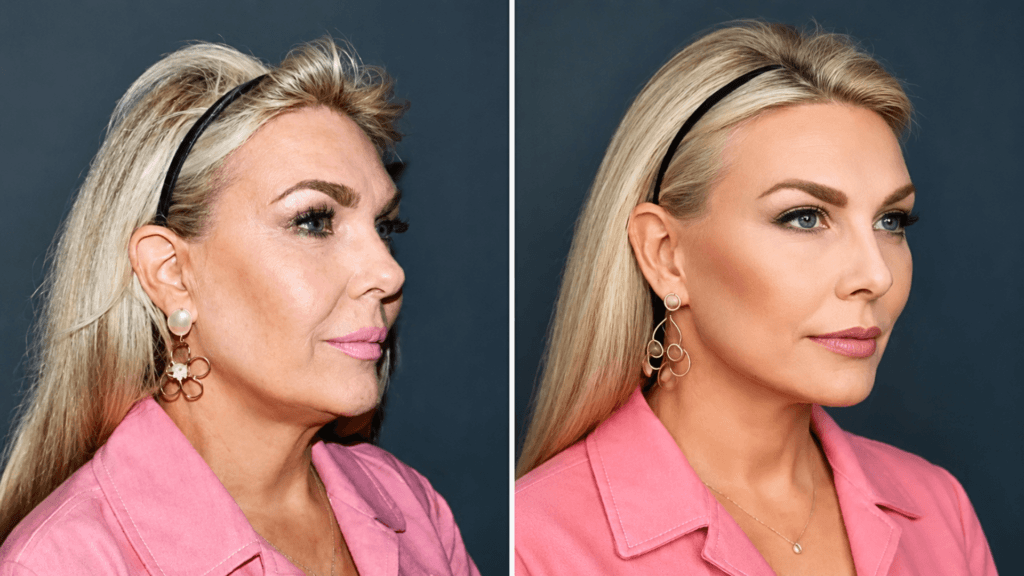
AI editing tools work at the pixel level, adjusting lighting, geometry, and texture with microscopic precision. Surgery does not. According to Dr. Alex Karidis, a London-based cosmetic surgeon, the operating room cannot replicate the pixel-perfect control that software applies to a photo. Patients arrive wanting flawless skin, perfect symmetry, and sculpted bone structure, standards that are, in many cases, physically unachievable, prohibitively expensive, or both.
The Psychological Power of Seeing a ‘Better’ Version of Yourself

The real danger, surgeons say, begins before a patient ever books a consultation. Once someone sees an AI-generated image of themselves looking idealised, that image becomes the mental benchmark. Nugent describes it plainly: “Once you see an image, it’s wired into you.” Karidis uses even stronger language, saying these images are “seared” into patients’ minds. That psychological imprinting shapes expectations in ways that are difficult to correct, no matter what a surgeon explains.
The ‘AI Face’ Has a Predictable Template
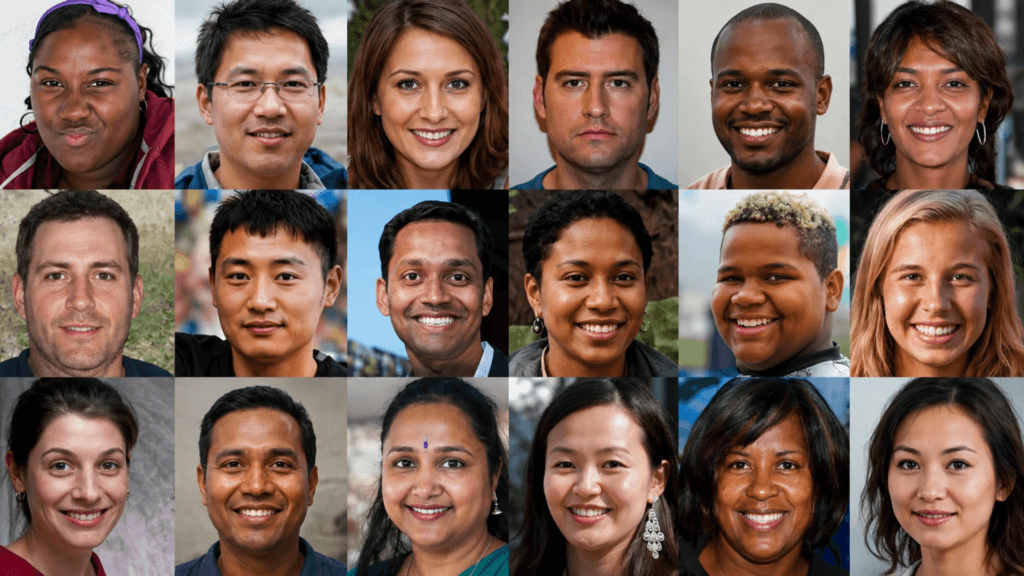
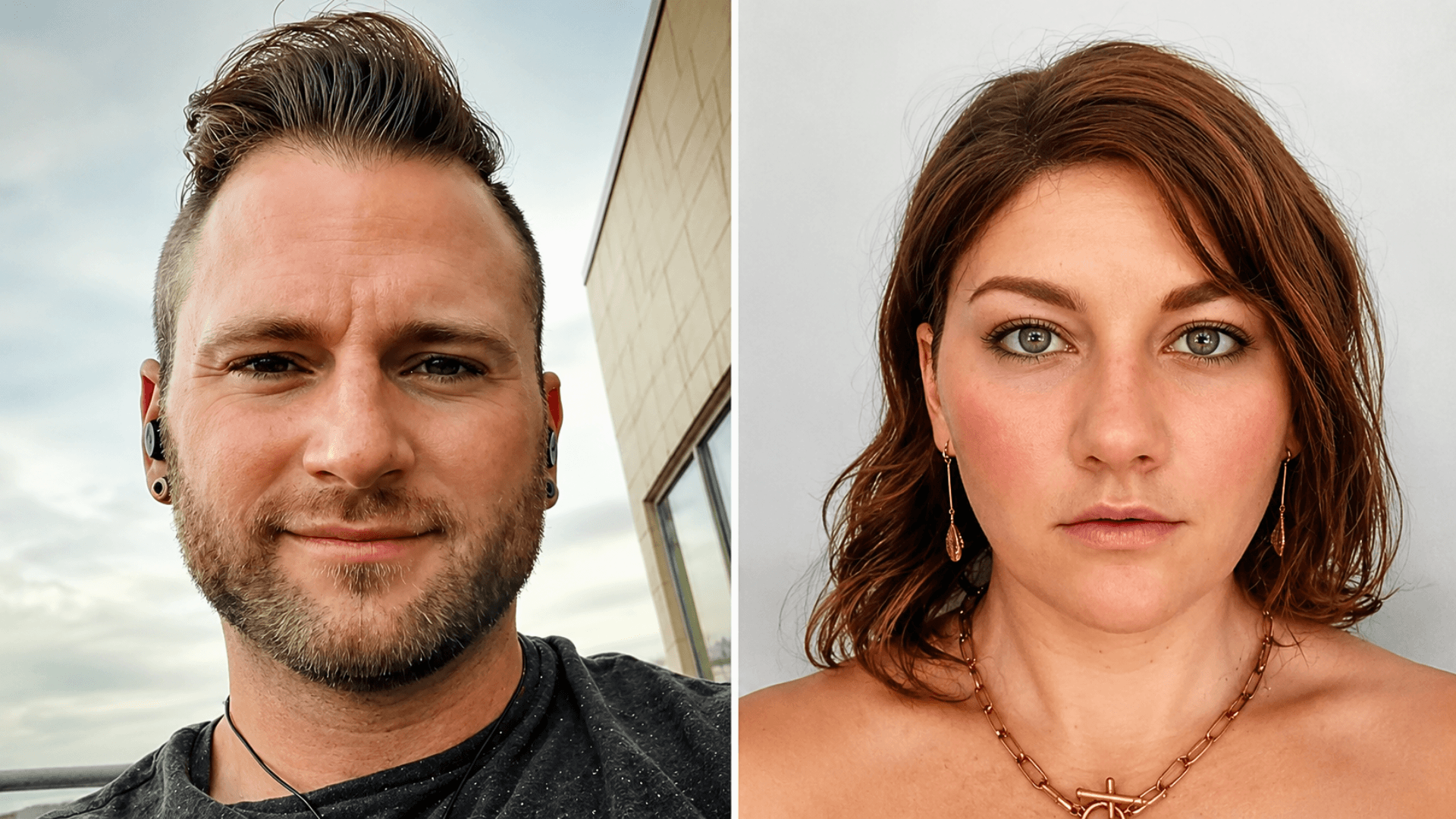
Surgeons have noticed that AI-generated faces tend to follow the same beauty blueprint. According to Dr. Julian de Silva, a Harley Street cosmetic surgeon, the software consistently defaults to widely accepted ideals: for women, a V-shaped jaw, high cheekbones, and a heart-shaped face; for men, a broader jaw, lower eyebrows, and fuller upper eyelids. The result is a kind of algorithmic homogeneity, with diverse faces flattened into one narrow standard of beauty.
Symmetry Looks Easy on Screen, Impossible in the Operating Room
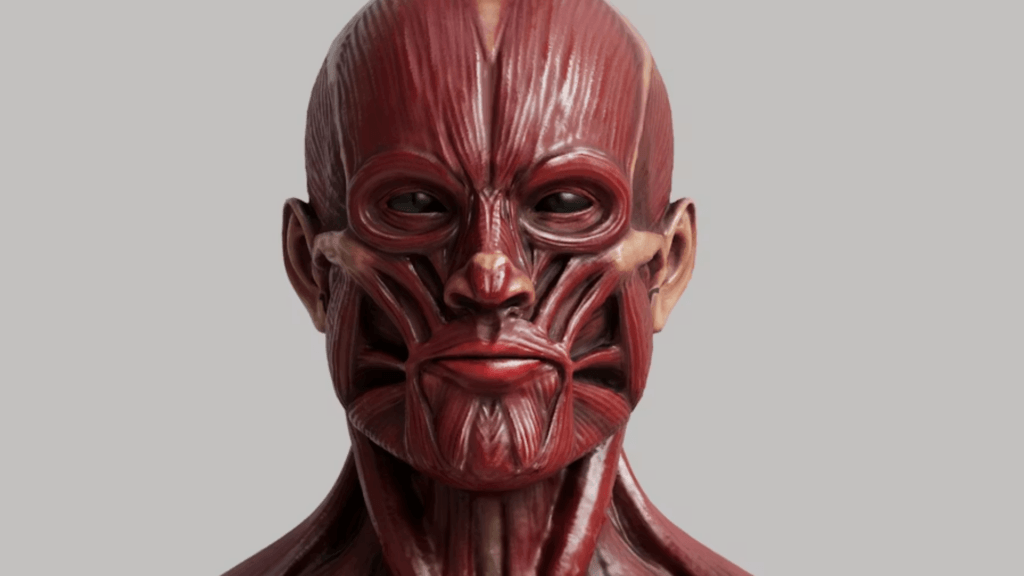
One of the most common features of the “AI face” is near-perfect symmetry, something generative software produces effortlessly. In reality, facial asymmetry is structural. De Silva points out that if one eye sits a few millimetres higher than the other, that is because of bone placement. “You cannot safely change the position of the orbits,” he said. The brain sits directly behind those bones. What takes an AI tool seconds to correct would be anatomically catastrophic to attempt surgically.
A Journalist’s AI Makeover Put to the Test
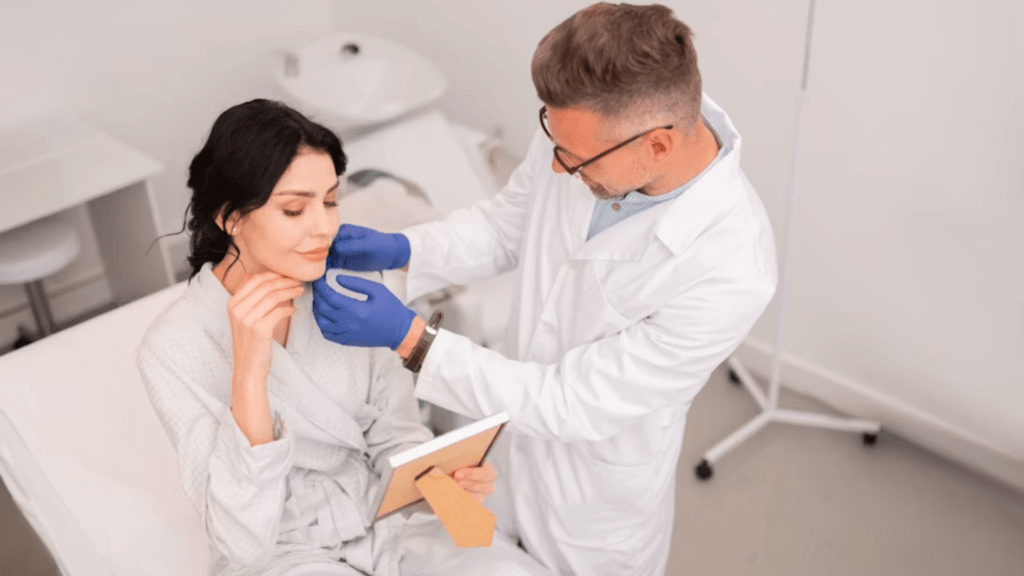
To explore the trend firsthand, journalist Isaaq Tomkins asked an AI chatbot to recommend cosmetic procedures and generate edited images, then brought the results to Karidis for review. The chatbot’s modest first round, a rhinoplasty and eyelid refinement, was estimated at around £25,000. When asked for a “more masculine face,” the AI piled on additional procedures. Karidis estimated the full package would exceed £100,000 and still probably would not resemble the generated image, with significant health risks alongside.
When the AI Recommendations Became Dangerous
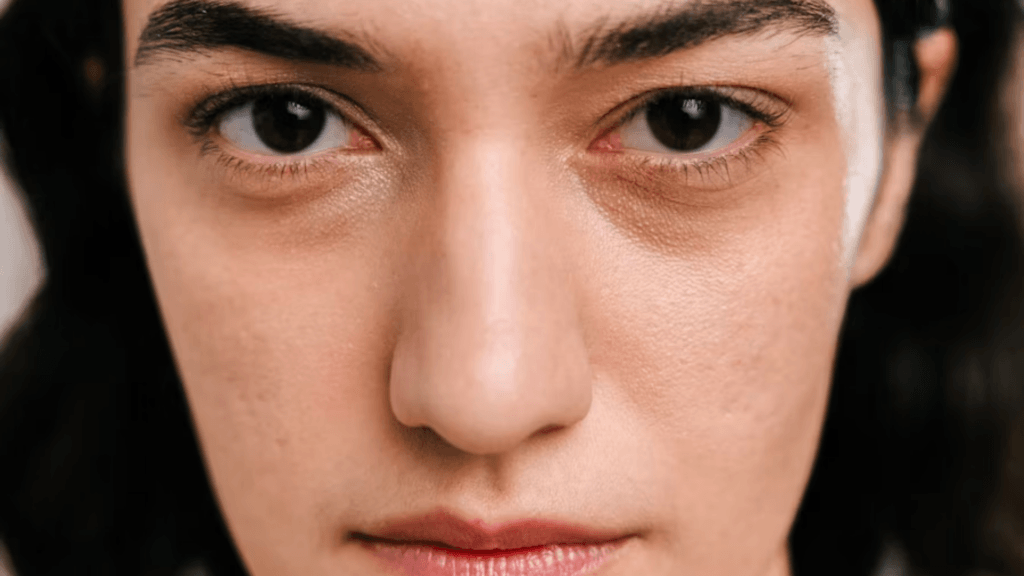
Pushed further, the chatbot recommended a neck lift, brow lift, custom jaw implants, and full laser resurfacing. Karidis was blunt reviewing the result. “This is where things start to look scary,” he said. The generated face showed deep indentations along the jawline, as though tissue had been removed in chunks. The eyebrows appeared lower, not lifted. The skin texture looked worse than the original. What the AI presented as improvement, a trained surgeon identified as a catalogue of surgical complications.
Surgeons Suspect AI Is Being Used to Fake Results Too
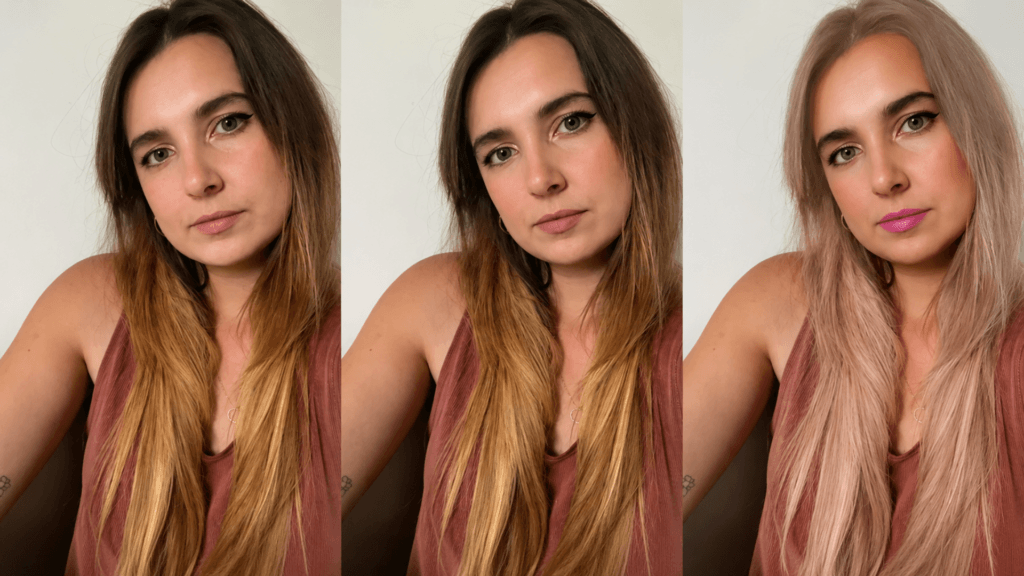
The deception runs in both directions. De Silva says he has noticed clinics sharing before-and-after videos on social media that appear suspiciously dramatic, and suspects some may be AI-generated rather than genuine surgical outcomes. He described rewatching one video multiple times before catching the tell: a patient’s hand had six fingers. If surgeons themselves struggle to spot manipulated results, patients seeking validation online have almost no chance of distinguishing real outcomes from fabricated ones.
The Mirror Is No Longer Just a Reflection
The “AI face” trend is not simply about vanity or technology. It reflects how digital tools are quietly reshaping the way people perceive their own bodies, often before they have spoken to a single medical professional. Face and neck lift procedures rose 8% in the UK over the past year, with a 26% increase among men. Surgeons can correct unrealistic expectations in a consultation room, but they cannot undo what a patient has already seen and believed. That is the real problem no scalpel can fix.