

Products are selected by our editors, we may earn commission from links on this page.
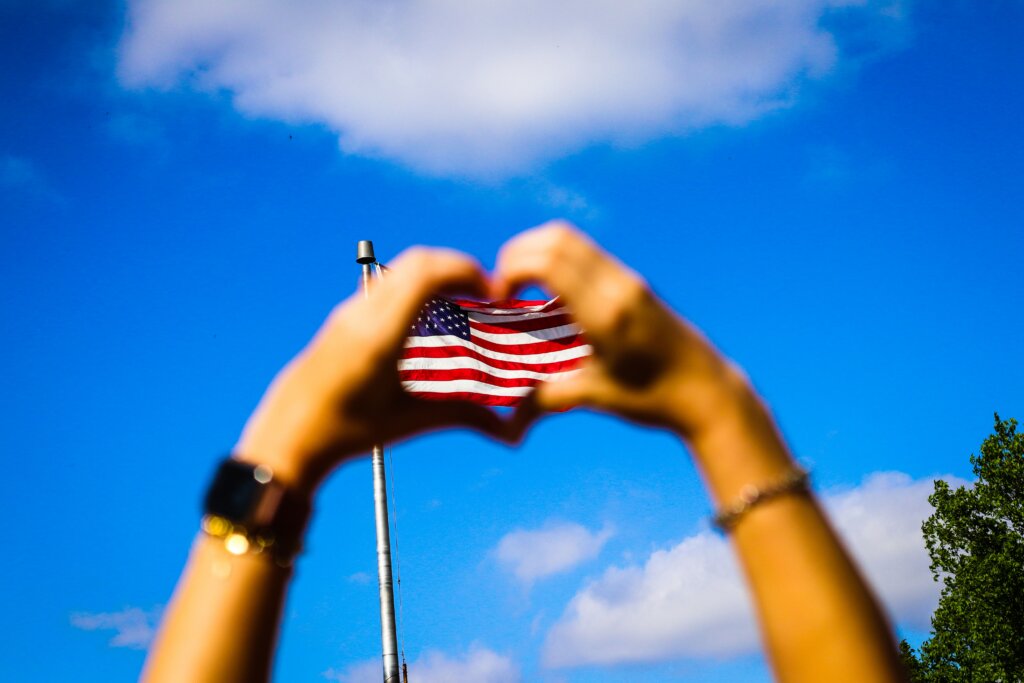
As the United States approaches its 250th birthday, a striking contradiction has emerged: Americans still express deep attachment to their country, but many describe it using words like “divided,” “struggling,” and “failing.” The tension between pride and frustration is becoming one of the defining stories of the Semiquincentennial celebration.
Most Americans Choose Negative Words
A Fox News poll found that roughly two-thirds of voters used negative terms when asked to describe the United States today. Common responses included “divided,” “corrupt,” “struggling,” and “failing.” Only about one-quarter selected positive words such as “freedom,” “great,” “strong,” or “powerful.” The findings suggest that dissatisfaction with the country’s direction cuts across much of the electorate, even as many citizens remain emotionally connected to the nation itself.
National Pride Remains Surprisingly Strong
Despite the negative descriptions, most Americans still say they are proud to be citizens of the United States. A Quinnipiac University survey found that 73% consider themselves proud Americans, while only 22% do not. Similarly, the Fox News poll found that 81% would still prefer living in the United States over another country. Those figures suggest that criticism of the country does not necessarily translate into rejection of it.
The 250th Anniversary Highlights A Divide
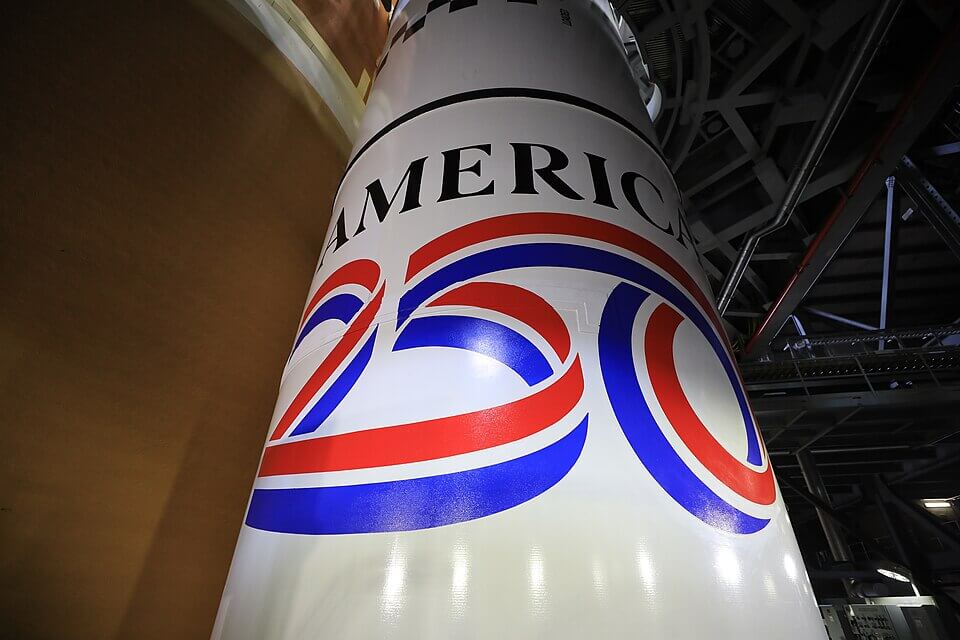
Excitement about America’s 250th anniversary varies sharply by political affiliation. Fox News polling found that 74% of Republicans are excited about the milestone, compared with only 35% of Democrats. The anniversary has become intertwined with broader political disagreements, raising questions about whether the celebration can unite Americans in the same way the bicentennial often did in 1976.
Shared Values Still Matter To Most Voters
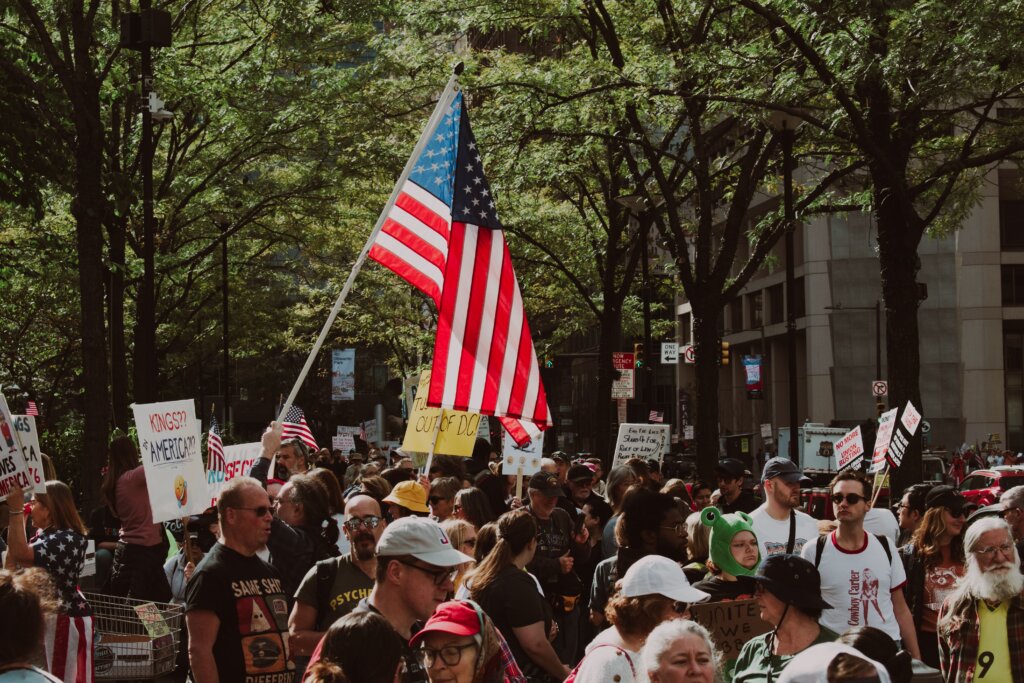
Even amid partisan conflict, Americans continue to agree on several core principles. More than 8 in 10 voters say it is important to emphasize national unity, shared values, and democratic principles when describing the United States. Large majorities also support highlighting the country’s diversity, although opinions differ more sharply on that issue across party lines.
Younger Americans View The Country Differently

Recent polling suggests that younger Americans are generally less enthusiastic about the country than older generations. A Quinnipiac University survey found that national pride was significantly lower among adults under 35 than among older Americans, while younger respondents were also more likely to express skepticism about the state of democracy and the country’s future. Similar patterns have appeared in earlier research. For example, a Gallup poll conducted last year found younger generations were less likely than older Americans to describe themselves as extremely or very proud to be American, highlighting a trend that has been developing for years rather than emerging suddenly.
Democracy Faces A Confidence Problem
Many Americans question whether the nation is living up to its founding ideals. According to Quinnipiac, 61% believe the United States is not fulfilling the Declaration of Independence’s promise that all people are created equal. Meanwhile, 57% say democracy is currently not working well, a notable increase from polling conducted two years earlier. Yet there is still optimism beneath the criticism, as 68% believe American democracy will survive beyond their lifetimes.
Patriotism Means Different Things To Different Americans
Research from Penn State’s McCourtney Institute for Democracy suggests that Americans often agree on patriotism’s broad themes while disagreeing on its expression. Many associate patriotism with love of country, respect for national symbols, and honoring military service. Others emphasize civic engagement, volunteerism, equality, community service, or constructive criticism of government. The findings indicate that patriotism is not a single idea but a collection of competing interpretations.
A Celebration Marked By Debate
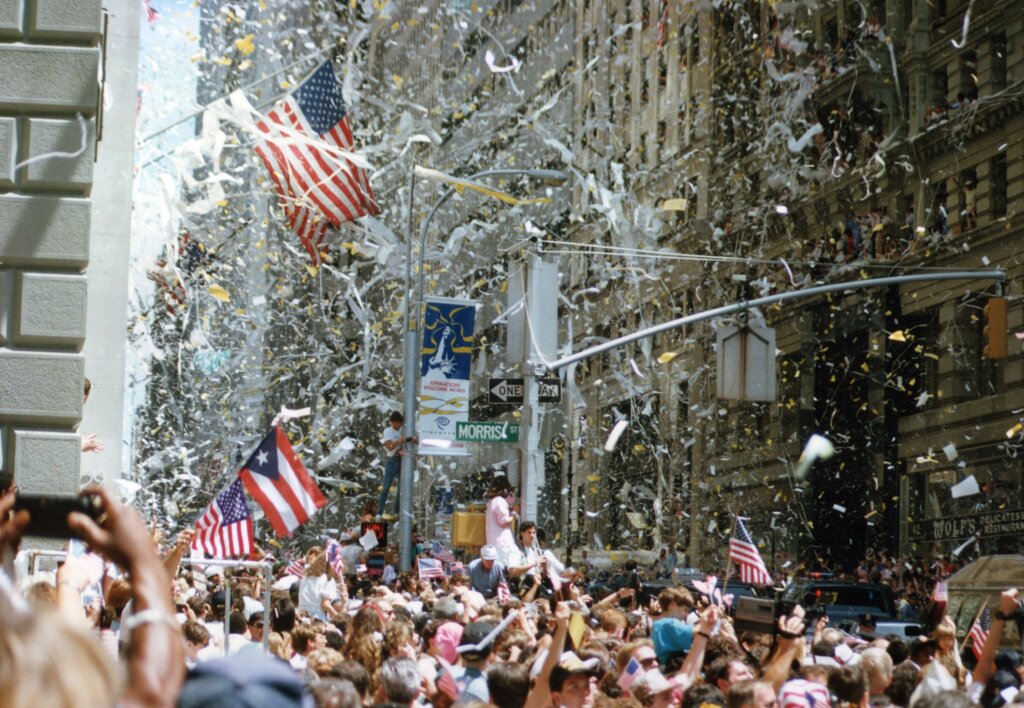
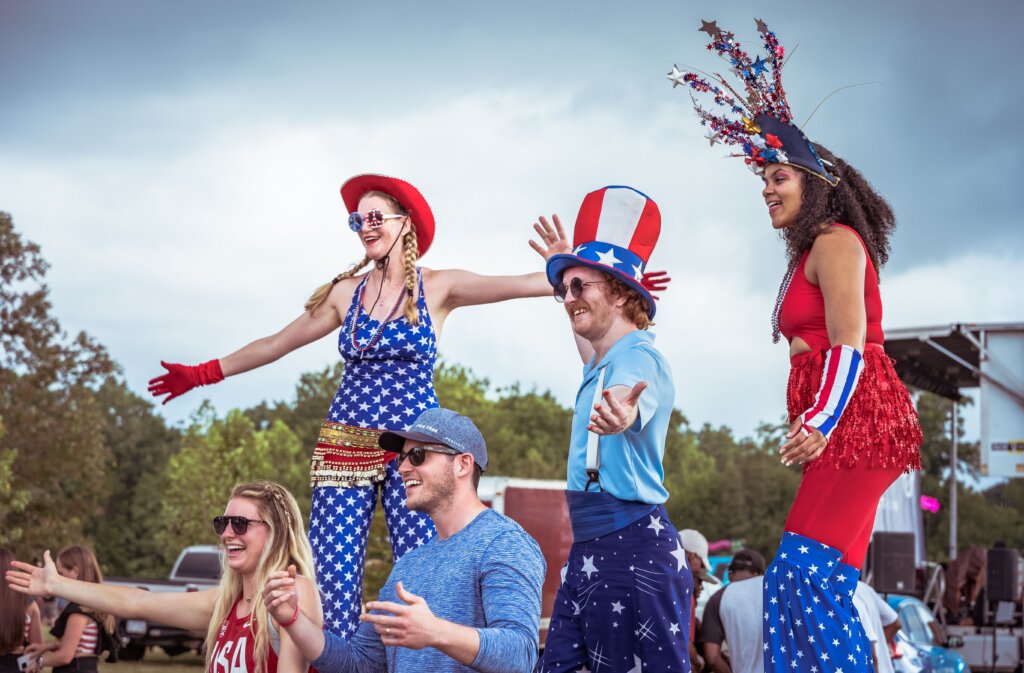
The anniversary itself has become part of the national conversation. America250, the congressionally created commission planning events, has emphasized broad public participation, while parallel celebrations organized through Freedom 250 have generated debate about politics and national identity. Planned events range from a National Mall state fair and major fireworks displays to local community gatherings across the country.
The Real Test Comes After The Birthday
America’s 250th anniversary arrives at a moment when citizens disagree deeply about politics, institutions, and the nation’s trajectory. Yet the polling reveals something more complicated than simple decline. Many Americans remain proud of their country even while criticizing it, and many still believe democracy can endure despite its flaws. The challenge beyond the celebrations may not be convincing Americans to love their country, but finding ways for them to agree on what that love should look like in the next 250 years.