

Products are selected by our editors, we may earn commission from links on this page.
The emergency room isn’t exactly anyone’s favorite place to spend an afternoon. Between the uncomfortable chairs, endless waiting and uncertainty about when you’ll finally go home, it’s easy to lose patience. But doctors warn that one seemingly harmless move could turn an already stressful hospital visit into a medical emergency of its own.
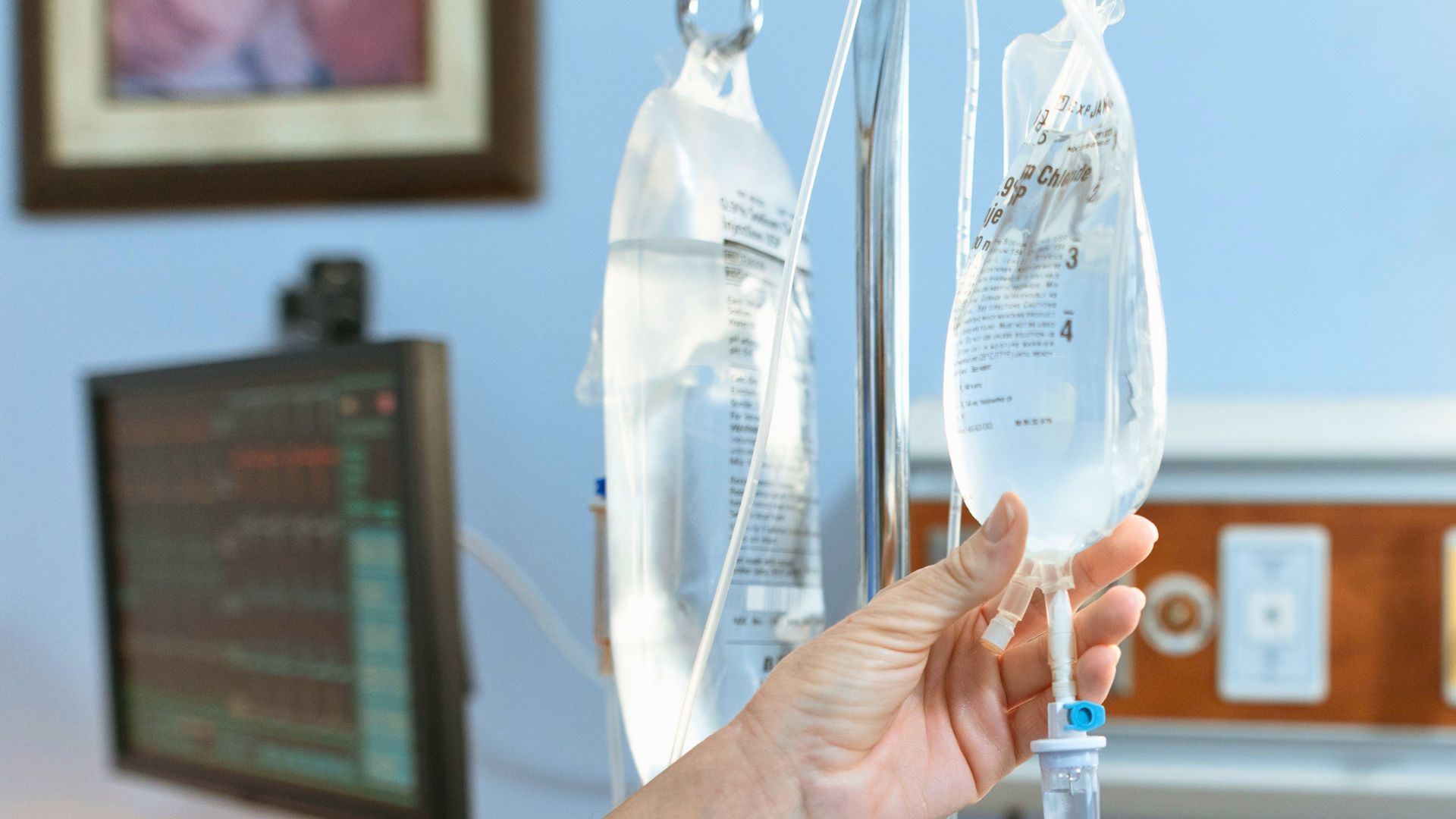
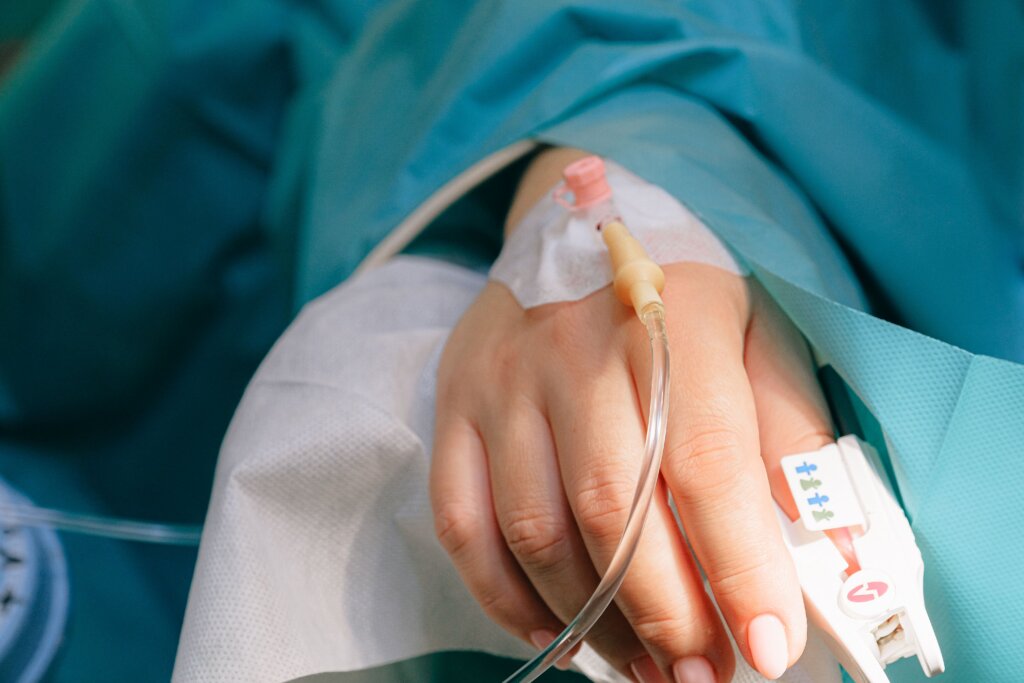
The mistake? Pulling out your own IV line to leave faster. According to a report by The Independent, doctors strongly discourage patients from removing intravenous lines themselves, even when they’re frustrated with the wait or eager to get home. What looks like a quick way to disconnect from hospital equipment can cause bleeding, infection or damage to a blood vessel.
An IV is inserted directly into a vein to deliver fluids, medications or other treatments. Removing it improperly can injure the vessel and potentially cause significant bleeding. The safer move is to ask a nurse to remove it and explain the discharge process. Even if you’re determined to leave, disconnecting yourself isn’t worth the risk.
Your Frustration Could Be Slowing Everyone Down
Pulling out an IV isn’t the only behavior doctors want patients to avoid. Bringing a crowd of relatives or friends into an already busy emergency department can also create problems. Registered nurse Karen Selby told HuffPost that while a calm companion can help, large groups can create noise and confusion that make it harder for medical staff to work safely.
Then there’s the phone problem. Patients understandably want to update loved ones, scroll through social media or distract themselves while waiting. But when a nurse arrives to assess symptoms, that conversation needs attention. One healthcare professional quoted in The Independent complained about patients staying on their phones during assessments, even while reporting severe pain. Important details can get lost when the person being examined isn’t fully engaged.
And whatever happens, don’t take your frustration out on hospital workers. Selby warned that yelling about wait times, threatening staff or demanding immediate attention can pull resources away from critically ill patients. Security may need to intervene, creating further delays. Asking for an update is reasonable. Becoming aggressive can make a difficult situation worse for everyone involved.
Some ER Visits Can’t Wait, Even When You Want to

Not every emergency room mistake happens inside the hospital. Sometimes the most dangerous decision is waiting too long to seek help. Dr. Larisa Traill, emergency department medical director at McLaren Greater Lansing, warns against ignoring chest pain, particularly when accompanied by shortness of breath, sweating, nausea or pain spreading to the arm, neck or jaw. These symptoms can signal a heart attack or another serious condition.
Head injuries also deserve attention. Traill advises seeking prompt medical evaluation when symptoms include confusion, vomiting, seizures, memory loss, loss of consciousness or difficulty staying awake. She cautions that delaying treatment can worsen certain head injuries. And if someone develops possible stroke symptoms, including facial drooping, weakness or difficulty speaking, waiting for the symptoms to disappear can cost valuable treatment time. Call 911 immediately.
The same urgency doesn’t apply to every longstanding medical complaint. Emergency physician Dr. Robert Myles Riner told The Healthy that emergency departments aren’t designed to revisit every chronic diagnosis or provide an instant cure for an unchanged condition. But a sudden, severe or unusual symptom is different. Knowing that distinction matters more than trying to predict how long the waiting room will take.
What ER Workers Have Seen Explains the Warning

Emergency departments handle situations far stranger than most patients imagine. In an older r/AskReddit discussion asking ER doctors and nurses about their most unusual experiences, user erdoc_throwaway1 described a patient with a severe leg infection who reportedly left the hospital against medical advice after refusing an amputation. The account is unverified, but it illustrates how difficult decisions about continuing treatment can become.
Another commenter, SnicketySnatch, who identified themselves as an ER nurse, recalled a confused patient removing a colostomy bag and throwing it toward staff. Other contributors described unpredictable behavior, serious injuries and emotionally demanding emergencies. These individual stories aren’t evidence of how often such incidents happen, but they offer a glimpse of the disruptions emergency workers may face while treating critically ill people.
Patients still have the right to ask questions, express concerns and discuss leaving before treatment is complete. If you’re unhappy with your care or feel well enough to go, tell the medical team rather than quietly disconnecting equipment or walking away. Ask what treatment remains, what risks leaving might involve and what symptoms should bring you back. Getting out of the ER faster should never mean creating another reason to return.