

Products are selected by our editors, we may earn commission from links on this page.
Neutrogena has introduced two facial sunscreens built around an ingredient that American shoppers have largely watched other countries use for years. Ultra Sheer Daily Face Sunscreen SPF 70 and Clear Face Sunscreen SPF 60 contain bemotrizinol, better known as BEMT, following an FDA regulatory change in June 2026. The significance goes beyond another SPF launch: the FDA described BEMT as the first new active sunscreen ingredient added to the U.S. over-the-counter sunscreen monograph since the late 1990s.
The FDA Change Took Decades
In June, the FDA issued a final administrative order permitting BEMT at concentrations of up to 6% in over-the-counter sunscreens. The decision followed review of clinical and nonclinical safety and efficacy data submitted through the agency’s OTC Monograph Order Request process. The FDA determined the ingredient to be generally recognized as safe and effective, or GRASE, for adults and children ages 6 months and older.
BEMT Isn’t Actually New Elsewhere
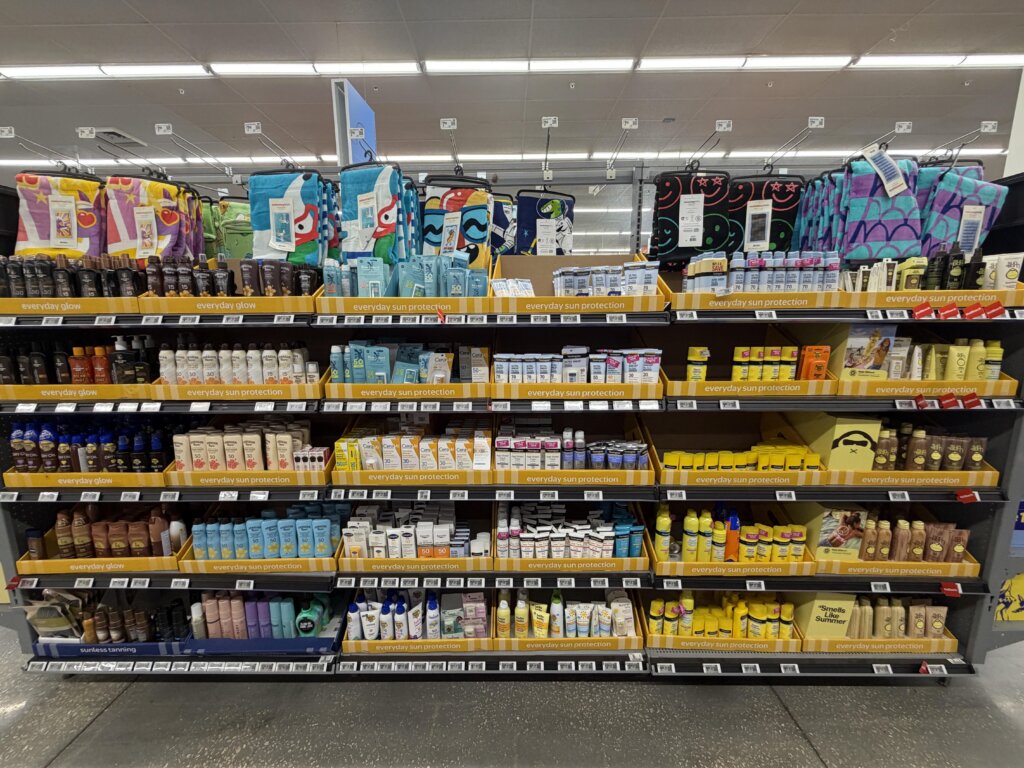
The regulatory milestone may make BEMT sound like a newly invented ingredient, but Americans are late to this particular sunscreen party. BEMT has already been used in Canada, Europe, Asia and Australia for more than two decades. In the U.S., sunscreen active ingredients are regulated as drugs, and bringing a new filter into the market requires extensive safety and efficacy evidence. That regulatory difference helps explain why international sunscreen formulas have long had options unavailable to American manufacturers.
One Filter Tackles UVA And UVB
BEMT absorbs ultraviolet radiation and provides protection across both UVA and UVB wavelengths. That matters because UVB is strongly associated with sunburn, while UVA penetrates more deeply and contributes to skin aging and skin cancer risk. BEMT is also photostable, meaning it resists breaking down in sunlight, and the FDA cited its low systemic absorption. Those characteristics give formulators another way to build broad-spectrum protection without relying solely on the familiar combination of older U.S. filters.
Neutrogena Built Cloud-Tech Around It
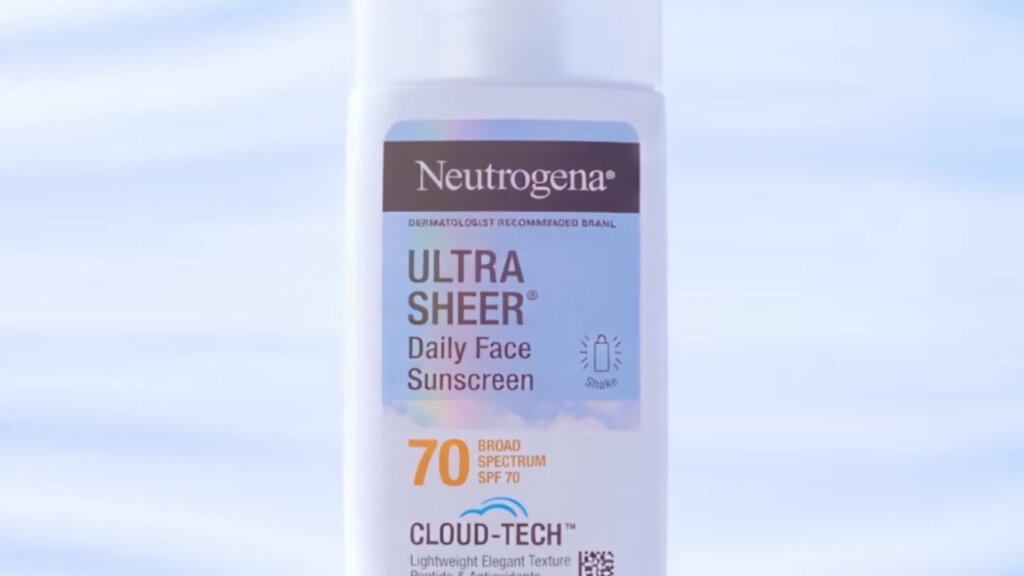
Neutrogena isn’t simply dropping BEMT into an existing bottle. Its new Cloud-Tech platform combines BEMT with other UV filters and the company’s sunscreen technology. The company says the goal is broad-spectrum protection in formulas that feel lighter and more like everyday skincare. Neutrogena’s own product page prominently markets the technology around a “cloud-skin feel,” reflecting how sunscreen development increasingly involves texture and wearability alongside protection.
The First Formula Goes Big On SPF
Ultra Sheer Daily Face Sunscreen SPF 70 is the higher-SPF option. Neutrogena designed it as a lightweight facial sunscreen that can sit underneath makeup without a greasy or sticky finish. The brand says the formula feels 50% lighter on skin than leading sunscreens, a company claim rather than an independent comparison. It also incorporates antioxidant technology, while Neutrogena’s product materials highlight patented micro-peptide technology intended to support smoother-looking skin.
There’s Also An Acne-Prone Skin Version

Clear Face Sunscreen SPF 60 takes a different approach. It was formulated specifically for acne-prone skin and includes niacinamide, vitamin E and antioxidant ingredients. Neutrogena describes it as non-greasy and weightless, with a formula designed not to clog pores. That positioning makes the BEMT launch less about creating one showcase sunscreen and more about demonstrating how the newly permitted filter can work inside products aimed at different skincare needs.
The Texture Story Matters More Than It Sounds

A sunscreen can offer impressive protection on paper and still be unpleasant enough that people dislike wearing it. BEMT gives formulators additional flexibility because it works with different emollients and can reduce the total concentration of filters needed to create an effective sunscreen, according to Neutrogena product development lead Jipsha Thakrar. That can help manufacturers pursue formulas that feel lighter, less greasy and more transparent, qualities already familiar to shoppers drawn to Korean and other international sunscreens.
Neutrogena Isn’t Alone In Moving Quickly
Neutrogena is among the first brands taking advantage of the regulatory opening, but it isn’t the only one. Australian sunscreen company Ultra Violette introduced Unblock Screen SPF 50 with BEMT in the U.S. shortly before Neutrogena’s launches. Its formula pairs BEMT with zinc oxide, while another BEMT-powered Ultra Violette product is planned for January 2027. The early launches show how quickly a regulatory decision can turn into new choices once manufacturers gain access to another active filter.
BEMT Could Be Bigger Than Two New Bottles
The more consequential development will be what happens after these first launches. Adding BEMT to the OTC monograph gives other manufacturers another permitted ingredient for developing U.S. sunscreens, potentially opening the door to formulas that borrow more from technologies already established overseas. The FDA’s decision does not make every international UV filter available in America, but it changes a sunscreen rulebook that had barely expanded in decades. Now the question is how many brands will take advantage of that new room to formulate.