

Products are selected by our editors, we may earn commission from links on this page.

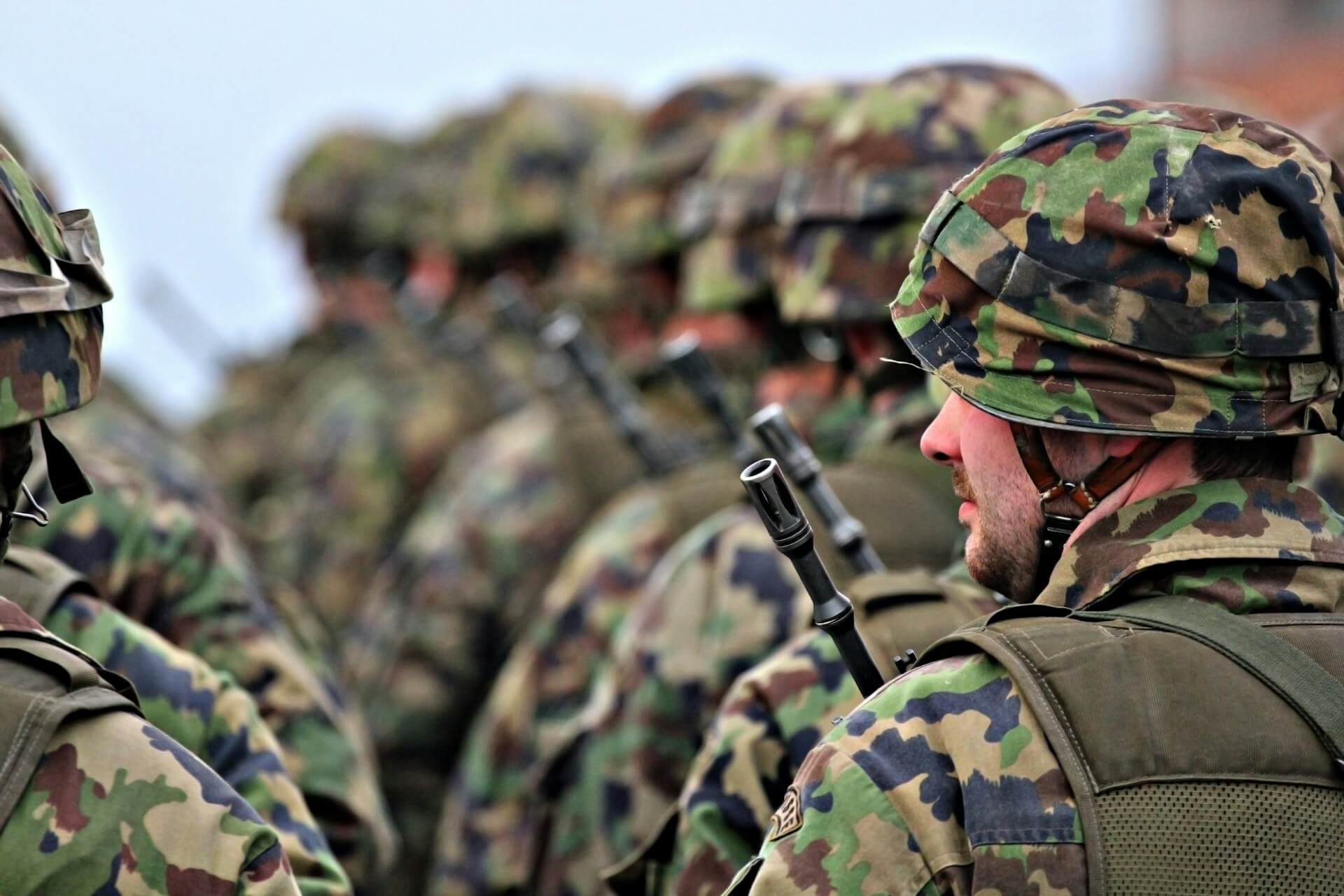
For the first time in nearly two decades, the U.S. Army has raised its maximum enlistment age, a move that is drawing attention far beyond military circles. While officials describe it as a practical change, the timing has led many to question whether deeper concerns about military readiness and global tensions are playing a role. As a result, the decision is being closely watched by both policymakers and the public.
The New Age Limit Explained
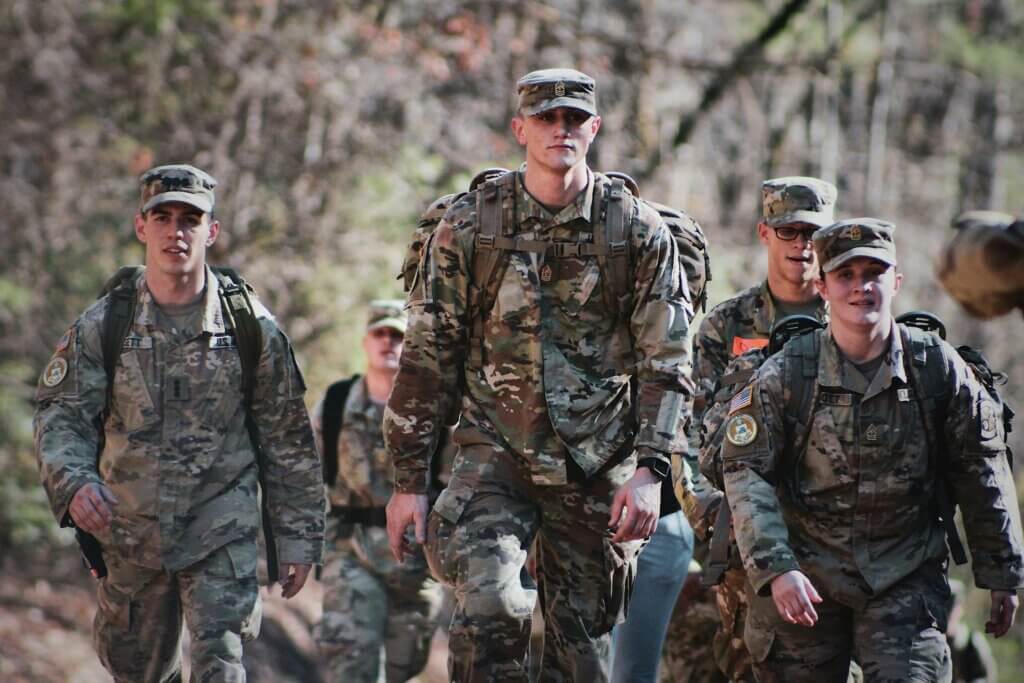
Under the updated policy, individuals up to the age of 42 can now enlist in the Army, including the Regular Army, Army Reserve, and National Guard. This marks a significant increase from the previous cap of 35, while the minimum enlistment age remains unchanged at 17 with parental consent or 18 independently. The change opens the door to a broader group of potential recruits.
Not the First Time This Has Happened
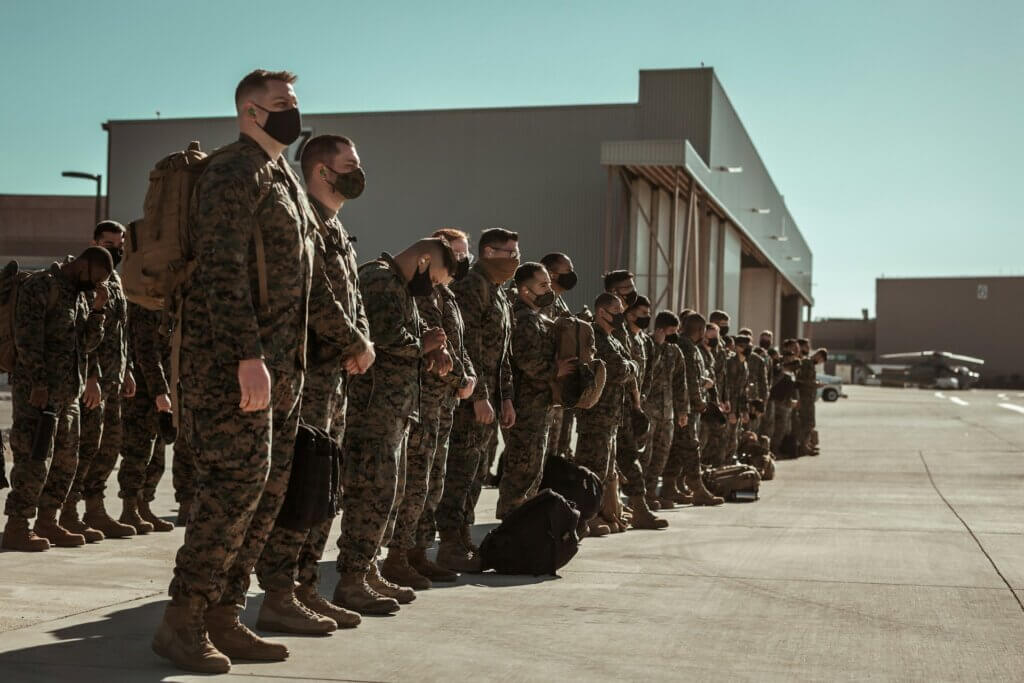
Although the update may seem dramatic, it is not without precedent. The Army last raised the enlistment age to 42 in 2006 during the height of the Iraq and Afghanistan wars, when it faced challenges filling its ranks. The policy was later reversed in 2016 as recruitment conditions improved, making the current shift a notable return to earlier strategy.
Officials Say It Is Not About War

Despite growing speculation, Army officials have pushed back on the idea that the change is tied to current global conflicts. A Pentagon spokesperson stated that the policy has been in development for months and is not connected to military buildup in the Middle East. Instead, leaders emphasize that the decision reflects long-term planning rather than a response to immediate geopolitical tensions.
Expanding the Recruitment Pool
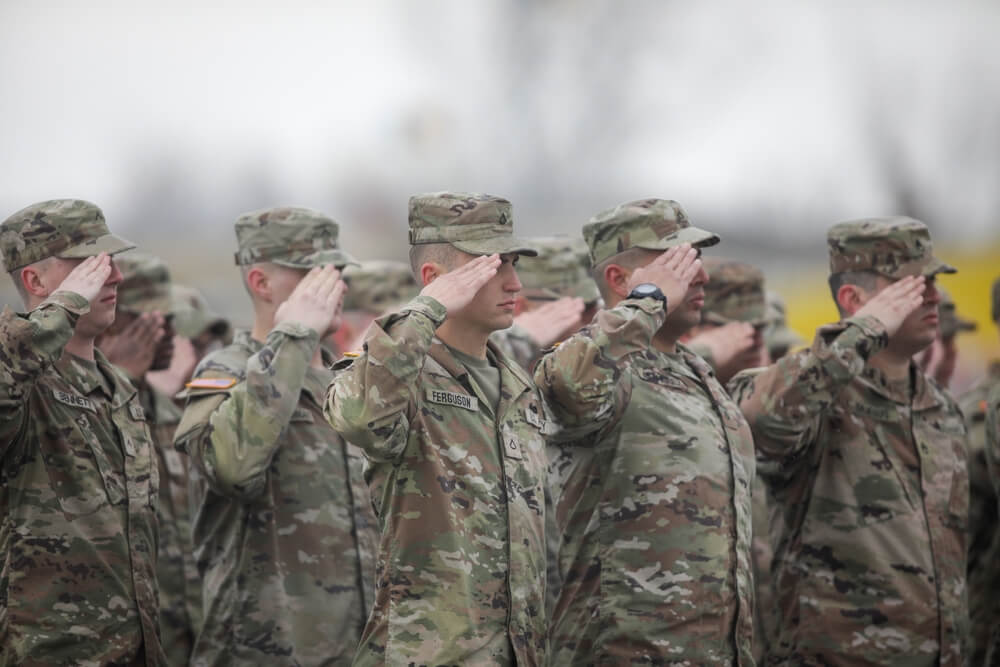
At its core, the policy is designed to widen the Army’s recruiting pipeline. Military leaders have acknowledged that the pool of eligible young recruits has been shrinking for years. In fact, only about 23 percent of Americans between the ages of 17 and 24 meet the basic requirements for service due to factors such as health, education, and legal history. By raising the age limit, the Army gains access to a larger and potentially more diverse group of candidates.
Older Recruits Bring Different Strengths
Interestingly, research suggests that older recruits may offer unique advantages. Studies have found that individuals between 25 and 35 are less likely to drop out of training and more likely to reenlist after their first contract. Recruiters often describe older candidates as more focused, motivated, and ready to handle the demands of military life. These traits are becoming increasingly valuable as the Army looks to maintain a skilled and reliable force.
A Changing Profile of Recruits

The average age of new Army recruits has already been rising in recent years. Data shows that the typical recruit is now older than in previous decades, reflecting broader social and economic trends. As career paths become less linear and more people consider major life changes later in life, the military is adapting to meet that shift.
Aligning With Other Military Branches
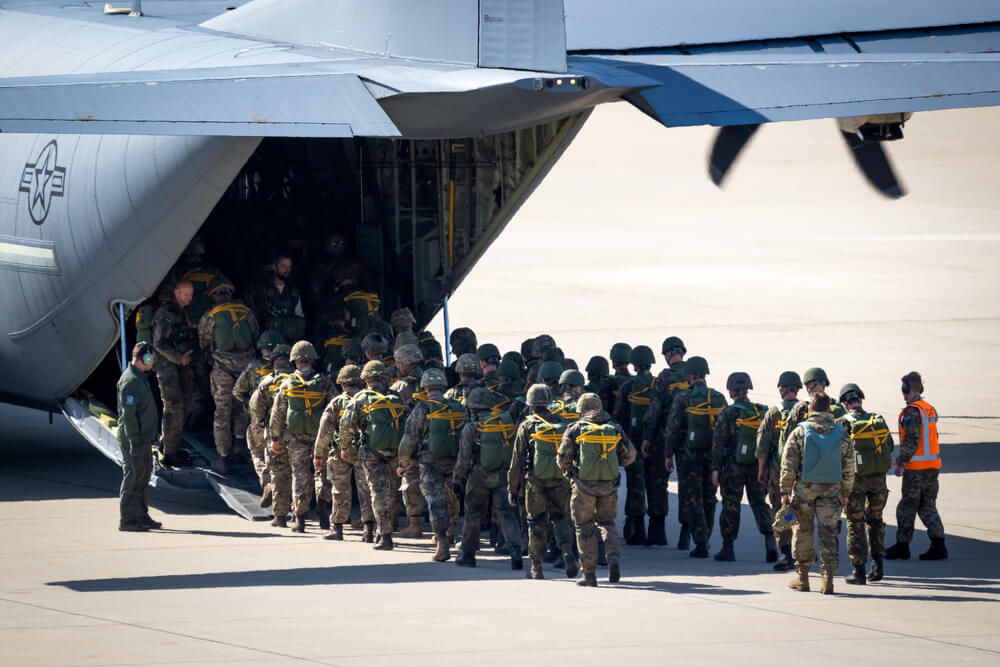
Another key reason for the change is consistency across the armed forces. Several other branches, including the Air Force and Space Force, already allow enlistment up to age 42, while the Navy caps recruits at 41. By raising its limit, the Army is bringing its policies more in line with the rest of the military, making recruitment standards more uniform.
Why Draft Concerns Are Growing
Even with official reassurances, the timing of the policy has fueled public concern about a possible military draft. Ongoing global tensions, particularly in regions like the Middle East, have heightened awareness about military readiness. While there is no indication that a draft is imminent, the combination of policy changes and global uncertainty has led some to question whether the Army is preparing for a more demanding future.
A Strategic Move in Uncertain Times

Looking ahead, the decision signals a broader shift in how the Army approaches recruitment. Rather than relying solely on younger candidates, the military is recognizing the value of experience, maturity, and diverse skill sets. At the same time, the move reflects ongoing challenges in maintaining troop numbers in a changing society.