

Products are selected by our editors, we may earn commission from links on this page.
Archaeologists are turning their attention to what past generations left behind, arguing that everyday refuse can reveal surprising insights about how people lived, worked and felt. A new research effort led by the University of York examines Neolithic discard practices to learn whether early farming communities treated their cast-offs as problems or as resources. The findings may prompt us to rethink our relationship with what we throw away.
Everyday leftovers tell a story
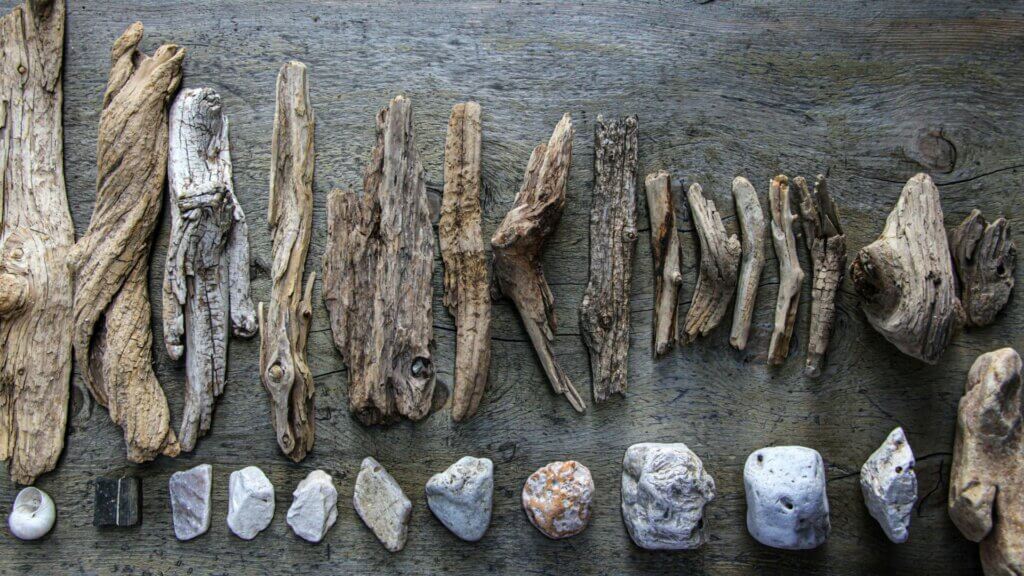
Material remains that once seemed mundane are now treated as meaningful evidence, because they record routines, skills and social choices. Potsherds, bone fragments and broken tools are fingerprints of daily life, and when studied systematically they offer more than simple inventory, they reveal behaviour.
A focused research programme
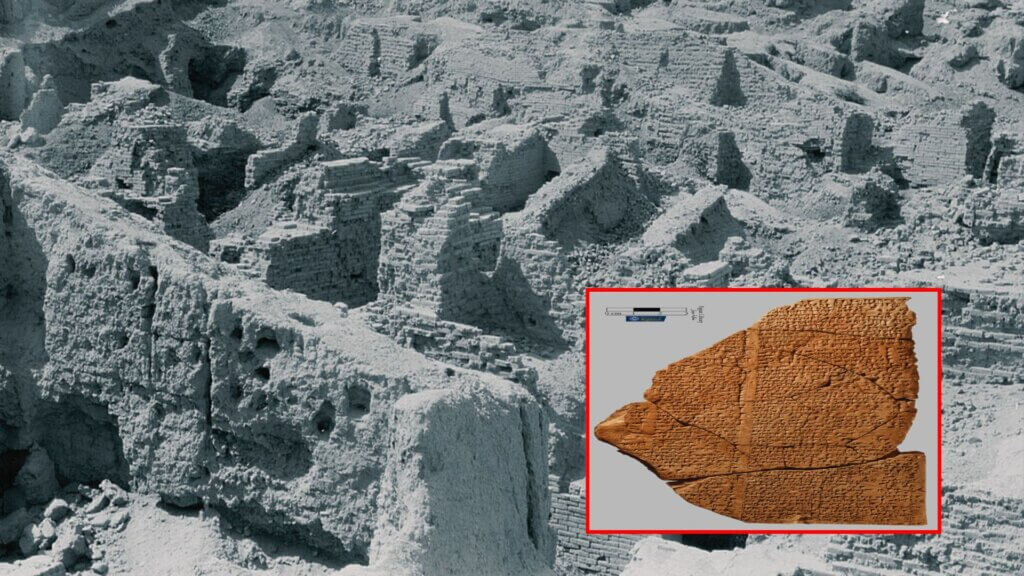
A team based at the University of York has launched a cross-European project to investigate how prehistoric people managed their refuse. By combining excavation with contextual study, the researchers want to move beyond isolated finds and build a broader picture of past disposal habits.
Keeping rubbish close to home

Excavations suggest many Neolithic households kept their refuse nearby rather than removing it far from the dwelling. That pattern indicates refuse was integrated into domestic space, and that placement could reflect practical or symbolic choices.
Signs of ownership and care
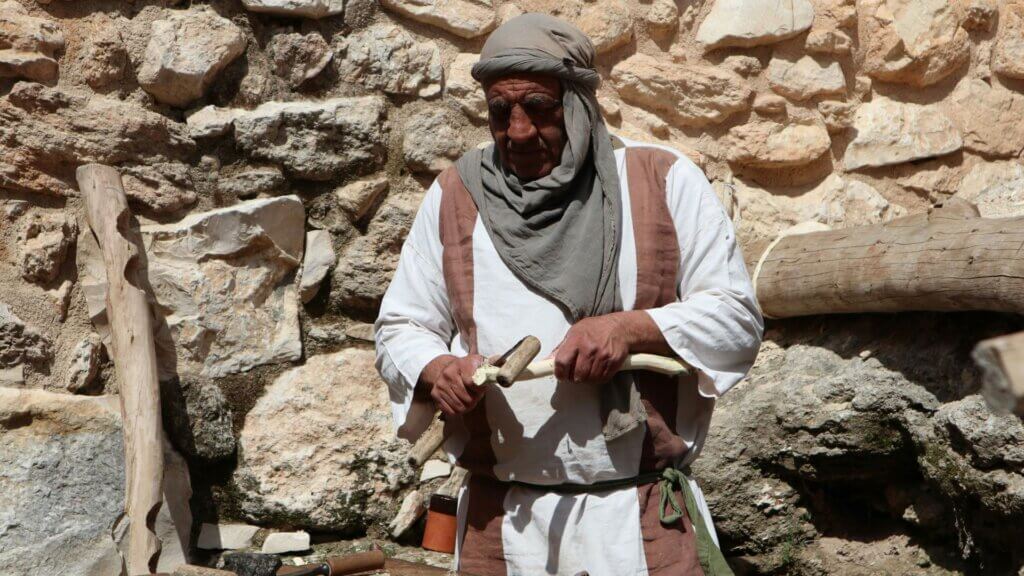
Archaeologists propose that proximity of discarded items hints at a sense of responsibility, owners choosing to manage what they produced. This implies waste was not simply abandoned, but often regarded as part of household stewardship.
Evidence of reuse and repair
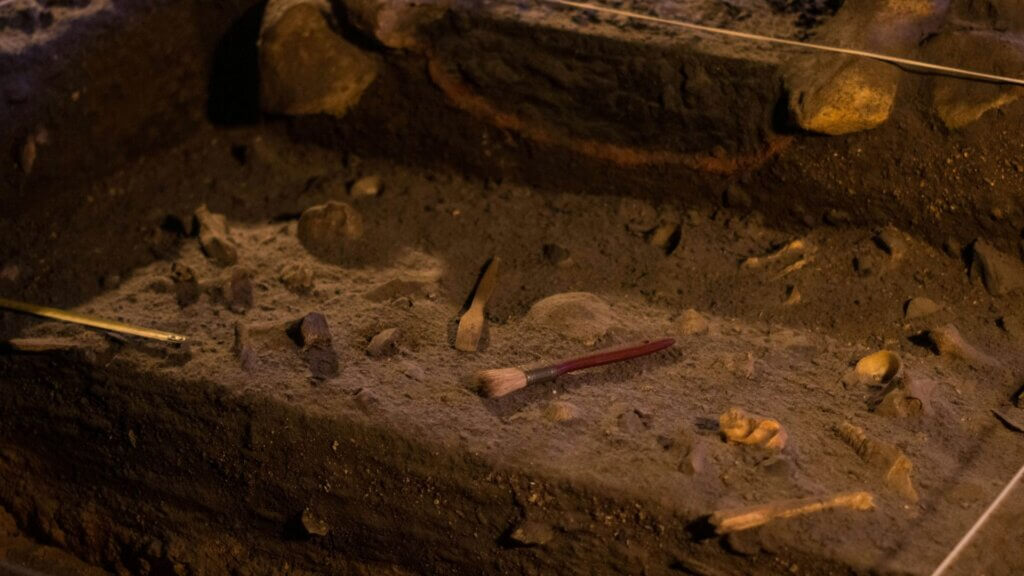
Some objects appear to have been mended or repurposed multiple times before final discard, suggesting early practices similar to recycling. The material economy of those communities may have emphasised repair and transformation over single use.
Emotional attachment to objects

Beyond utility, many items carried personal meaning, and evidence of careful disposal or inclusion in ritual contexts points to emotional value. Burials and curated deposits show that possessions could hold symbolic significance beyond daily function.
Rethinking modern disposal habits
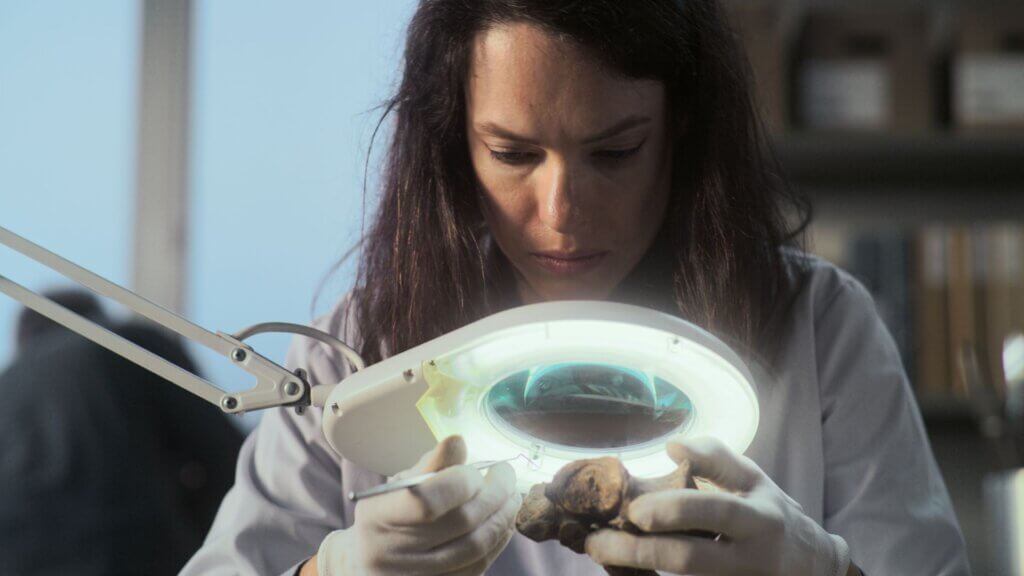
Studying prehistoric approaches encourages reflection on contemporary norms that push refuse out of sight for hygiene reasons. By acknowledging that not all discarded matter is unsanitary, we can explore alternative frameworks for material stewardship today.
Fieldwork from the Balkans to the Baltic coast

The project plans surveys at four sites spanning southeastern to northern Europe, chosen to capture diverse cultural and environmental settings. This geographic spread will help the team assess whether observed behaviours were local practices or widespread strategies.
Scientific techniques and digital storytelling
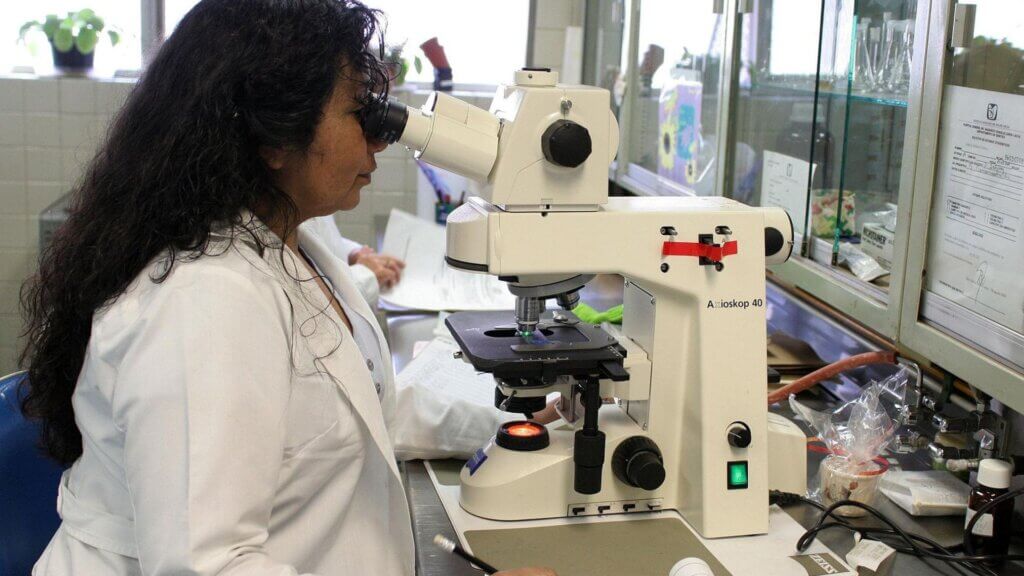
Researchers will apply laboratory analyses and digital tools to reconstruct the biographies of objects, tracing manufacture, use and subsequent transformations. Combining hard science with narrative reconstruction promises richer understandings of past lifecycles.
Why this research matters
By revealing how people in the past engaged with the things they discarded, the study offers fresh perspectives on sustainability, material culture, and human values. For readers who seek grounded information and independent views, these insights connect archaeological discovery with contemporary debates about consumption and care.