

Products are selected by our editors, we may earn commission from links on this page.
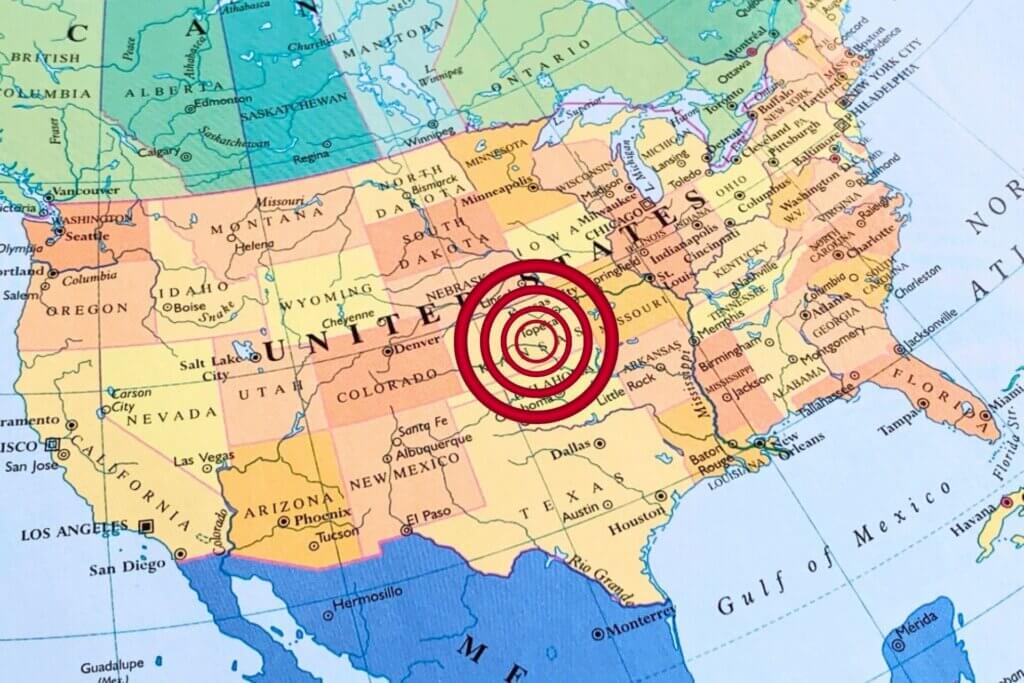
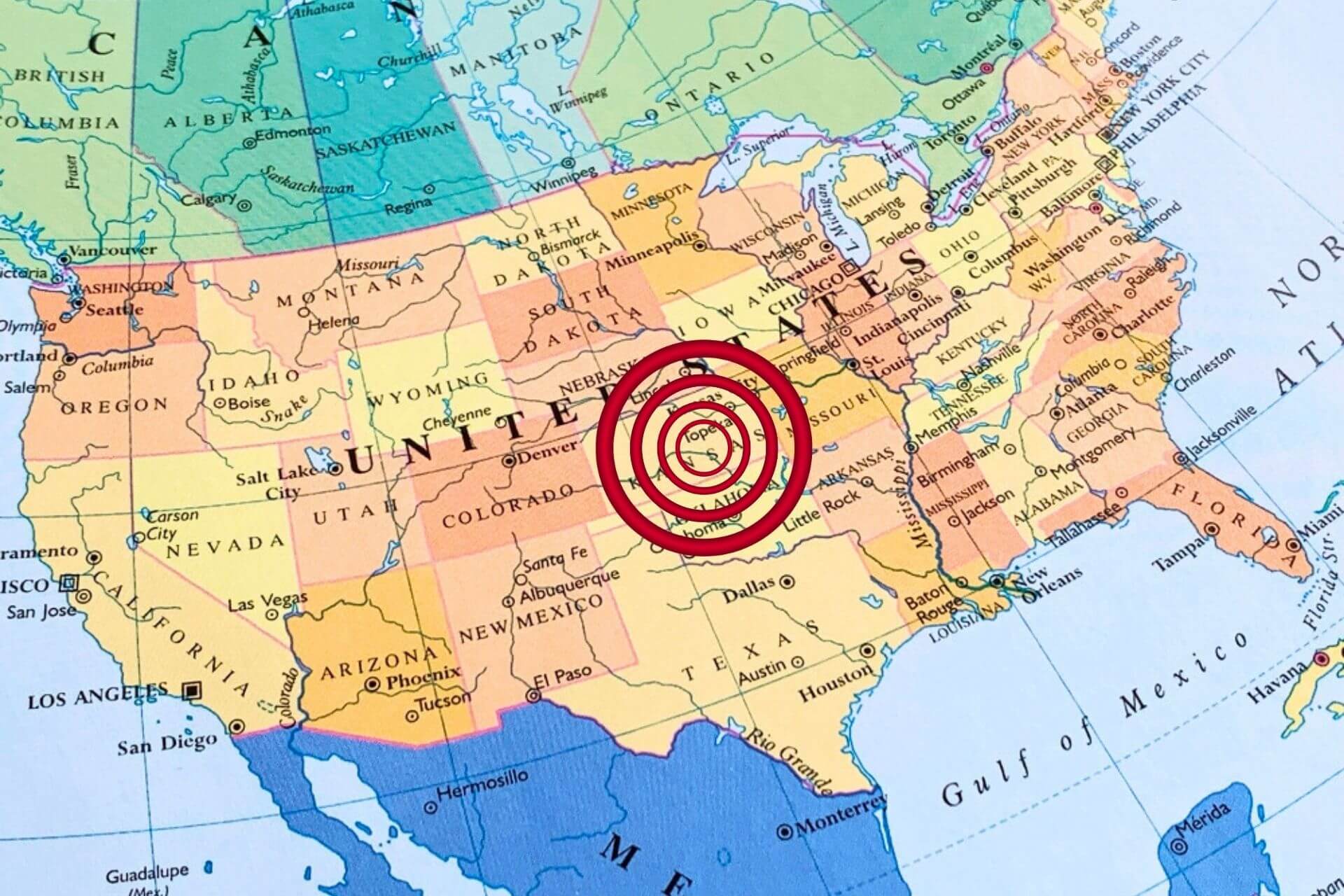
When most people think about earthquakes, they picture California fault lines or volcanic islands far out at sea. Kansas rarely makes that list. Yet on the afternoon of February 25, 2026, the ground in central Kansas shook just enough to remind residents that the Midwest sits on a much older and more complex geologic story than many realize.
A magnitude of 3.5 earthquake struck near Assaria and was felt by dozen of people within the area. While no damage was reported, the tremor sparked fresh questions about the ancient structures hidden beneath America’s heartland.
What makes this region especially intriguing is that it lies near the buried remains of a massive, billion-year-old rift system and long-dormant volcanic features. Scientists say these ancient scars in the Earth’s crust can still influence seismic activity today, even in places that seem geologically quiet.
The 3.5 Magnitude Quake That Rattled Saline County
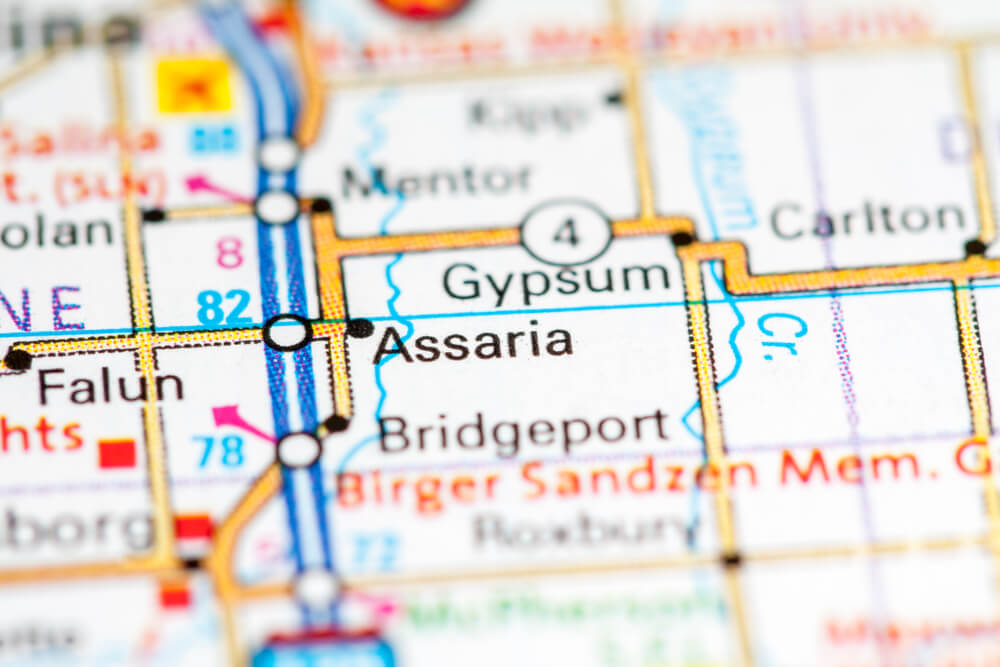
According to the USGS, the epicenter of the earthquake was located about 5 kilometers east of Assaria, Kansas, with coordinates placing it just outside Salina. The quake’s shallow depth of 9.1 kilometers helped make it noticeable to residents across the area.
According to local reporting, the tremor was felt by dozens of people in and around Salina, Lindsborg, and Assaria. Although a 3.5 magnitude quake is typically too weak to cause structural damage, it can produce noticeable shaking indoors, rattling windows and startling those who are not used to seismic events in the region.
Data compiled by VolcanoDiscovery shows that since 2025, the Assaria area has experienced multiple small quakes, including several above magnitude 3.0. While these events remain moderate, they point to ongoing, low-level seismic activity in what many consider a stable part of the country.
The Ancient Rift Beneath the Midwest
To understand why Kansas can shake at all, scientists look far back in time. More than a billion years ago, a massive crack known as the Midcontinent Rift System nearly split North America apart. This rift stretched roughly 1,800 miles and was fueled by magma rising through fractures in the crust.
Although the rifting eventually stopped, likely due to powerful mountain-building forces during the Grenville Orogeny, the volcanic rocks and structural weaknesses remained. In some areas, especially near Lake Superior, ancient lava flows are still visible. Elsewhere, including parts of Kansas, the rift lies buried under layers of sediment but can be detected through gravity and magnetic surveys.
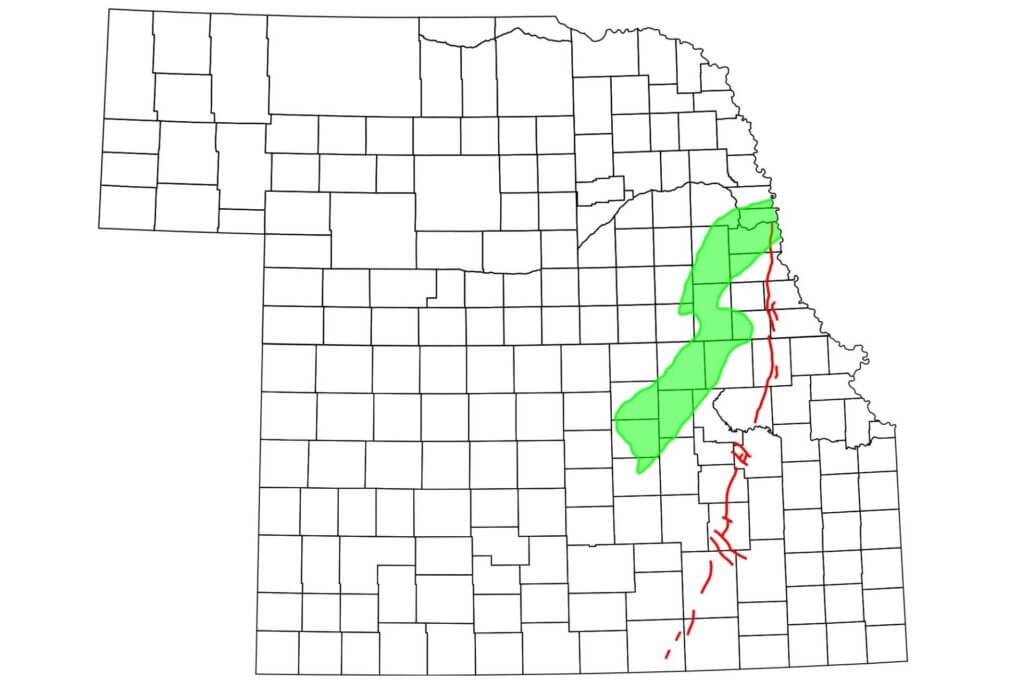
In Kansas, the Humboldt Fault Zone forms part of this deeper geologic framework. The fault originated around 1.1 billion years ago during the Midcontinent Rift event and later experienced reactivation during different tectonic periods. Even though it is considered relatively quiet today, it has produced historic earthquakes, including a magnitude 5.0 to 5.5 event in 1867 near Manhattan, Kansas.
Why Long-Dormant Volcanoes and Faults Still Matter
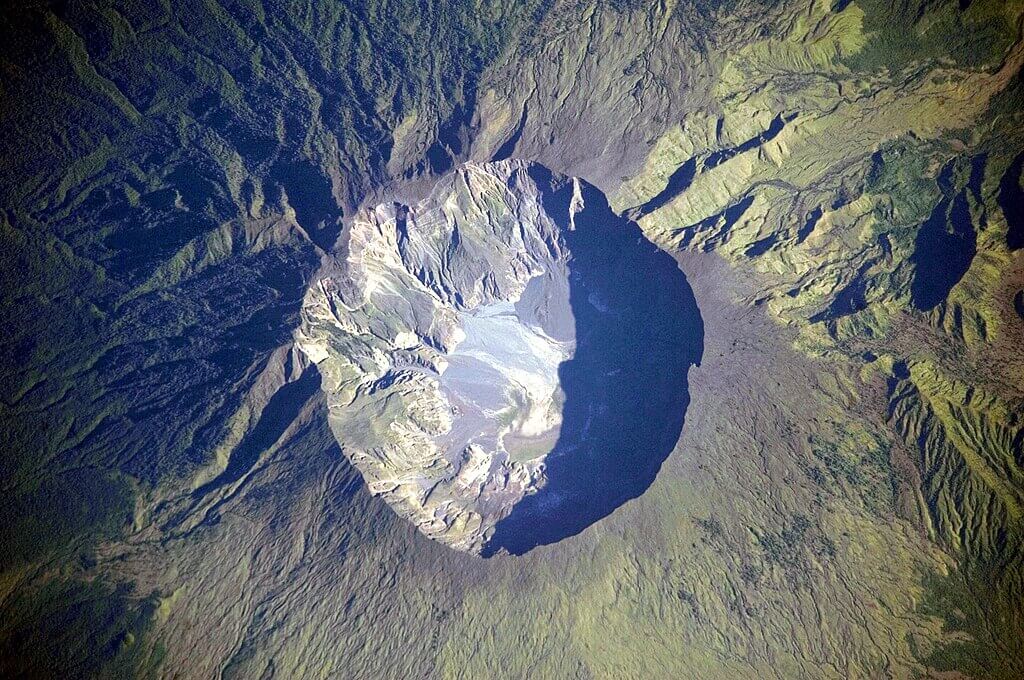
It is important to clarify that Kansas is not home to active, surface volcanoes. The volcanic activity tied to the Midcontinent Rift occurred over a billion years ago. However, the deep structures created during that time still shape the crust today.
The Humboldt Fault Zone, which runs from Nebraska through Kansas into Oklahoma, is a complex system of faults formed and reactivated over multiple geologic eras. Seismic reflection data show deep block faulting and evidence of ancient volcanic intrusions at depths between 10 and 35 kilometers. While major movement has been limited in recent geologic time, small quakes continue to cluster along the zone.
Modern monitoring indicates that the region carries a low to moderate seismic risk. Historical records and microearthquake data suggest that while large quakes are infrequent, moderate events remain possible. For residents, that means awareness is more important than alarm. Even in the quiet plains of the Midwest, the Earth’s ancient history can still make itself felt.