

Products are selected by our editors, we may earn commission from links on this page.
If you regularly ship packages through USPS, you may soon notice higher costs. For the first time in its history, the U.S. Postal Service is planning to add a fuel surcharge to certain deliveries. While the change may sound small at first, it reflects larger shifts happening behind the scenes. Rising fuel prices and growing financial pressure are now directly affecting what customers pay at the counter.
What Exactly Is Changing
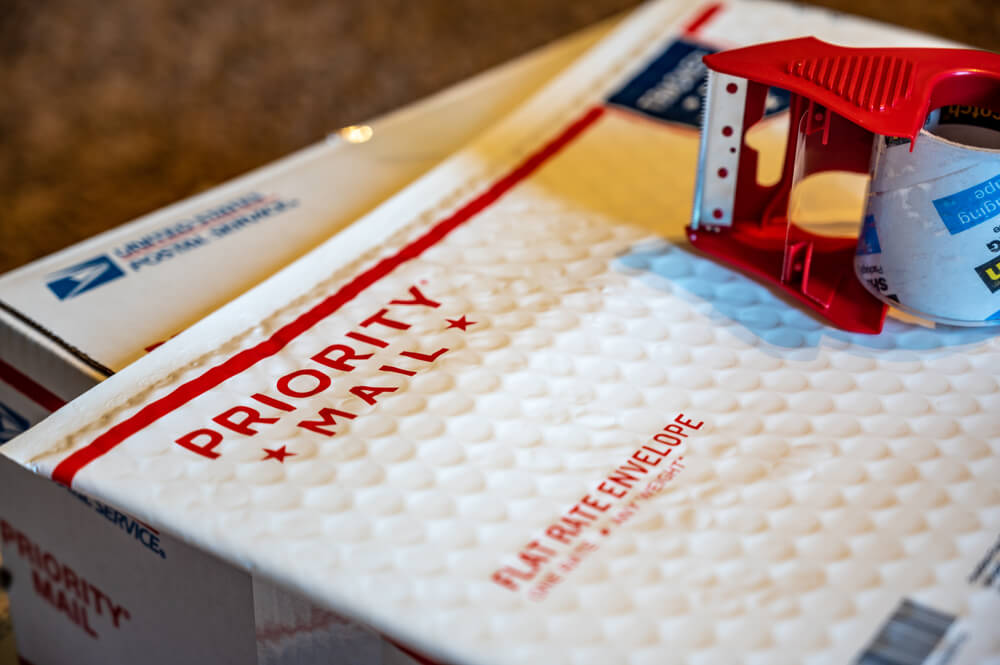
To begin with, USPS is proposing an 8% fuel surcharge on many of its package services. This fee would apply to common options like Priority Mail, Priority Mail Express, USPS Ground Advantage, and Parcel Select. However, it is important to note that standard mail, such as first class letters and stamps, will not be affected by this change.
When the New Prices Could Start
If approved by regulators, the surcharge is expected to take effect on April 26, 2026. It is not intended to be permanent. Instead, USPS says the increase would remain in place until January 17, 2027. After that, the agency may decide whether to continue, adjust, or remove the added cost depending on market conditions.
Why USPS Is Adding the Fee Now
So why is this happening now? The main reason is rising transportation costs. Fuel prices have increased sharply in recent months, making it more expensive to move packages across the country. As a result, USPS says it needs this surcharge to better match its costs and avoid financial strain while continuing to operate nationwide delivery services.
The Role of Global Events

At the same time, global events have played a major role in pushing fuel prices higher. Oil prices have jumped significantly following conflict involving Iran, which has disrupted supply and increased costs worldwide. In fact, oil prices rose more than 40% during this period, directly impacting shipping and logistics expenses.
How Much More You Might Pay
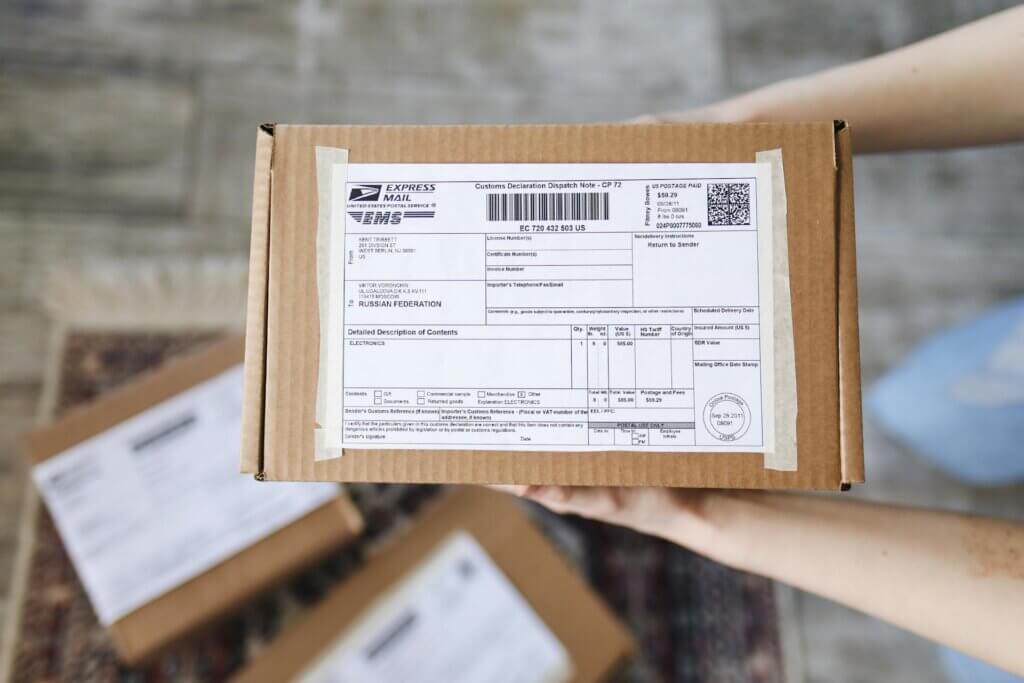
For everyday customers, the increase may seem small but can add up quickly. For example, a small flat rate box could rise by about one dollar, while larger packages may cost several dollars more. Over time, especially for small businesses or frequent shippers, these added costs could have a noticeable impact on budgets.
USPS Is Catching Up to Competitors
Interestingly, USPS has avoided fuel surcharges for years, even as competitors like FedEx and UPS have used them regularly. However, those companies have also increased their surcharges recently due to the same fuel price pressures. In comparison, USPS says its new fee is still lower than what many competitors charge, helping it remain competitive despite the change.
A Sign of Bigger Financial Challenges
Beyond fuel costs, this move also highlights deeper financial issues within USPS. The agency has reported billions in losses and continues to face long term challenges. In fact, leadership has warned that without changes, USPS could run out of cash within the next year. This surcharge is one of several steps aimed at keeping the system running.
Why the Change Is Temporary
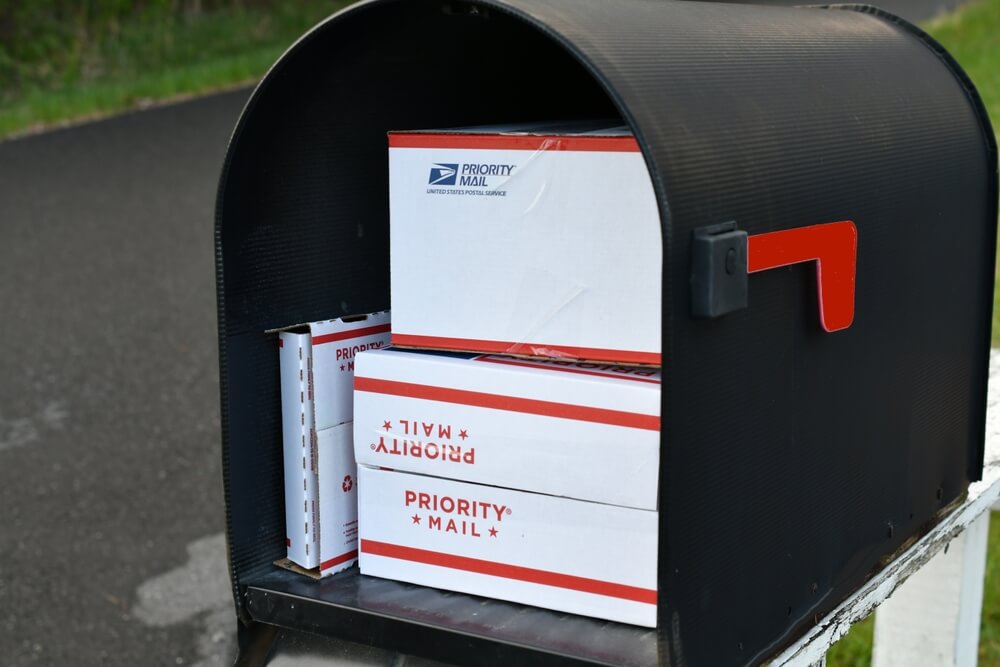
Even though the surcharge is new, USPS is describing it as a temporary solution. Officials say it is meant to act as a bridge while they work toward a more stable pricing system that reflects real market conditions. In other words, this may not be the last adjustment customers see, but it is part of a larger plan to stabilize the agency’s finances.
What This Means Moving Forward
This change signals a shift in how USPS handles rising costs. Customers may need to adjust expectations when it comes to shipping prices, especially during periods of economic uncertainty. At the same time, the move shows that even long standing institutions must adapt to changing conditions. For now, sending a package may cost a little more, but it also reflects the real price of keeping deliveries moving across the country.