

Products are selected by our editors, we may earn commission from links on this page.
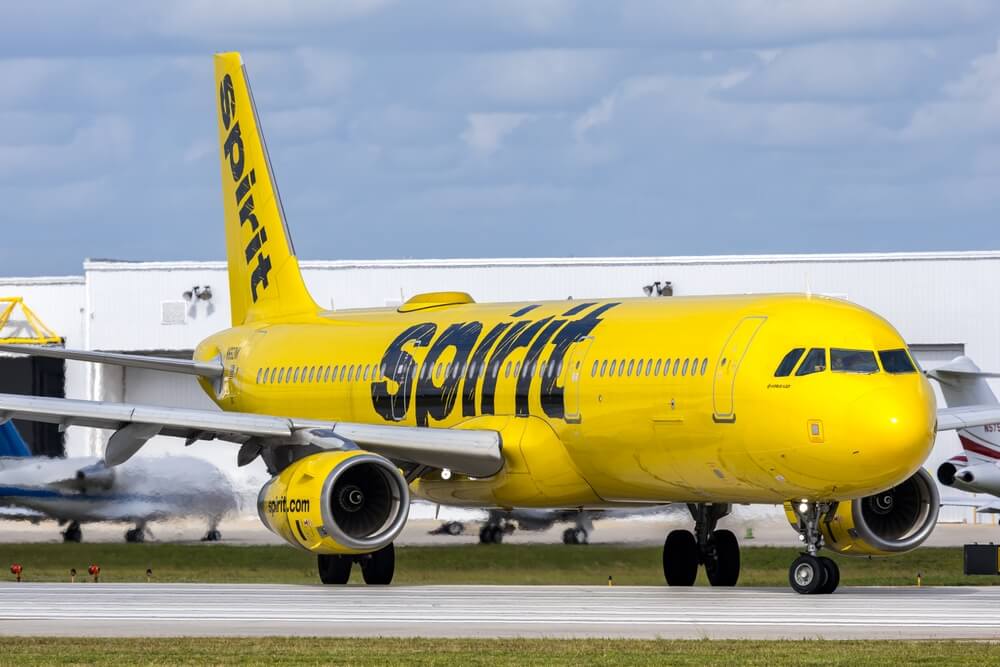
Spirit Airlines has spent months on the brink. Now, after slashing billions in debt and striking a new deal with creditors, the budget carrier says it has a real shot at survival. For travelers who have watched the airline stumble through bankruptcy headlines, the big question is simple: Is Spirit finally stabilizing, or just buying time?
A Make-or-Break Moment
Spirit announced a restructuring deal that would cut its debt and lease obligations from $7.4 billion to $2.1 billion, a dramatic reset for a company that had filed for Chapter 11 protection more than once in recent years. The agreement, reached with creditors, is designed to help the airline emerge from bankruptcy later this year as a leaner operation. CEO Dave Davis said the goal is to position Spirit as “a strong, leaner competitor” that can still offer the low fares customers expect.
What Bankruptcy Really Means for Travelers
Bankruptcy in aviation does not automatically mean planes stop flying. The U.S. Department of Transportation explains that airlines often continue operating during Chapter 11 proceedings while they. In Spirit’s case, the airline has repeatedly assured customers that flights, bookings, and loyalty programs would continue during the restructuring process.
Why Spirit Got Into Trouble
Spirit’s problems did not begin overnight. The airline struggled with mounting losses, failed merger attempts, and rising costs in a post-pandemic travel market that shifted toward more premium experiences. A federal judge blocked its proposed merger with JetBlue in early 2024, ruling that the deal would reduce competition and harm consumers, leaving Spirit without the financial lifeline it had hoped for.
Cutting Flights to Stay Afloat
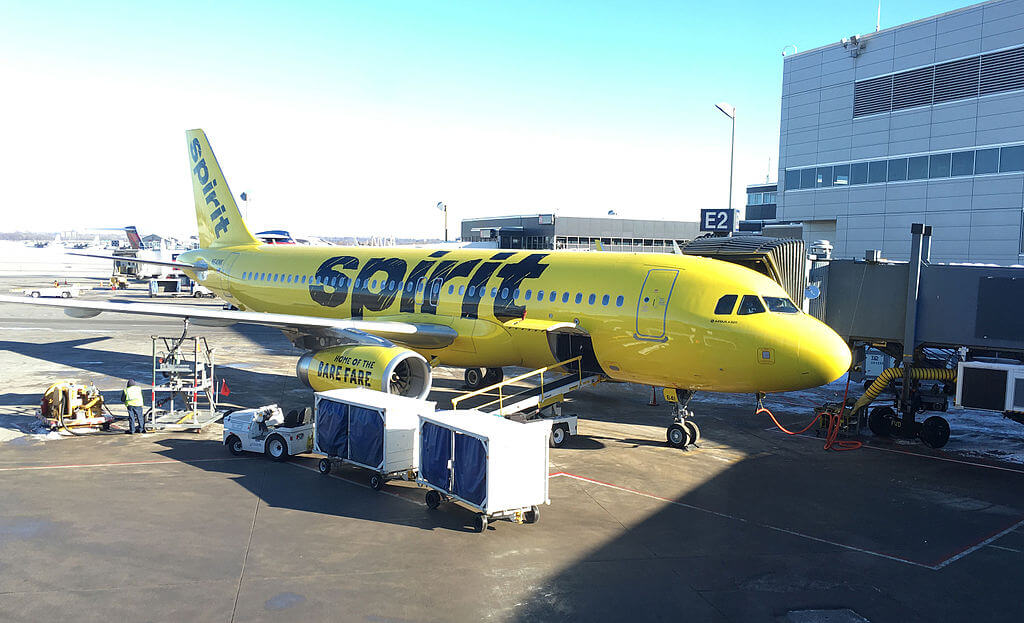
To survive, Spirit is shrinking. The airline plans to slash flights and reduce its Airbus fleet as part of its effort to emerge from bankruptcy as early as spring. CEO Dave Davis told CNBC that the airline will focus on key hubs such as Fort Lauderdale, Orlando, the New York area, and Detroit, while trimming less profitable routes.
A Smaller Workforce
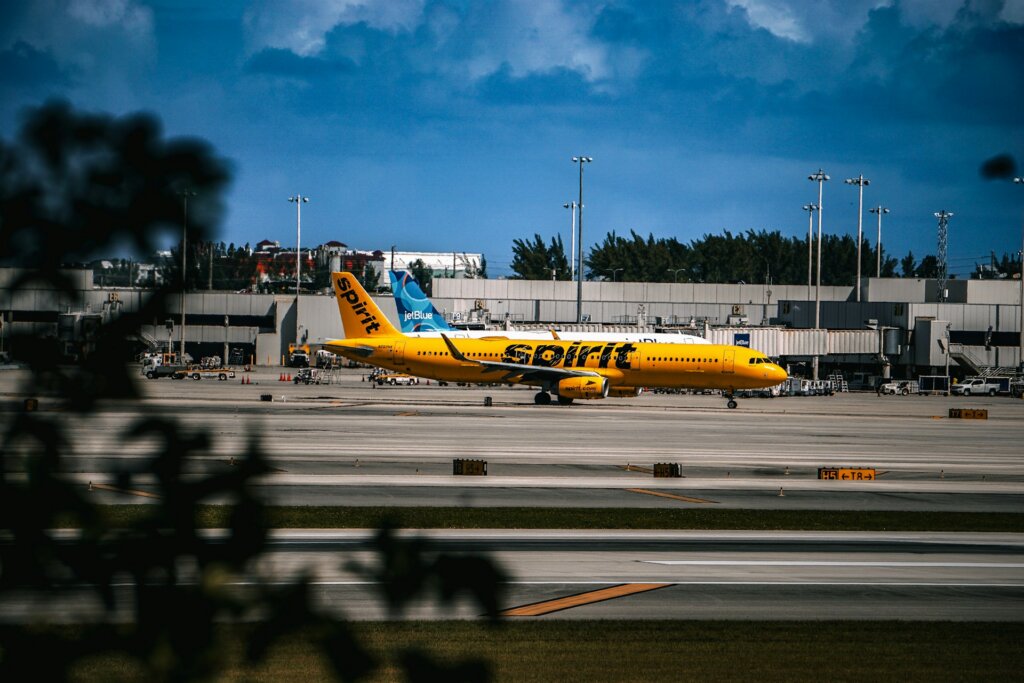
The restructuring has also meant job cuts. In January, Spirit cut 200 jobs across multiple departments as part of an $80 million cost-reduction plan. Company leaders described the reductions as “a necessary step” toward running a smaller airline and restoring financial stability.
A Second Bankruptcy Shock
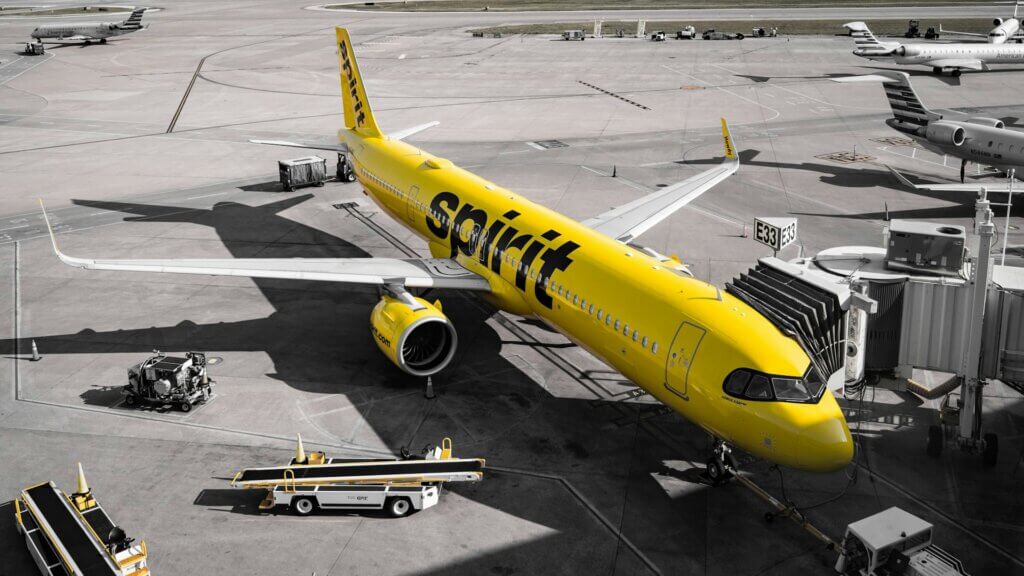
Spirit’s road has been especially turbulent because this is not its first Chapter 11 filing. The airline sought fresh bankruptcy protection after dwindling cash and mounting losses derailed earlier turnaround efforts. While operations continued, the repeated filings shook investor confidence and raised doubts about long-term viability.
Why Spirit Still Matters
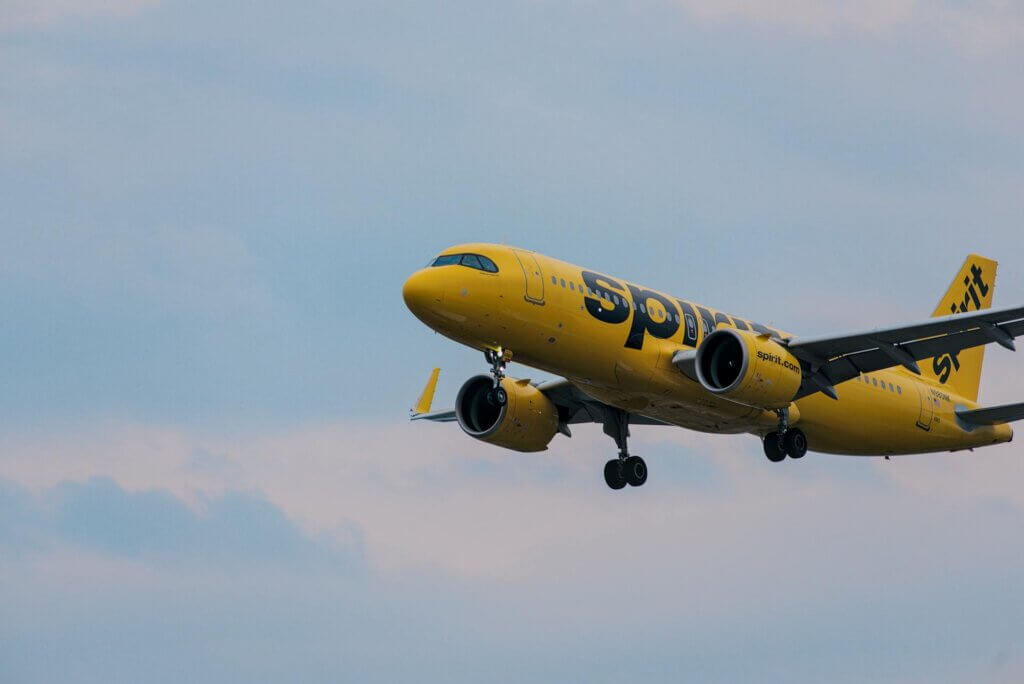
Even travelers who have never flown Spirit may feel its impact. Analysts note that Spirit’s ultra-low-cost model forces larger carriers to offer basic economy fares to stay competitive. CEO Dave Davis argued that without airlines like Spirit, fares across the industry would be “substantially higher”.
Can the New Plan Work?
The restructuring includes fresh liquidity from lenders and cost reductions that could stabilize the balance sheet. Still, Spirit faces strong competition from larger airlines that have adopted similar low-cost fare structures, along with higher labor and maintenance expenses that have challenged the ultra-low-cost model.
What It Means for Passengers Now

For now, Spirit says customers can continue booking flights and using loyalty points without interruption. The DOT advises travelers to monitor flight status and keep documentation in case of significant changes during bankruptcy proceedings. The airline expects to complete restructuring and emerge from Chapter 11 later this year, though it will likely look very different from the Spirit passengers once knew.
A Leaner Future
Spirit’s new deal gives it breathing room. With billions wiped off its balance sheet and a tighter route network, the airline is betting that smaller can mean stronger. Whether that strategy delivers long-term stability will depend on consumer demand, cost control, and Spirit’s ability to compete in an industry that has grown even tougher.