

Products are selected by our editors, we may earn commission from links on this page.
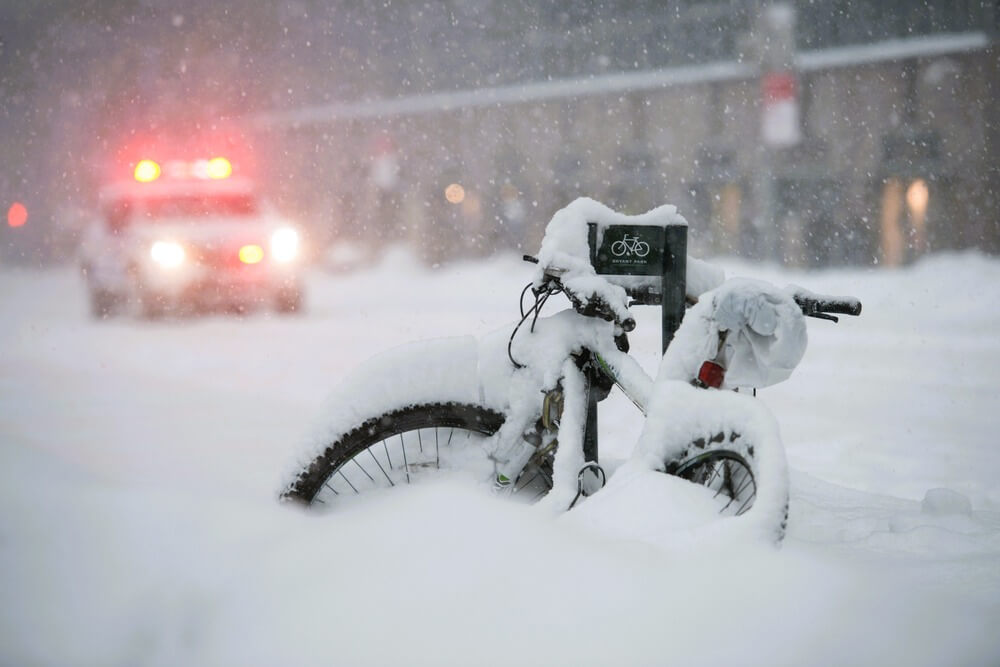
More than 40 million people across the Northeast found themselves under blizzard warnings as a rapidly intensifying nor’easter tore up the East Coast, shutting down cities from Philadelphia to Boston. Governors in at least seven states declared states of emergency, urging residents to stay off roads as heavy snow and powerful winds battered the region.
The storm, described by the National Weather Service as a “classic bomb cyclone/nor’easter,” strengthened rapidly off the North Carolina coast before pushing north. Forecasters warned that bands of moderate to heavy snow would rotate across the Interstate 95 corridor, with snowfall rates reaching 1 to 3 inches per hour in some areas.
By the time it reached southern New England, the blizzard had become one of the strongest in a decade. Meteorologists reported that more than 90 centimeters of snow fell in parts of the metropolitan Northeast, immobilizing transit systems, closing schools and forcing widespread flight cancellations.
Record-Breaking Snowfall Paralyzes Major Cities
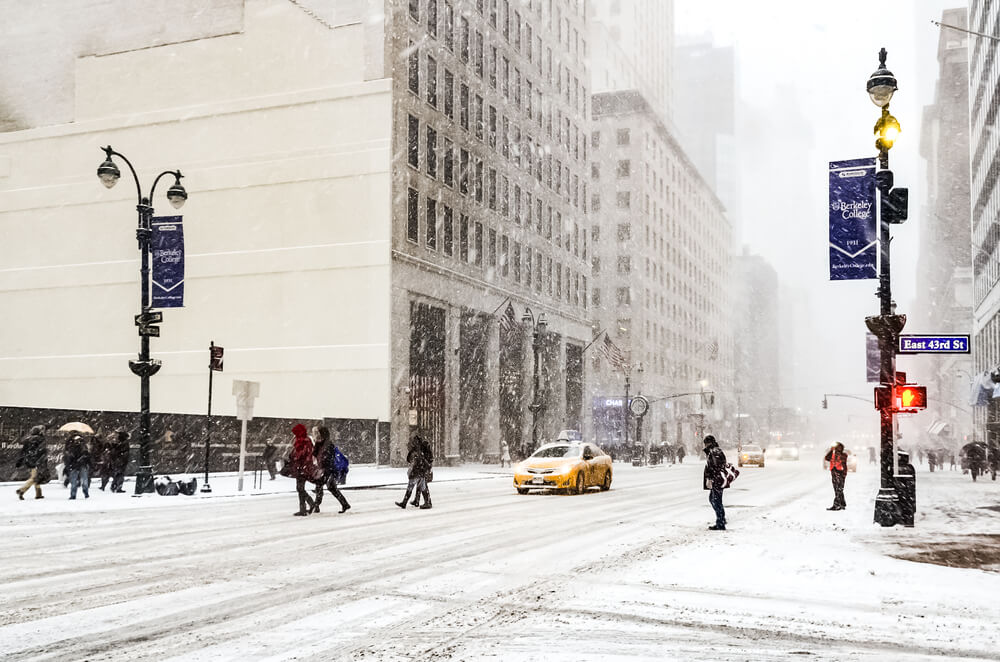
The numbers were historic. Central Park recorded 19.7 inches of snow, the most at New York City’s official reporting station from a single storm in more than a decade. Newark measured 23 inches after a persistent snow band stalled overnight, while Islip on Long Island reported 22.5 inches by early Monday.
In Providence, Rhode Island, nearly 38 inches fell during the earlier phase of the system, shattering a 48-year snowfall record. Rhode Island’s T.F. Green International Airport registered 83 centimeters, forcing a temporary suspension of operations. Boston saw close to 17 inches, pushing seasonal totals nearly 10 inches above average after what forecasters called the most active winter in recent years.
Meteorologists described the storm as one of the most intense nor’easters in recent memory, with sustained winds creating near-whiteout conditions across parts of coastal New England. Heavy snowfall combined with strong gusts to produce drifts several feet high, leaving roads impassable and forcing transit systems to suspend service across major metropolitan areas
Travel Bans, Power Outages and Widespread Disruption
With snow piling up and wind gusts exceeding 50 miles per hour in parts of New England, officials imposed strict travel restrictions. New York City Mayor Zohran Mamdani ordered a citywide ban on non-essential vehicles, calling the Monday commute “extremely dangerous.” “I am asking all New Yorkers to stay inside and stay off the roads for your safety,” he said at a briefing reported by NBC News.
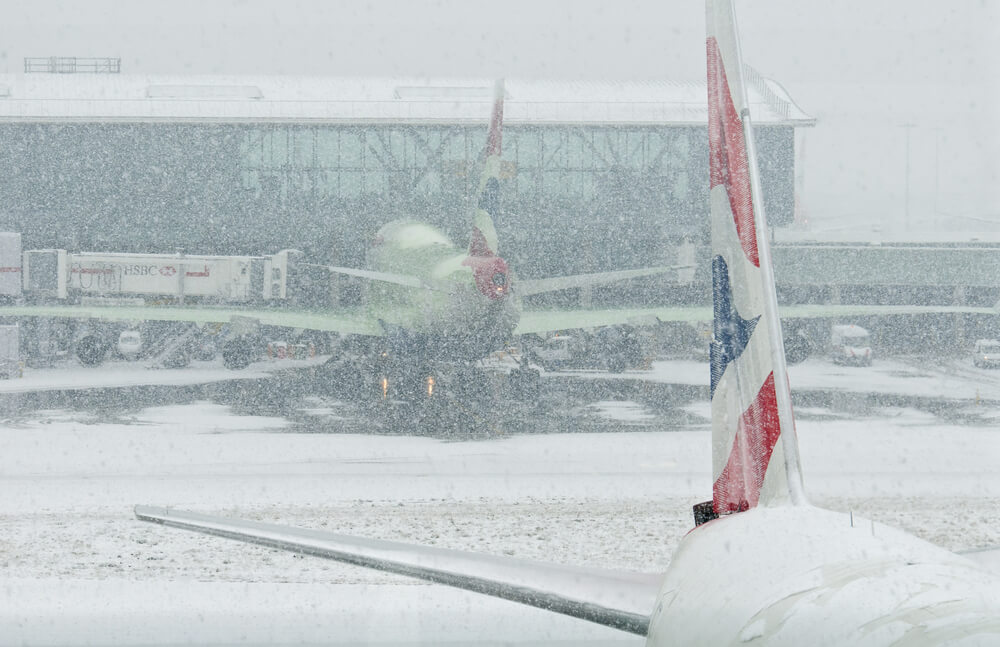
Air travel ground to a halt. More than 5,600 flights in or out of the United States were canceled on Monday, with thousands more delayed. Airports in New York, New Jersey and Boston accounted for the majority of disruptions, and Amtrak announced route adjustments due to hazardous conditions.
Power outages compounded the chaos. More than 500,000 customers across the East Coast lost electricity as heavy, wet snow weighed down trees and power lines. Public transit systems struggled to operate. The Long Island Rail Road was suspended, several subway lines reported severe delays and public schools in New York City and Boston were closed for what Mamdani called the city’s first “old-school snow day” since 2019.
Digging Out as More Snow Looms
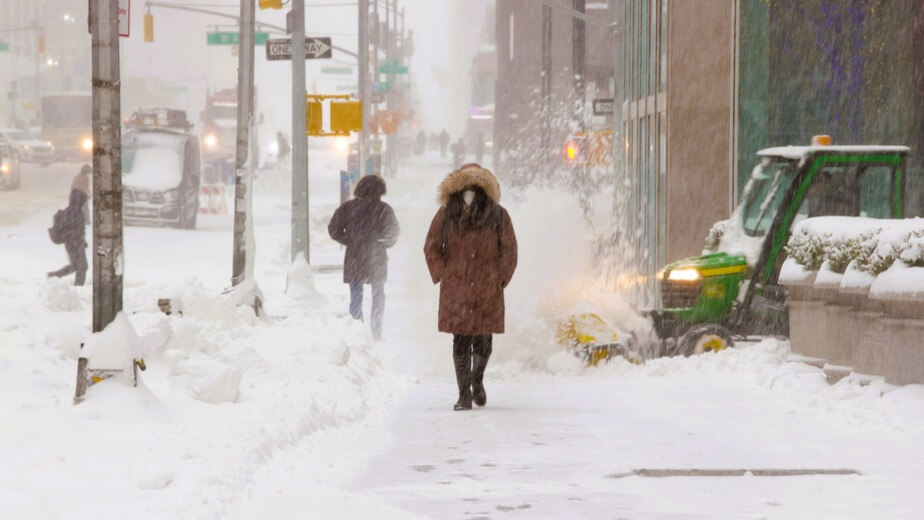
As the heaviest bands began to taper, cities faced the daunting task of digging out. “It will probably take a week to dig out [the snow],” Bob Oravec, a meteorologist with the Weather Prediction Center, told ABC News. In Lower Manhattan, snow shovelers outnumbered office workers as residents cleared sidewalks and bus stops.
Officials mobilized emergency resources to accelerate recovery. New York City hired emergency shovelers at $30 an hour to clear public spaces, and Governor Kathy Hochul activated the National Guard to assist in response efforts across Long Island and the lower Hudson Valley. Warming centers opened in several major cities for residents without heat.
Even as snowplows worked around the clock, forecasters warned that another system could arrive later in the week. FOX Weather reported that a fast-moving clipper system was already bringing fresh flurries to parts of the interior Northeast, adding to accumulations and hampering commutes in cities still buried under record snowfall. For millions across the East Coast, the blizzard’s immediate fury had passed, but its impact remained etched into streets, rooftops and daily life.