

Products are selected by our editors, we may earn commission from links on this page.
Winter electric bills are arriving with numbers many households have never seen, and the reaction has been immediate as some statements cross the $1,000 mark. As temperatures drop across much of the United States, families run heaters longer, and that higher usage now meets rates that have climbed 21% in three years.
As those totals circulate online, frustration spreads quickly across Reddit, Nextdoor, and TikTok. In Pittsburgh, one homeowner reported an $800 charge, and in Ohio, a TikTok user said her January bill reached $1,013 and cut into her grocery budget. As more users post screenshots, a shared pattern emerges, and the conversation moves toward how prices escalated.
As federal data shows average residential rates rising from 13.66 cents per kilowatt hour in 2021 to 16.48 cents in 2024, monthly bills follow the same path. As utilities fund grid upgrades and meet rising demand, households face a higher baseline that magnifies every cold stretch.
Rising Residential Electricity Rates Since 2021
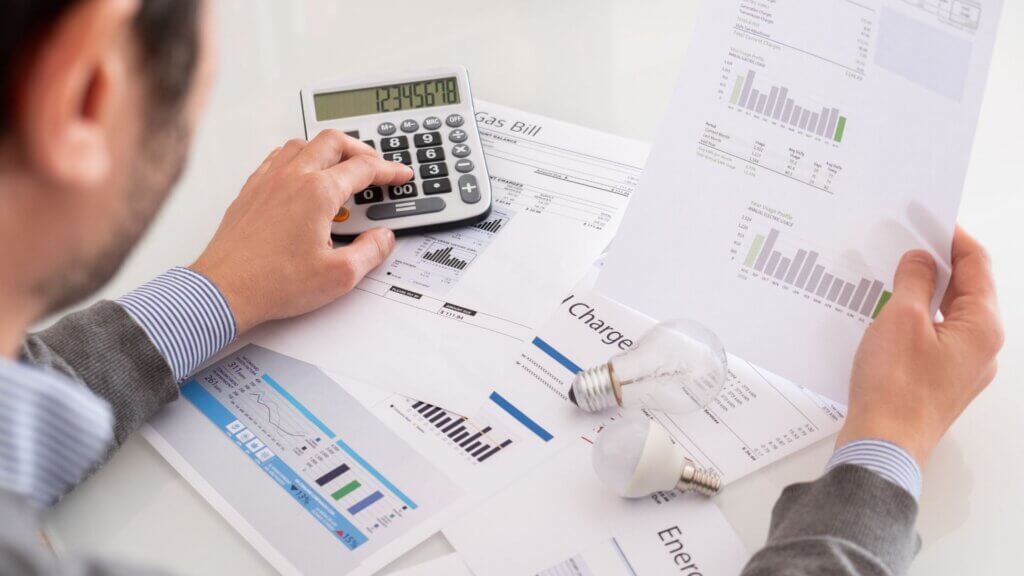
Electricity prices have climbed steadily since 2021, and that upward movement now shows up clearly in monthly household bills. Federal data places the average residential rate at 13.66 cents per kilowatt hour in 2021 and 16.48 cents in 2024, which amounts to a roughly 21% increase in three years. That rise pushed the average monthly bill from $121 in 2021 to $144 in 2024, and those figures reflect standard usage before extreme weather drives consumption higher.
At the same time, utilities have layered rate hikes, fuel adjustments, and service fees onto base charges, which have lifted total household costs beyond the posted per-kilowatt-hour price. Consumer advocates estimate that overall residential electricity expenses have climbed close to 30% since 2021, once those additions are included. Those increases accumulate quietly over billing cycles, and they set a higher starting point for every household before seasonal demand intensifies.
Meanwhile, utilities continue replacing aging transmission lines and upgrading grid controls, and they recover those capital expenses through long-term rate structures. Growing demand from electrification and expanding data centers requires new generation and transmission, and that expansion feeds further cost recovery into monthly statements.
Data Centers And Electrification Drive New Power Demand

Electricity demand is climbing again, and much of that growth now ties to large data centers built to power artificial intelligence and cloud computing. Those facilities run continuously, and their steady load requires utilities to secure dependable generation rather than rely on short-term supply. As clusters of server campuses expand in certain regions, local grids must adjust capacity plans to keep up.
Electric vehicles and electric heating systems add further pressure as more households connect daily activity to the grid. Greater electrification raises overall consumption even when devices operate efficiently, and that higher baseline reshapes peak demand forecasts. Utilities respond by updating long-term projections, and those revised forecasts guide new construction decisions.
Meeting that rising demand requires additional generation, expanded transmission lines, and upgraded substations designed for heavier flows. Utilities recover those capital investments through regulated rates, and customers repay the costs gradually through monthly bills over many years.
A Higher Baseline For Household Energy Costs

Electric bills are moving into a different range, and that higher baseline now shapes how families plan monthly budgets. Regulators in multiple states have approved multi-year rate increases tied to grid upgrades and new generation, and those approvals lock in cost recovery well beyond a single winter. As utilities file additional cases to fund reliability standards and reserve margins, more adjustments are already scheduled to appear on future statements.
At the same time, capacity market payments are climbing in regions that rely on competitive power markets, and those charges filter down into retail rates over time. Grid operators are tightening reliability requirements after recent extreme weather events, and that tightening means generators receive compensation simply to remain available during peak demand. As those obligations expand, customers absorb the fixed costs through delivery and supply charges.
Meanwhile, regulators are debating how to balance affordability with infrastructure mandates, and some states are reviewing bill assistance programs and rate design structures. Consumer advocates are pushing for closer scrutiny of utility spending proposals, and that scrutiny could influence how quickly new costs reach households in the years ahead.