

Products are selected by our editors, we may earn commission from links on this page.

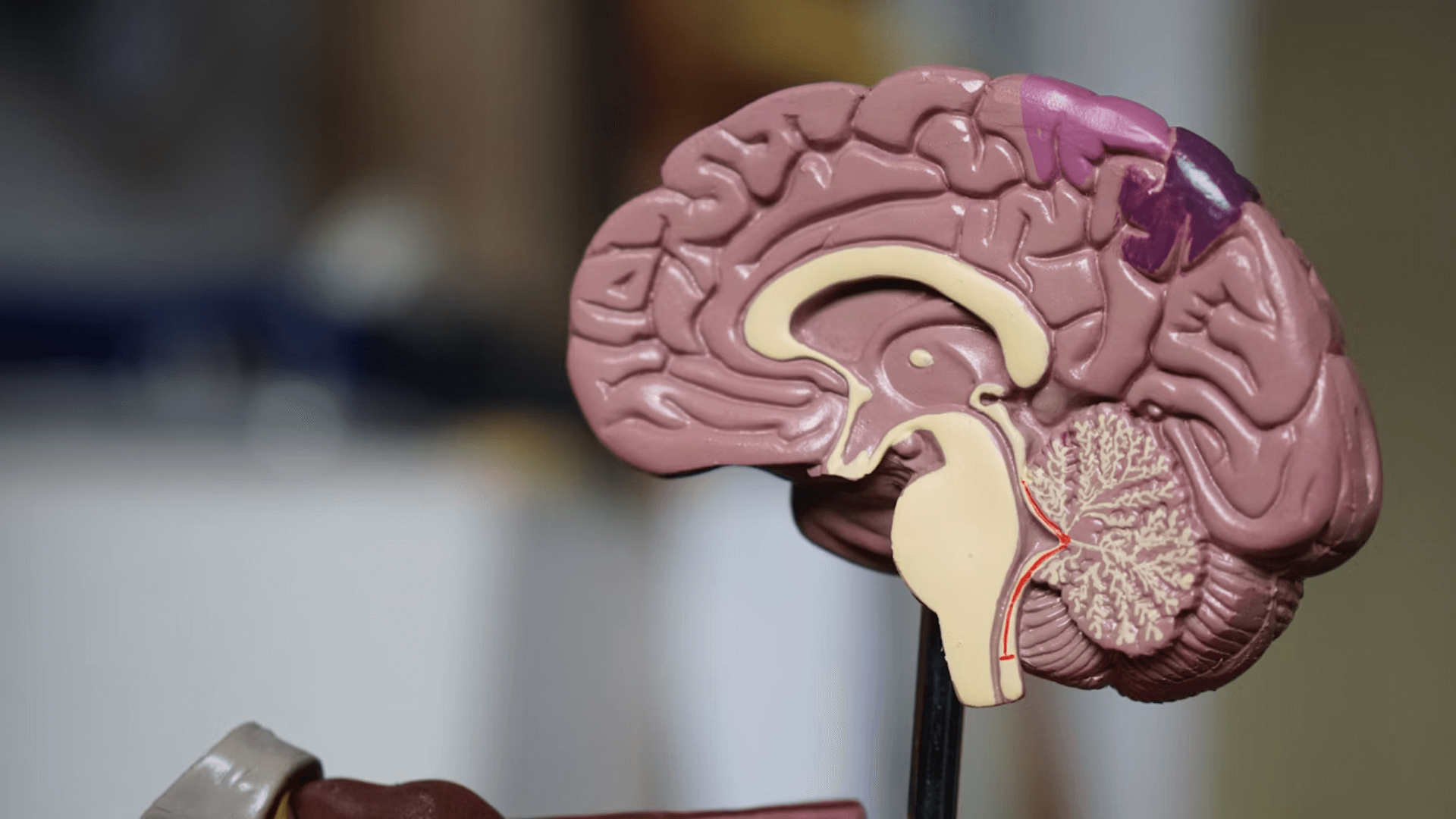
For decades, the human brain was described as a complex but largely predictable organ, governed by electrical impulses and chemical reactions. Today, that view is rapidly evolving. Recent investigations are revealing patterns of activity that do not fit neatly into established models of memory, identity, and awareness. Researchers have begun to encounter phenomena that feel like a hidden doorway within cognition, subtle mechanisms that challenge long held assumptions about how the mind truly works.
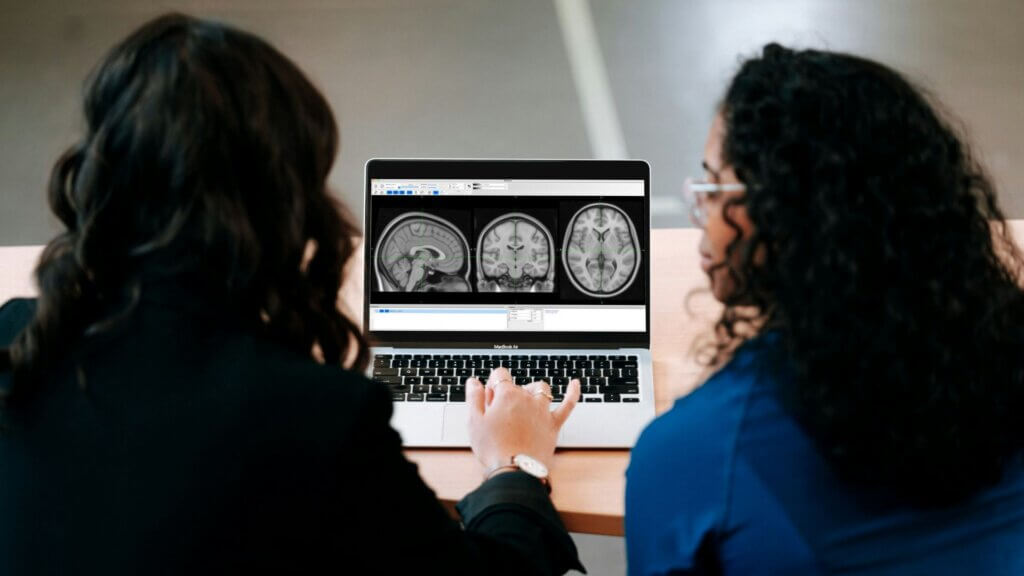
Advances in imaging technology now allow scientists to observe neural activity in real time, tracking how thoughts form and dissolve across interconnected regions. These tools have uncovered unexpected levels of plasticity and adaptability, suggesting that mental processes are far more dynamic than previously believed. Instead of isolated compartments responsible for specific tasks, the brain appears to operate as a deeply integrated system, constantly reshaping itself.
This shift in understanding is not speculative. It is grounded in peer reviewed studies and clinical applications that are already transforming neuroscience. What once sounded philosophical, questions about consciousness and personal identity, is becoming the subject of measurable, testable inquiry.
When memory and consciousness refuse simple explanations
One of the most surprising discoveries involves memory formation. Scientists once thought memories were stored in stable neural locations, almost like files in a cabinet. New evidence indicates that memories are reconstructed each time they are recalled, subtly changing with every retrieval. This fluid nature raises complex questions about reliability, perception, and even personal narrative.
Consciousness presents an even greater puzzle. Despite decades of research, no single theory fully explains how subjective experience emerges from neural activity. Some recent studies have identified patterns that correlate strongly with awareness, yet they stop short of clarifying why these patterns produce a sense of self. The so called hidden door may lie in this gap between measurable brain signals and lived experience.
These findings are prompting scientists to revisit foundational theories. Rather than reducing the mind to isolated circuits, many researchers now approach it as an emergent phenomenon, shaped by interaction, context, and continuous adaptation. The implications extend beyond laboratories into psychology, education, and even ethics.
Technology and biology begin to merge

Another dimension of this transformation involves the growing integration of technology with neural systems. Brain mapping techniques, once limited to static scans, now provide detailed insight into active networks during movement, speech, and decision making. This level of precision has opened the door to medical interventions that were unimaginable just a generation ago.
Neural implants, for example, have restored partial mobility in patients with spinal injuries and have enabled communication for individuals with severe paralysis. These developments illustrate how the boundary between organic tissue and digital interface is becoming increasingly permeable. The brain is not only being studied, it is being augmented and supported through engineered solutions.
Such progress requires careful interpretation. While the breakthroughs are significant, experts emphasize the importance of measured expectations. Responsible communication helps ensure that enthusiasm does not overshadow the complexity and ethical considerations surrounding these innovations.
Rethinking what it means to have a mind
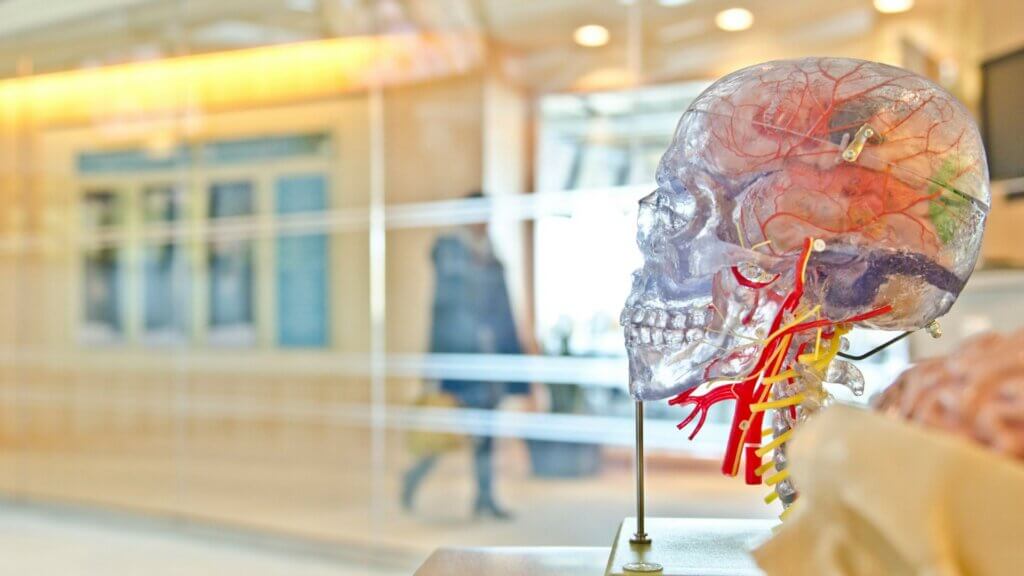
As research continues, the broader question becomes unavoidable. If memory is flexible, if consciousness remains partially unexplained, and if technology can interact directly with neural circuits, then the traditional separation between mind and matter appears less rigid than once believed. The phrase mind over matter begins to carry a more literal resonance.
Scholars across disciplines are now collaborating to interpret these developments, combining neuroscience with philosophy, cognitive science, and artificial intelligence. This interdisciplinary effort reflects a growing recognition that understanding the mind requires more than one perspective. It demands both empirical rigor and conceptual clarity.
The hidden door within the human mind may not represent a single discovery, but rather an ongoing invitation to explore deeper layers of cognition. As evidence accumulates, one thing becomes clear. The story of the brain is far from complete, and each new insight reshapes how humanity understands itself.