

Products are selected by our editors, we may earn commission from links on this page.
For the first time since the International Space Station began operations more than two decades ago, NASA has confirmed that an active crew is preparing for an early return to Earth due to a medical situation in orbit. The unprecedented decision marks a significant moment in human spaceflight, highlighting both the risks of long-duration missions and the agency’s emphasis on astronaut safety above all else.
The announcement was made after NASA canceled a scheduled spacewalk, a move officials described as a precautionary response to a crew member’s health condition. Although details remain limited, agency leadership emphasized that the situation required careful assessment rather than immediate alarm, underscoring a methodical and measured approach.
NASA Administrator Jared Isaacman explained that the decision to bring Crew 11 home ahead of schedule was taken after internal medical and operational reviews. According to NASA, the next steps for a safe return are being coordinated, with mission planners evaluating landing windows and existing recovery sites to ensure a controlled and secure descent.
Headline: Who Is Aboard the ISS Right Now
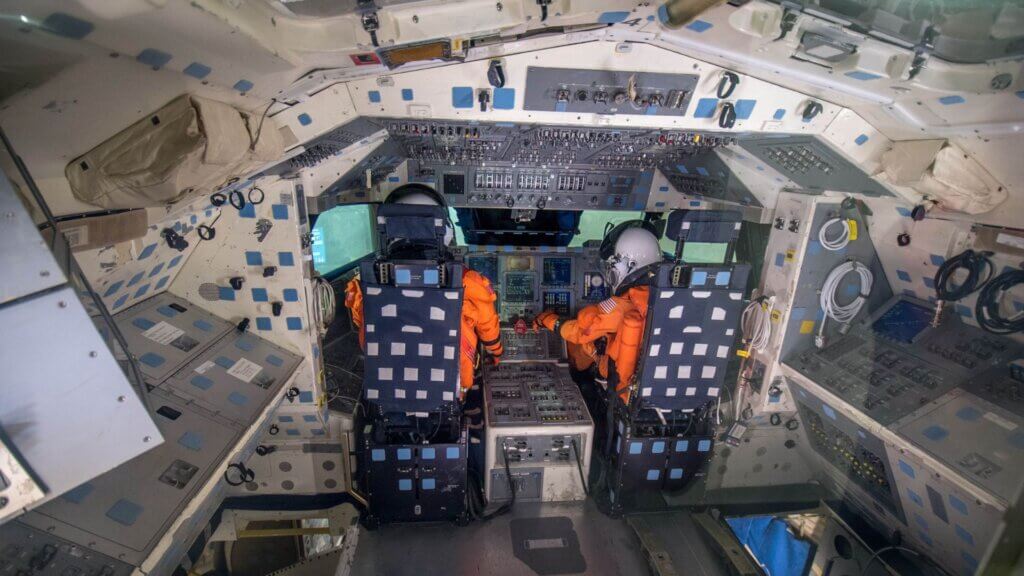
Crew 11 is composed of four experienced spacefarers representing multiple international partners. The team includes NASA astronauts Zena Cardman and Mike Fincke, Japanese astronaut Kimiya Yui, and Russian cosmonaut Oleg Platonov, reflecting the collaborative nature of the ISS program.
Their mission was recently reinforced by the arrival of Japanese astronaut Koichi Wakata and NASA astronaut Chris Williams, who reached the station aboard a Russian Soyuz spacecraft in November 2025. NASA confirmed that Williams will remain on the station with the Soyuz crew, ensuring continuous U.S. presence and operational stability on board.
While the identity of the astronaut affected by the medical issue has not been disclosed, NASA officials have stated that the individual is being monitored and supported by fellow crew members. Transparency, they noted, is being balanced with privacy and medical ethics.
Headline: What NASA Has Said About the Medical Emergency

NASA’s chief medical officer, Dr. James Polk, clarified that the condition does not pose an immediate threat to the astronaut’s life. He explained that medical complications can be especially challenging in microgravity, where the human body behaves differently and even routine issues may require additional caution.
Dr. Polk also stressed that the situation is unrelated to station operations or the canceled spacewalk. No extraordinary measures are currently needed to protect the crew member, and their condition has been described as stable while evacuation logistics are finalized.
Although this marks the first time an ISS crew has been sent home early for medical reasons, NASA has long prepared for such scenarios. Every mission includes contingency plans and return vehicles on standby, a reminder that redundancy and foresight are essential components of spaceflight safety.
Closing Headline: Why This Decision Matters for Future Missions

Crew 11 arrived at the ISS in August 2025 and was originally scheduled to return in late February, following the arrival of Crew 12 aboard a SpaceX Dragon capsule. NASA has indicated that any adjustments to the Crew 12 timeline will not affect other major programs, including the Artemis II mission planned for early 2026.
Isaacman emphasized that Artemis II and ISS operations are separate efforts, with independent teams and objectives. The Artemis mission, which aims to send astronauts around the Moon for the first time since 1972, remains on track despite the developments aboard the station.
The incident also highlights the irreplaceable role humans play on the ISS. Astronauts are essential for maintenance, scientific research, life-support management, and spacewalks, tasks that cannot yet be fully automated. While rare, medical challenges in orbit serve as a reminder that human space exploration demands constant vigilance, adaptability, and a readiness to act when circumstances change.