

Products are selected by our editors, we may earn commission from links on this page.
A recent genetic investigation has reshaped the story of our beginnings, revealing that every person alive today descends from two ancient human groups that lived apart for nearly a million years. Through advanced DNA analysis, researchers traced the moment when these long-separated lineages met again, a reunion that changed early humanity and laid the foundation for the species we are today.
A Hidden Chapter in Human Origins
For many years, the prevailing idea was that humans emerged from a single ancestral source in Africa. New genomic evidence now presents a more layered and intriguing story. Two distinct human groups evolved independently for vast stretches of time, eventually reconnecting and creating the shared ancestry carried by every population on Earth.
The Power of Vast Genetic Archives
To uncover this evolutionary journey, researchers studied hundreds of ancient and modern genomes, carefully analyzing patterns across continents and eras. Their work revealed consistent signals of dual ancestry, uncovering genetic traces that remained unnoticed in traditional models. This meticulous approach allowed scientists to revisit long-held assumptions and refine our understanding of early evolution.
Two Lineages Shaped by Different Worlds
One lineage likely developed within Africa, shaped by its diverse climates and shifting environments. The second group appears to have lived beyond the continent, possibly in regions with colder temperatures or unique ecological pressures. Over hundreds of thousands of years, each followed a separate path, accumulating traits shaped by their distinct surroundings.
A Reunion That Influenced Human Evolution
When these two groups encountered each other again, their interbreeding created a powerful genetic exchange. The combination of traits may have enhanced adaptability, resilience, and cognitive capacity, helping early humans thrive in a wide range of environments. This merging was not a sudden moment but a gradual process that slowly transformed our species.
Genetic Traces That Connect Us All

The evidence of this ancient reunion remains embedded in our genomes. Patterns found across global populations show signatures that cannot be explained by chance or recent migration alone. These shared markers point to a deep, ancient blending of two long-separated lineages, a connection that still unites all modern humans.
Africa’s Enduring Evolutionary Influence
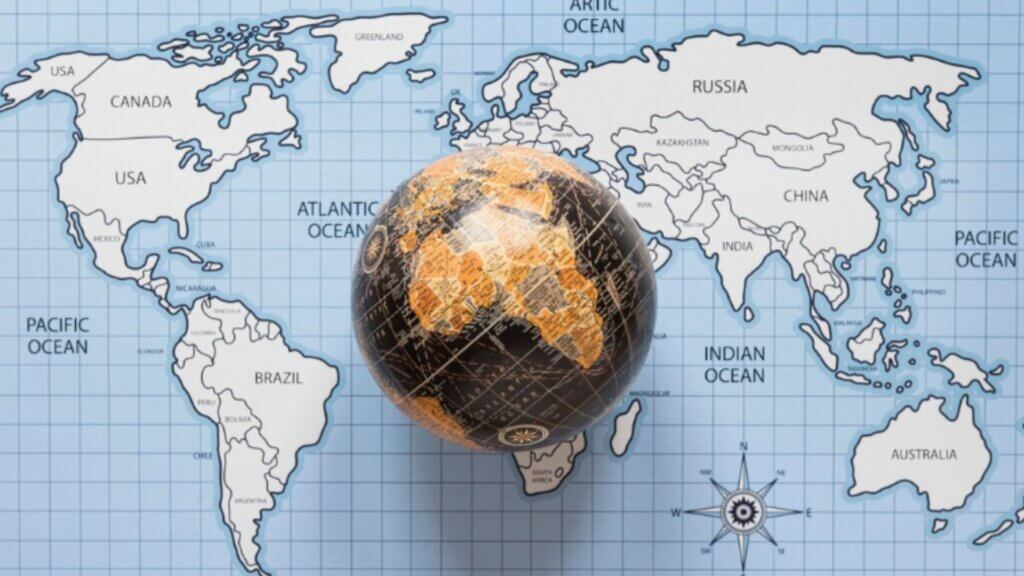
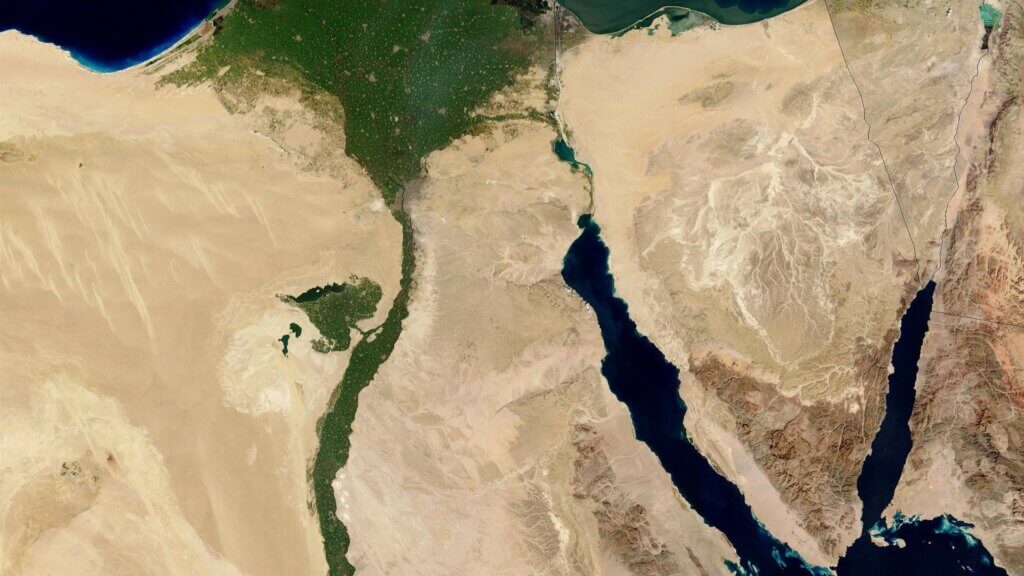
The larger of the two ancestral groups most likely thrived in Africa, a region whose unparalleled genetic diversity has long been central to human development. Its members carried adaptations that proved vital for survival. When they later met their distant relatives, the resulting genetic exchange strengthened the foundation for humanity’s expansion across different continents.
The Elusive Second Group
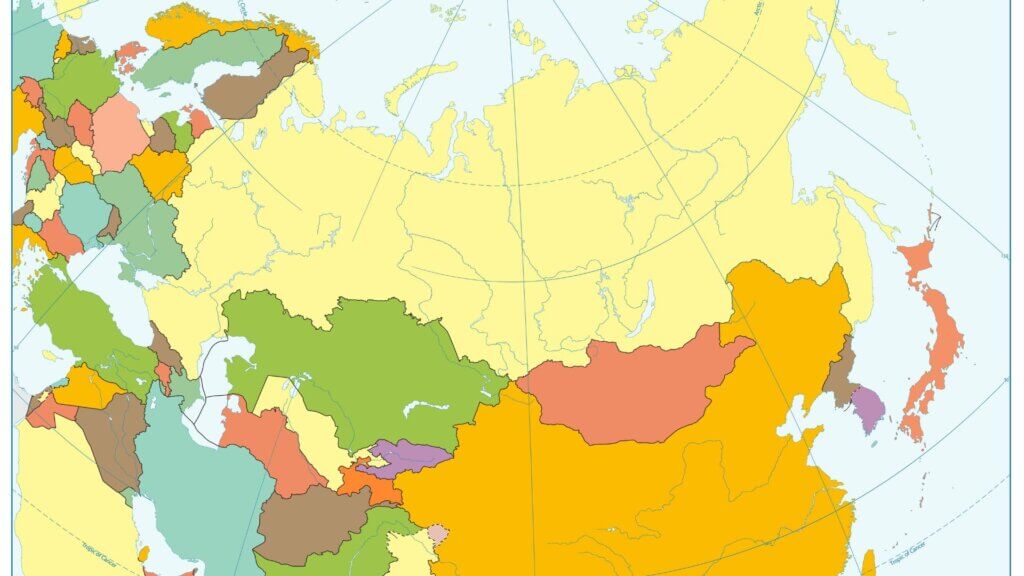
The location of the smaller ancestral population remains more uncertain. It may have existed somewhere in Eurasia, nearby regions, or transitional zones that connected continents. Despite disappearing physically, its genetic contribution endures in traits related to immunity, physiology, and subtle variations seen among modern populations. Its legacy survives in every human genome.
Technology’s Role in Reconstructing the Past
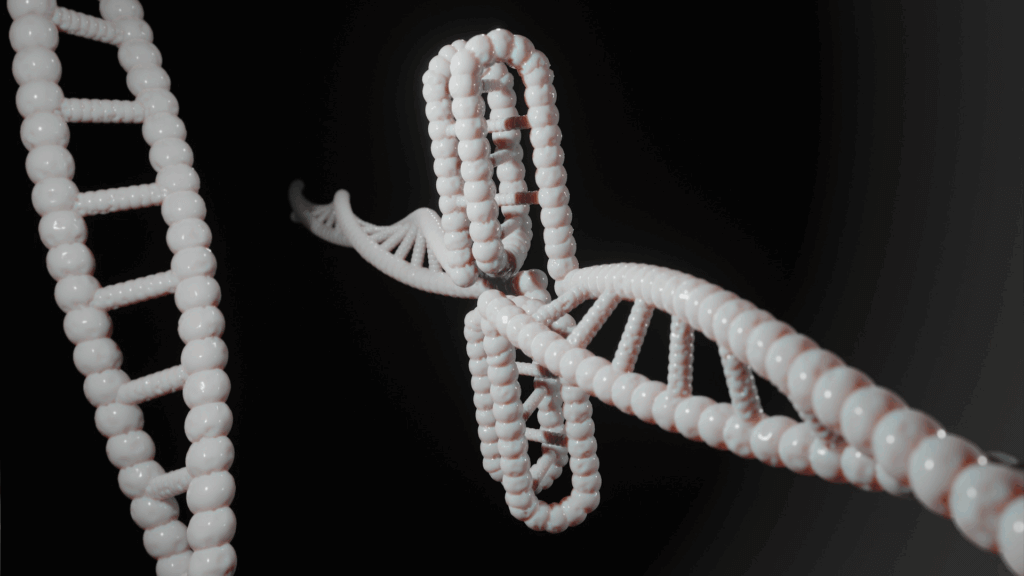
Artificial intelligence played a crucial role by evaluating millions of evolutionary models, identifying the scenario that best matched the genetic data. This technological approach allowed researchers to peer deeper into human origins than ever before, reconstructing ancient timelines through digital patterns rather than relying solely on fossils. It represents a remarkable step in understanding our earliest chapters.
A New Look at the Human Family Tree

These discoveries suggest that human evolution was not a straight line but a web of separate branches that eventually reconnected. Far from replacing the idea of African origins, this perspective enriches it, revealing a vibrant narrative of movement, diversity, and reunion. Humanity emerged through the convergence of distinct groups whose strengths combined to shape our species.
The Legacy That Lives in Us

Many modern human traits, from biological resilience to cognitive development, reflect this ancient genetic fusion. Although people vary across regions and cultures, the similarities inherited from those long-ago lineages far outweigh the differences. Our shared ancestry is a reminder that every person alive today carries the imprint of a remarkable reunion that shaped the course of human history.