

Products are selected by our editors, we may earn commission from links on this page.

California’s proposed 5% tax on residents worth more than $1 billion has already prompted action beyond public debate. As momentum built behind the measure, some of the state’s wealthiest residents began calculating what a one-time levy on net worth could cost them. Those projections quickly turned into relocation plans as buyers looked for ways to establish residency outside California before deadlines took effect.
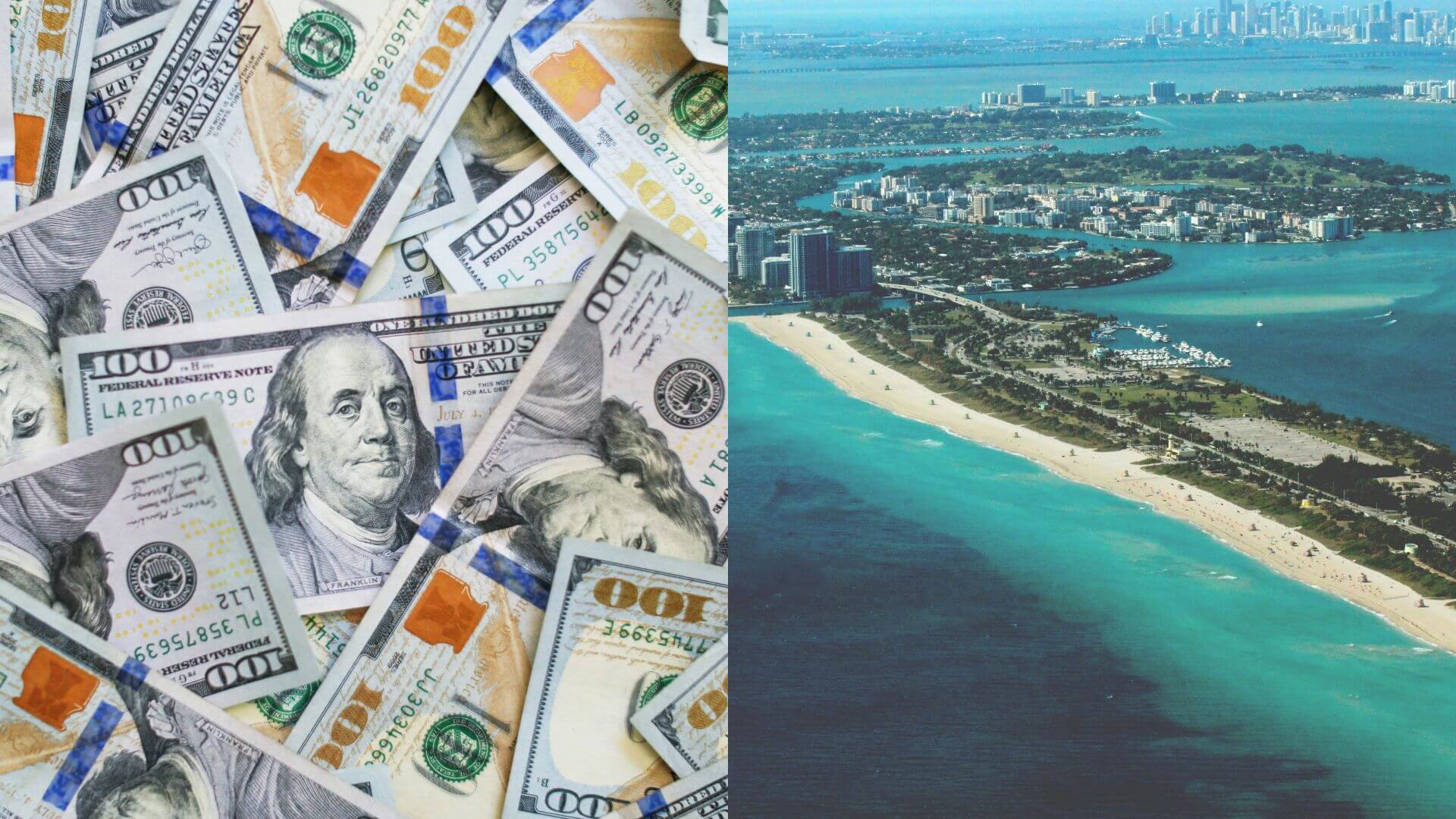
That urgency surfaced in South Florida, where luxury broker Julian Johnston says clients flew into Miami, purchased property, and closed within seven days. He’s now working with three billionaires relocating from California, many of them tech founders and venture capital leaders who had rarely spent extended time in the city. Conversations that began at events like Art Basel continued through private gatherings, and those discussions centered on limiting potential tax exposure tied to Jan. 1, 2026, residency rules.
Florida stands out because residents who live there at least 183 days a year pay no state income tax, and that framework aligns with an existing concentration of venture capital firms and executives in Miami. As more high-net-worth individuals secured property, their networks followed, reinforcing a migration tied directly to fiscal policy. The movement now reflects how quickly capital can relocate when proposed legislation alters financial expectations.
Seven-Day Property Closings Signal Rapid Relocation

As California’s proposed 5% wealth tax gained momentum, some high-net-worth residents chose speed over debate and began securing property in South Florida within days. Luxury broker Julian Johnston said a few flew into Miami, bought homes, and closed within seven days, and that rapid action created what he described as a tipping point among their peers. Once a handful of completed purchases, others moved quickly to avoid remaining California residents on Jan. 1, 2026.
Johnston explained that urgency centered on projected exposure, with one client estimating the tax could reach $5 billion, which reframed the discussion from policy to immediate financial planning. As conversations continued at private gatherings and industry events, buyers focused on renting or purchasing property outside California to establish residency before year-end deadlines.
Momentum built as friends and business partners coordinated timelines, and that coordination compressed transactions that typically stretch over months into a single week. Real estate activity followed those conversations closely, reflecting how rapidly relocation plans turned into signed contracts.
Florida Residency Rules And Venture Capital Clustering

Florida requires residents to live in the state at least 183 days a year to avoid state income tax, and that rule has drawn attention from California billionaires reviewing their exposure under the proposed 5% levy. Since the measure would apply to residents as of Jan. 1, 2026, relocation plans now revolve around where the primary domicile stands on that date.
As buyers establish residency, they’re also positioning themselves near peers who have already made the move. Julian Johnston said many of the individuals relocating come from Palo Alto and venture capital circles, and they prefer to remain around others in the same network. That preference has concentrated activity in South Florida rather than scattering it across multiple states.
Miami’s growth over the past decade has reinforced that clustering. Executives who once treated the city as a brief stop now see it as a base where business ties, lifestyle, and tax structure align with long-term residency plans.
Capital Mobility Tests State Revenue Assumptions

As more high-net-worth residents reconsider where they claim domicile, lawmakers must now account for how quickly capital can relocate when tax exposure increases. Conversations among those leaving California have included the idea that if enough of them depart, state revenue projections could change in ways officials did not anticipate.
That possibility has entered private discussions, where some billionaires have suggested they would consider returning only after reforms address their concerns about long-term fiscal policy. Their relocation does not end with property purchases, since investment capital and business expansion plans often follow the individual, and that movement influences where future funding, hiring, and development occur.
Florida, meanwhile, stands to capture more than new homeowners, because continued net migration over the next 20 years could reshape its tax base, infrastructure spending, and political priorities. As companies and founders concentrate in Miami, state-level policy in both California and Florida will likely adjust in response to how wealth responds to taxation.