

Products are selected by our editors, we may earn commission from links on this page.
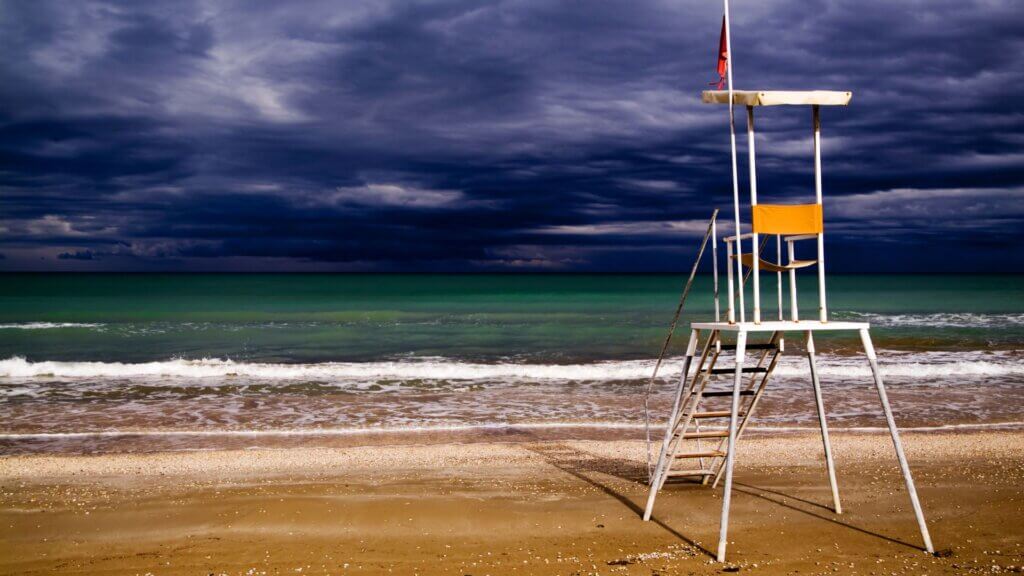
A vast stretch of the Pacific shoreline has shifted from a winter backdrop to a zone of real concern in a remarkably short time. From California through Oregon and into Washington, residents and visitors are being urged to stay away from beaches as ocean conditions grow increasingly deceptive. Calm surfaces can conceal sudden surges capable of reaching far beyond the usual waterline.
What makes this situation especially troubling is how quickly danger can emerge. A routine walk near the shore, a photo taken too close to the surf, or a brief stop near rocks can become life-threatening within seconds. Authorities stress that visual calm should not be mistaken for safety.
The advisory reflects an unusual alignment of conditions affecting nearly the entire coastline at once. Rather than isolated trouble spots, the warning points to a shared risk that demands broad awareness and restraint from anyone near the ocean.
One Coastline, Shared Threat
This event stands apart from typical high-surf days because of its scale. Weather alerts now overlap across hundreds of miles, creating a continuous stretch of shoreline under similar advisories. Beaches separated by long distances are experiencing comparable risks at the same time.
For travelers and locals alike, this removes the option of simply choosing a different coastal destination. Conditions in Southern California mirror those farther north, increasing the likelihood of encountering hazardous waves regardless of location.
Officials emphasize that familiarity with a beach does not reduce the danger. Areas that usually feel predictable can behave in unexpected ways under these conditions, making caution essential everywhere along the coast.
The Power Behind the Waves

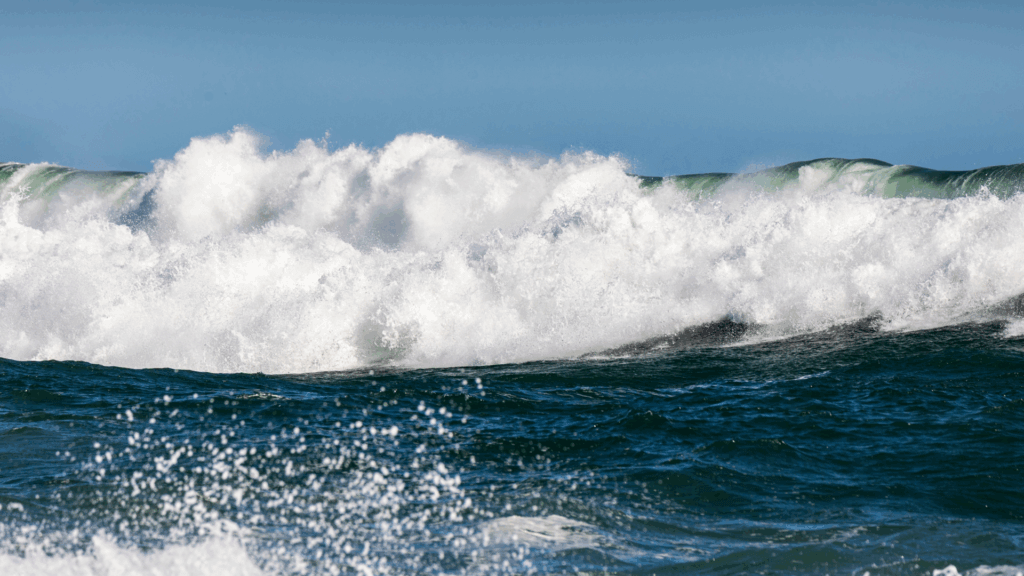
The primary threat comes from long-period swells generated far out in the Pacific Ocean. These waves carry more stored energy than typical surf, allowing them to travel farther inland and strike with greater force once they reach land.
Because of their spacing, these swells often arrive after quieter intervals, creating a false sense of security. When a larger set appears, it can rush across sand, rocks, and access points that are normally dry.
Recent high tides have further increased vulnerability. Saturated beaches, weakened dunes, and eroded edges make it easier for incoming waves to reach places that rarely see water, amplifying the overall risk.
A Rare Warning With Lasting Implications
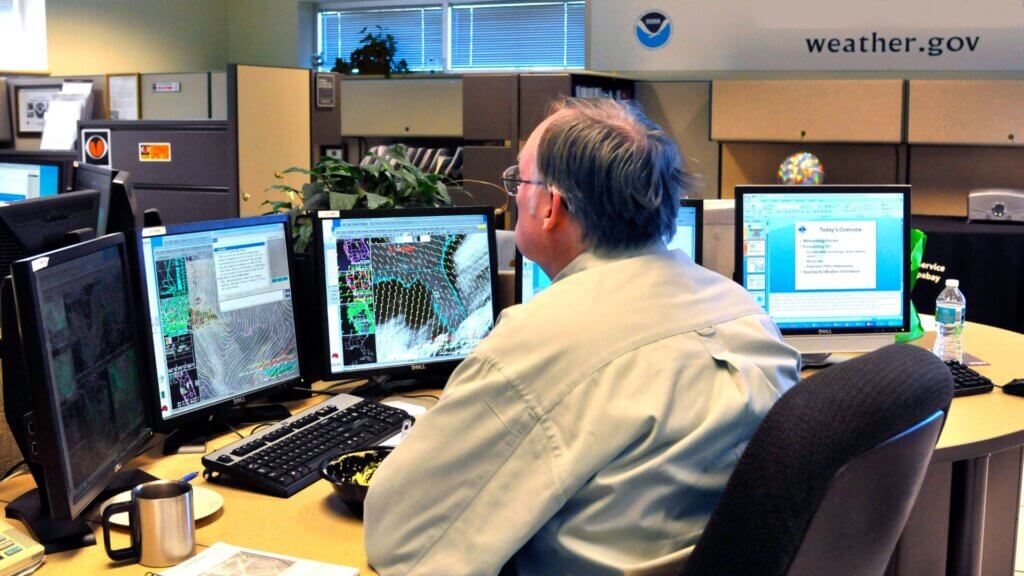
Meteorologists describe this coast-spanning alert as uncommon, noting that simultaneous hazards across California, Oregon, and Washington do not happen often. The reach of the warning reflects the strength of the distant storm system that set these swells in motion days earlier.
Communities along the coast are already feeling the strain after recent storms and flooding. Beyond infrastructure concerns, officials remain focused on preventing injuries and loss of life, given the well-documented dangers associated with sudden wave surges.
This event serves as a clear reminder that the Pacific can shift from inviting to dangerous without warning. Treating official advisories as firm limits, rather than casual suggestions, may be the most effective way to stay safe during episodes like this.