

Products are selected by our editors, we may earn commission from links on this page.
Something enormous may be sitting far below Hawaii, quietly shaping what happens at the surface. Deep beneath the islands, scientists are examining a dense region near the planet’s core that appears more solid than expected. That finding changes how researchers think about the heat feeding Hawaii’s volcanoes. As new seismic methods sharpen the picture, attention turns to how ancient material buried miles down could keep volcanic activity focused in one place for millions of years.
The Mega Ultralow Velocity Zone Beneath Hawaii
Deep below the Hawaiian Islands, scientists have identified a massive structure resting near the boundary between the mantle and the core. Research describes it as a mega ultralow velocity zone, a region where earthquake waves slow dramatically as they pass through dense material. That slowdown offers clues about its makeup, which appears solid and iron-rich. Those traits connect closely to how heat concentrates beneath Hawaii and sustains volcanic activity over long periods.
How Iron-Rich Material Affects Mantle Heat Flow

Iron-rich material conducts heat differently than the surrounding mantle rock, which helps explain why the heat beneath Hawaii stays focused. That conductivity allows warmth to spread through the blob instead of dissipating sideways, keeping the rising hot material concentrated. Over time, that focused heat feeds a long-lived plume beneath the islands. Researchers link those properties to the iron content identified through seismic modeling, which connects physical composition to sustained volcanic output.
Why Seismic Waves Slow Near the Core Mantle Boundary
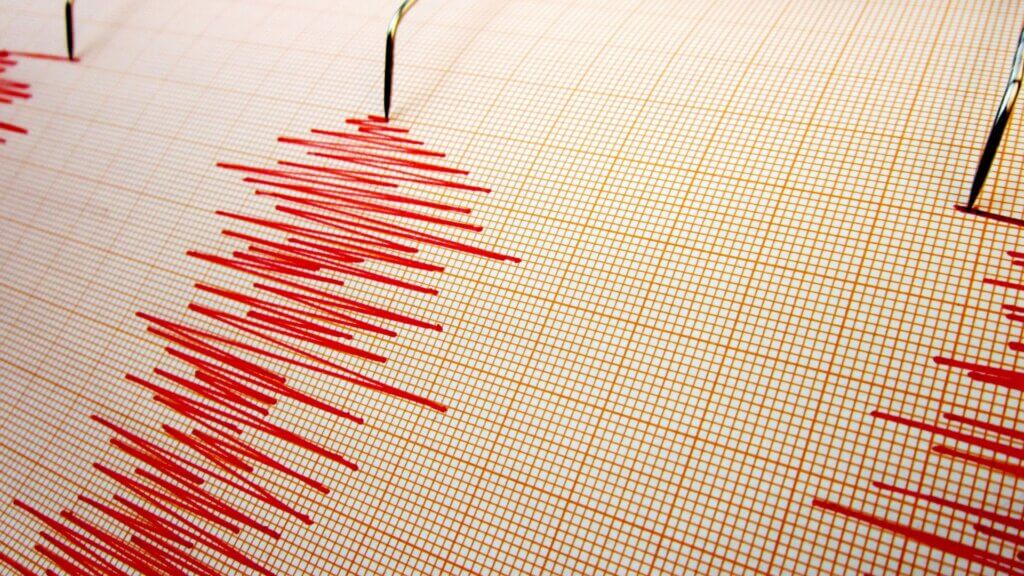
Near the boundary between the core and mantle, earthquake signals behave differently as they pass through unusually dense material. Researchers observe compressional and shear waves losing speed as they cross this region, which points to changes in composition rather than temperature alone. That slowdown leads scientists to infer higher iron content and solid structure, since those properties alter how energy moves through rock deep inside the planet.
Using P Waves and S Waves to See Deeper Underground
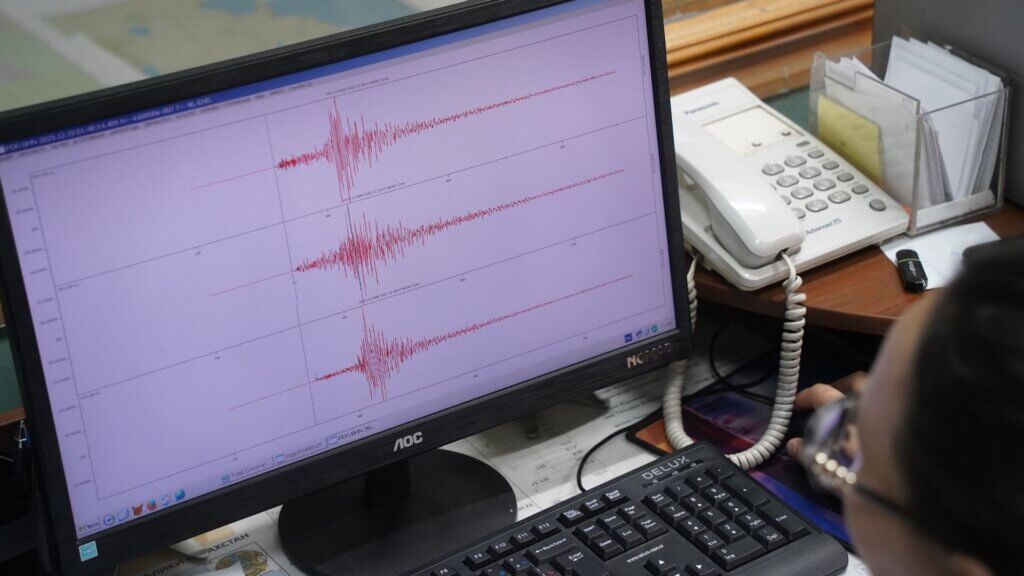
Scientists rely on earthquake energy to probe regions far beyond direct reach, which begins with pressure waves traveling quickly through solid rock. Those P waves offer partial insight, so researchers extend the view by tracking S waves that move material side to side. When combined, both signals reveal how density and composition change with depth, allowing models to match observed slowdowns to specific minerals deep beneath Hawaii.
Evidence Pointing to Solid Rock Instead of Melt
Seismic models point toward a structure that behaves like solid rock rather than partially molten material. As researchers matched wave speeds to known mineral properties, the data aligned with dense iron-rich compositions that resist deformation. That interpretation follows from how both compressional and shear waves travel through the zone. With those signals staying coherent, scientists see fewer signs of liquid behavior deep beneath Hawaii.
Possible Origins Tied to Early Earth Formation
Scientists now link the deep structure beneath Hawaii to processes dating back to the planet’s earliest history. Research suggests the material may trace its roots to remnants left behind as Earth cooled, when a global magma ocean began to crystallize. That ancient material could have settled near the core and persisted through later mantle activity. Over time, reheated fragments may have gathered into the dense body detected today.
How Subducted Crust May Create Similar Deep Structures
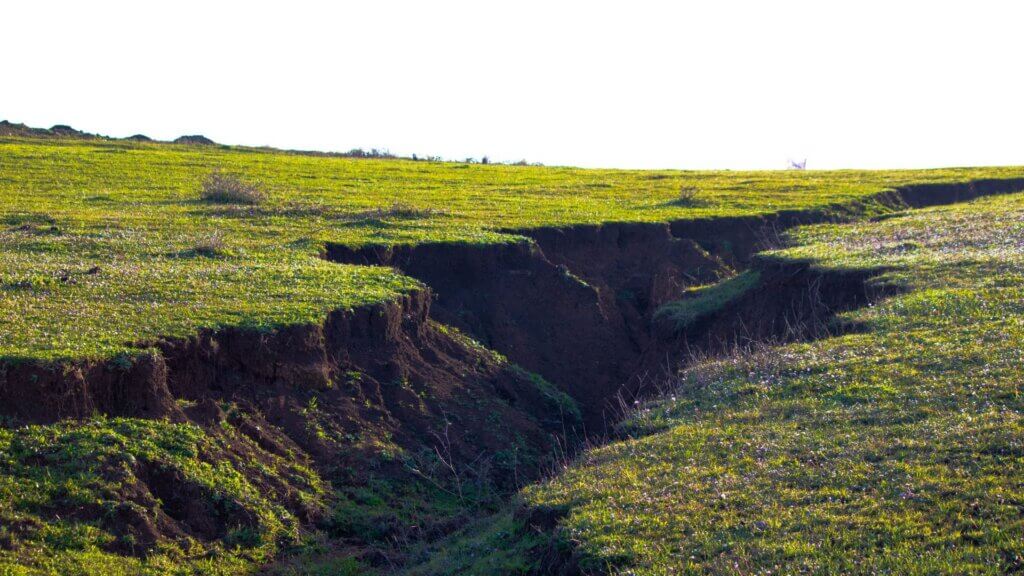
In some regions, scientists trace similar deep structures to slabs of oceanic crust pushed downward at tectonic boundaries. As that crust descends, heat and pressure alter its chemistry, which increases density and changes how seismic waves travel through it. Over long periods, the transformed material can settle near the core-mantle boundary. Those accumulations resemble the properties observed beneath Hawaii and appear in other hotspot regions.
What Hawaii Reveals About Interior Processes on Other Planets
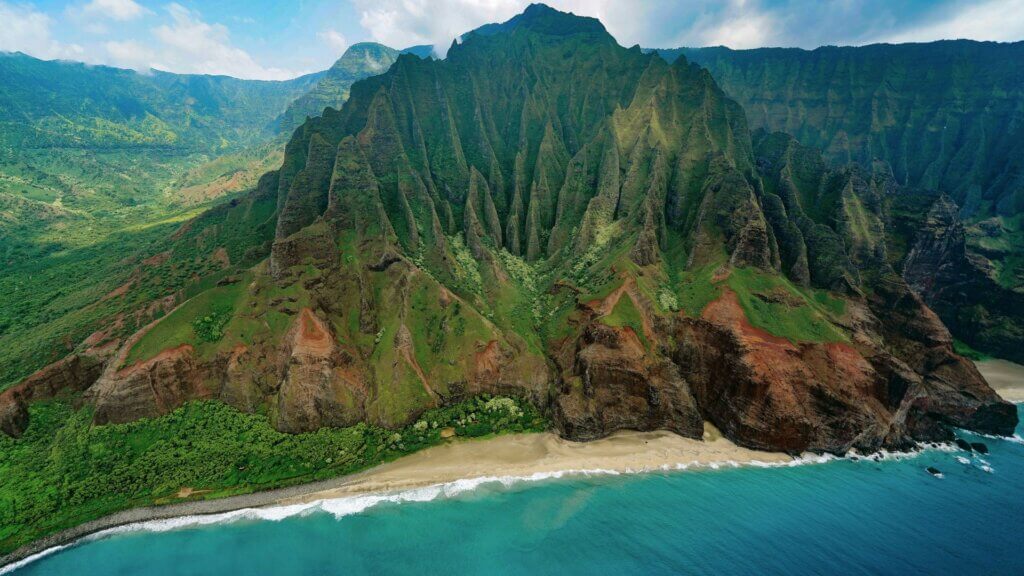
Findings beneath Hawaii give scientists a template for studying rocky planets beyond Earth. As researchers link deep structures to heat transport and long-lived volcanism, similar signatures become easier to identify elsewhere. That connection extends from seismic behavior to internal composition. Studying how dense material behaves near Earth’s core helps researchers infer how other planets cool, move heat upward, and sustain surface activity over geological time.
A Deeper Engine Beneath the Islands
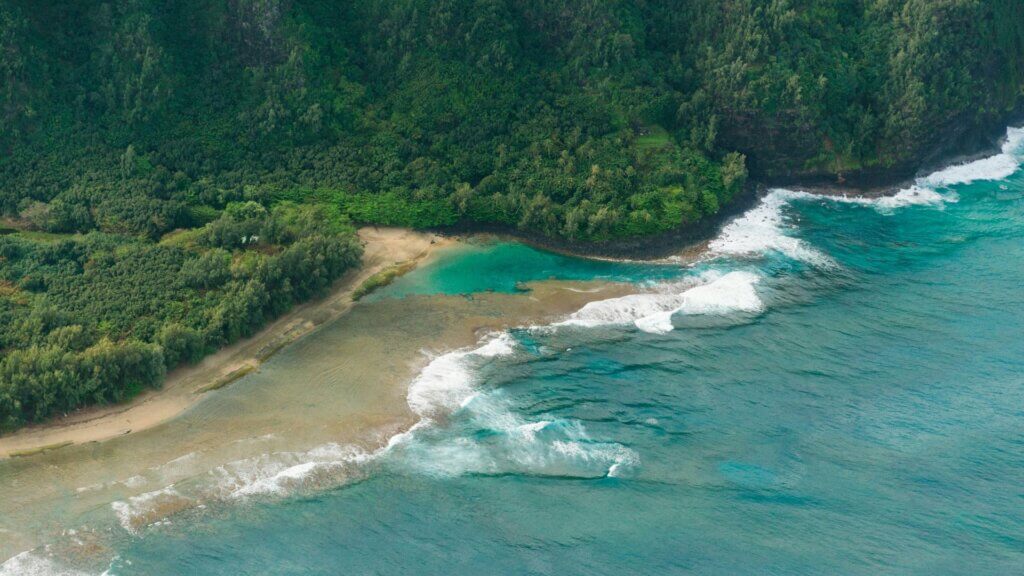
What scientists are outlining beneath Hawaii reframes how volcanic systems persist over time. Dense material resting near the core keeps heat focused, so surface eruptions remain steady. That behavior ties planetary processes to modern geology, which means deep history still shapes today’s surface patterns. Because of that connection, Hawaii becomes a reference point for reading planetary interiors, in turn sharpening how researchers interpret volcanic signals elsewhere around the globe.