

Products are selected by our editors, we may earn commission from links on this page.
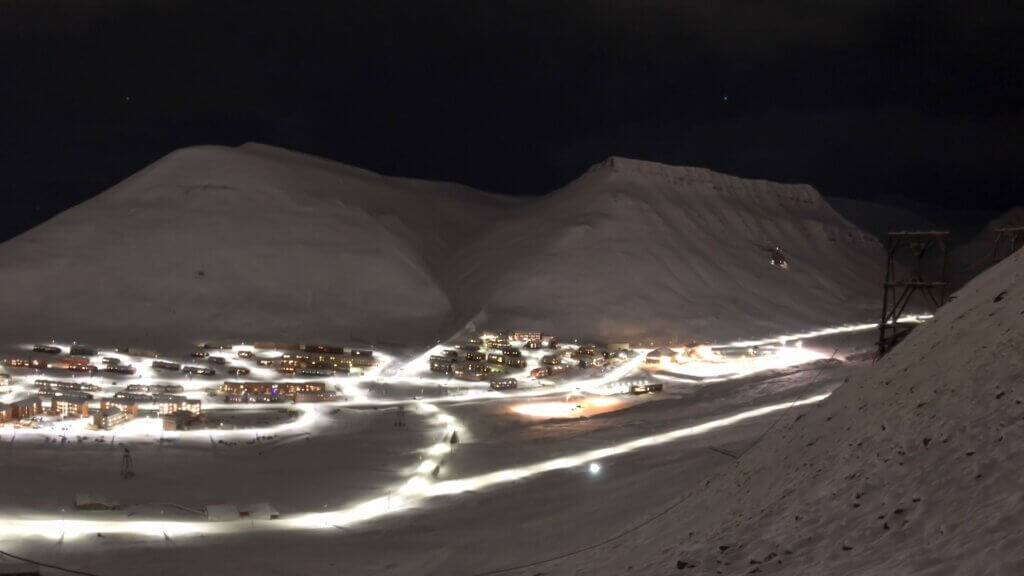
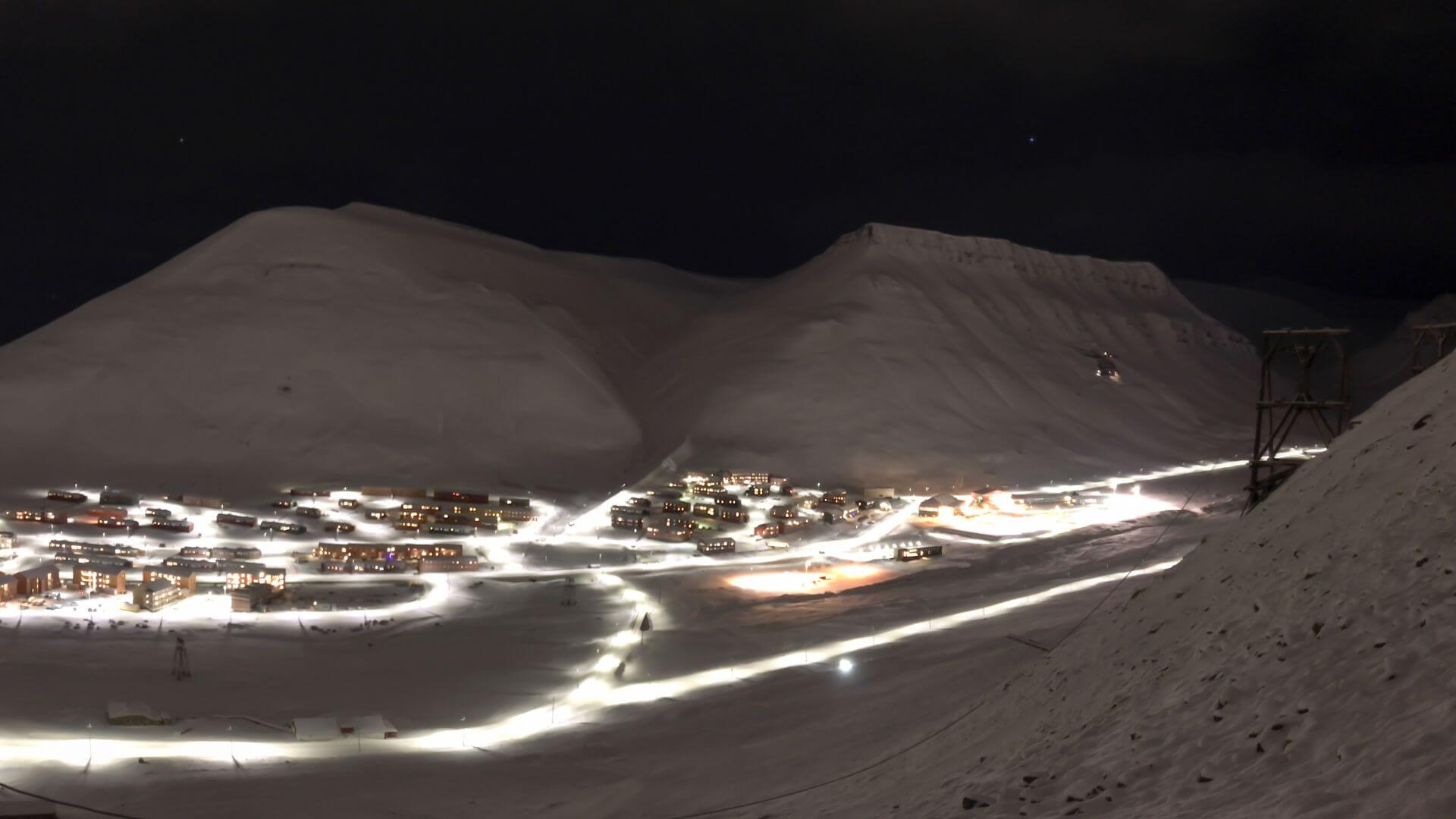
Utqiagvik, Alaska, will soon begin a roughly 65-day stretch without a true sunrise, an astronomical rhythm that shapes life, weather, and culture in the far north. Below are ten concise paragraphs that explain what happens, why, and how the community adapts.
Sitting at the tip of Alaska about 300 miles above the Arctic Circle, Utqiagvik is the northernmost settlement in North America, its latitude placing it in a unique seasonal pattern.
Axial tilt, the reason for the long night
The prolonged absence of direct sunlight comes from Earth’s axial tilt, when the Northern Hemisphere leans away from the star between the autumn and spring equinoxes.
This period of continuous night lasts roughly 65 days in 2025, with the final sunset occurring on Tuesday and the next sunrise expected on January 22, 2026.
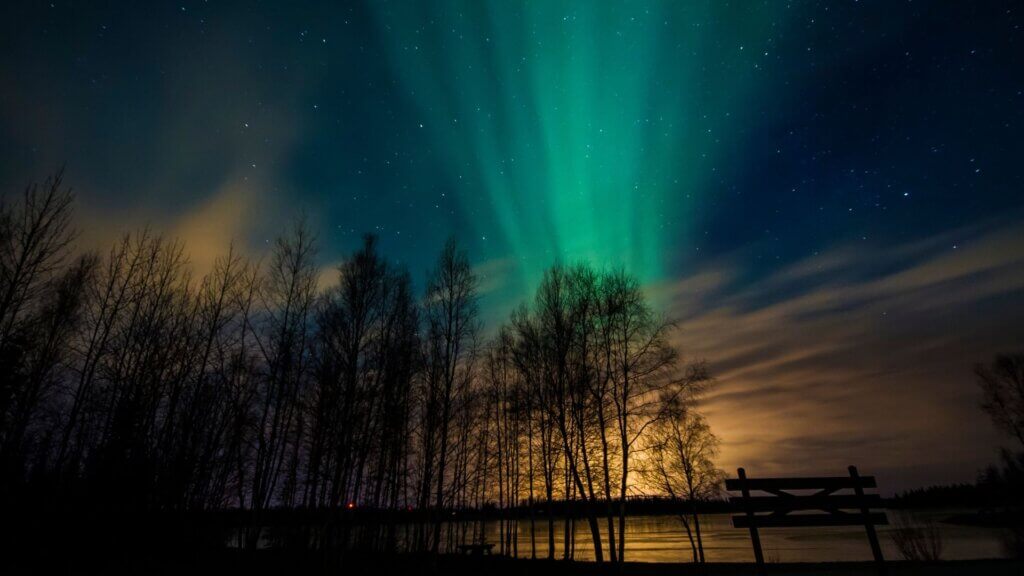
Even without sunrise, the town sees faint twilight along the southern horizon and sometimes the green curtains of the Aurora Borealis provide intermittent illumination.
Daily life, routines and adjustments
Residents shift daily rhythms to cope with reduced daylight, adapting sleep schedules, lighting at home, and community timetables to maintain activity and social life.
Temperatures commonly plunge well below zero degrees Fahrenheit during this time, and the clear, cold air can make nights feel even darker and harsher.
The lack of sunlight affects mood and circadian rhythms, so locals rely on bright indoor lighting, structured days, and social supports to reduce fatigue and seasonal blues.
Economy and culture, traditions that matter
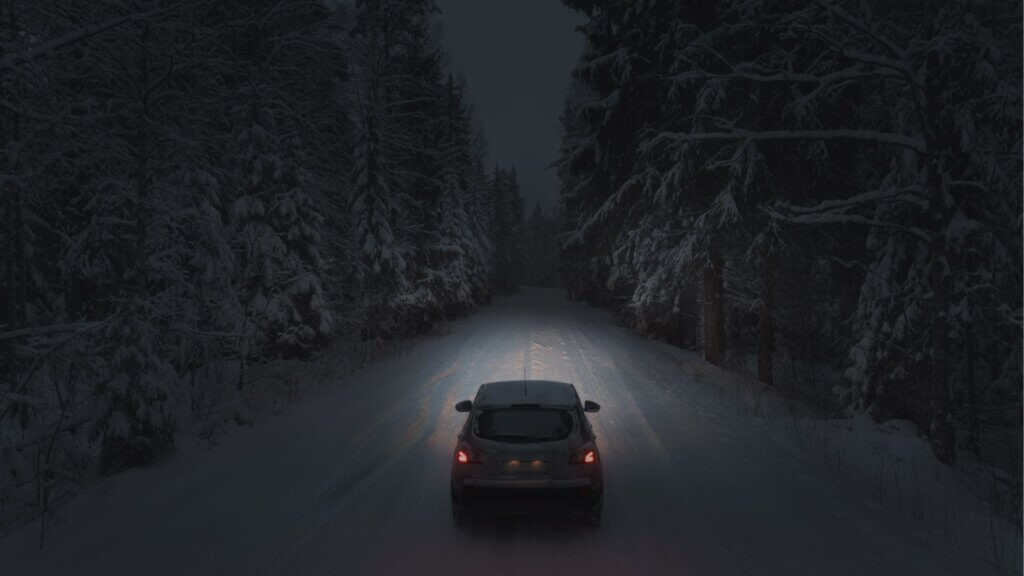
Fishing, hunting, and cultural gatherings continue, shaped by generations of knowledge that help people work safely and celebrate community even in prolonged night.
When the seasons shift, daylight returns quickly, and by mid-May the region experiences the opposite extreme, several weeks when the sun does not set.
The long night is a predictable, temporary phase of the Arctic year, a dramatic but regular cycle that contrasts with the brilliant, endless days of summer.