

Products are selected by our editors, we may earn commission from links on this page.
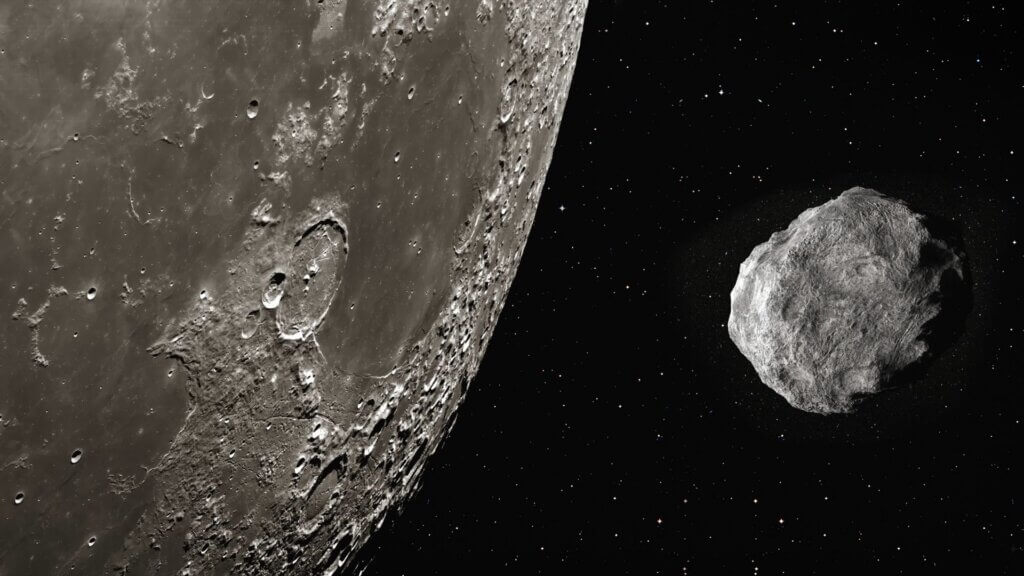
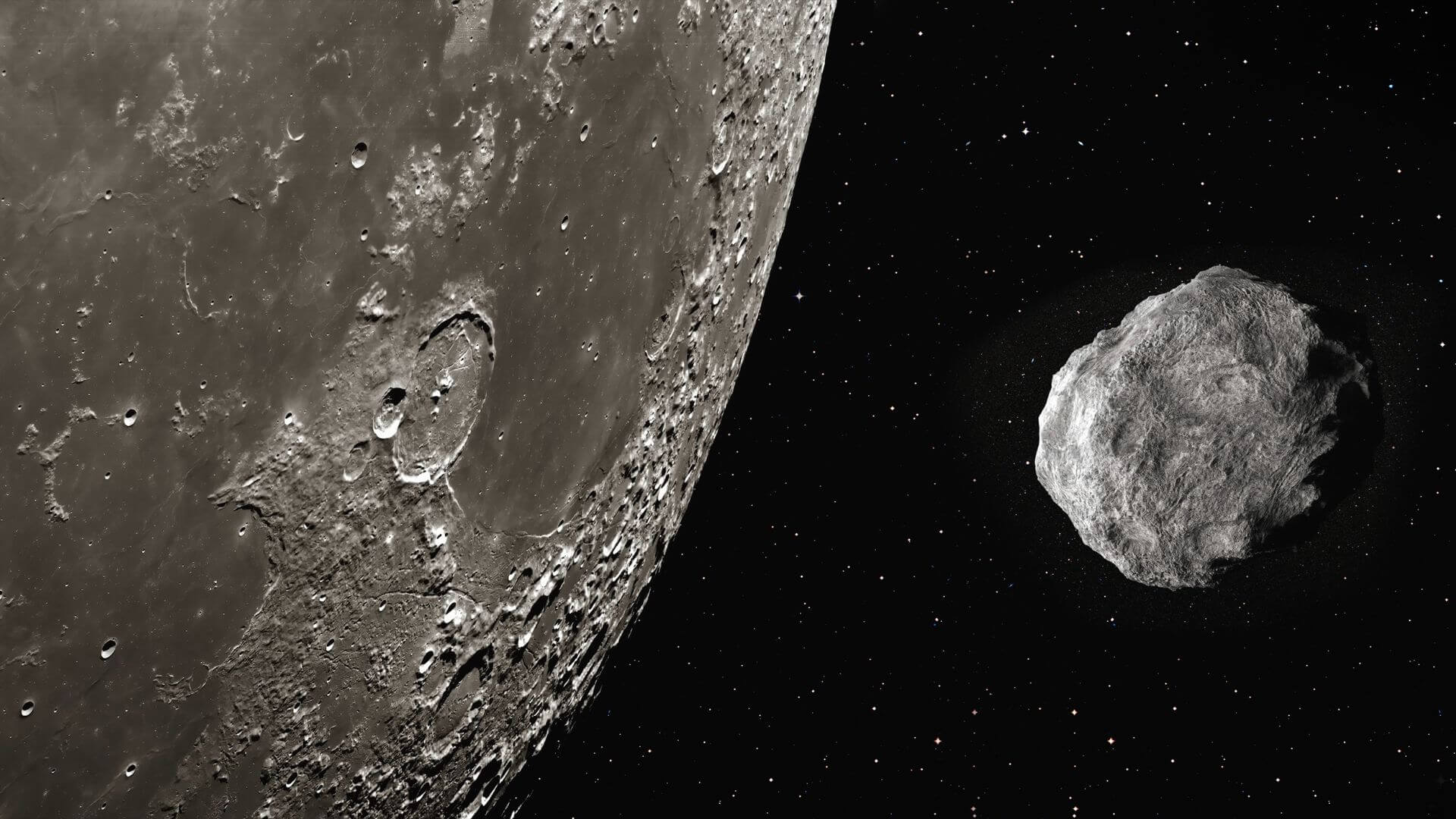
The Moon may look calm and unchanging from Earth, but its surface is constantly evolving. Scientists recently discovered evidence of a fresh impact that created a new crater, reminding researchers that collisions still occur in our cosmic neighborhood. By studying these changes, astronomers gain valuable insight into how frequently objects strike the Moon and what those events reveal about the history of our Solar System.
Ancient Collisions Shaped The Lunar Landscap
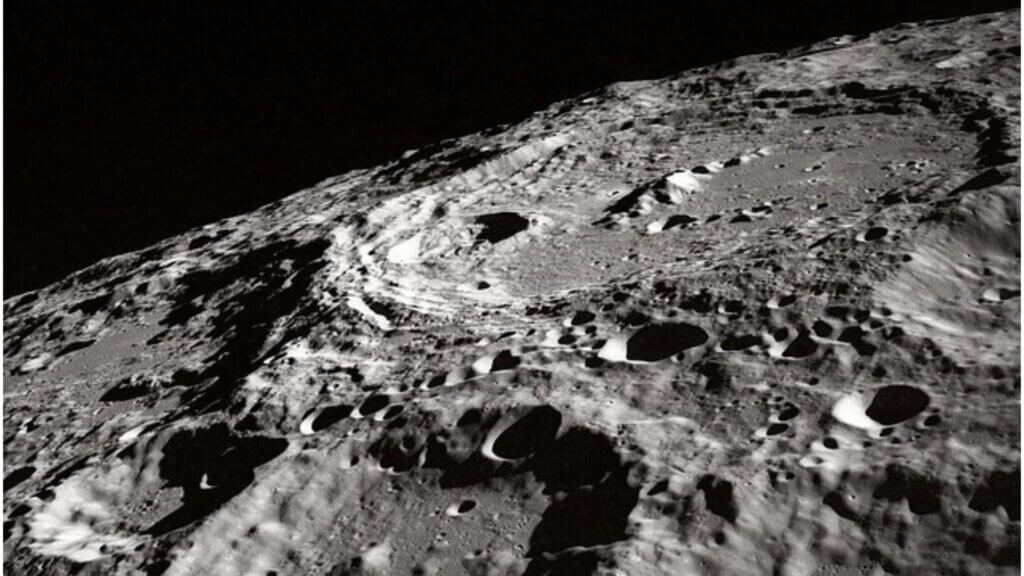
For most of its 4.5-billion-year existence, the Moon has endured countless impacts from asteroids and comets. Many of the broad dark plains visible from Earth, often called lunar “seas,” formed during an intense period of bombardment billions of years ago. Those dramatic collisions carved enormous basins into the surface, leaving behind the familiar patterns that people have observed in the Moon’s face for centuries.
The Familiar Face Humans Have Studied For Millennia
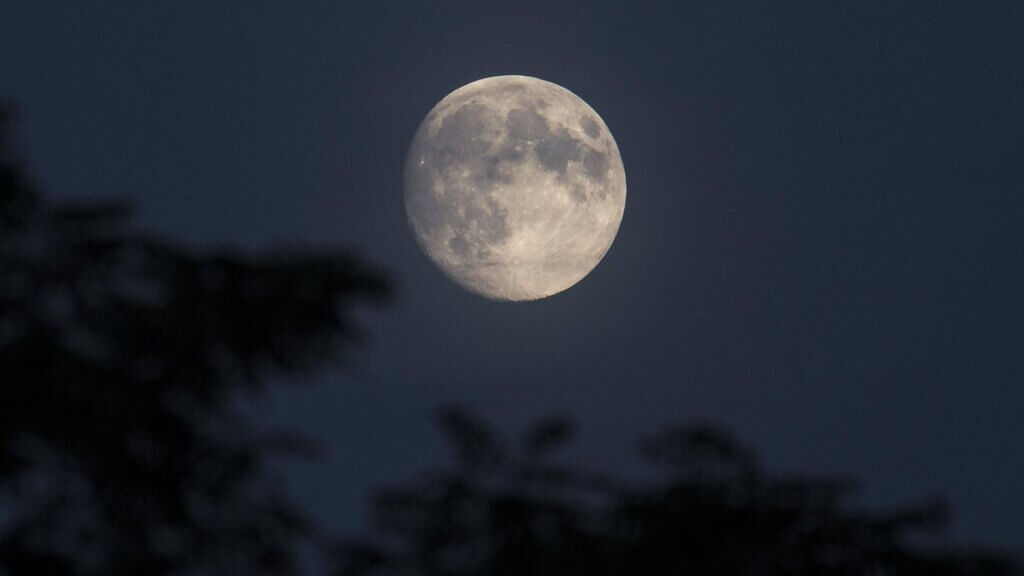
When people look up at the night sky, they often notice shapes within the Moon’s contrasting light and dark regions. One of the most recognizable is the so-called “Man in the Moon,” created by the arrangement of ancient basins and brighter highlands. These patterns have inspired stories and cultural interpretations across civilizations, reminding us how long humanity has been observing the lunar surface.
A Landscape That Continues To Change

Although the era of massive impacts that shaped the largest basins ended billions of years ago, the Moon still experiences occasional collisions. Smaller asteroids and comet fragments continue to strike its surface, leaving behind fresh craters. These events occur far from Earth’s atmosphere, which means the Moon remains exposed to the constant hazards of space.
How Scientists Detect New Lunar Craters
Directly witnessing an impact on the Moon is extremely rare, so researchers rely on detailed comparisons of images taken at different times. By examining photographs of the same region captured years apart, scientists can identify subtle changes in the terrain. Even a small new crater becomes noticeable when the surrounding landscape remains otherwise unchanged.
The Spacecraft That Made The Discovery Possible
NASA’s Lunar Reconnaissance Orbiter plays a crucial role in this type of research. Orbiting the Moon since 2009, the spacecraft carries advanced cameras capable of capturing highly detailed images of the surface. By reviewing pictures taken before and after specific dates, scientists can narrow down when an impact likely occurred.
A Newly Discovered Crater On The Moon
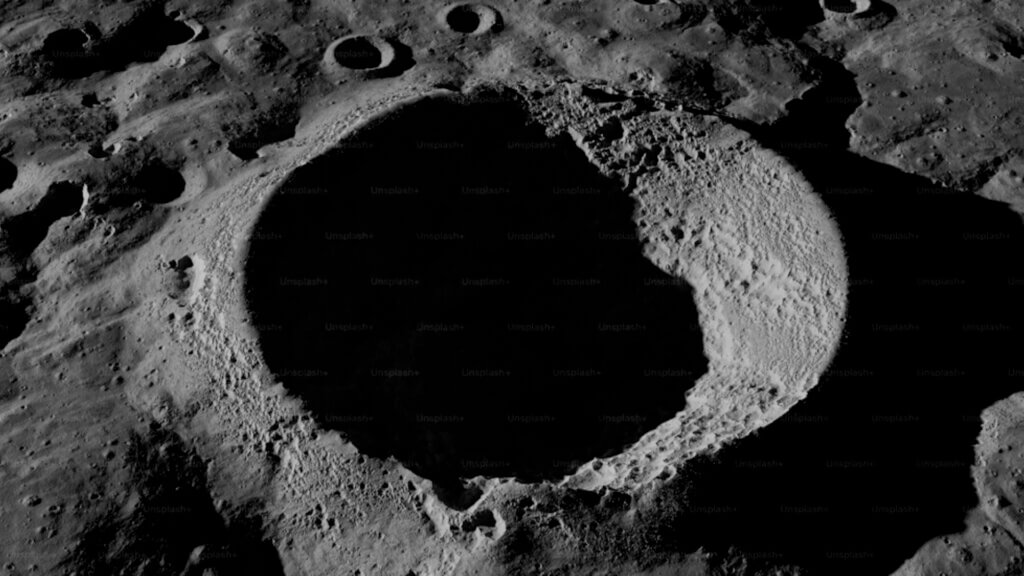
In one set of comparisons, researchers identified a previously unseen crater measuring about 22 meters across. While this size is modest compared with many ancient features on the Moon, its appearance clearly stood out in the imagery. The discovery confirmed that the impact must have occurred sometime between two observation periods several years apart.
Why This Crater Appears So Bright
The most striking feature of the crater is its brightness. When the object struck the surface, it blasted material outward, scattering lighter lunar soil around the impact site. These rays of fresh debris form a pattern that spreads outward from the crater, making it highly visible against the darker surrounding terrain.
The Gradual Effects Of Space Weathering
Over time, the bright appearance of the crater will slowly fade. Solar wind particles, micrometeorites, and cosmic radiation gradually darken exposed material in a process known as space weathering. As centuries pass, the fresh rays will blend into the surrounding surface, eventually making the crater difficult to distinguish from older features.
Why Discoveries Like This Matter
Finding newly formed craters helps scientists estimate how often objects strike the Moon today. That information is important for planning future missions, including robotic landers and potential human exploration. It also allows researchers to refine methods used to estimate the ages of lunar surfaces by studying how craters evolve over time.
A Reminder That The Moon Is Still Changing
Despite its quiet appearance in the night sky, the Moon is not a frozen world. Each new impact leaves another mark on its ancient surface, slowly reshaping the landscape over time. Discoveries like this serve as a reminder that our Solar System remains active, with celestial bodies continually interacting in subtle but meaningful ways.