

Products are selected by our editors, we may earn commission from links on this page.
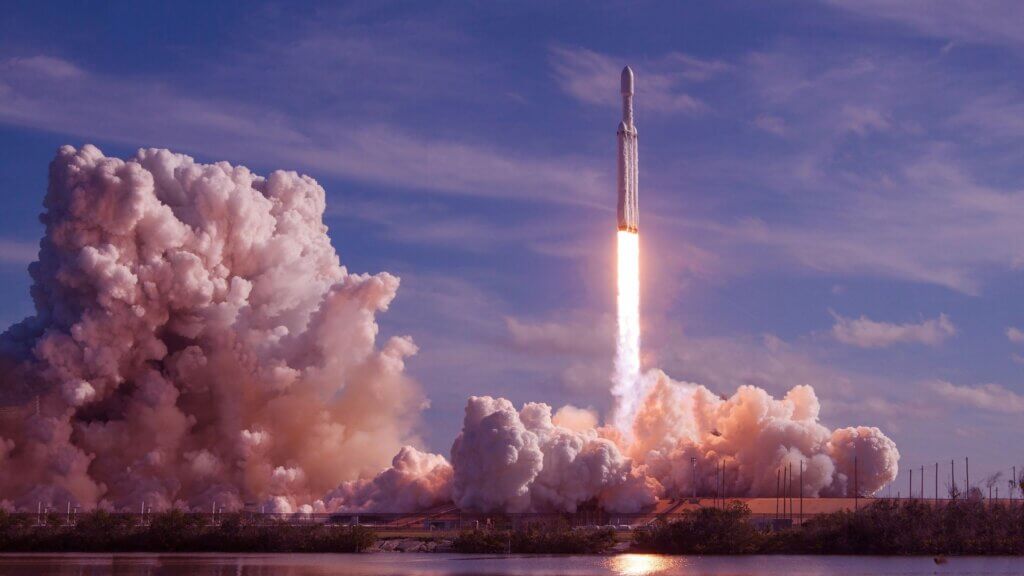
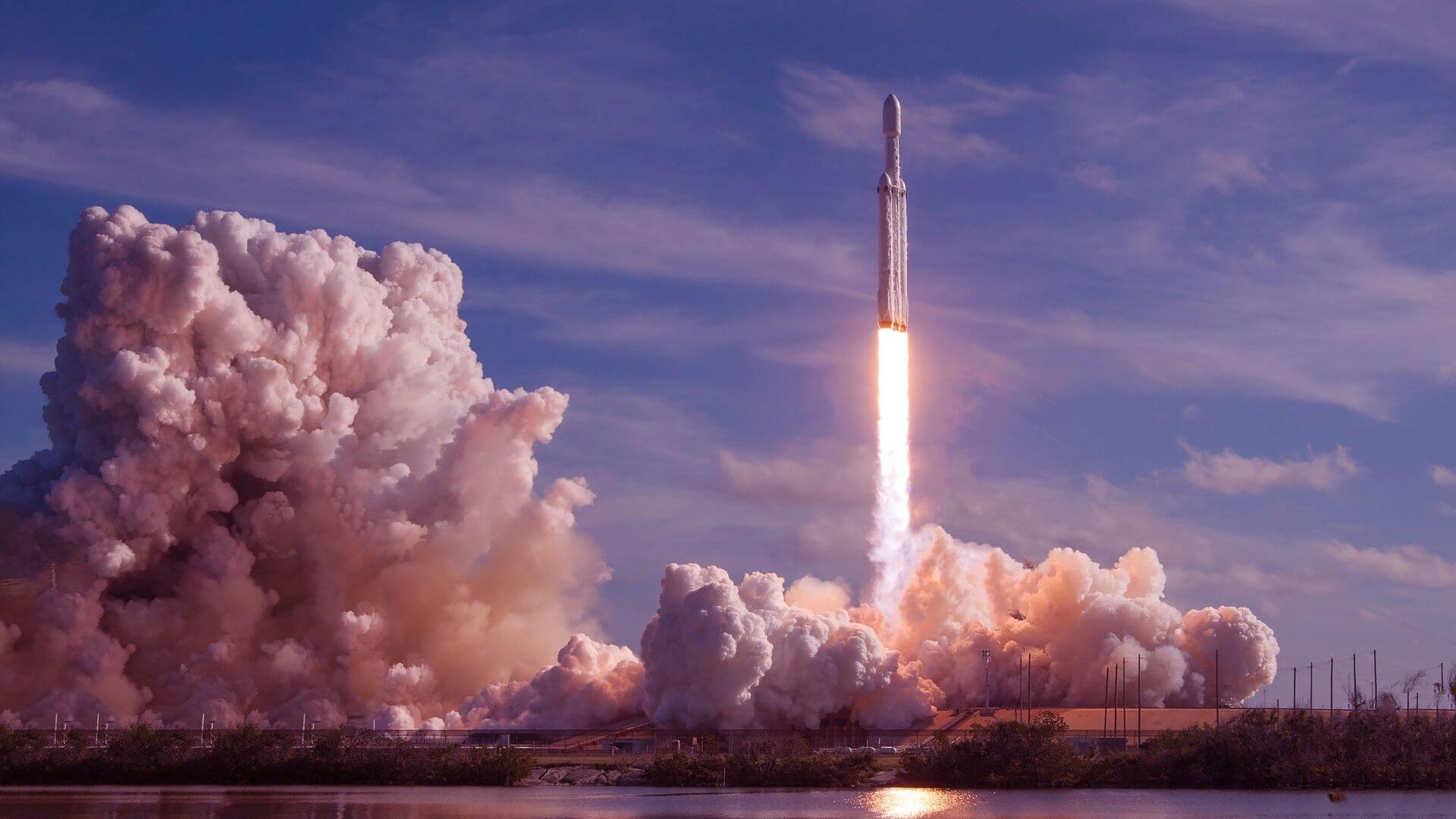
A new milestone in satellite connectivity is taking shape as SpaceX prepares another Starlink mission from California. The upcoming launch will carry 25 additional satellites into low Earth orbit, bringing the total constellation close to the symbolic threshold of 10,000 active units. This rapid expansion reflects how quickly the company has scaled its global internet network since its first deployment in 2019.
The mission, known as Starlink Group 17-24, highlights the consistency of the program’s cadence. With each launch, Starlink strengthens its ability to deliver high speed connectivity to remote and underserved regions. The effort is not only technological but also strategic, positioning satellite internet as a viable alternative to traditional infrastructure.
Beyond numbers, the initiative represents a broader shift in how communication networks are built and distributed. Instead of relying on ground based systems alone, companies are increasingly turning to space to solve terrestrial challenges, reshaping expectations around global access.
A Launch Aligned with History and Technological Progress
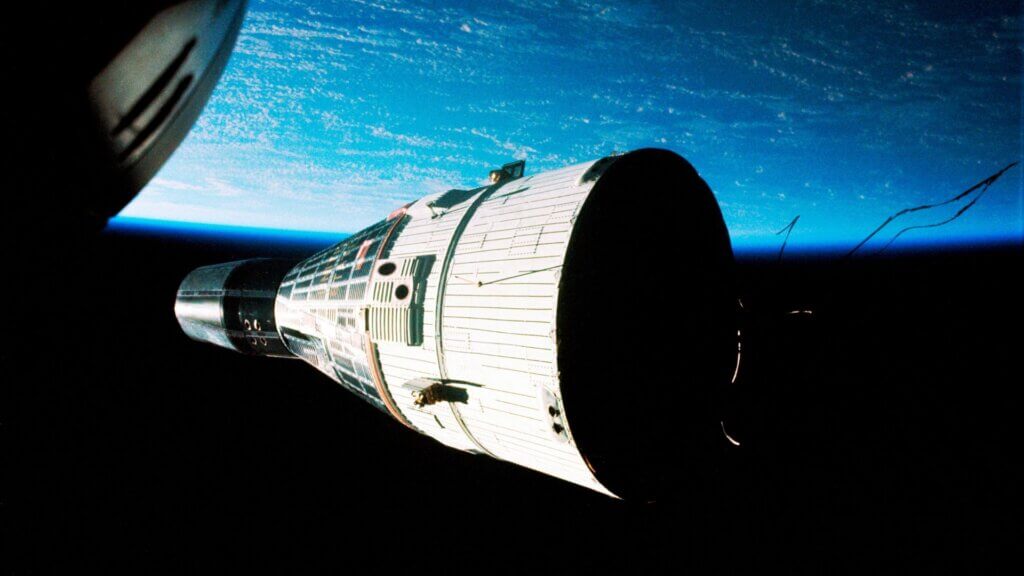
The timing of this mission carries symbolic weight. It coincides with the anniversary of Robert H. Goddard’s first liquid fueled rocket flight, an event widely considered the starting point of modern rocketry. One hundred years later, the evolution from experimental launches to routine orbital missions illustrates how far aerospace engineering has come.
The rocket selected for this operation, the Falcon 9, will mark another step in that progression. This particular launch will also represent one of hundreds completed by the vehicle, reinforcing its role as a reliable and reusable platform in commercial spaceflight.
From a historical perspective, the contrast is striking. Early experiments focused on proving that space travel was possible, while today’s missions emphasize efficiency, scalability, and repetition. The industry has transitioned from exploration to optimization, where frequency and reliability are just as important as innovation.
A Closer Look at The Mission and Its Reusable Technology

The launch will take place from Vandenberg Space Force Base, a key location for polar orbit missions. From there, the rocket will follow a trajectory over the Pacific, continuing a growing number of launches from the site this year.
Central to the mission is booster B1088, a reusable first stage that has already completed multiple flights. Its return to service demonstrates one of SpaceX’s most significant contributions to the industry, the normalization of rocket reusability. By refurbishing and relaunching boosters, the company reduces costs and increases launch frequency.
This approach has practical implications. Lower costs make space more accessible for both commercial and governmental clients, while faster turnaround times enable more ambitious deployment schedules. The Starlink network, in particular, depends on this model to sustain its rapid growth.
What this Milestone Means for The Future of Connectivity
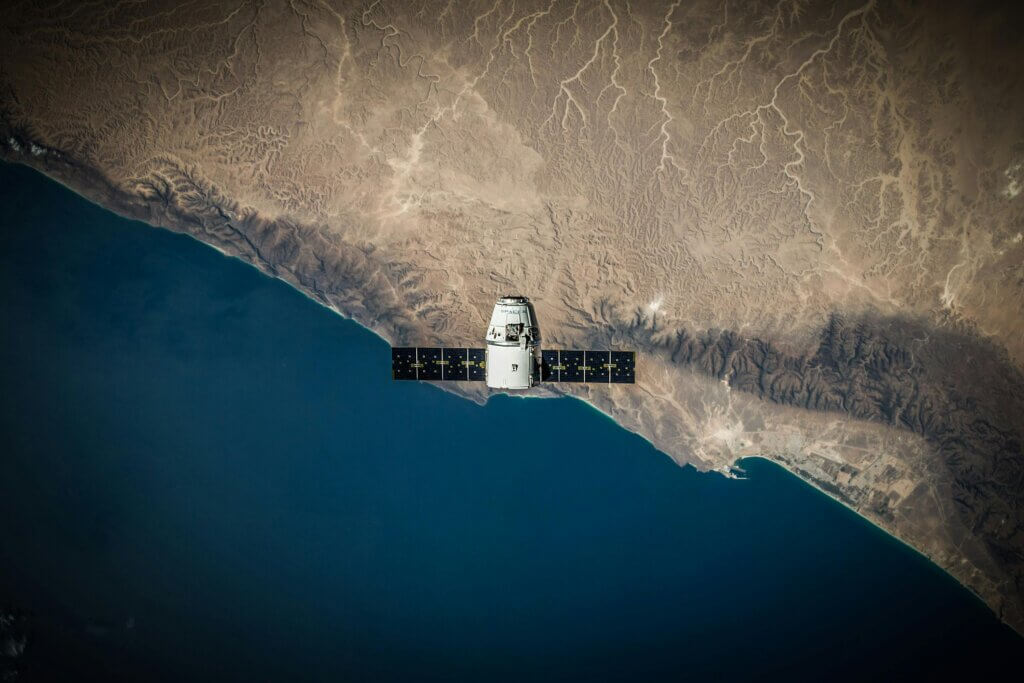
Reaching nearly 10,000 satellites in orbit is more than a numerical achievement. It signals a new phase in global connectivity, where space based infrastructure becomes part of everyday digital life. For users in remote regions, this expansion could mean reliable internet access where it was previously unavailable.
At the same time, the scale of the constellation raises important discussions about space traffic, orbital sustainability, and long term regulation. As more satellites are deployed, coordination between companies and governments becomes increasingly critical to avoid congestion and ensure safe operations.
Looking ahead, the continued growth of Starlink suggests that satellite networks will play a central role in the digital ecosystem. As launches become more routine and technology continues to evolve, the boundary between Earth and space based services will become less noticeable, shaping how people connect, work, and communicate worldwide.