

Products are selected by our editors, we may earn commission from links on this page.
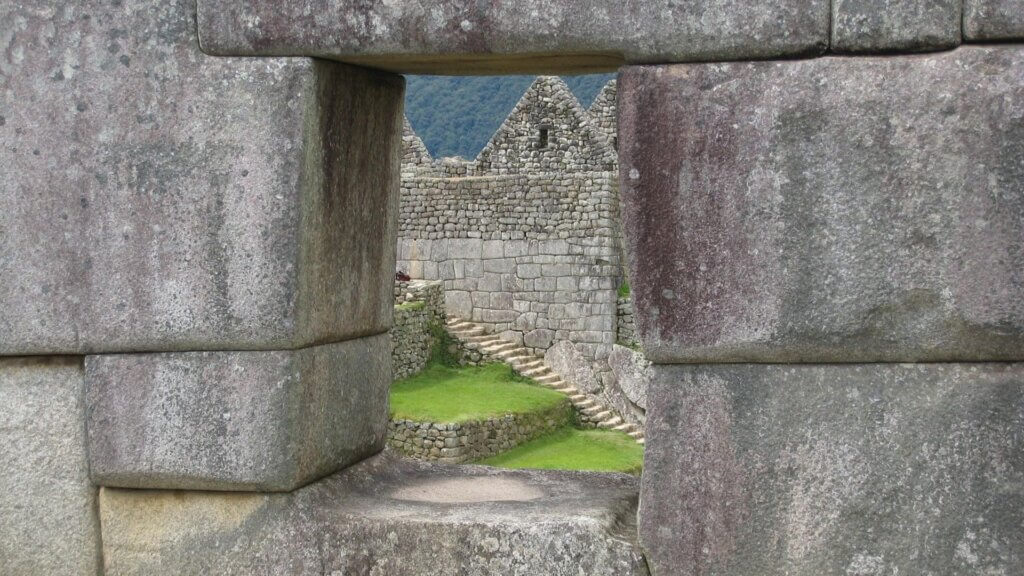
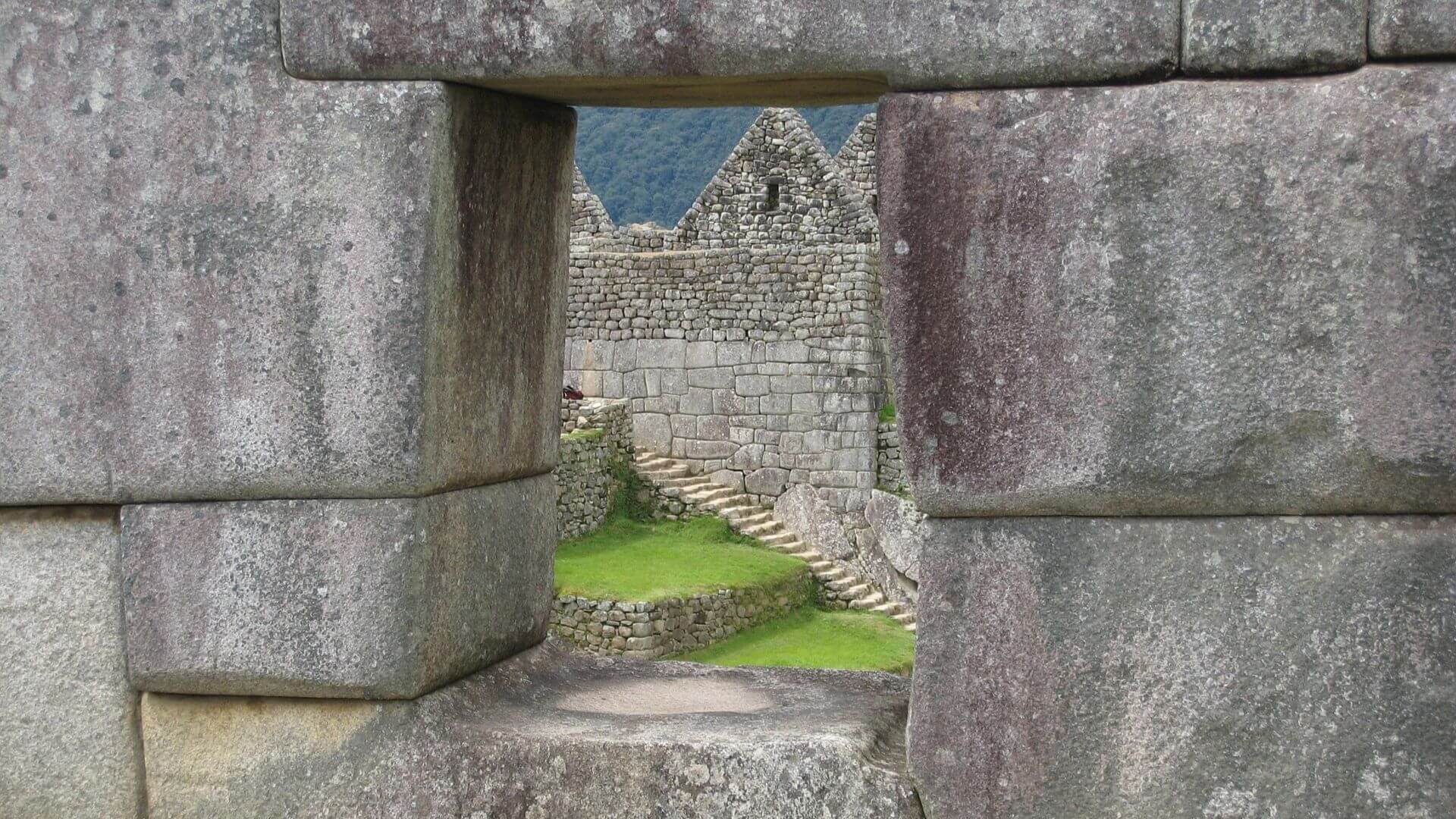
The discovery of a massive stone formation in the remote mountains of Kazakhstan has ignited curiosity among researchers and enthusiasts alike. While some see it as a natural geological structure, others are convinced it could be linked to something beyond our world. The debate highlights the tension between scientific reasoning and the allure of mystery.
A Remote Discovery

Deep in the Dzungarian Alatau mountains, close to the border with China, archaeologists uncovered a striking stone structure resembling a doorway. This region, historically known as a crossroads for ancient trade, continues to reveal new findings that challenge our understanding of the past.
Gateway to Theories
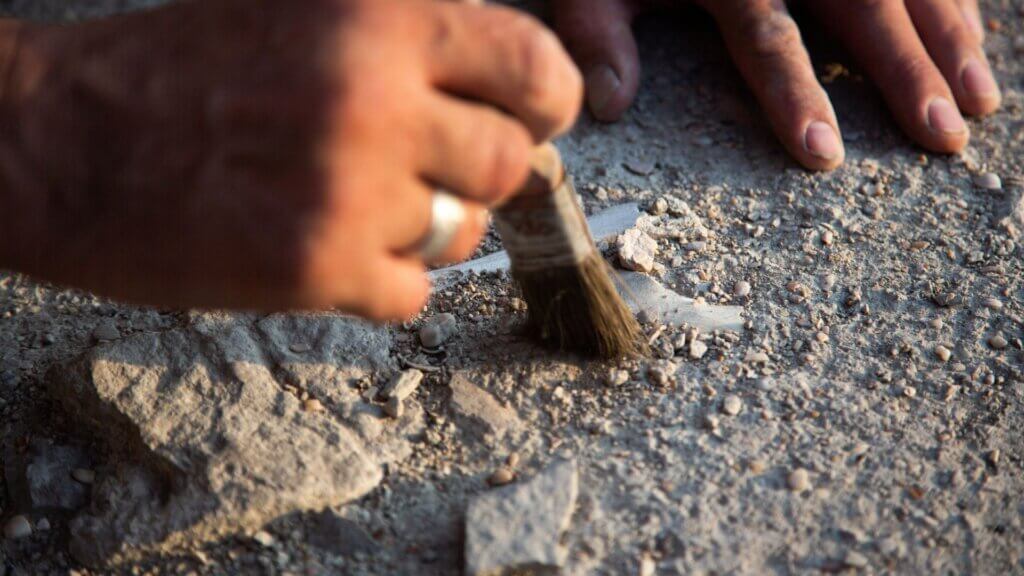
The structure’s size and precision quickly drew attention online. Some observers speculated that its symmetry suggested an artificial origin, while others saw evidence of extraterrestrial influence. These interpretations gained traction, especially in online communities fascinated by unexplained phenomena.
The Geologist’s View
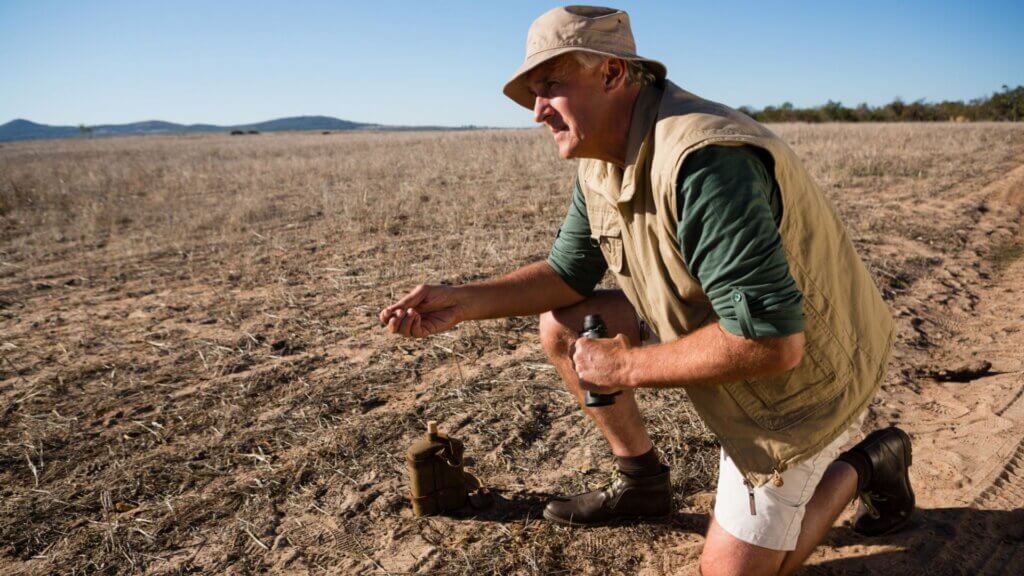
Despite the intrigue, experts point to natural processes as the most likely explanation. Mark Allen, a professor of Earth Sciences, emphasized that variations in rock layers and centuries of erosion could easily produce the appearance of a carved entryway.
Natural Patterns in Stone

Allen noted that weathering often creates formations that resemble human-made structures. Similar features are found in places like Utah, where arches and openings emerge as a direct result of wind and water shaping stone over time.
History of the Region
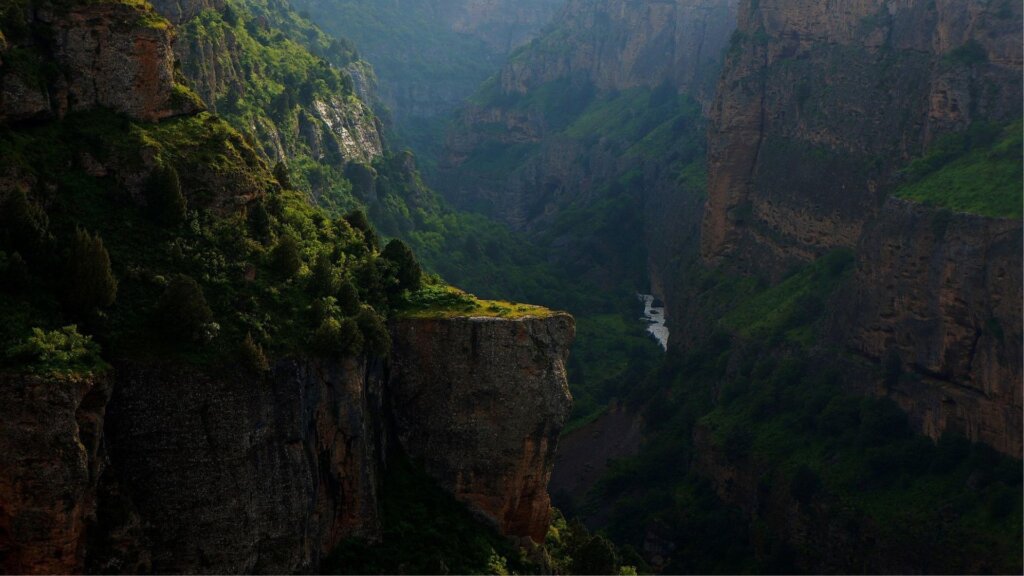
The Dzungarian Alatau mountains were once part of a thriving trade route stretching thousands of miles. The area saw the exchange of goods, languages, and cultures, making it a site rich in historical significance even without the presence of mysterious structures.
Echoes of Imagination
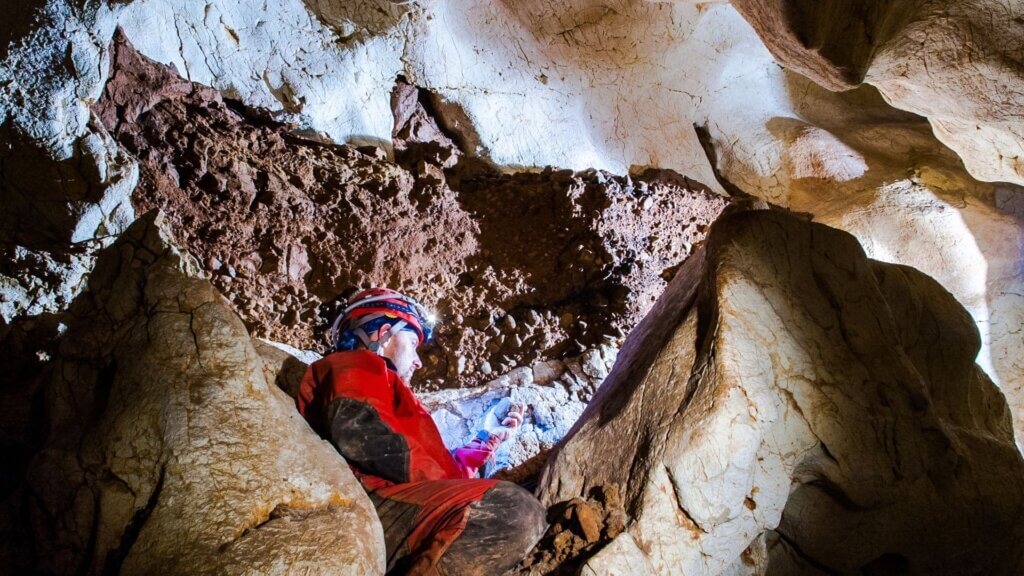
For many, however, the scientific explanation fails to dampen the imagination. Some theorists suggest the stone doorway could conceal hidden chambers, perhaps used by an ancient civilization or even beings from beyond Earth.
Popular Culture Connections

The discovery has also inspired comparisons to fictional worlds. Enthusiasts reference Tolkien’s legendary underground realms, hinting that the formation might be a gateway to forgotten places buried beneath the mountains.
The Ongoing Debate

The contrast between scientific reasoning and speculative ideas continues to fuel discussion. While academics emphasize caution and evidence, online platforms thrive on mystery and the possibility of extraordinary explanations.
Research in Progress
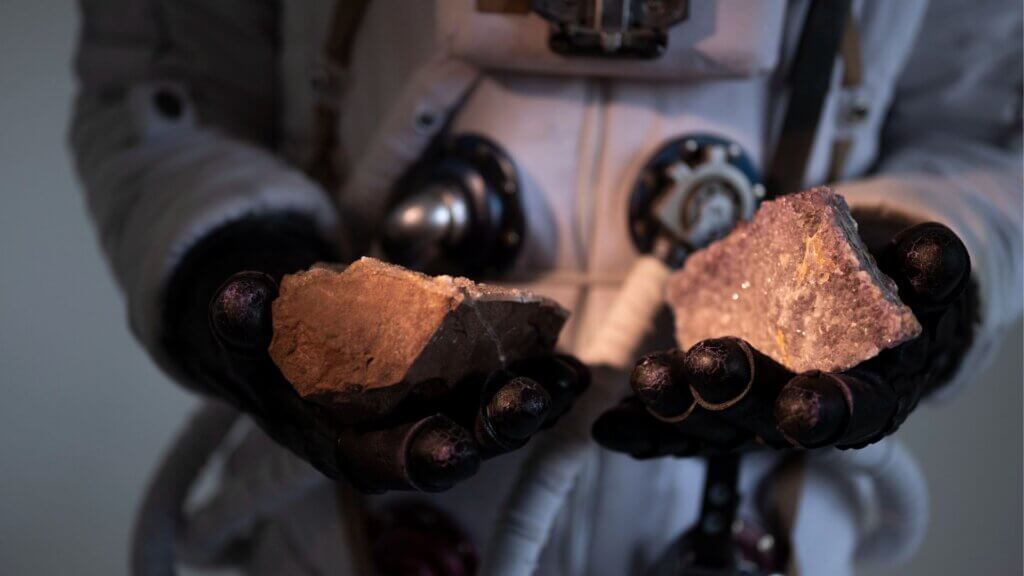
Archaeologists are committed to studying the structure in detail. By examining its composition and surrounding geology, they hope to establish whether the doorway is a purely natural occurrence or linked to human activity in ancient times.
Between Fact and Mystery

Ultimately, the stone doorway reflects our fascination with the unknown. Whether it proves to be a product of erosion or a relic of forgotten builders, the site captures the enduring human desire to seek meaning in nature’s most enigmatic creations.
Ancient Routes and Lost Connections

Centuries ago, the Dzungarian Alatau connected Central Asia and China. Caravans carried silk, spices, and metals through its valleys, leaving traces of cultural exchange. Archaeologists have found pottery and tools suggesting that this mountain corridor once linked distant civilizations.
Echoes of the Silk Road
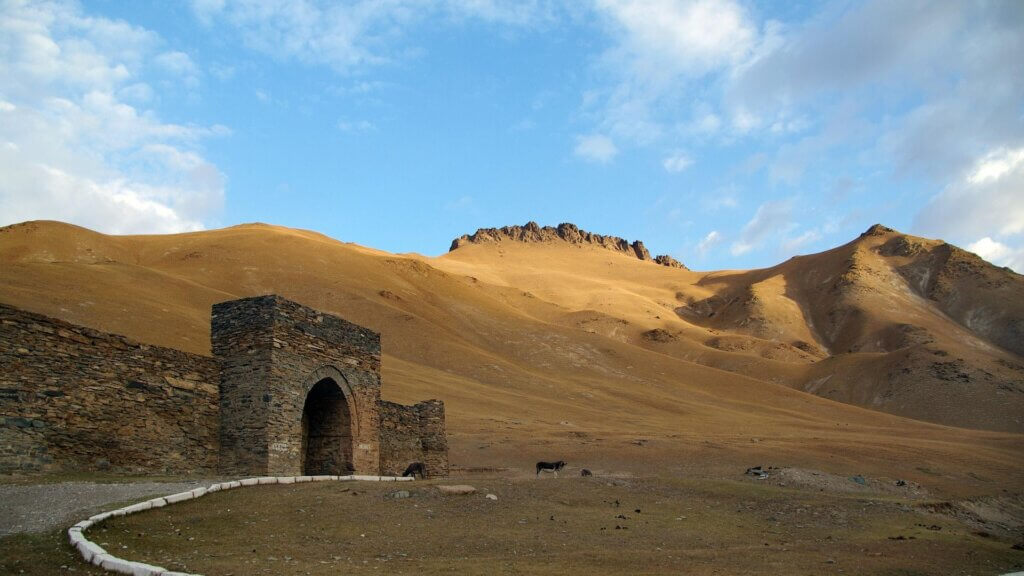
The region formed part of the Silk Road, a network that shaped early global trade. Travelers crossing the Alatau likely encountered landmarks used for rest or ritual. The new stone formation, whatever its origin, adds another layer to this ancient landscape of movement and exchange.
Reading the Language of Stone
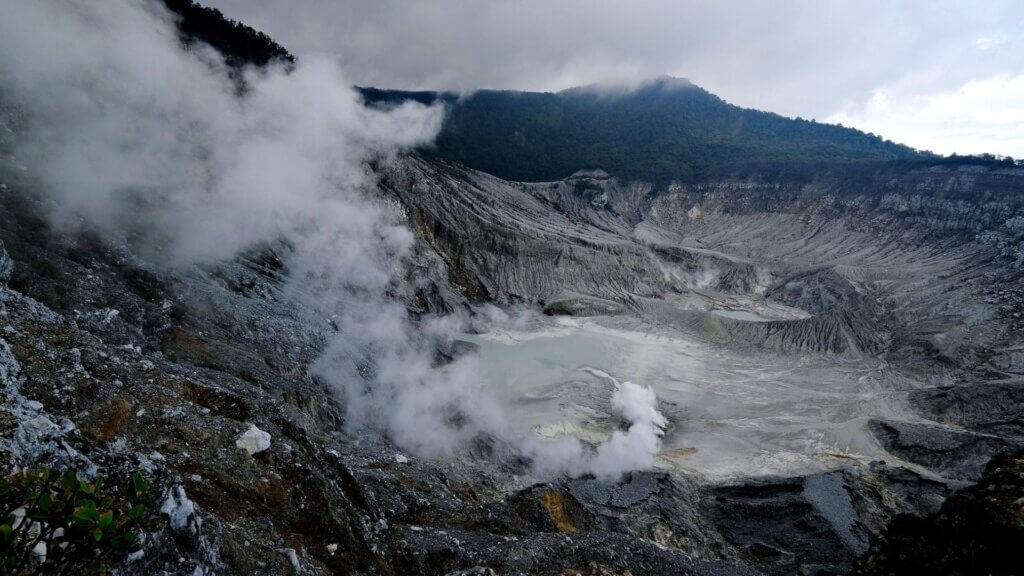
Geologists study the site as a record of Earth’s past. Layers of sandstone and basalt reveal cycles of volcanic activity and erosion spanning millions of years. These patterns help explain how natural forces might have created the formation’s precise appearance.
Local Knowledge and Oral Traditions
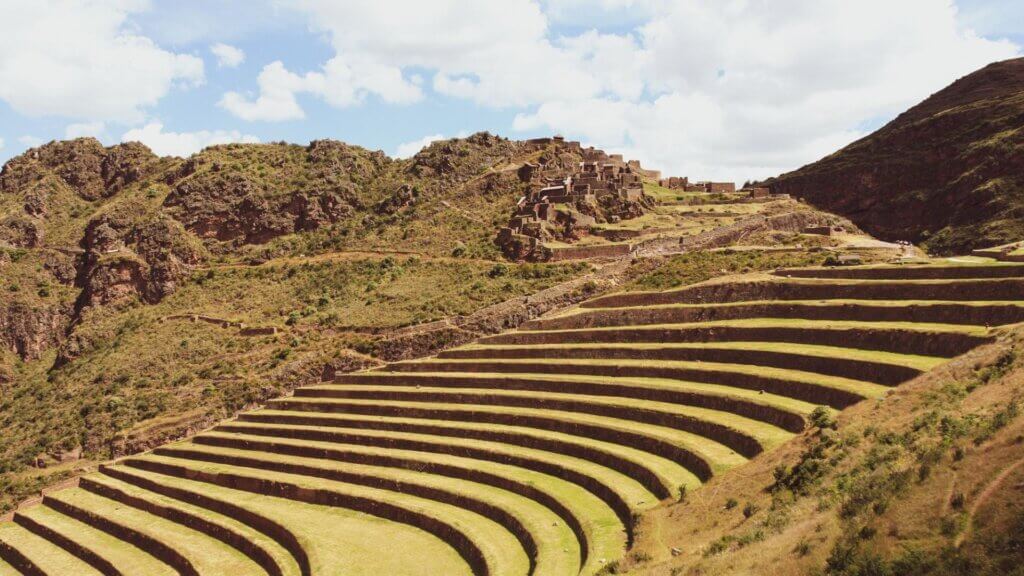
Communities near the range preserve legends about the mountains as sacred and protective. Passed down for generations, these tales mix memory with myth, offering insight into how early inhabitants interpreted unusual shapes in the rocks around them.
The Role of Technology in Modern Archaeology
Researchers now use 3D mapping and ground-penetrating radar to study such sites. These tools help detect hidden cavities or artifacts without excavation, allowing scientists to distinguish between natural and artificial formations more accurately.
Comparisons Around the World
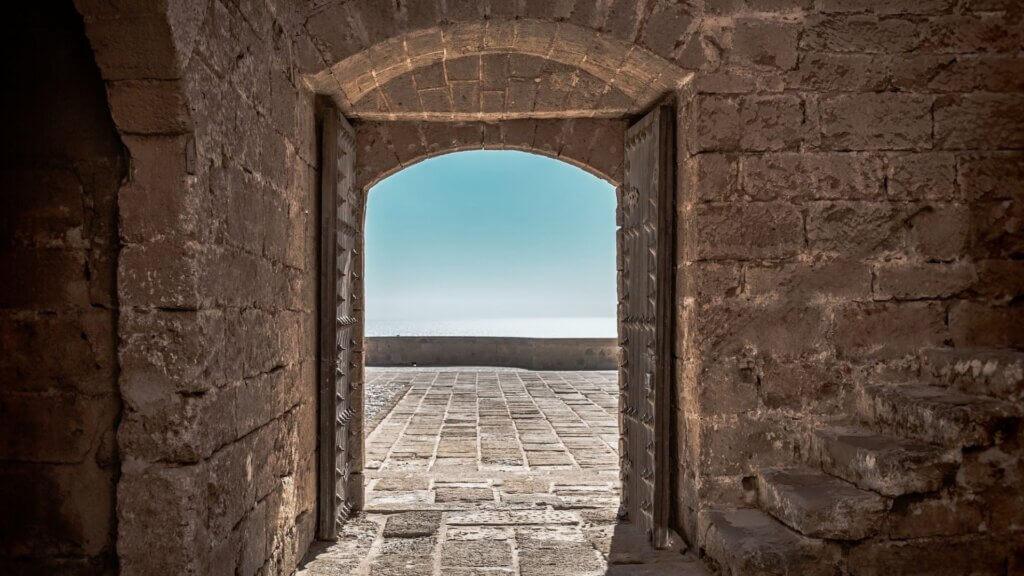
Similar rock “doorways” exist in Jordan, Arizona, and Turkey. In each case, initial excitement about ancient builders later gave way to geological explanations. These parallels remind us how nature often imitates human design.
Balancing Mystery and Science
Public fascination and scientific caution often meet at sites like this. While researchers look for data, imagination fills the gaps, keeping curiosity alive. That mix of wonder and inquiry is what drives exploration forward.
Preserving Fragile Landscapes
Growing attention brings both interest and risk. Foot traffic and unregulated visits can damage the rock surface. Authorities are considering conservation measures to protect the area while allowing limited, responsible tourism.
The Broader Geological Picture
The Dzungarian Alatau remains geologically active, shaped by ongoing tectonic movement. New fractures form slowly over time, showing how Earth’s surface continues to evolve and how formations like this doorway can naturally emerge.
A Symbol Beyond Its Origin
Whether natural or man-made, the formation has become a symbol of curiosity. It invites reflection on how humans seek meaning in the patterns of nature and how every discovery, confirmed or not, expands our sense of wonder.