

Products are selected by our editors, we may earn commission from links on this page.

A new global study has sparked heated debate just ahead of International Women’s Day. According to fresh research, nearly one-third of Gen Z men believe a wife should “always obey her husband.” For a generation often described as progressive and socially aware, that statistic has left many people stunned.
The findings come from an International Women’s Day 2026 report by IPSOS, which surveyed more than 23,000 adults across 29 countries between late December 2025 and early January 2026. The results suggest that while support for gender equality remains strong overall, younger men are more likely than older generations to hold traditional views about marriage and gender roles.
So what exactly did the study reveal? And why are Gen Z men standing out in ways few expected? Here’s a closer look at the numbers and the bigger picture behind them.
The Numbers That Got Everyone Talking
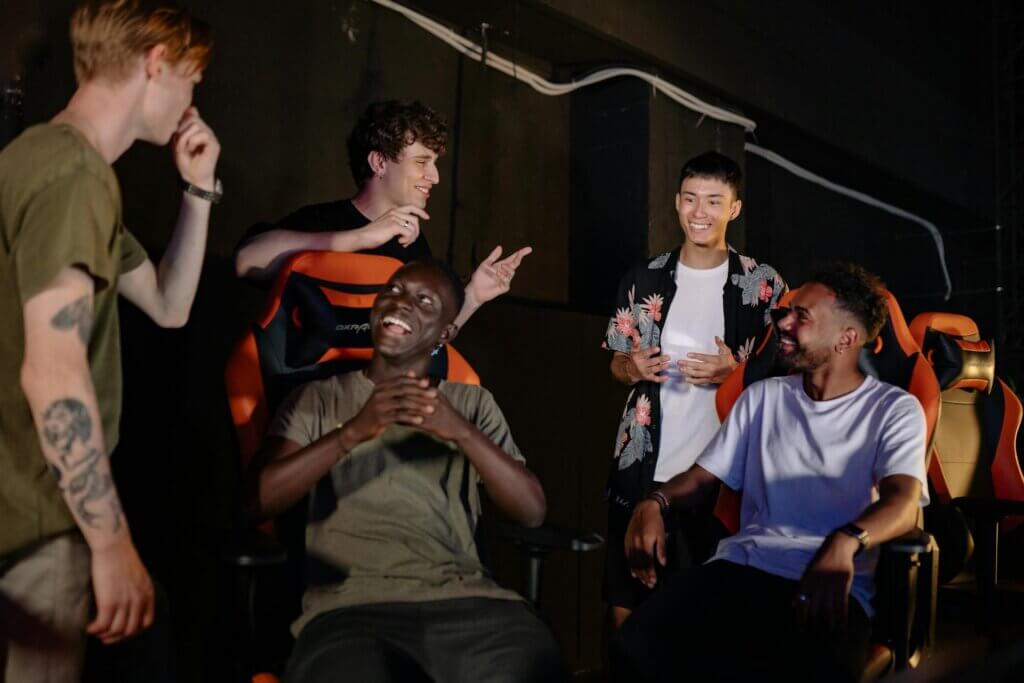
The headline figure is clear: 31% of Gen Z men agreed that “a wife should always obey her husband.” In comparison, only 13% of male Baby Boomers said the same. That means Gen Z men are more than twice as likely as older men to agree with that statement.
The study also found that Gen Z men consistently expressed more traditional views on other gender-related questions. For example, 57% agreed that society has gone so far in promoting women’s equality that men are now being discriminated against. Meanwhile, 59% said men are expected to do too much to support equality. These responses were notably higher than those of older male generations.
It is important to note that these attitudes do not represent all Gen Z men. In fact, a majority did not agree with the “always obey” statement. Still, the fact that nearly 1 in 3 young men across 29 countries support such a traditional view has raised questions about where these beliefs are coming from and what they mean for the future of relationships and equality.
A Wider Gender Divide Within Gen Z

The IPSOS findings align with other recent research showing that Gen Z men and women are more divided on gender issues than any other generation. A March 2025 global study from King’s College London and IPSOS found that Gen Z has the largest gender gap on key questions about feminism and equality.
For instance, 53% of Gen Z women define themselves as feminists, compared with just 32% of Gen Z men. That 21-point gap is the biggest of any generation surveyed. The same study also found that Gen Z men are more likely than Gen Z women to believe that efforts to promote women’s equality have gone too far.
At the same time, most Gen Z respondents, both men and women, say achieving gender equality is important to them personally. However, the disagreement appears to be about how far society has gone and who benefits from current efforts. In other words, while young people may share the same broad goal, they often see the path to equality very differently.
What Is Driving These Traditional Views?

Experts point to several factors that may help explain why some Gen Z men are embracing more traditional gender roles. One is the growing influence of online communities often referred to as the “manosphere.” These spaces promote male dominance, criticize feminism and argue that men are losing status in modern society.
A 2023 report from the Canadian Museum for Human Rights describes how manosphere influencers frame gender equality as a threat to men. They often present feminism as the cause of men’s romantic struggles, economic challenges or mental health concerns. This narrative can be especially appealing to young men who feel isolated or uncertain about their future.
Other research supports the idea that many young men feel left behind. A December 2023 analysis from the Survey Center on American Life found a nearly 20-point gender gap among Gen Z in identifying as feminist. It also noted that close to half of young men believe men face discrimination in society today. When young men see equality efforts as unfair or hostile, it may shape how they respond to questions about marriage and obedience.
The IPSOS report adds another layer. It found that Gen Z men are more likely than older men to agree with traditional ideas not only about women’s roles but also about men’s roles, such as the expectation that men should be physically tough or solve problems on their own. These beliefs suggest a broader return to rigid gender norms for some young men, rather than a single isolated opinion about marriage.
Still, the story is complex. Across all 29 countries surveyed, 68% of people say achieving equality between men and women is important to them personally. That includes 62% of men. So while some Gen Z men are leaning into traditional views, many still express support for fairness and equal opportunity.