

Products are selected by our editors, we may earn commission from links on this page.
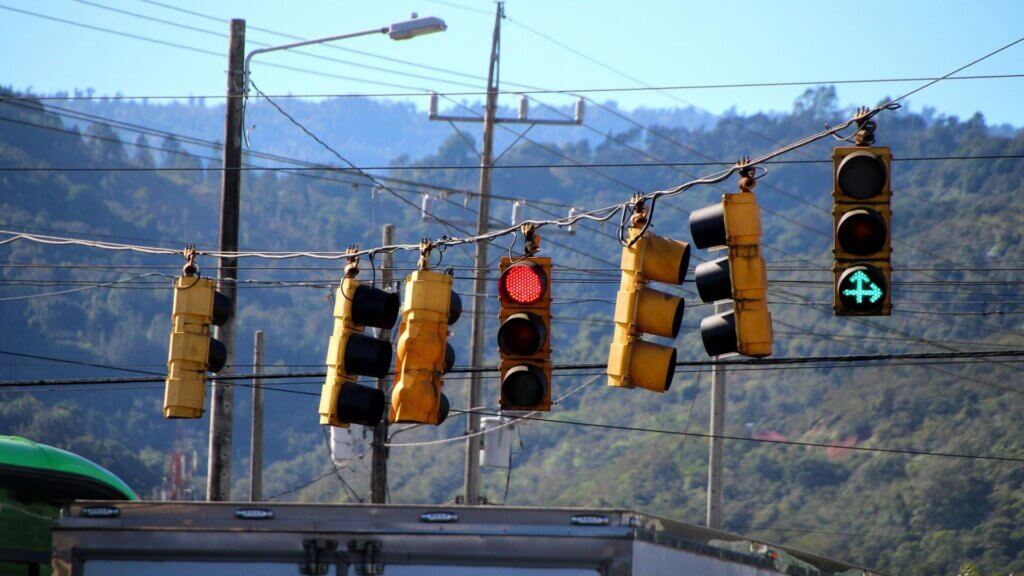
A proposal from researchers aims to add a new signal to American intersections, designed to help integrate autonomous vehicles into everyday driving. This piece explains the idea, how it would work, and what it could mean for human motorists, planners, and the auto industry.
A changing road landscape

Driving today is more complex than ever, with growing populations and diverse vehicle technologies sharing limited space. Human impatience and regional rule differences create stress behind the wheel, prompting engineers to seek smarter ways to manage movement.
Why a new signal is being proposed

The three-color system has served us for decades, yet it was not built with autonomous systems in mind. Experts suggest that a fourth indicator could clarify when automated vehicles are coordinating maneuvers, improving predictability for all road users.
Origin of the concept

A team at North Carolina State University developed the idea, envisioning a distinct visual cue that tells human drivers when to follow the flow established by self-driving machines. The proposal stems from trials in distributed control and vehicle-to-infrastructure research.
Why designers chose white

White was selected for its contrast with conventional colors, and because it offers clear visibility under varied lighting conditions. Planners favored a neutral hue to avoid confusion with existing red, yellow, and green meanings.
When the new phase would activate

This signal would appear only in situations where enough autonomous units are present to manage passage safely, in essence delegating short-term control to a network of cooperating cars. Otherwise, conventional sequencing remains in force.
How autonomous systems would coordinate

Vehicles would exchange local data with each other and with the signal through distributed computing, creating a dynamic plan for crossing or turning. That collaborative approach aims to smooth flow and reduce stop-and-go behavior.
Safety and fallback mechanisms
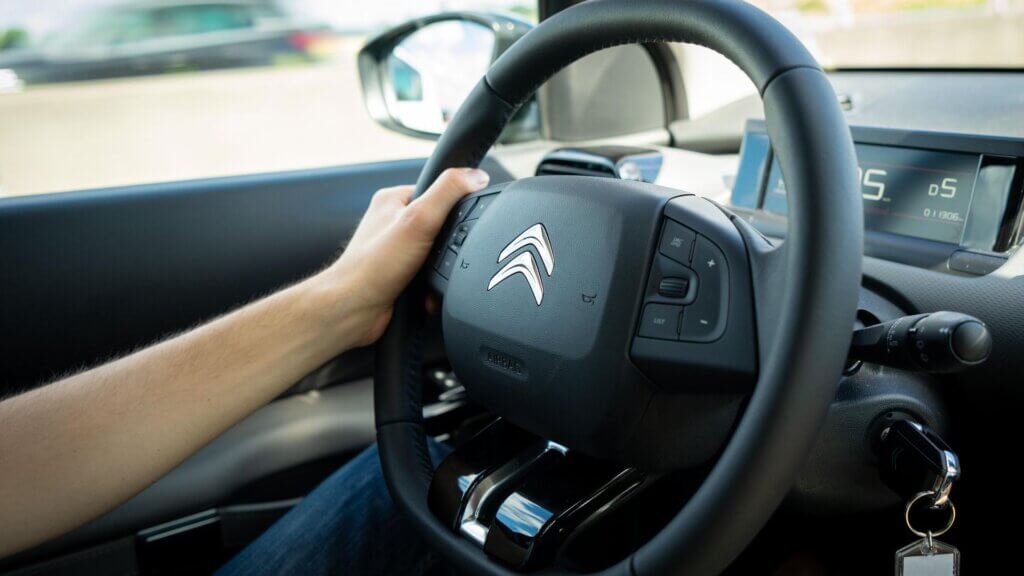
If autonomous participation drops, the intersection would revert to normal operation, maintaining predictable rules for human operators. This built-in fallback helps preserve safety while allowing innovation to unfold gradually.
Industry interest and market context
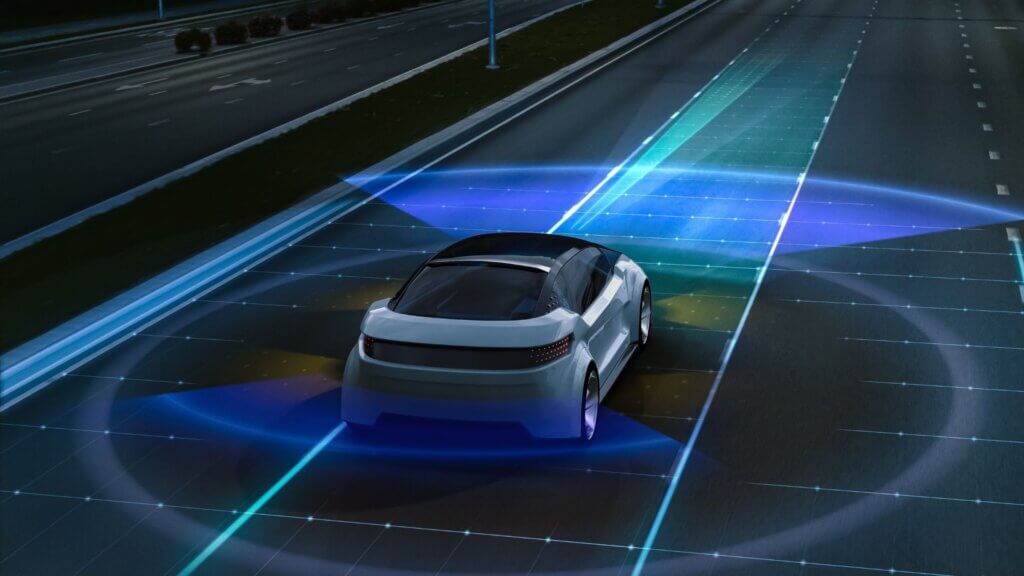
Major manufacturers and technology firms are already developing self-driving services and components, making such coordination conceivable on busy urban corridors. Market forecasts also predict rapid expansion of the autonomous sector over the coming years.
Potential benefits and remaining questions

Proponents highlight gains in efficiency and fuel economy, and suggest fewer human-error crashes could result, yet real-world tests are required to confirm outcomes. Acceptance will hinge on clear signage, robust testing, and sound policy choices.