

Products are selected by our editors, we may earn commission from links on this page.
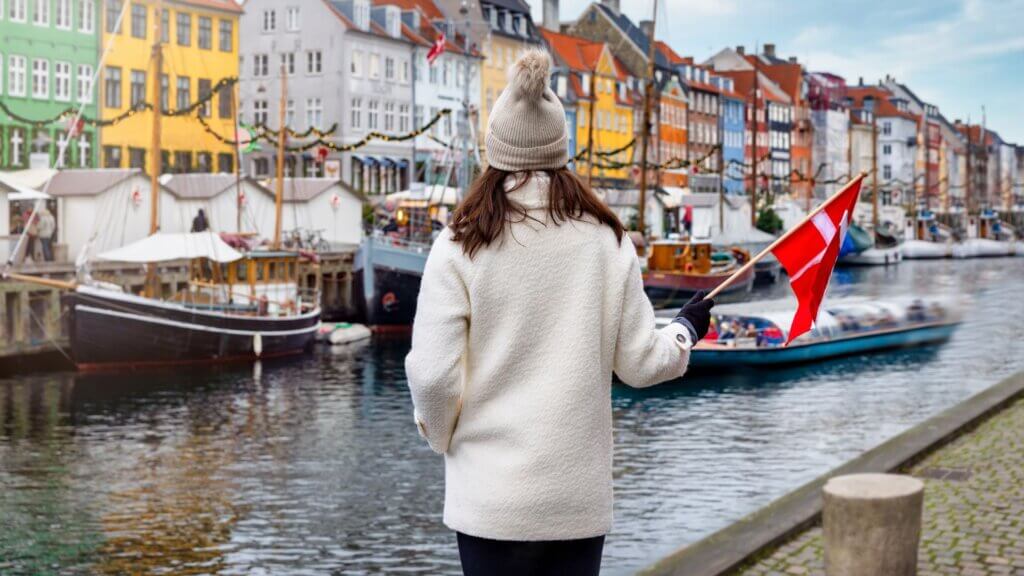
Denmark, widely regarded as a model of social stability and well-being, is now immersed in a complex debate over immigration. What once appeared to be a practical conversation about labor needs has evolved into a deeper discussion about identity, belonging, and national priorities. The following sections examine the events and perspectives that explain this notable shift.
A Sudden Shock at Roskilde University
International students preparing to study business and leadership at Roskilde University were taken by surprise when their program was suddenly discontinued, despite the institution’s long-standing success in attracting foreign applicants and generating revenue from global enrollment.
Concerns Over Alternative Entry Routes

Authorities expressed suspicion that some students, especially from Bangladesh, might have used the academic program as a workaround to enter Denmark under more flexible conditions than those permitted by tightened work regulations.
A Government Marking Its Position

The closure, supported by Prime Minister Mette Frederiksen’s Social Democrats, highlighted a decisive political stance on immigration. Its timing, just weeks before local elections, underscored the government’s intent to show firmness on the issue.
Identity Taking Precedence Over Economics

Observers note that the national conversation has shifted from economic arguments to cultural ones, with many Danes now framing immigration in terms of identity, social cohesion, and shared values rather than labor shortages or growth.
Trust as the Cornerstone of the Welfare System

Denmark’s welfare model depends on high levels of trust, rooted in the belief that everyone contributes fairly and respects common rules. For many citizens, the arrival of newcomers challenges this balance unless integration is perceived as successful.
Asylum Policies Drawing European Attention

Denmark’s strict approach to asylum, built around temporary protections, limited family reunification, and the possibility of revoking residency when conditions improve abroad, has become an influential model admired by more conservative European leaders.
Rhetoric Reflecting Broader Political Divides
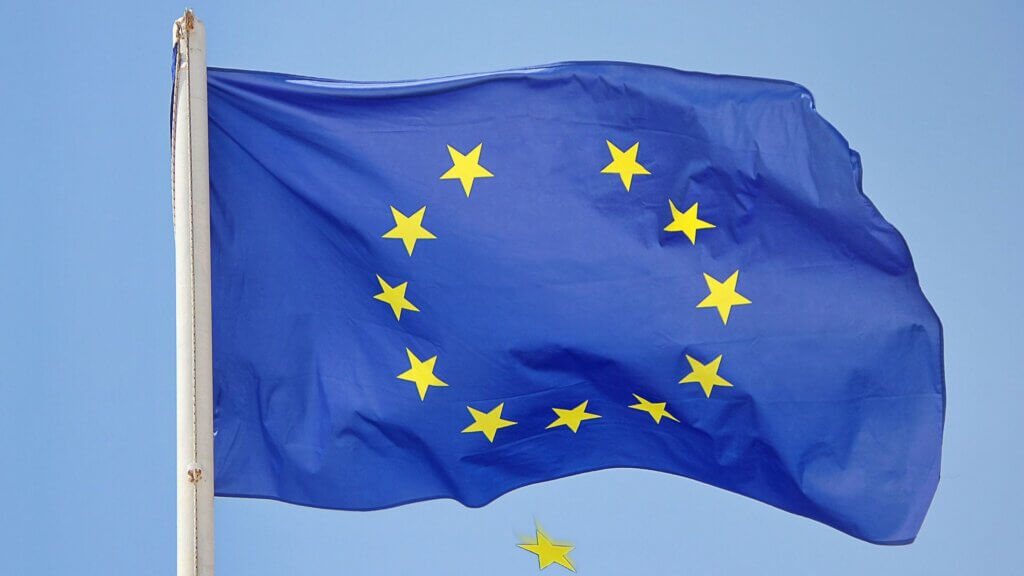
Analysts compare the Danish debate to the tone of the Brexit discussions, where economic concerns eventually gave way to disputes about sovereignty and identity, leading to sharper rhetoric and reduced room for compromise.
A Stark Contrast With Sweden’s Experience
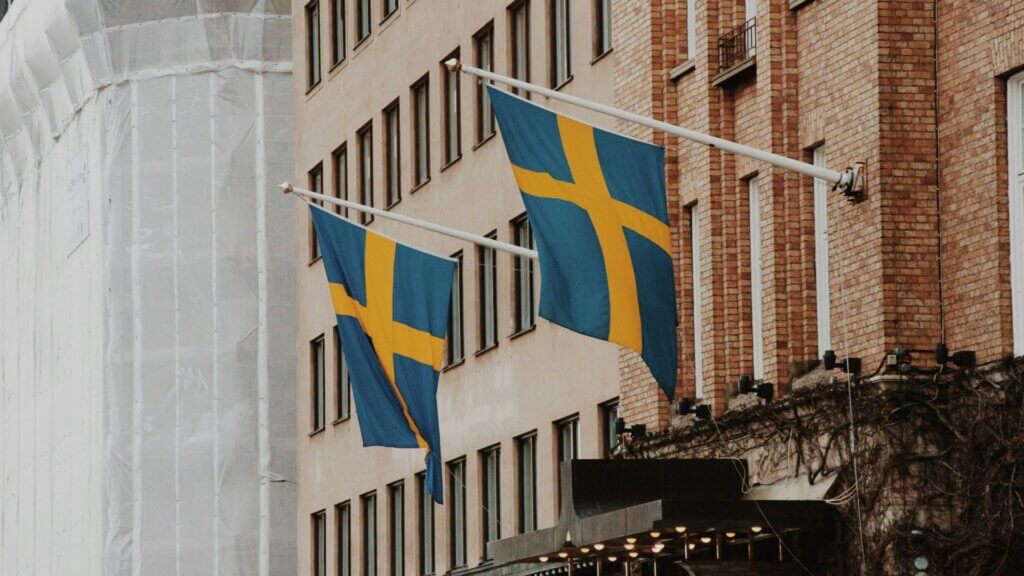
Across the strait, Sweden illustrates how early openness to asylum seekers can give rise to political backlash, particularly when concerns about crime, integration, and social pressure emerge, resulting in a significant policy shift.
A Labor Market in Need of Workers

Despite political caution, Denmark faces profound demographic challenges, including an aging population and shortages in essential professions. This reality has led the government to pursue agreements encouraging non-European workers to enter specialized and understaffed sectors.
A Future Defined by Nuanced Public Opinion

Although political parties often frame immigration in uncompromising terms, Danish voters increasingly express more layered views, focusing on how newcomers should integrate rather than on whether they should arrive at all. Whether this perspective will influence future debates across Europe remains an open question.