

Products are selected by our editors, we may earn commission from links on this page.
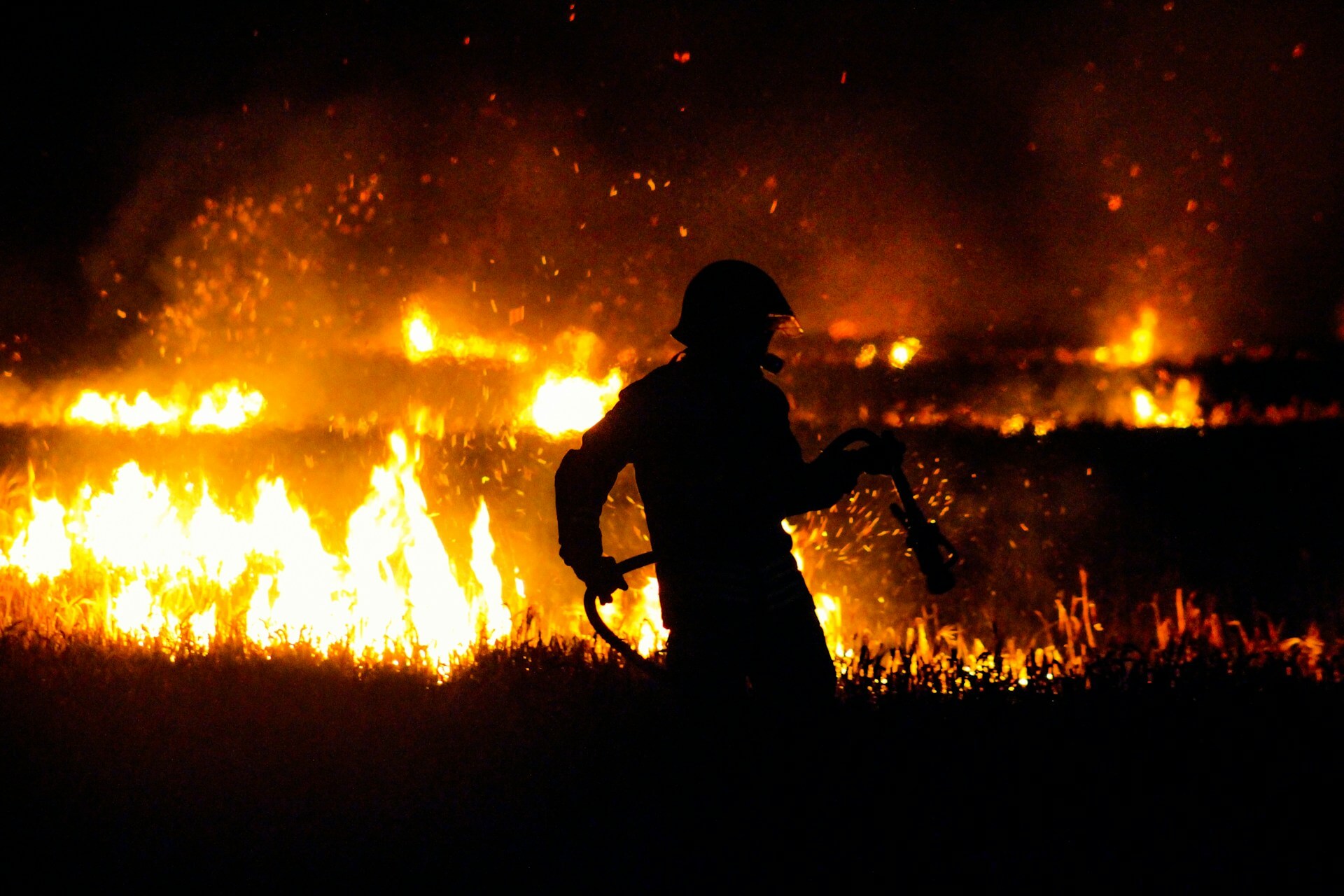
Nebraska is facing the largest wildfires in its history, with four major blazes tearing across central and western parts of the state. Collectively, the fires have burned nearly 750,000 acres of land, prompting a state of emergency and an all-hands-on-deck response from local, state and federal agencies. What began as scattered incidents quickly escalated into a historic disaster.
The largest of the fires, the Morrill Fire, alone has burned well over half a million acres, stretching across multiple counties in western Nebraska. It has been described as the largest wildfire in state history and among the biggest in the United States in recent years. The sheer size of the blaze has made containment efforts extraordinarily challenging.
Altogether, the four fires have consumed an area larger than some U.S. states. In fact, separate reports note that around 1,300 square miles, roughly 3,367 square kilometers, have been burned, an area larger than Rhode Island. For a state more commonly associated with sweeping prairie than megafires, the scale has stunned residents and officials alike.
A State of Emergency and a Race to Contain the Flames

As the fires intensified, Gov. Jim Pillen declared a state of emergency and mobilized resources across Nebraska. National Guard soldiers and airmen were deployed to assist local crews, along with aircraft capable of conducting aerial water drops. Federal support was also secured through a Fire Management Assistance Grant to help offset the mounting costs of battling the blazes.
Despite some progress when winds briefly eased, danger continues to loom. Officials have warned that even with slightly calmer conditions, gusts of up to 30 miles per hour combined with warming temperatures could allow flames to jump containment lines. In other words, the situation remains volatile.
Containment levels vary widely between the fires. At one point, the Morrill Fire remained less than 20% contained , underscoring how difficult it has been to gain control over the sprawling inferno. Crews have been digging trenches, cutting fire lines and extinguishing hotspots within containment zones, but forecasts of stronger winds and near-record heat threaten to undo hard-won progress.
Lives Lost, Homes Threatened and Ranchers Reeling
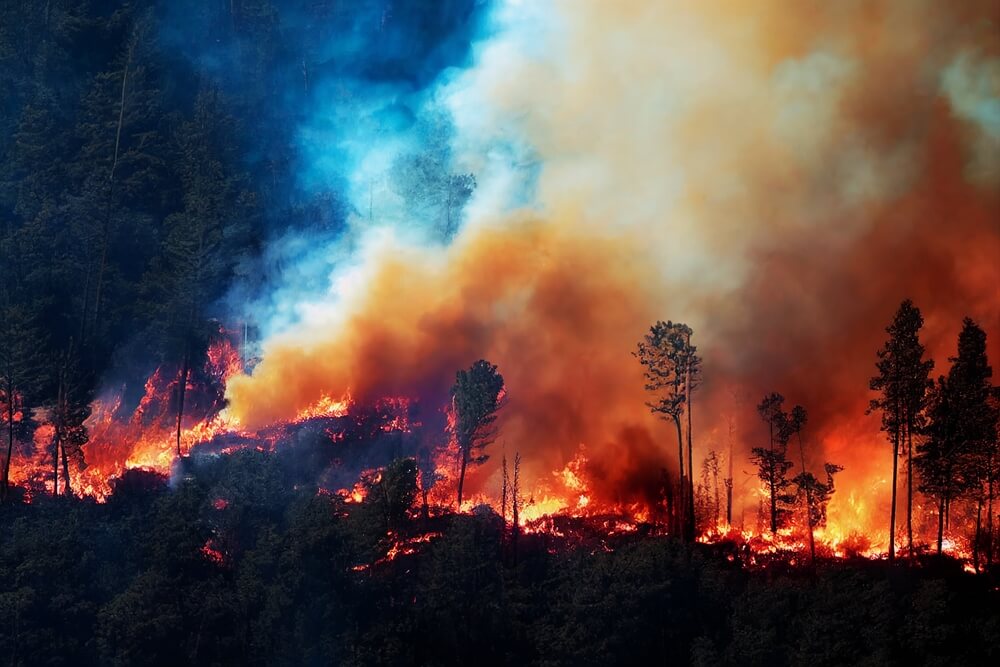
The human toll of the fires has already become painfully clear. At least one person, an 86-year-old woman from rural Arthur, died while trying to escape the fast-moving flames. Officials have repeatedly asked for prayers for firefighters and families whose lives have been upended.
Dozens of structures have burned, and evacuations have been ordered in some areas, including neighborhoods near the Cottonwood Fire. Forested sections filled with red cedar have proven especially difficult to defend, requiring hand crews to cut fire lines close to the active burn zones.
The economic impact may linger long after the smoke clears. The Morrill Fire alone has scorched grazing land that supports more than 35,000 head of cattle, and experts warn that it could take several growing seasons for the land to recover. For ranchers already operating on tight margins, the loss of pasture could ripple through the agricultural economy for years.
A “Recipe for Disaster” Fueled by Heat, Wind and Drought
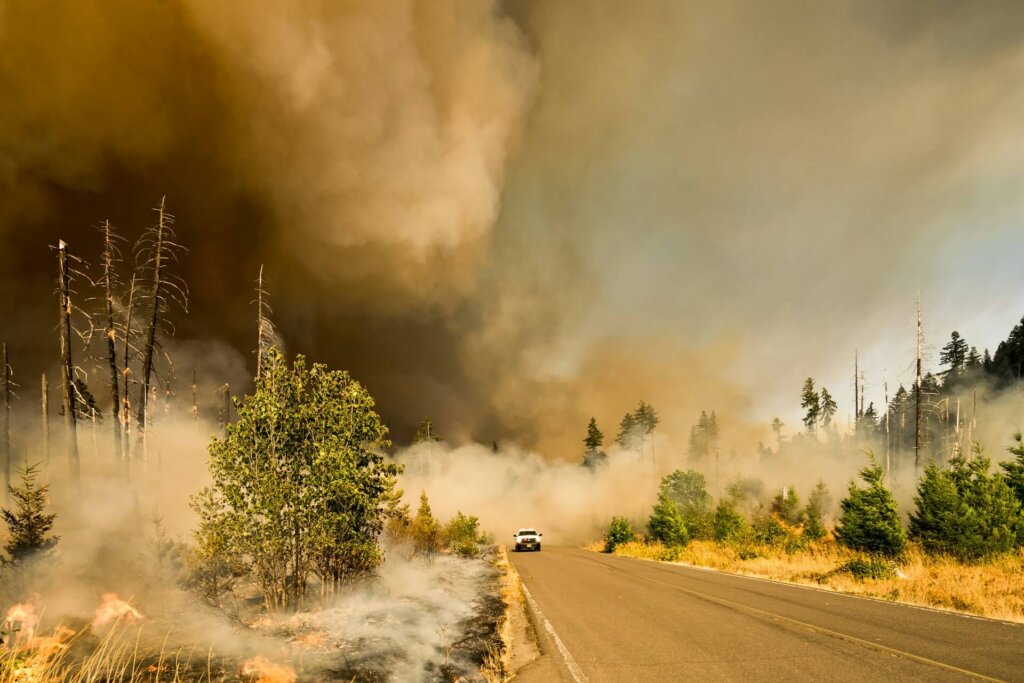
Fire officials say the conditions leading up to the disaster were primed for catastrophe. A lack of field moisture combined with powerful winds created what one Wyoming fire chief described as a “recipe for disaster”. When winds reached 70 mph, he added, there was little anyone could do to stop the rapid spread of the flames.
Unseasonal heat has also played a critical role. Temperatures in the 80s Fahrenheit, paired with low humidity and extreme drought, significantly increased fire risk across the region. Experts warn that wildfire season is no longer confined to summer months, as dry vegetation and shifting climate patterns have made fires a year-round threat.
Research shows that wildfires in the western United States are spreading more quickly as hotter, drier conditions become more common. In Nebraska, a state not historically known for megafires, that broader trend is now playing out in real time. As crews continue to battle the flames and brace for more dangerous weather, one thing is clear: this emergency may be historic, but it may not be the last of its kind.