

Products are selected by our editors, we may earn commission from links on this page.
Moringa oleifera has gained a devoted following in the wellness market, often promoted as a nutrient-dense “superfood”. Native to parts of South Asia and Africa, the plant’s leaves contain vitamins, minerals and antioxidants, and moringa powders and capsules are widely marketed for immune support, digestion and energy. On platforms like TikTok, moringa products became part of a growing TikTok trend centered on “cleanse” routines and daily supplement stacks, helping newer brands reach national audiences quickly.
Rosabella was one of those brands. Its moringa capsules were sold primarily online, including through Tryrosabella.com and TikTok Shop, with additional third-party sales reported on eBay and Shein. The product came in white plastic bottles with green labels and expiration dates in 2027, distributed nationwide.
On February 13, 2026, federal health officials announced a multistate outbreak of Salmonella Newport infections linked to certain lots of Rosabella-brand moringa capsules. The FDA recommended a recall, and Ambrosia Brands, LLC agreed to conduct a voluntary recall of 52 lot codes.
A Rare and Drug-Resistant Salmonella Strain
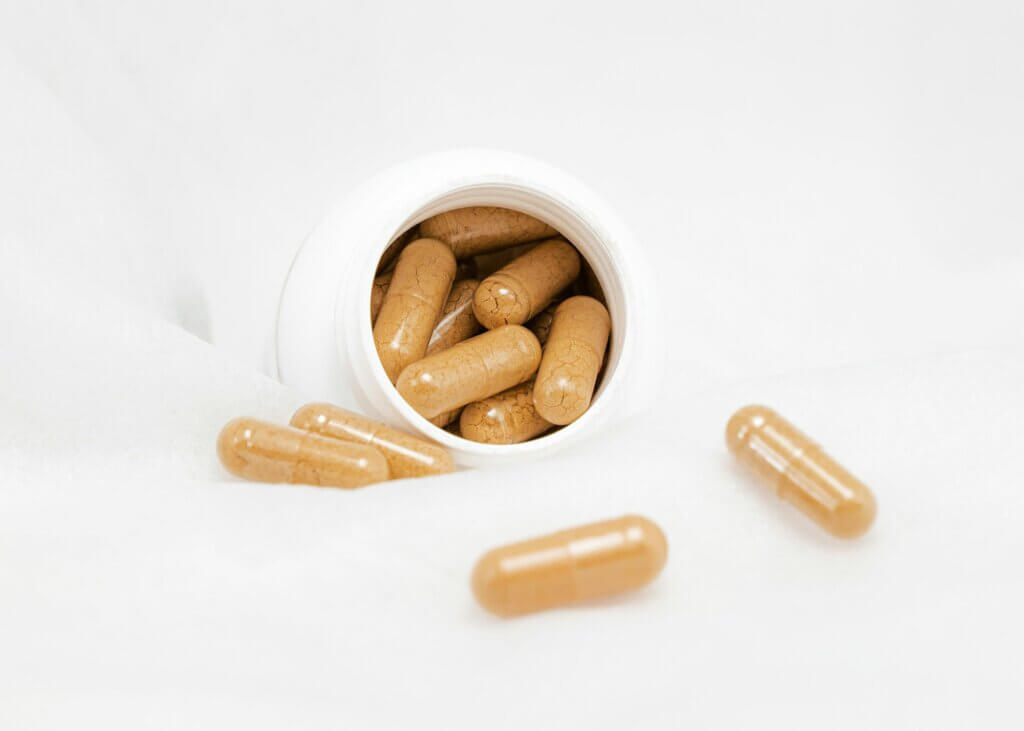
According to the Centers for Disease Control and Prevention (CDC), seven people across seven states were infected with the outbreak strain. Three were hospitalized. No deaths have been reported. Illness onset dates ranged from November 7, 2025, to January 8, 2026.
What distinguishes this outbreak is the strain’s resistance profile. The CDC and FDA identified the bacteria as extensively drug-resistant, meaning it is resistant to all first-line and alternative antibiotics commonly recommended for treating Salmonella infections.
The strain also carries the NDM-1 carbapenemase gene, which can confer resistance to carbapenems, antibiotics often reserved for severe infections. Health officials advised clinicians to tailor treatment to antimicrobial susceptibility testing results and to consider consultation with infectious disease specialists for complicated cases.
What Consumers Need to Know
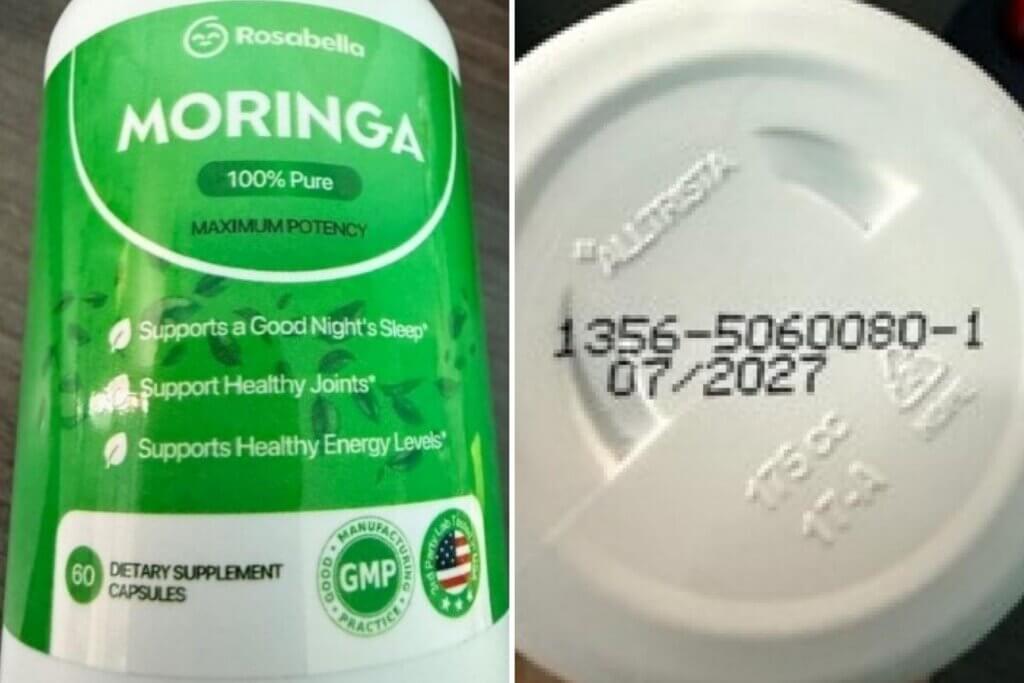
The FDA investigation identified 52 affected lot codes, all with expiration dates between March 2027 and November 2027. Lot codes are printed on the bottom of the bottle and represent the middle seven digits above the expiration date.
Federal guidance instructs consumers not to eat, sell or distribute the affected capsules and to discard them or return them to the place of purchase. Surfaces or containers that may have come into contact with the capsules should be cleaned and sanitized to reduce the risk of cross-contamination.
Symptoms of Salmonella infection typically begin 6 hours to 6 days after exposure and include diarrhea, fever and abdominal cramps. Children younger than five, adults 65 and older, and people with weakened immune systems are at higher risk of severe illness. Health officials advise contacting a healthcare provider immediately if severe symptoms develop.
A Broader Debate Over Supplement Oversight
Ambrosia Brands, LLC, based in New York, announced the recall on February 13, 2026, citing possible contamination with Salmonella. The company stated that the affected lots were sold directly to consumers nationwide and acknowledged possible unauthorized third-party distribution through online marketplaces.
Under the Dietary Supplement Health and Education Act of 1994, supplements do not require FDA pre-market approval for safety or efficacy. Manufacturers are responsible for verifying product safety before sale. The FDA can recommend recalls and has mandatory recall authority under certain conditions, though most supplement recalls remain voluntary.
The CDC emphasized that this outbreak is separate from another Salmonella investigation linked to moringa-containing supplements in 2025. The investigation remains ongoing as federal and state partners continue tracing the source of contamination.