

Products are selected by our editors, we may earn commission from links on this page.
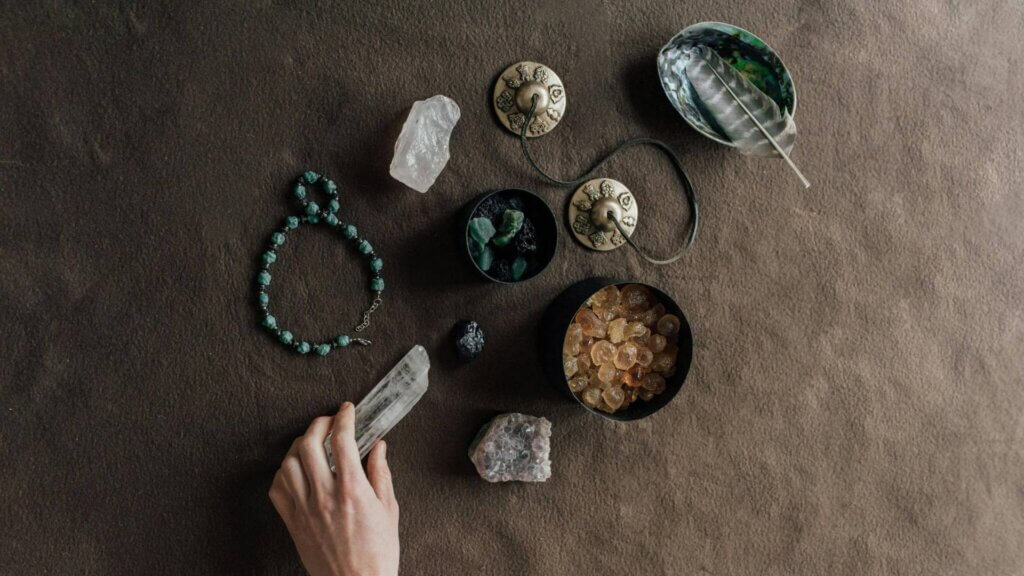
The digital landscape has transformed how we engage with spiritual wellness, offering unprecedented access to practices and philosophies.
However, critics argue that internet trends often dilute profound concepts, fostering superficiality over genuine growth.
Authentic Practice Replaced By Trendy Aesthetics
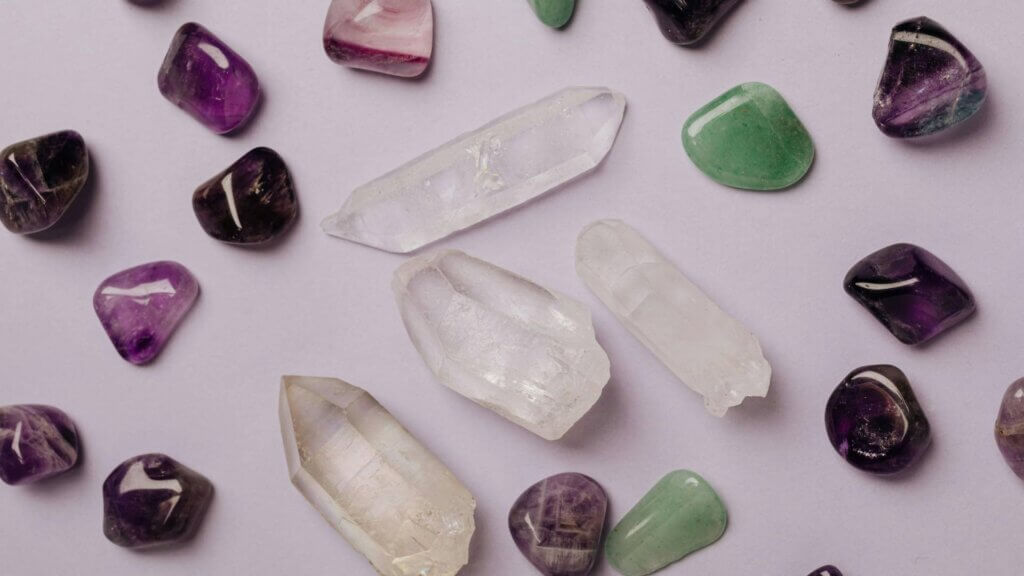
Scrolling through your feed, spirituality can start to look like a Pinterest board—crystals, aura nails, incense reels. But behind the filters, traditional practices often get watered down. Many online trends prioritize style over substance, leaving little room for depth or genuine connection to the roots of these rituals.
Cultural Appropriation
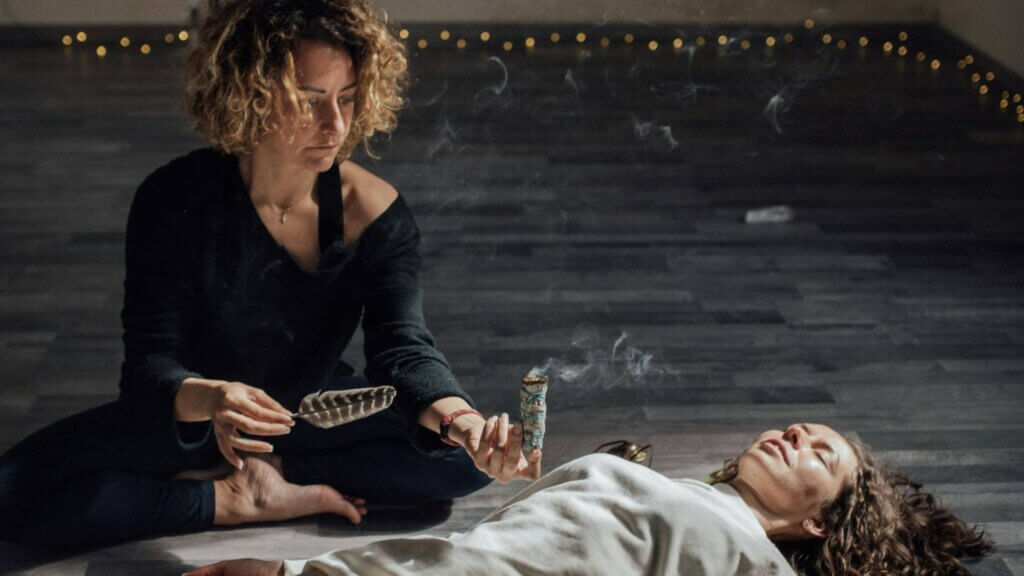
Spiritual tools from marginalized cultures, like sage smudging or chakras, are widely misused without proper context. Often sold as “healing essentials,” these rituals become trendy props, stripping away their sacred origins. Many Indigenous voices continue to call for ethical engagement and deeper respect, not commodification.
Wannabe Wellness Gurus
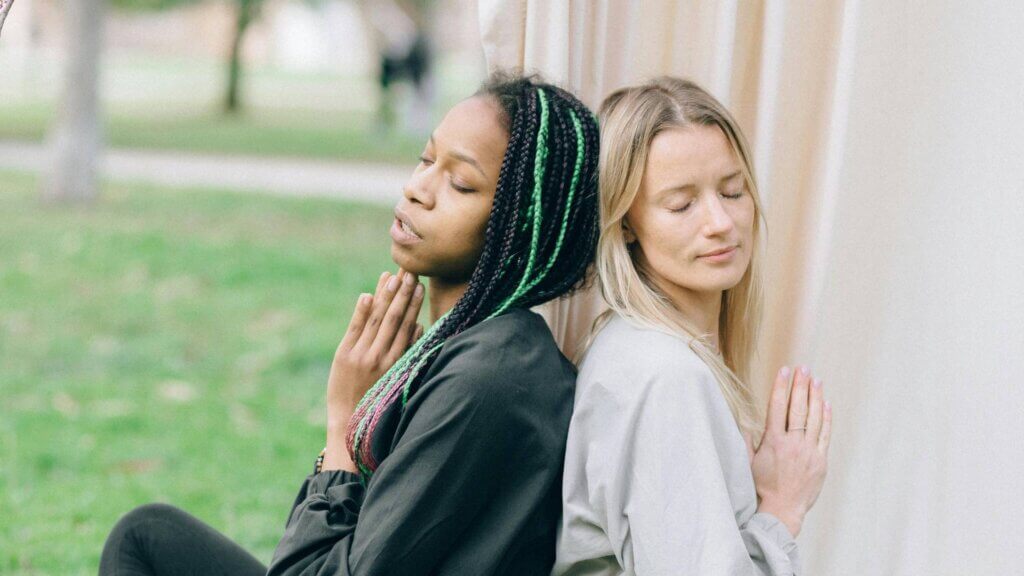
It’s easier to find someone with a ring light and a vibe than someone with credentials. Wellness influencers regularly share unverified health advice without evidence or responsibility. The result? A marketplace where pseudoscience can thrive unchecked.
Spirituality Has Become Just Another Self-Optimization Tool

Instead of transcending the ego, spiritual content now often feeds it. Manifestation, quantum jumping, and self-love rituals are marketed as though productivity hacks, promising better careers and relationships. The original goal of inner growth and community? It’s often replaced with trending hashtags.
Conspirituality and Misinformation

During the pandemic, conspiracy theories fused with spirituality online. Some influencers preached about energy vibrations while pushing anti-vax messages or QAnon content. This mashup, called “conspirituality,” undermined public health efforts and blurred the line between wellness and delusion.
Spirituality Is Being Measured Like Mental Health
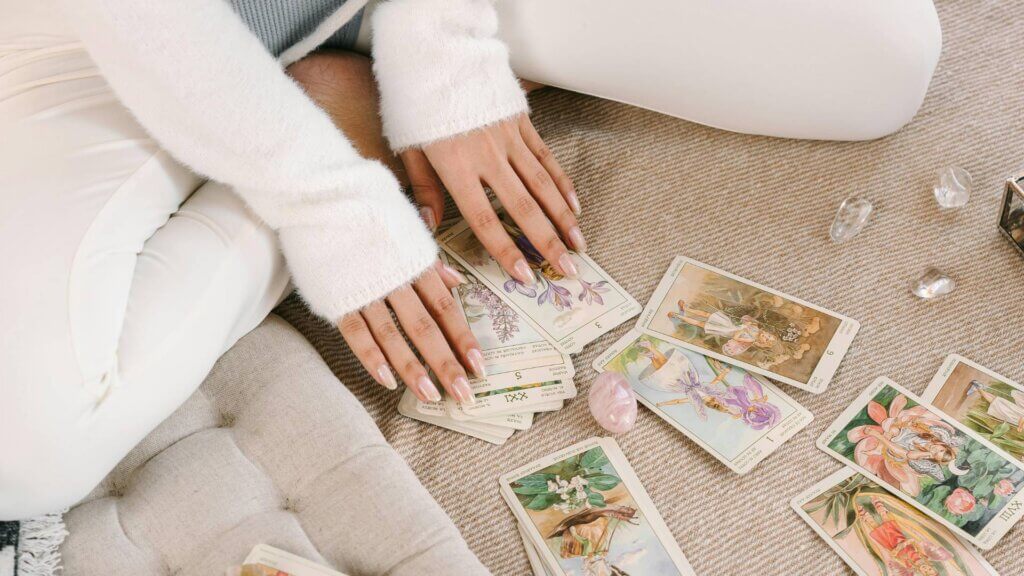
Modern wellness often quantifies spirituality in terms of gratitude, harmony, and positive energy. But can the divine be boiled down to checkboxes and mood scales? Researchers warn that spiritual well-being is often misrepresented by vague mental health proxies.
Anyone Can Sell You a Ritual Now
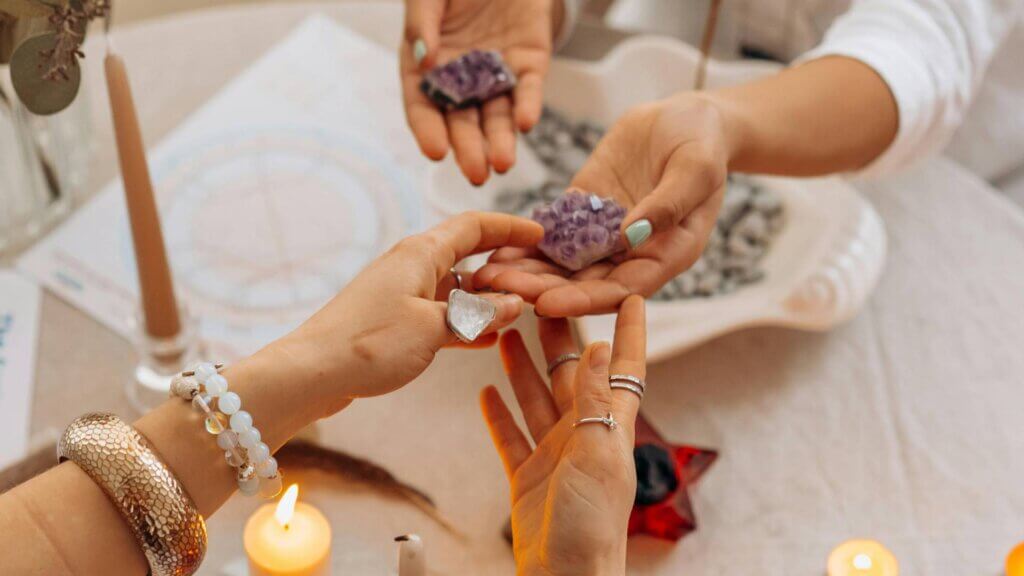
TikTok tarot readings, Zoom full-moon circles, and paid spell jars are booming—but who’s regulating them? In many cases, no one. Without tradition, training, or ethics, spiritual tools are becoming products, leaving seekers with inconsistent experiences and sometimes false hope.
Spiritual Narcissism Is Becoming a Personality Type
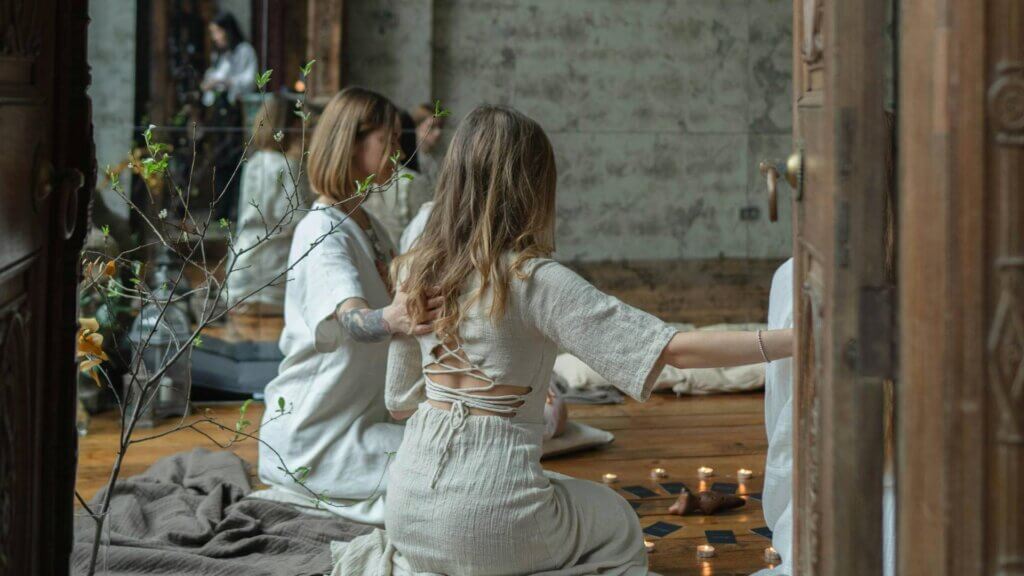
Influencers who preach love and light while selling $200 workshops are everywhere. Many have developed cult-like followings, blending spirituality with ego and personal branding. Instead of guiding others inward, they often position themselves as the main source of truth, no questions allowed.
The Quest for Authentic Wisdom
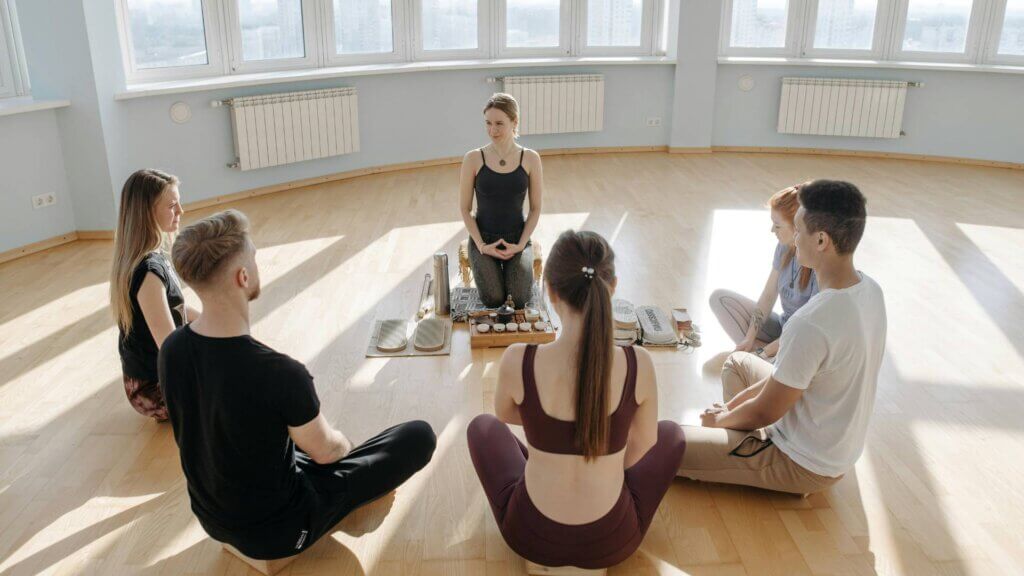
The internet’s vast reach has undeniably democratized access to spiritual wellness, yet it often presents a diluted version of profound wisdom. So, when tradition is replaced with trendiness and depth with dopamine, it’s easy to lose the point entirely.