

Products are selected by our editors, we may earn commission from links on this page.

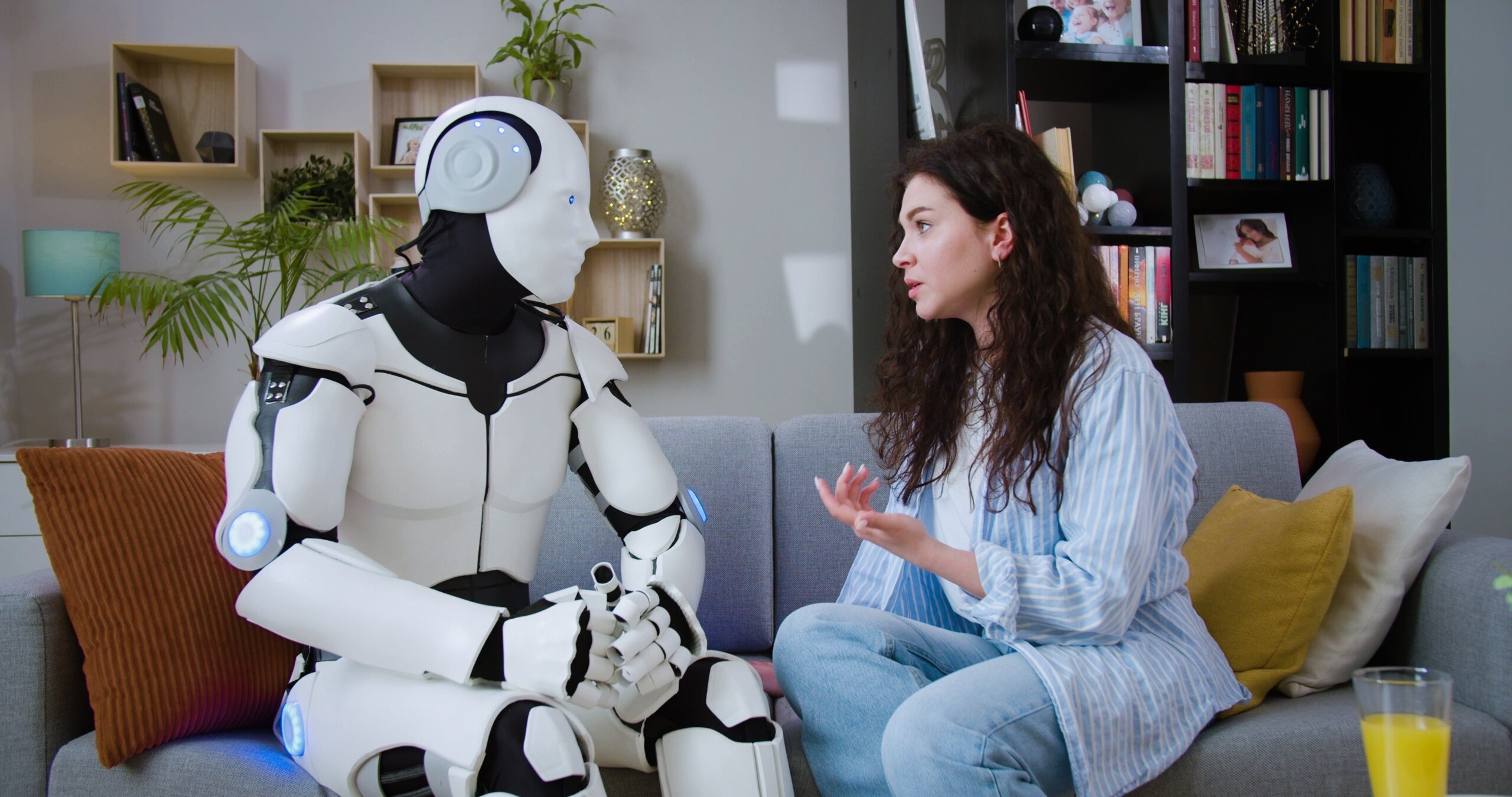
For some young people, an AI chatbot has become an always-available place to discuss feelings, friendships, family problems, and other personal concerns. A new study of nearly 40,000 students in Ontario, Canada, found that about one in five had used generative AI for emotional support or personal advice, raising questions about what may be driving young people toward machines instead of trusted adults.
Nearly 40,000 Students Took Part in the Study

Researchers analyzed responses from 39,761 students in grades 4 through 12 across four Ontario school boards. The students participated in the Ontario Health and Peer Relations Study between May 2025 and March 2026, and their average age was 12.8 years. Of the students surveyed, 8,408, or 21.1%, said they had used an AI chatbot to help with their feelings or to get advice about relationships with friends, parents, or other people.
Emotional-Support Users Were More Likely to Be Struggling

The difference in emotional well-being was striking. Among students who said they had turned to AI for emotional support, 57.7% met the study’s threshold for clinical-level emotional problems, compared with 29.2% of students who had not used AI in that way. The researchers found that emotional-support users also reported greater loneliness and a lower sense that they mattered to other people.
The Numbers Changed After Researchers Adjusted for Other Factors

The researchers also considered factors including age, gender, race, grade, loneliness, sense of mattering, and AI use for schoolwork. After those adjustments, the association remained, with clinical-level emotional problems still 26% more common among students who used AI for emotional support. That makes the finding more than a simple comparison between students who were lonely and students who were not, although it still does not establish that AI caused the emotional difficulties.
Older Students Were More Likely to Turn to AI

The use of AI for personal support increased with age in the study. About 16.2% of students in grades 4 through 6 reported using AI for emotional help, compared with 25.6% among high school students. The researchers also found higher rates among girls, gender-diverse students, and racialized students, groups that also reported greater levels of emotional difficulties.
AI Use for Schoolwork Was Connected to Emotional Use

The study separated emotional or relationship-related AI use from functional use such as schoolwork, and the distinction was important. Overall, 43.2% of students had used AI for schoolwork at least once, while emotional-support use was more common among students who used AI heavily for academic purposes, rising from 14.4% among students who had never used AI for homework to 40.6% among the heaviest users. Researchers said the association between school-related AI use and emotional problems was much weaker than the relationship observed with emotional-support use.
Researchers Are Concerned About AI Becoming a Substitute for People

Researchers say the concern is not simply that a young person has talked to a chatbot, but that AI could become a substitute for meaningful human connection. Chatbots are available around the clock and can feel private and nonjudgmental, but they do not provide the same kind of human understanding, professional assessment, or crisis support that a qualified mental health professional can offer.
A Chatbot Conversation Does Not Prove AI Caused the Distress

One of the most important details is that this was a cross-sectional study, meaning researchers measured AI use and emotional health at the same point in time. The findings therefore cannot establish whether struggling students were more likely to seek support from AI, whether AI use contributed to worsening emotional health, or whether both factors influenced each other. The researchers describe emotional-support AI use as a potential marker that a young person may need more connection and support, rather than proof that the technology caused the problem.
Researchers Want Adults to Pay Attention Without Shaming Students

The researchers say adults should treat a student’s use of AI for emotional support as an opportunity for an open and nonjudgmental conversation. Rather than simply banning the technology or criticizing a young person for using it, parents, educators and clinicians can ask what the student was looking for, and whether they have people they feel comfortable turning to when they need help. The research team is also conducting longer-term work to determine whether emotional AI use helps or harms young people’s mental health over time.
The Bigger Concern May Be What Drives Students to AI

The new research does not show that AI chatbots are causing emotional problems among young people, but it does reveal how common emotional reliance on these systems has become and how strongly that behavior is associated with distress. With 21.1% of the students reporting emotional or relationship-related AI use and those students showing substantially higher rates of clinical-level emotional problems, researchers say the behavior deserves attention rather than dismissal. The most important response may be making it easier for young people to find trusted adults, supportive relationships, and qualified help when they need someone to talk to.