

Products are selected by our editors, we may earn commission from links on this page.
Fashion has never been just about getting dressed. Across centuries, clothing has reflected status, identity, social change, rebellion, and the desire for self-expression. From the symbolic jewelry and garments of Ancient Egypt to the experimental styles of Y2K, certain eras have left an especially strong mark on what people wear. This journey through 10 influential fashion eras pairs each period with the signature piece that best captures its defining style.
Ancient Egypt: The Linen Shendyt
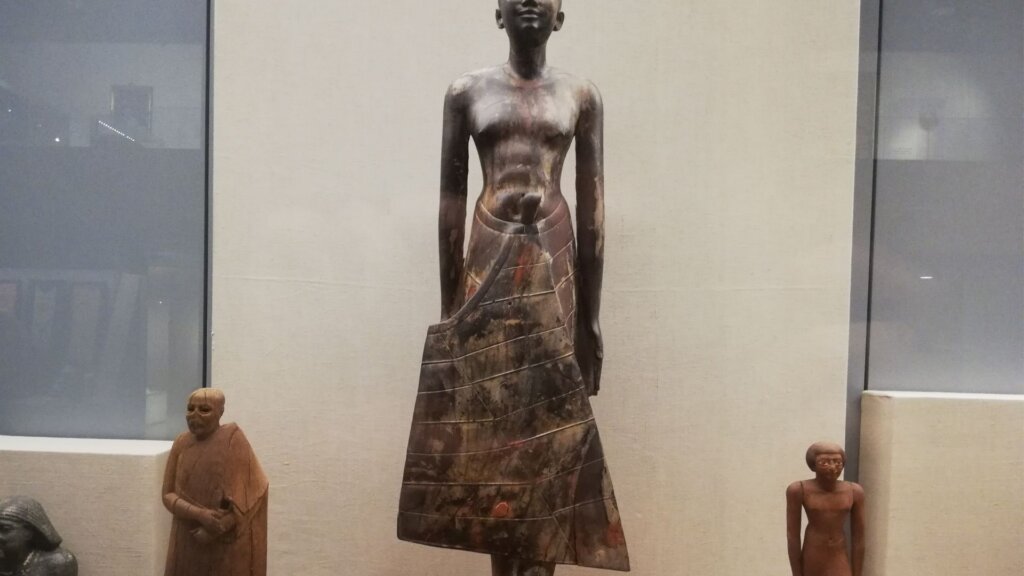
Ancient Egyptian fashion connected clothing with status, religion, and identity, while jewelry, color, and artistic embellishments carried particular significance. One of its recognizable garments was the linen shendyt, a wrap-style skirt associated with the period. Its simple construction contrasts with the elaborate visual language surrounding Egyptian dress. The era also influenced later fashions in Greece and Rome, showing how its distinctive approach continued beyond its own time.
Rococo: The Robe à la Française
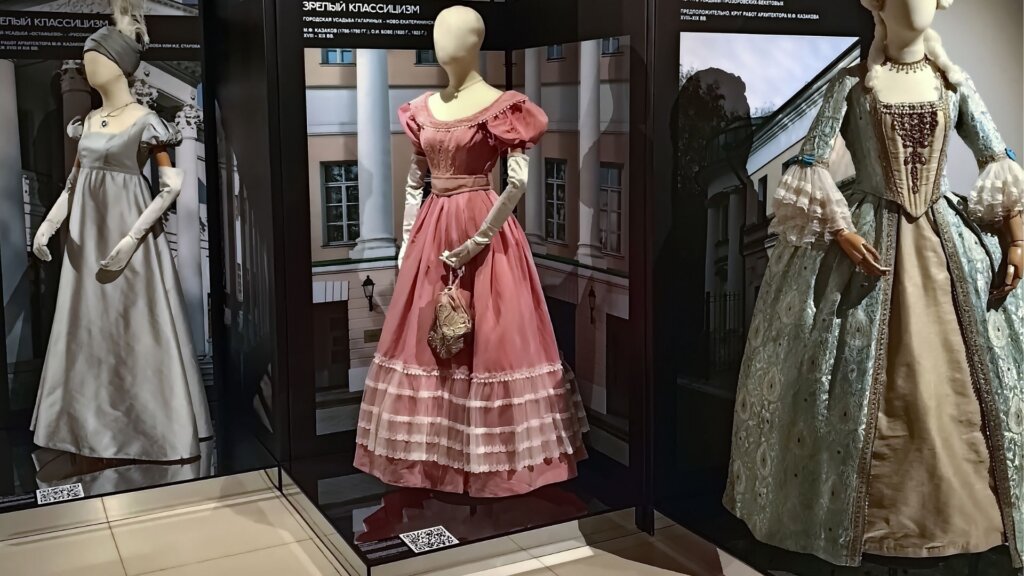
The 18th-century Rococo era brought an extravagant and playful approach to dressing. Lace, ribbons, pastel colors, lavish fabrics, and decorative details created an intentionally ornate aesthetic. The robe à la française became a recognizable garment of the period, featuring a fitted bodice and a wide, structured skirt. Its elaborate appearance captured the era’s love of ornamentation and demonstrated how clothing could become an important expression of wealth and refinement.
Victorian Era: The Bustle Dress
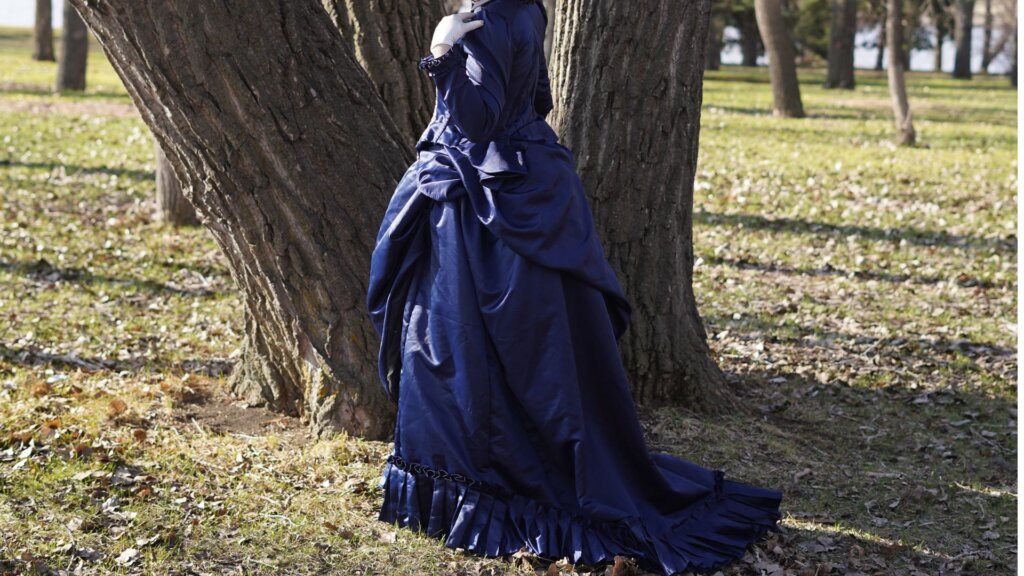
Victorian fashion emphasized refinement, modesty, formality, and carefully structured silhouettes. Corsets, full skirts, high collars, and ornate embellishments helped define the period’s distinctive appearance. The bustle dress became an especially recognizable example, using additional structure beneath the skirt to create fullness at the back. Although the silhouette could be elaborate and restrictive, it reflected the era’s emphasis on formal presentation and demonstrated how dramatically clothing could shape the body.
The Roaring 20s: The Flapper Dress
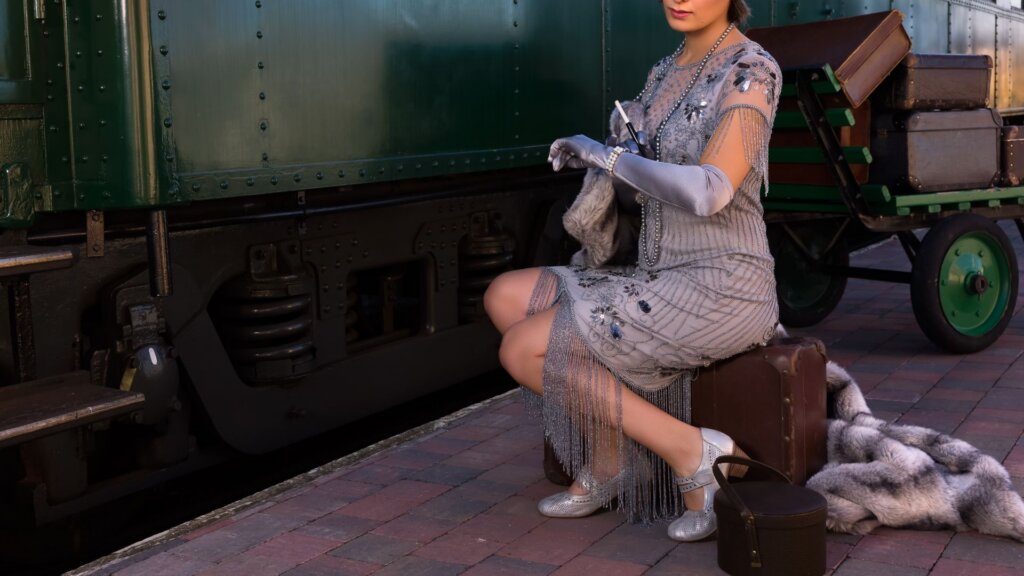
The 1920s represented a dramatic departure from many restrictive styles associated with earlier decades. Women embraced shorter skirts, lower waistlines, looser shapes, and clothing that allowed greater freedom of movement. The flapper dress became a defining symbol of this transformation, with its straight and relaxed silhouette reflecting the decade’s energetic spirit. Its simpler shape represented a significant change in women’s fashion and helped establish the modern appeal of more practical, comfortable clothing.
Old Hollywood Glamour: The Bias-Cut Gown
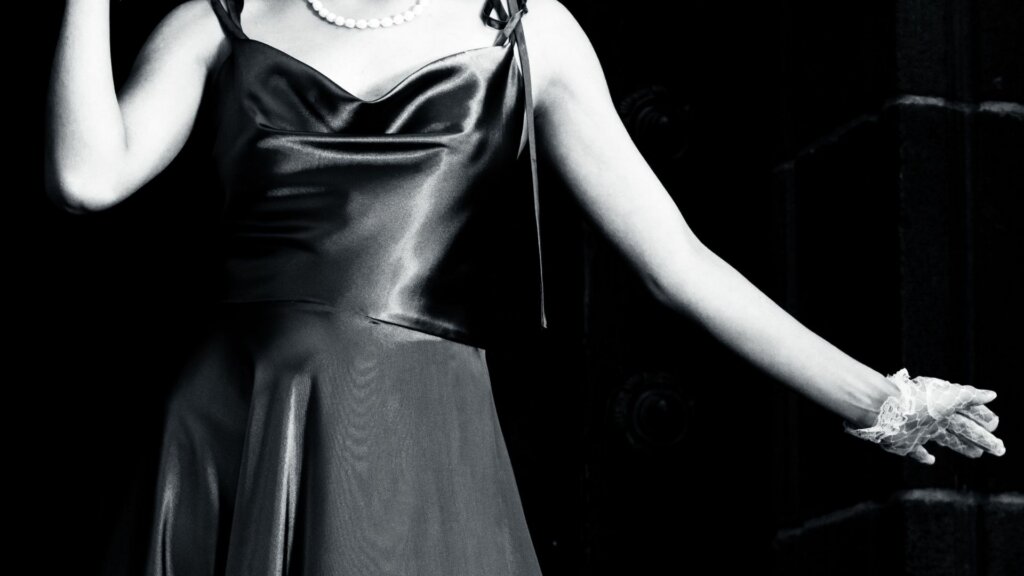
During the 1930s and 1940s, Hollywood stars became powerful influences on fashion, bringing cinematic glamour into everyday style. Elegant gowns, sophisticated fabrics, gloves, and polished silhouettes helped establish the period’s luxurious aesthetic. The bias-cut gown became particularly distinctive because its construction allowed fabric to drape smoothly across the body. This approach created a fluid silhouette that emphasized elegance and helped establish the glamorous image associated with classic Hollywood fashion.
War-Era Fashion: The A-Line Skirt
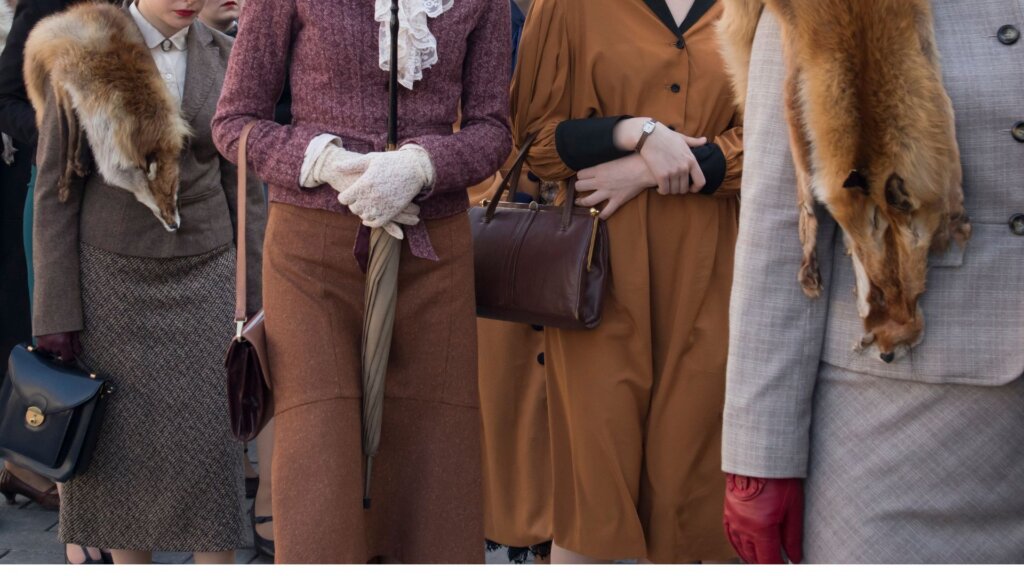
World War II transformed fashion by making practicality a necessity. Fabric rationing encouraged simpler clothing, while designers and wearers found ways to maintain structure while using fewer materials. The A-line skirt represented the straightforward, practical approach that became important during this period. Its relatively simple shape reflected changing circumstances and showed how major historical events could influence everyday clothing. Fashion during wartime demonstrated that style could adapt even when resources were limited.
Hippie Era: Bell Bottoms
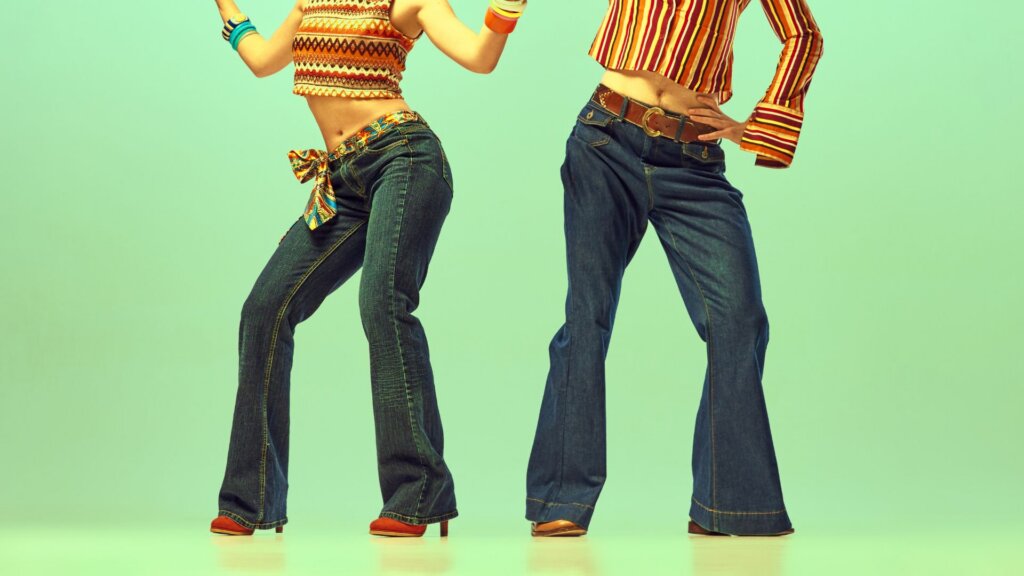
The late 1960s and early 1970s brought fashion centered on freedom, rebellion, and individual expression. Bohemian clothing, colorful patterns, and expressive accessories became associated with a generation challenging established conventions. Bell bottoms became one of the era’s clearest fashion symbols, fitting closely through the waist and thighs before dramatically flaring below the knee. Their distinctive shape captured the playful and unconventional spirit of the period and remains instantly recognizable today.
Power Dressing: The Shoulder-Padded Blazer
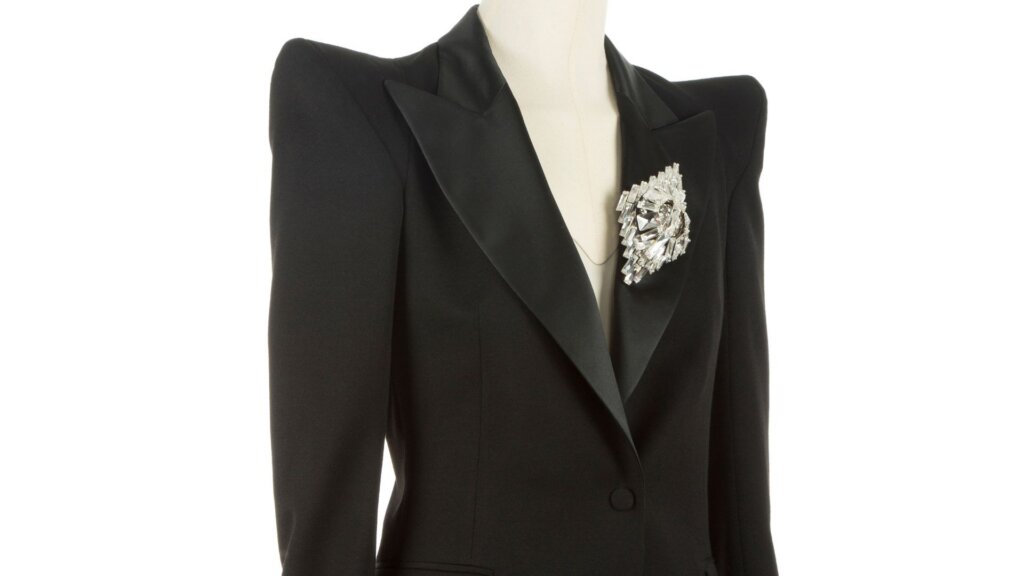
The 1980s embraced bold colors, dramatic silhouettes, oversized accessories, and confident styling. Power dressing became one of the decade’s defining approaches, particularly as clothing increasingly communicated authority and ambition. The shoulder-padded blazer captured that attitude with its structured shape and emphasized shoulders, creating a commanding silhouette. Its popularity demonstrated how fashion could communicate confidence and professional identity while turning a practical wardrobe staple into a statement piece.
Y2K: Low-Rise Jeans
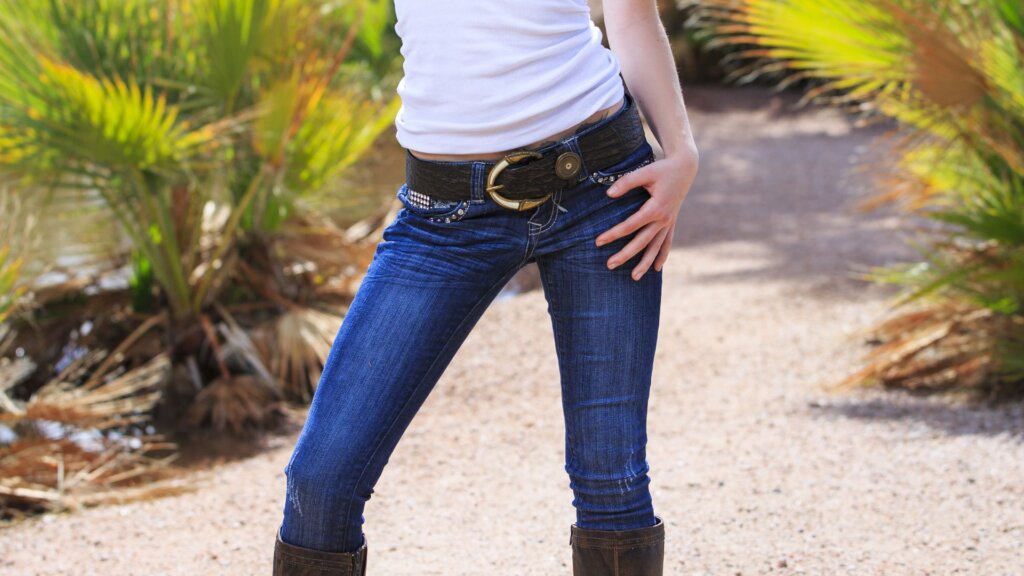
Y2K fashion embraced experimentation, futuristic details, youthful styling, and deliberately eye-catching combinations. Low-rise jeans became one of the era’s most recognizable pieces, frequently appearing alongside fitted tops and other revealing silhouettes. The trend eventually disappeared from the mainstream before returning decades later as Y2K fashion experienced a revival. Its resurgence demonstrates how fashion cycles can bring once-dated styles back into contemporary wardrobes and give familiar pieces a new cultural meaning.
Conclusion: The Pieces That Outlast Their Eras
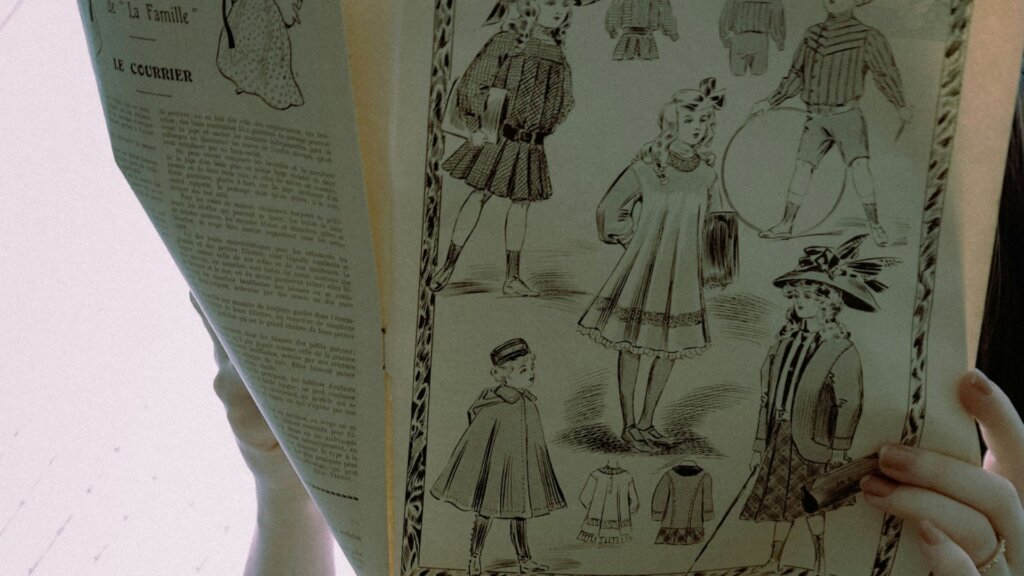
These 10 fashion eras demonstrate how clothing can capture the character of an entire period. Each signature piece represents more than a trend, reflecting changing ideas about identity, society, freedom, practicality, or self-expression. Some styles have returned with surprisingly little change, while others continue to inspire modern interpretations. Together, these eras show why fashion history remains relevant, with pieces from the past continuing to influence how people dress today.