

Products are selected by our editors, we may earn commission from links on this page.
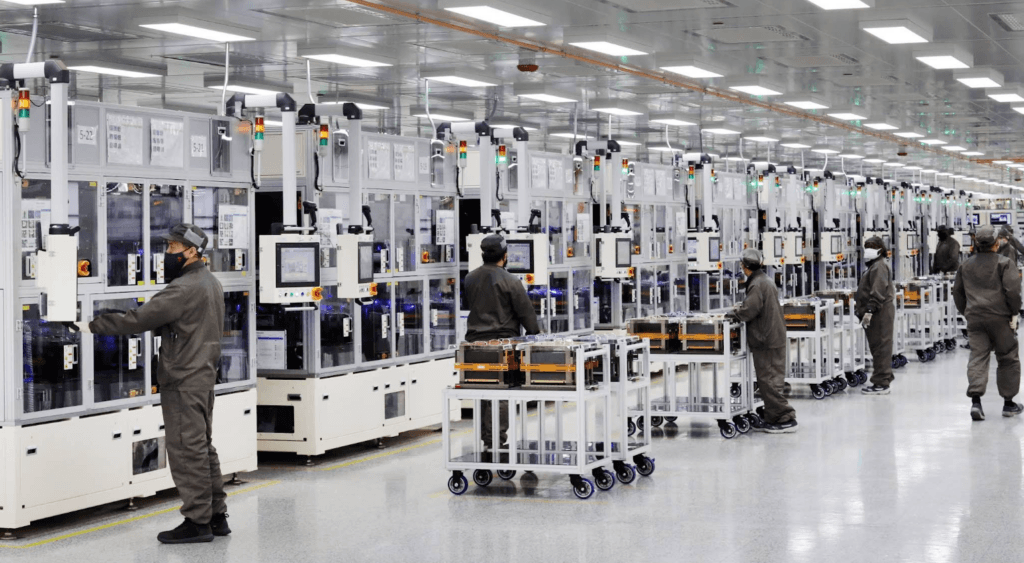
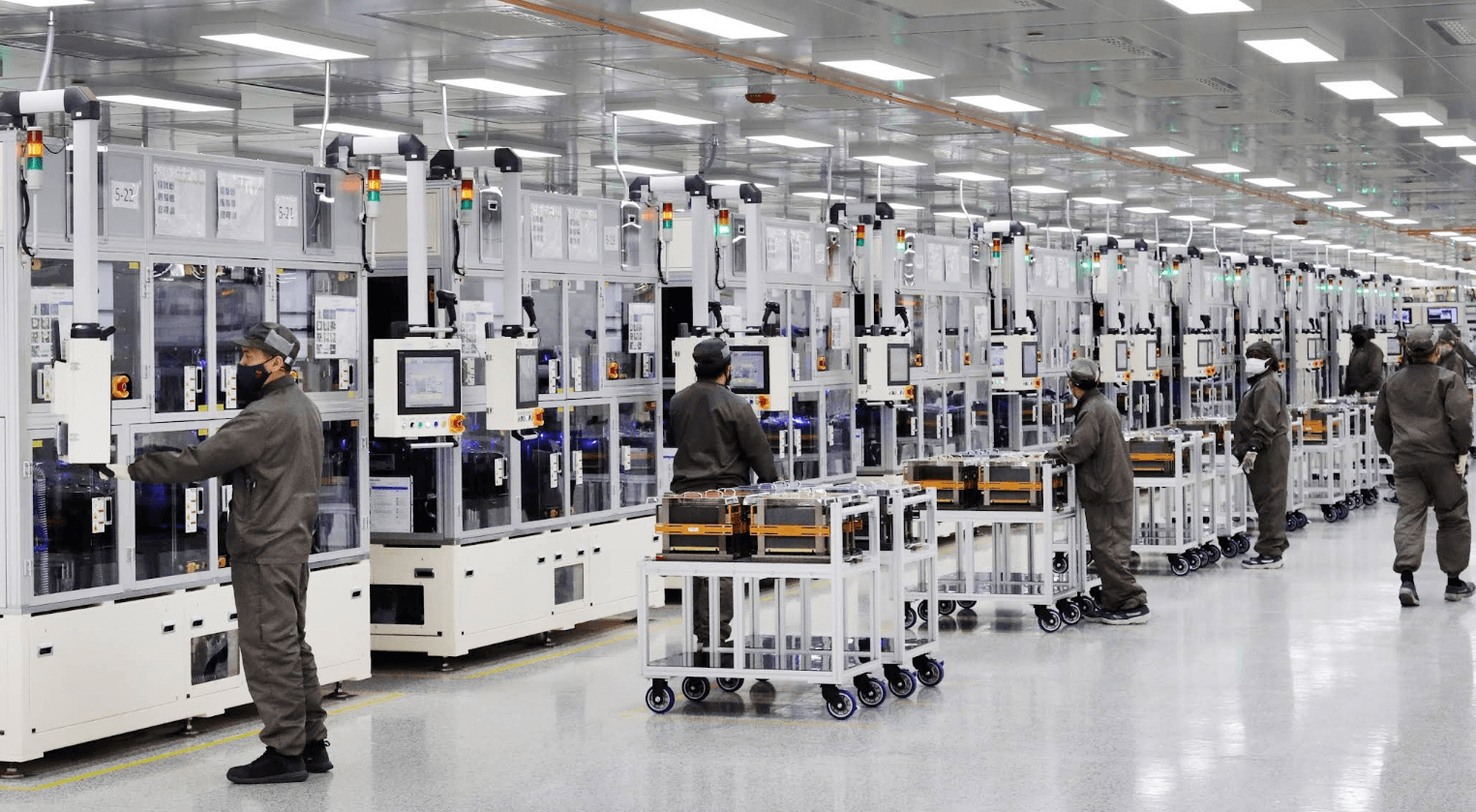
Nearly 1,000 workers were laid off at SK Battery America’s manufacturing plant in Commerce, Georgia, marking one of the most significant workforce reductions yet in the U.S. electric vehicle supply chain. According to a WARN notice, 958 employees — about 37% of the facility’s workforce — were let go, with their final working day in early March . The plant will continue operating with roughly 1,600 remaining workers.
The $2.6 billion facility opened in January 2022 and quickly became a cornerstone of Georgia’s push to become an EV manufacturing hub . It notably supplied batteries for Ford’s F-150 Lightning, one of the highest-profile electric pickups on the U.S. market.
But that momentum has slowed. SK said the cuts were meant to “align operations to market conditions,” reflecting a broader recalibration happening across the auto industry . The layoffs underscore how quickly expectations for EV growth have shifted in the U.S.
Automakers Retreat From Aggressive EV Targets
The layoffs come amid a widespread pullback by automakers that only a few years ago pledged all-electric futures. In December, Ford announced it would cancel the fully electric version of the F-150 Lightning and pivot to an extended-range version instead . That decision rippled across suppliers like SK.
More broadly, manufacturers including Ford, General Motors, and Stellantis have reneged on factory expansions, delayed new EV launches, and shifted investment toward hybrids and plug-in hybrids . Hybrids, in particular, are seen as more palatable to mainstream consumers worried about range and charging access.
Industry analysts describe the past year as a period of retrenchment. North America has seen EV plans delayed or walked back, even as global markets continue to electrify . While EVs remain part of long-term strategies, automakers are adjusting to slower-than-expected adoption at home.
EV Sales Stall as Incentives Disappear
A key turning point came when the $7,500 federal EV tax credit expired. EVs made up nearly 12% of the U.S. market last September — a record high — but that share fell to 6% by January, with sales plunging 20% month over month . The drop caught many companies off guard.
Congress has since eliminated tax credits of up to $7,500 for consumers’ purchases of new or used EVs . At the same time, the administration has moved to weaken fuel economy and greenhouse gas standards, reducing regulatory pressure on automakers to accelerate electrification .
The result is a sharp shift in the policy environment. Analysts say the EV market had been partially propped up by mandates and incentives, and without them, demand is now settling at a lower “natural” level . For suppliers like SK, that translates directly into excess capacity and layoffs.
Georgia’s EV Boom Faces a Reality Check
Georgia was one of the biggest beneficiaries of the EV manufacturing boom during the Biden administration, attracting tens of billions of dollars in announced projects. SK and Ford had previously invested $11.4 billion in joint battery plants in the U.S., though that joint venture ended in December .
The state is still home to major projects, including SK and Hyundai’s $5 billion battery factory near Cartersville . But the nearly 1,000 layoffs signal that the pace of growth may not match earlier projections.
Georgia Senator Jon Ossoff criticized the cuts, arguing they show how policy changes are affecting local jobs . For workers and local communities, the EV slowdown isn’t abstract — it’s economic.
The U.S. Risks Falling Behind Globally
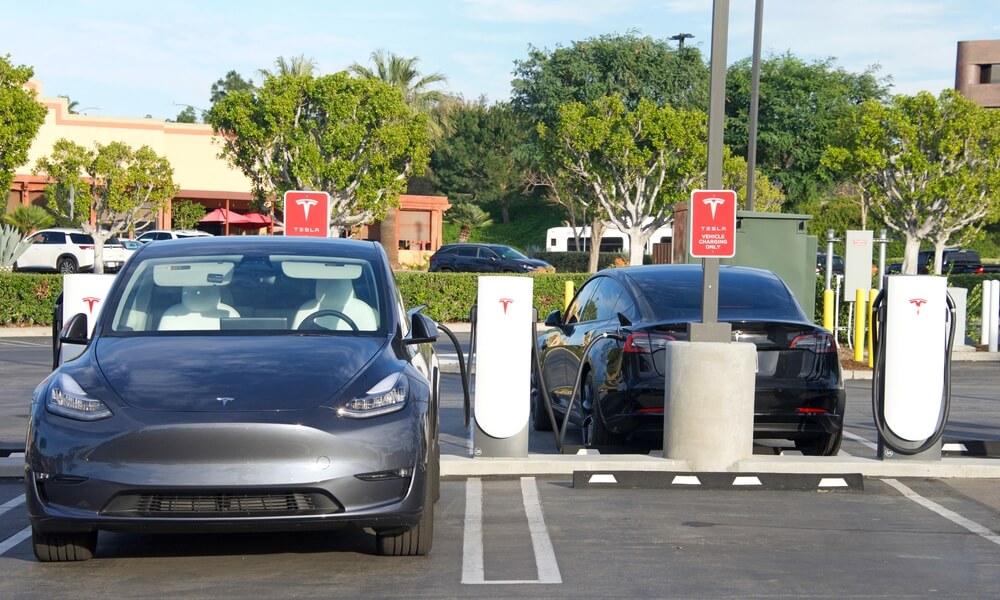
While the U.S. market cools, global EV adoption continues to accelerate. In 2025, global EV registrations rose 20% to 20.7 million vehicles. China alone reached 12.9 million registrations, and Europe recorded 4.3 million . By contrast, U.S. EV sales growth was essentially flat.
In 39 countries, EVs now exceed 10% of new car sales, including emerging markets such as Vietnam and Thailand . The U.S., however, remains below that threshold. Analysts warn that slower domestic production can delay improvements in battery technology and increase the risk that the next generation of automotive value creation happens elsewhere .
China has heavily subsidized its EV industry, to the tune of an estimated $230 billion from 2009 to 2021, and now dominates many global supply chains . As American automakers slow investment, they risk ceding ground in a sector widely seen as the future of mobility.
Recalibration, Not Collapse?
Despite the layoffs and retrenchment, many analysts caution against declaring the EV era over. Even amid the slowdown, EVs accounted for about 8% of new vehicle sales in the U.S. in 2025 . And globally, electrification continues to grow.
Industry observers describe the current moment as a recalibration after an unusually fast burst of investment and optimism . Consumers still report high satisfaction with EV ownership, and upcoming lower-cost models, including new entries around $30,000, could expand the market in coming years .
For now, though, the nearly 1,000 layoffs at SK’s Georgia plant stand as a stark reminder: the U.S. EV transition is no longer a straight-line ascent. As automakers scale back plans and policymakers reshape incentives, the future of American battery manufacturing, and the jobs tied to it, hangs in the balance.