

Products are selected by our editors, we may earn commission from links on this page.
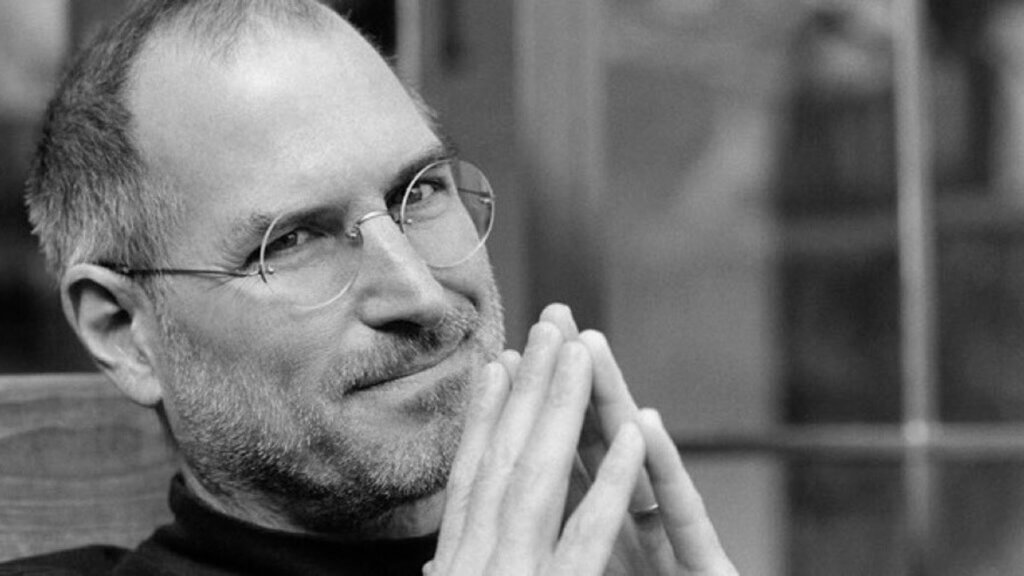
Wealth comes with choices. You can chase quick money or build something lasting. But it wasn’t all financial. Oftentimes, it was about what you create and control. Three decades ago, Steve Jobs offered wisdom that still challenges how entrepreneurs think about success.
Consider an entrepreneur who built a $300 million company. He started with savings, home equity, and credit cards. When success came quickly, he didn’t feel wealthy enough. So he took investment money and pocketed proceeds at every funding round. Each capital raise meant immediate cash but smaller ownership.
Today, his equity stake sits in single digits. He lost day-to-day control and keeps only a board seat. “I focused on the money, not the business,” he admits with regret, “and woke up one day and realized I no longer really had a business.” He’s wealthy by most standards, but he traded company control for quick liquidity. And that was when Jobs came up with its rare formula for success.
Jobs’ Million-Dollar Philosophy
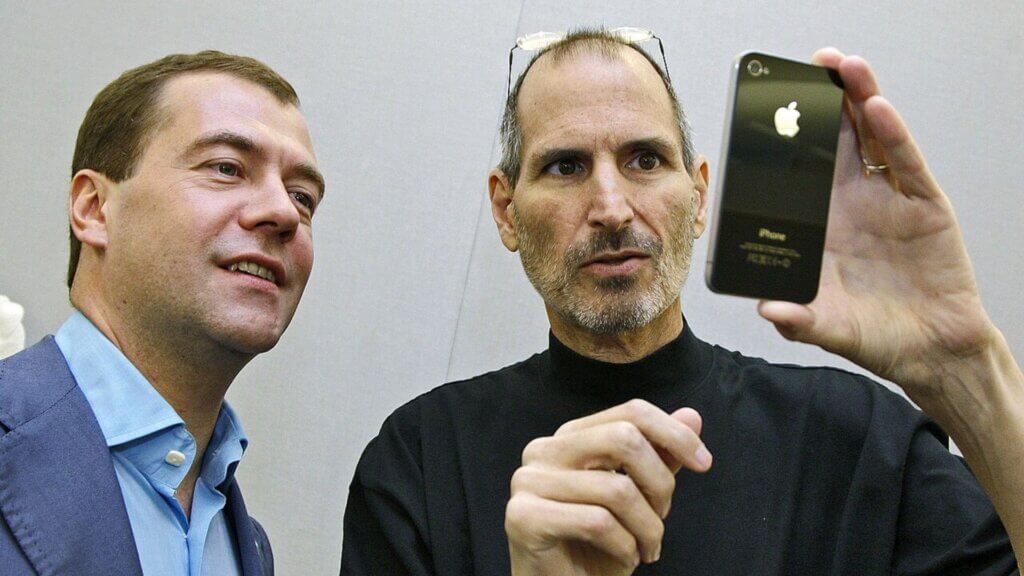
“It’s funny,” Jobs began when asked about getting rich in a 1995 interview. His early Apple success made him a millionaire at 23, worth over $10 million at 24, and $100 million at 25. Yet money wasn’t his driving force. He never sold his Apple stock, believing firmly in the company’s long-term vision.
“I think money is a wonderful thing because it enables you to do things,” Jobs explained. Money let him invest in ideas without demanding immediate returns. But the company mattered more—the people, products, and what customers could accomplish with those tools. This philosophy separated him from executives who prioritized personal wealth.
Jobs witnessed how sudden wealth corrupted people at Apple after it went public. Some bought Rolls-Royces and mansions. Their spouses got plastic surgery. “I saw these people who were really nice, simple people turn into these bizarre people,” he recalled. He promised himself that money wouldn’t ruin his life or values.
Serving Millions Over Making Millions

HubSpot co-founder Dharmesh Shah echoes this philosophy with modern clarity. He advises entrepreneurs to stop thinking about making a million dollars and start thinking about serving a million customers. When you serve people incredibly well, the money follows naturally. Your business becomes something beyond your initial vision.
Jobs took the same approach at Apple. The company’s growth gave him resources to build products for long-term returns, not quarterly wins. He reinvested profits in pursuing excellence relentlessly. Walt Disney shared this mindset: “We don’t make movies to make money, we make money to make more movies.” Create value first, and wealth follows.
The entrepreneur who cashed out early took a different path. His investors wanted quick returns, so short-term thinking guided decisions. There’s nothing inherently wrong with that approach—many founders want to exit quickly. But it limits what you can build and control. Different goals require different strategies.
Defining Your Own Success
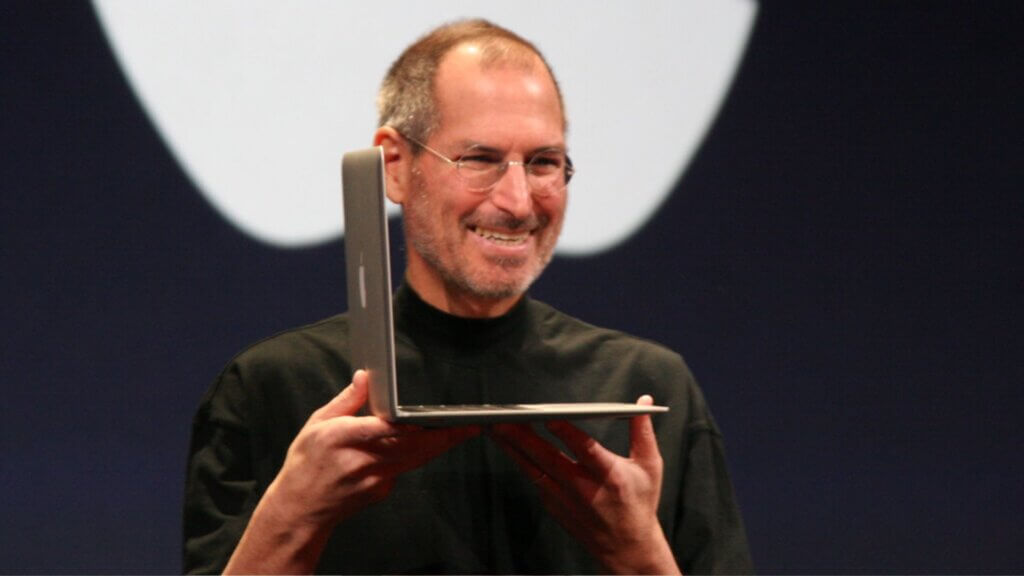
Neither wealth strategy is inherently good or bad. They’re just different paths with different outcomes. Jobs became rich enough to chart his own course, make his own decisions, and let the sky be the limit financially and personally. The founder who cashed out achieved financial security but lost creative control.
The key is knowing your goal before you start. Do you want wealth or control? Quick gains or lasting impact? Your answer shapes every decision—from taking investment to building products to measuring success. Both paths can lead to happiness, but mixing them creates regret.
Jobs believed being the richest person in the cemetery didn’t matter. What mattered was going to bed saying you’ve done something wonderful. Your definition of “wonderful” determines which path you should take. Just make sure you’re clear about it, because the worst outcome is becoming your own cautionary tale.