

Products are selected by our editors, we may earn commission from links on this page.

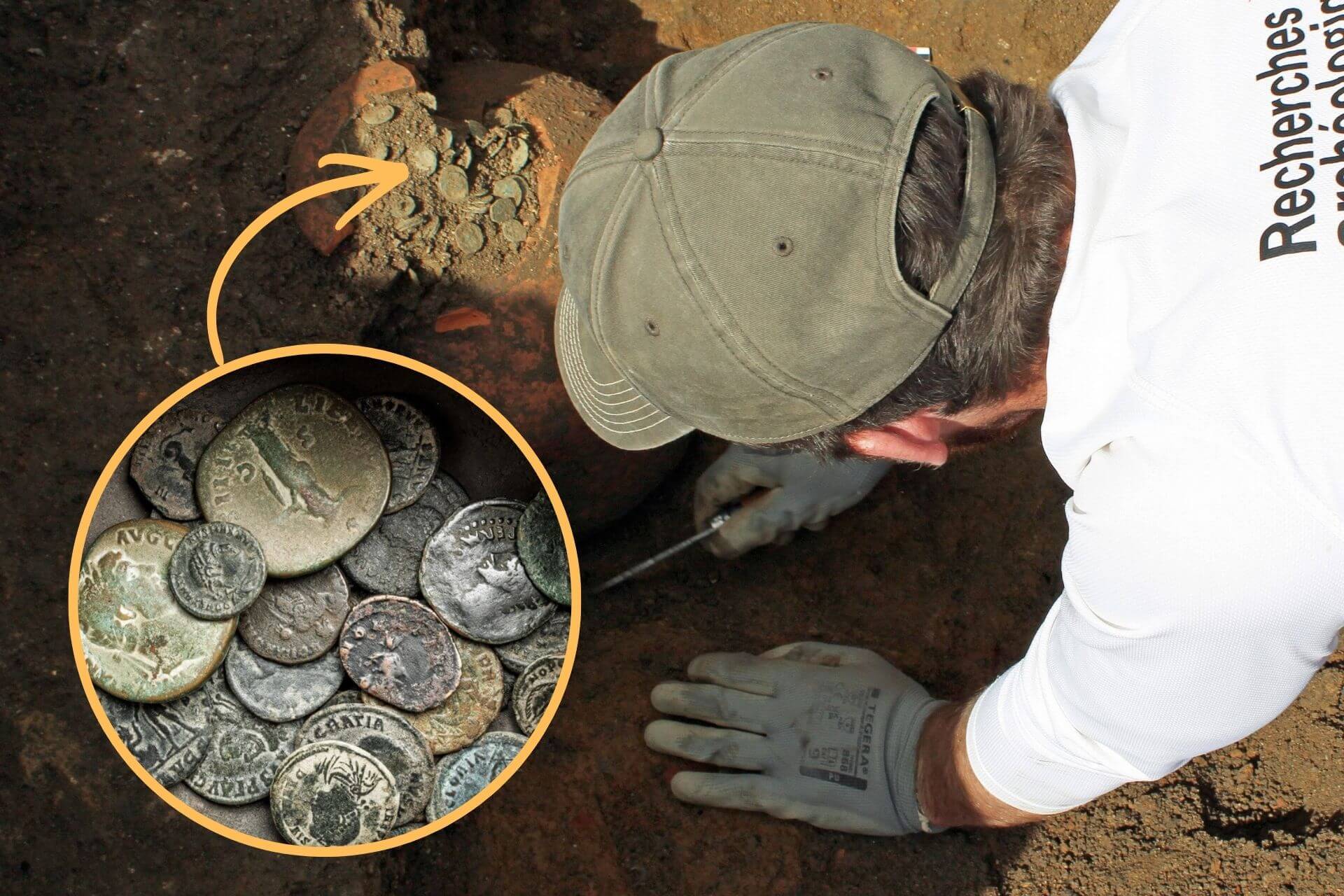
What began as a routine home extension in eastern France quickly became a major archaeological discovery. Beneath the floor of what would have been an ordinary living room, archaeologists uncovered tens of thousands of ancient Roman coins buried in large ceramic vessels. The excavation revealed an unusually intact snapshot of domestic life at the end of the Roman Empire
The Excavation
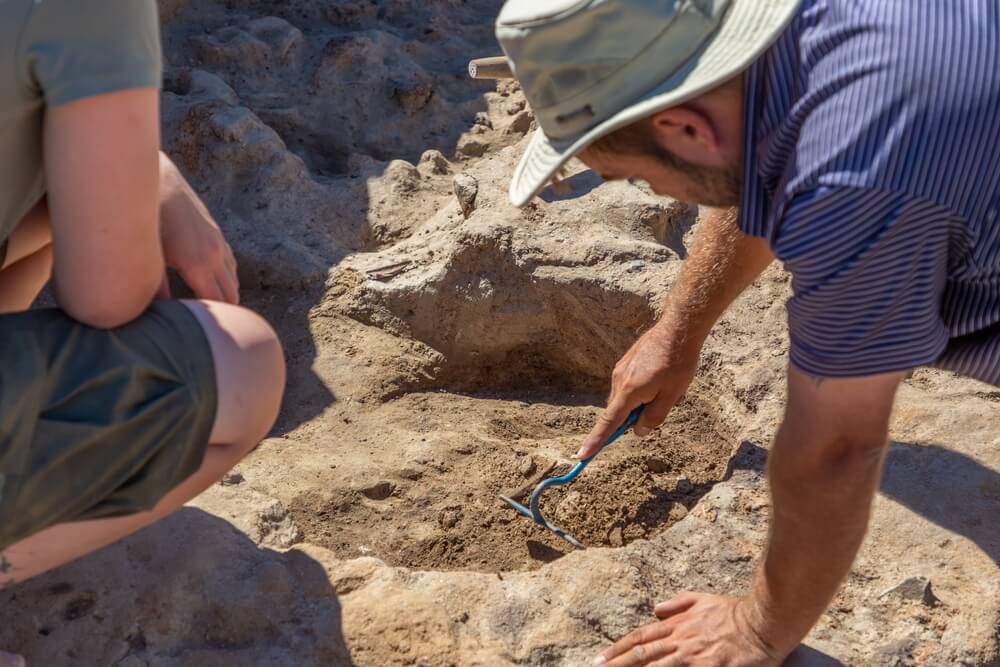
The discovery was made during a preventive archaeological excavation carried out by the French National Institute for Preventive Archaeological Research (Inrap). The work was overseen by the Regional Archaeology Service and led on site by archaeologist Simon Ritz, following standard protocols triggered by modern construction. The team explored a 1,500-square-meter residential area in the ancient settlement of Senon, in today’s Meuse region
Hidden Beneath a Living Room
Archaeologists identified multiple coin deposits buried directly beneath domestic floor levels inside Roman-era homes. The hoards were placed within pits dug into the living spaces themselves, rather than in outbuildings or exterior courtyards. Their location suggests the coins were part of everyday household management rather than ceremonial or funerary deposits.
Nearly 40,000 Coins in Total
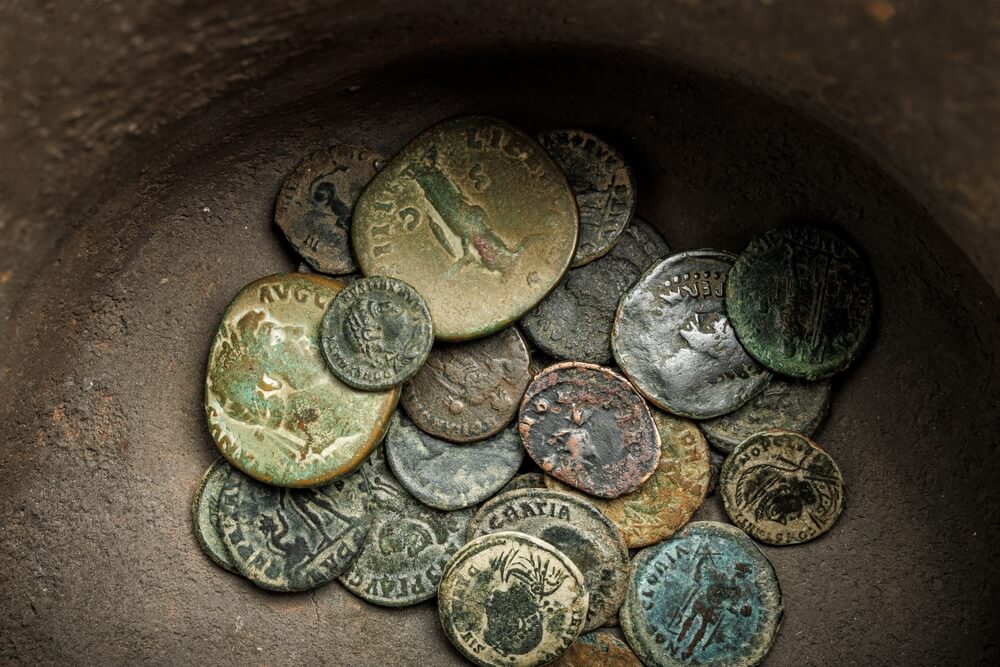
Initial estimates suggest the deposits contain close to 40,000 coins, though detailed cataloging is still underway. The coins date from the late 3rd century to the early 4th century AD, a period marked by economic strain and administrative change across the Roman Empire. Researchers caution that final counts and precise dating will emerge only after post-excavation analysis.
Stored in Ancient “Piggy Banks”
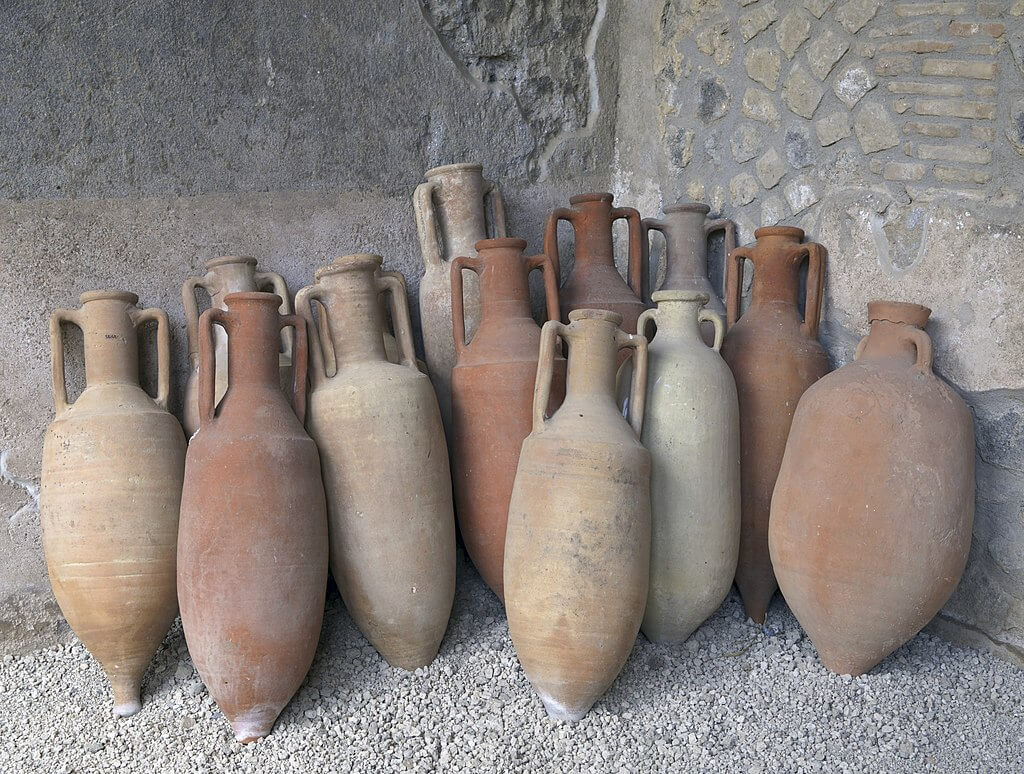
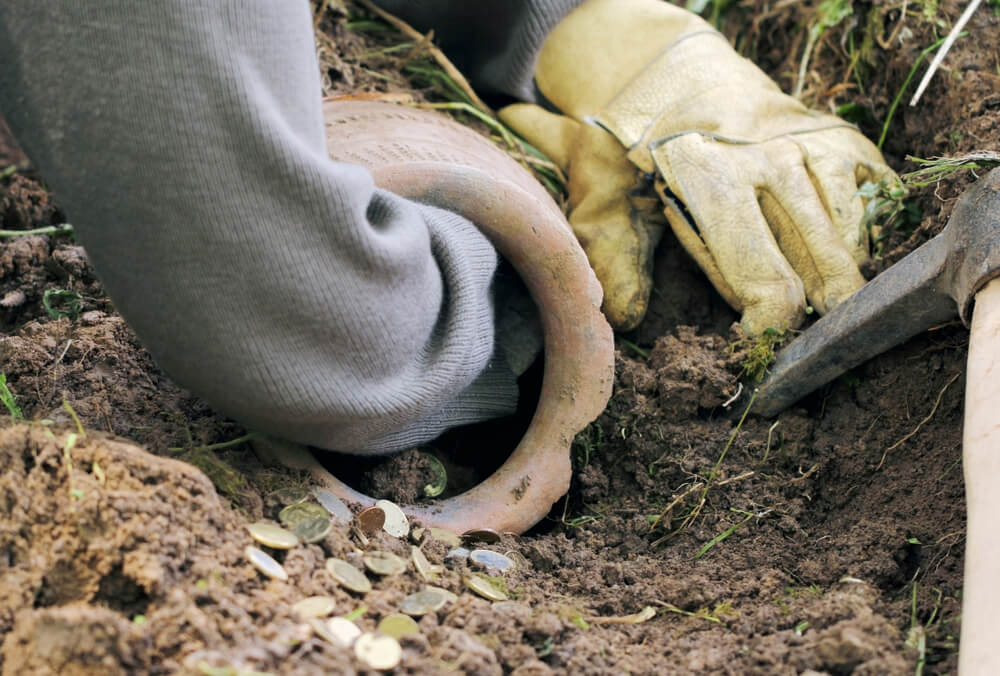
The coins were buried inside large ceramic containers, including jugs and amphorae commonly used in Roman households. Amphorae were durable, multipurpose vessels used for storing goods such as oil, wine, grain, and valuables, making them practical containers for safeguarding wealth underground. Their size and construction allowed large quantities of coins to be stored securely.
Careful Placement
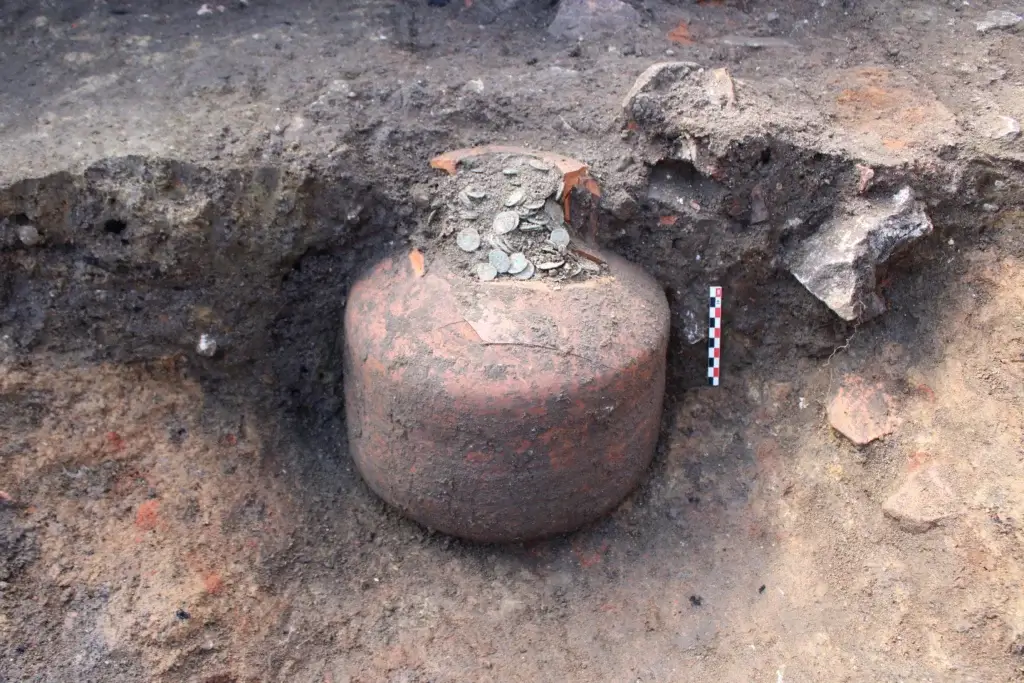
Excavation evidence shows the vessels were set upright in carefully prepared pits and stabilized with leveling stones. In some cases, coins were found adhering to the outside of the containers, indicating they were accessed even after burial. Archaeologists emphasize that nothing about the deposits suggests rushed concealment.
Easy Access

The vessels were buried close to the original floor surface, with their necks likely flush with the ground. This placement would have allowed the homeowner to retrieve coins when needed without fully excavating the container. Researchers interpret this as deliberate, long-term storage rather than emergency hiding.
Time of Uncertainty
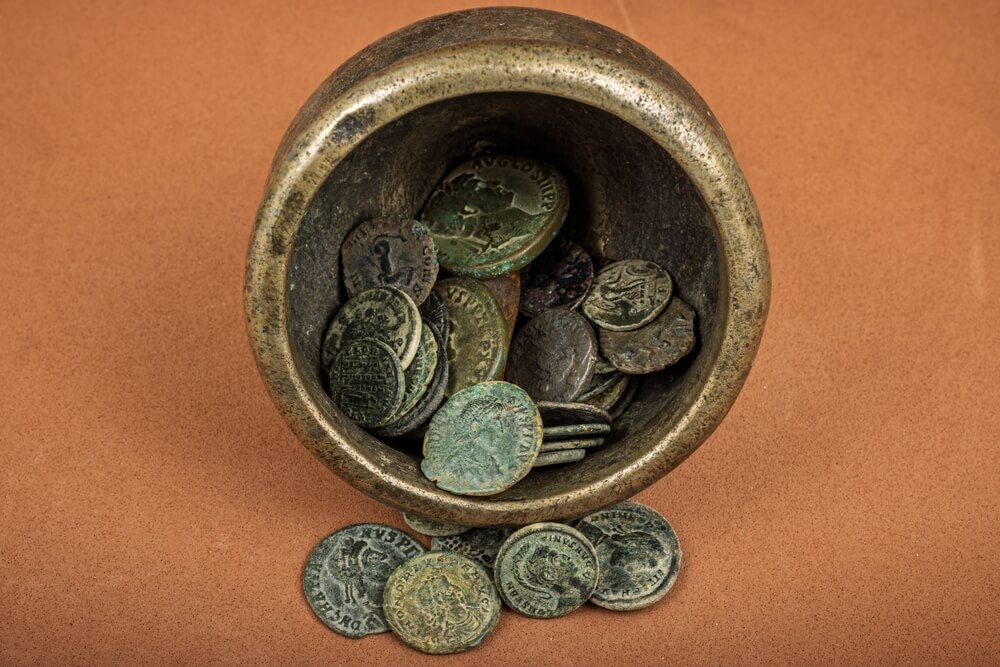
The coin deposits date to between about 280 and 310 AD, a period when the area experienced increased military presence, including a fortified structure located roughly 150 meters from the homes. Archaeologists stress that the hoards reflect planned household financial management rather than fear-driven hoarding. The coins were likely lost only after a major fire disrupted the neighborhood, preventing their recovery rather than prompting their concealment.
Affluent Neighborhood
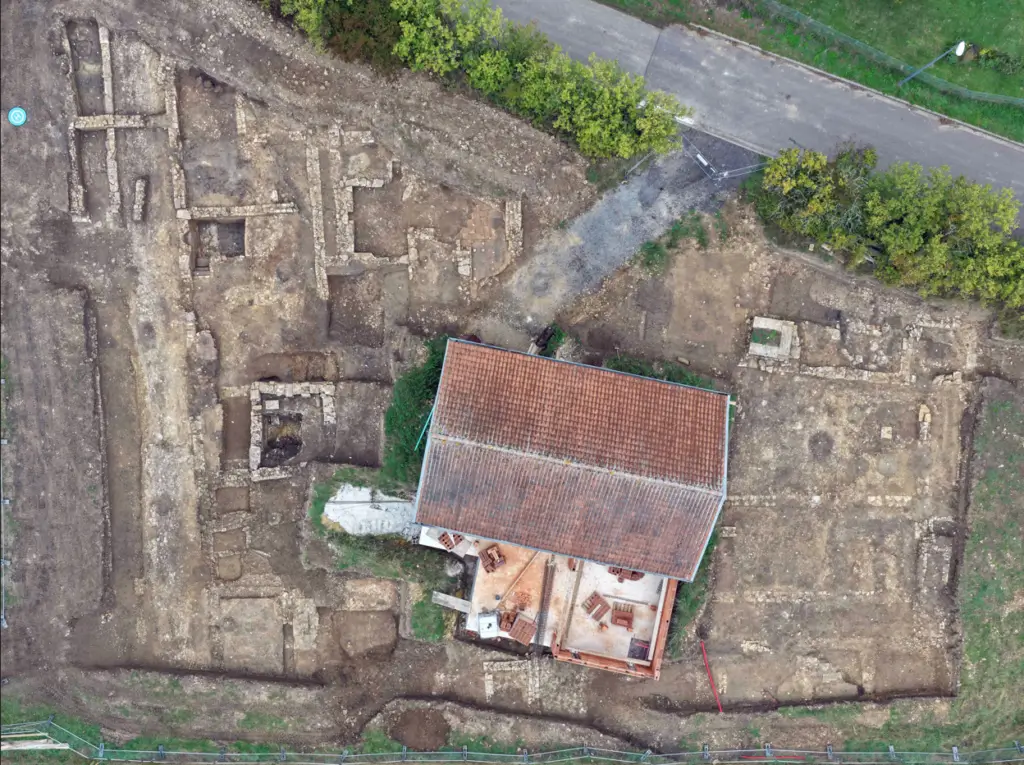
The surrounding architecture suggests the residents were relatively affluent. Excavations revealed stone-built homes with hypocaust heating systems, cellars, domestic ovens, and paved floors. These features indicate a population with the resources to accumulate and manage substantial monetary reserves.
Why This Discovery Matters
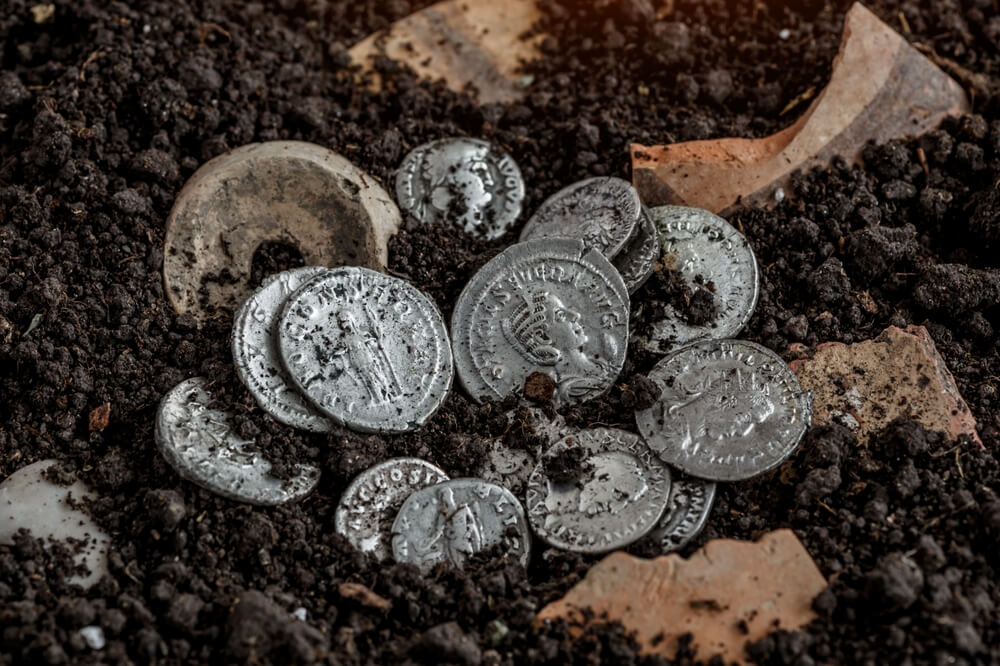
While coin hoards are known across Roman Gaul, finding them preserved within intact domestic contexts is rare. Inrap researchers note that the value of the discovery lies not only in the number of coins, but in how precisely their placement documents household behavior. Preserved beneath a modern living room floor, the deposits offer a rare, detailed look at how Roman families stored wealth in uncertain times.