

Products are selected by our editors, we may earn commission from links on this page.
Every year, travelers chase bucket-list destinations, but some places feel the pressure more than others. Fodor’s Travel, a travel publishing company, announced its 2026 ‘No List,’ which pulls back the curtain on locations where visitor numbers are reshaping landscapes, neighborhoods, and daily rhythms. These eight destinations show how popularity can collide with capacity, revealing impacts that extend far beyond souvenir stands and scenic viewpoints.
Antarctica
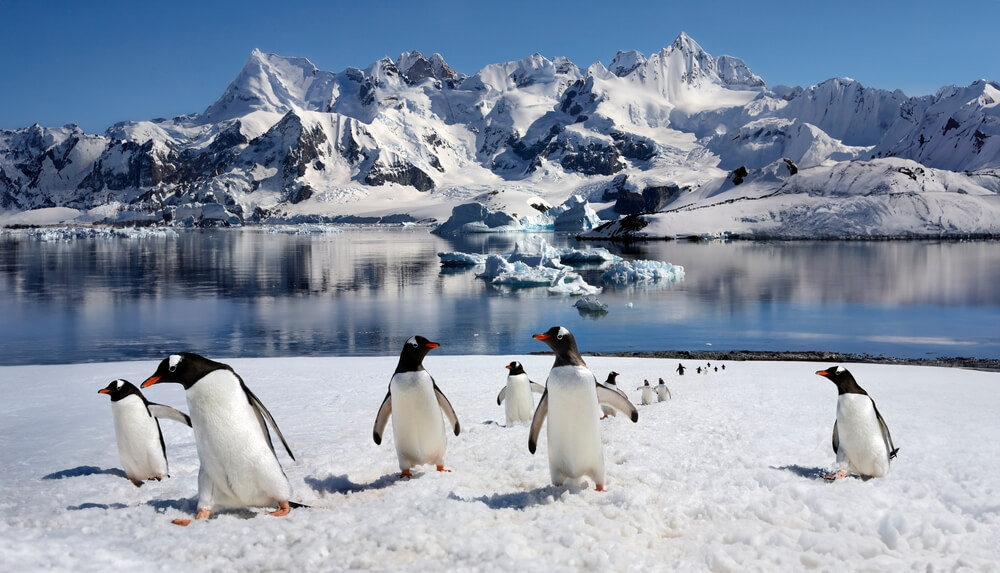
Antarctica received 120,000 visitors from 2023 to 2024, and projections suggest this figure could double by 2033. Scientists and conservation groups warn that mass visitation increases disturbance to wildlife, damages visited sites, and carries a uniquely high carbon footprint. With no binding visitor limits and private vessels operating outside IAATO oversight, the continent faces rising pressure on an ecosystem that has little tolerance for disruption
The Canary Islands, Spain
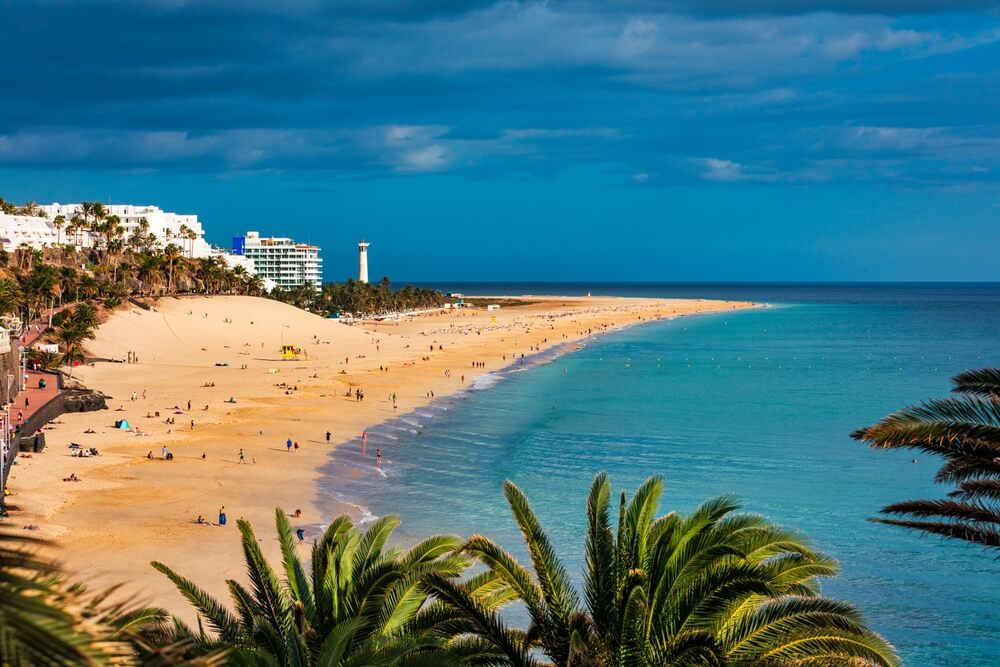
The Canary Islands welcomed 7.8 million visitors in the first half of 2025, alongside more than 27 million airport passengers. Residents have protested under the slogan “Canarias tiene un límite,” citing housing shortages, water stress, and environmental strain. Experts note that concentrated ownership of hotels and tourism assets funnels profits away, leaving local infrastructure to shoulder the impact.Fodor’s No List 2026
Glacier National Park
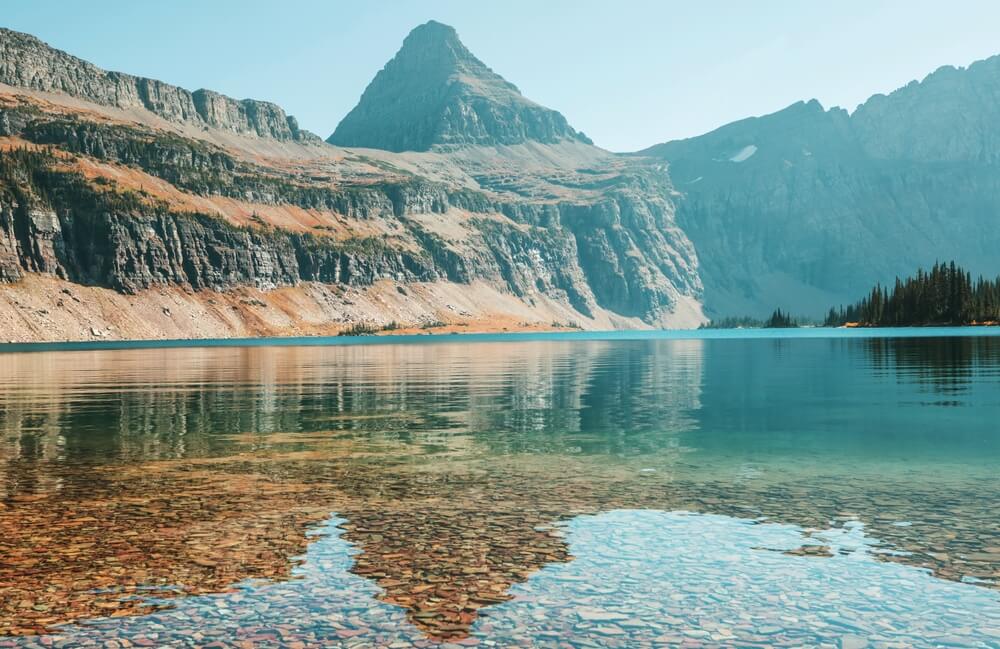
Of roughly 150 glaciers documented a century ago, only 27 remain in Glacier National Park, Montana, with many expected to vanish by 2030. The region is warming at nearly twice the global average, intensifying wildfire risk, air-quality issues, and habitat loss. Visitor interest in “last-chance tourism” has contributed to traffic congestion, waste accumulation, and pressure on sensitive trails.
Isola Sacra, Italy
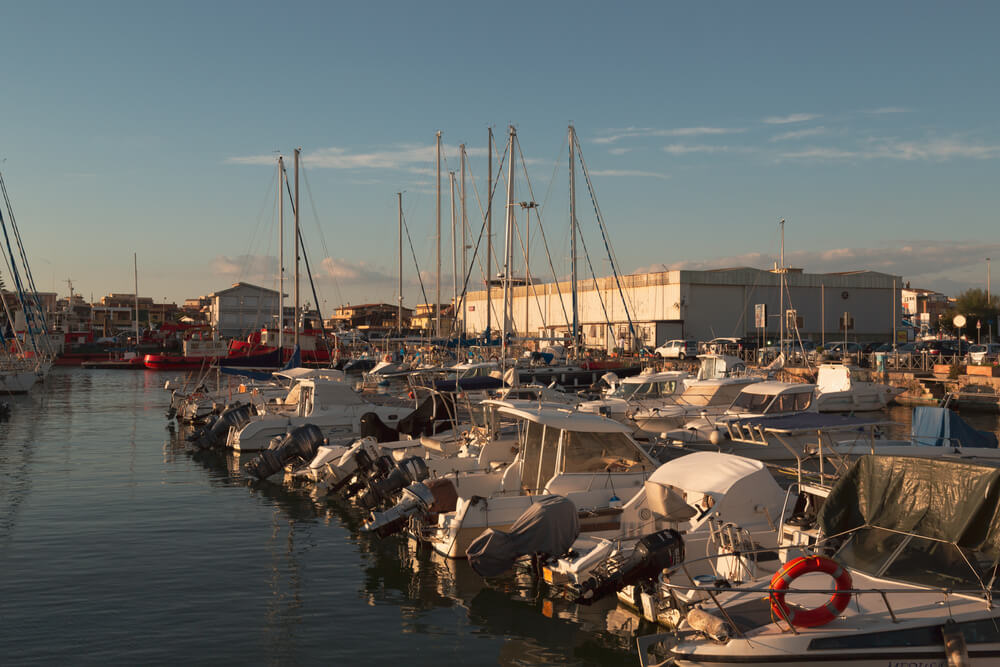
Authorities approved the Fiumicino Waterfront project, a port designed to receive mega cruise ships carrying up to 6,000 passengers. Local residents and environmental advocates warn that dredging and large-scale construction threaten wetlands, dunes, and coastal ecosystems. Plans require extracting more than 105 million cubic feet of sand, raising concerns about shoreline erosion and irreversible habitat change.
The Jungfrau Region
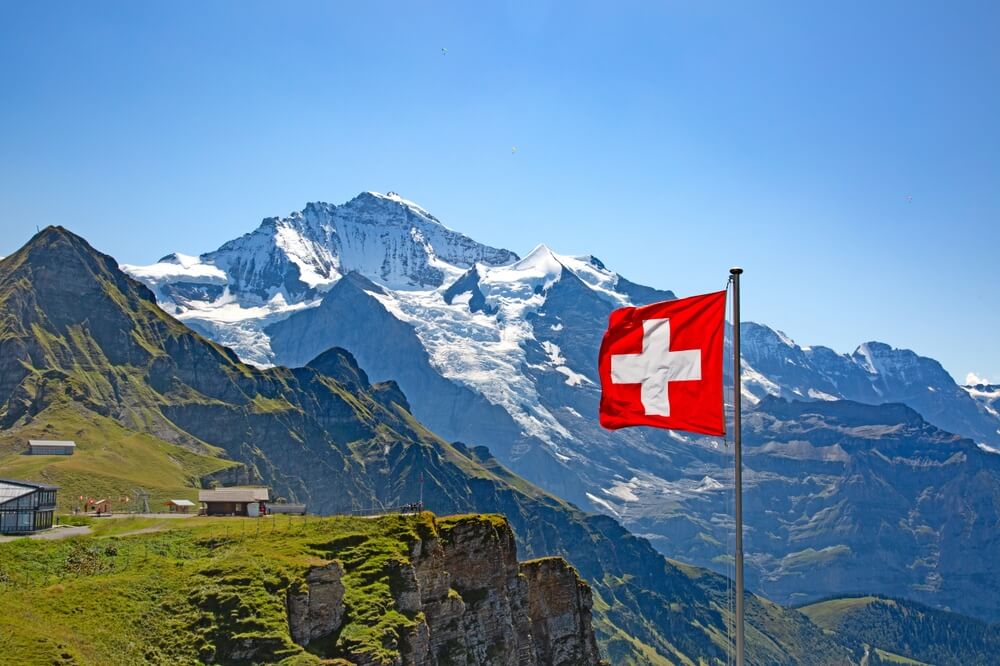
Over one million visitors reached Jungfraujoch, Switzerland last year, while the Aletsch Glacier has retreated more than 1.4 miles over 75 years. Convenient cableways draw day-trippers who leave limited revenue but place heavy demands on infrastructure. Rising short-term rentals and Airbnb listings have made housing increasingly scarce, prompting questions about who the region now serves.
Mexico City
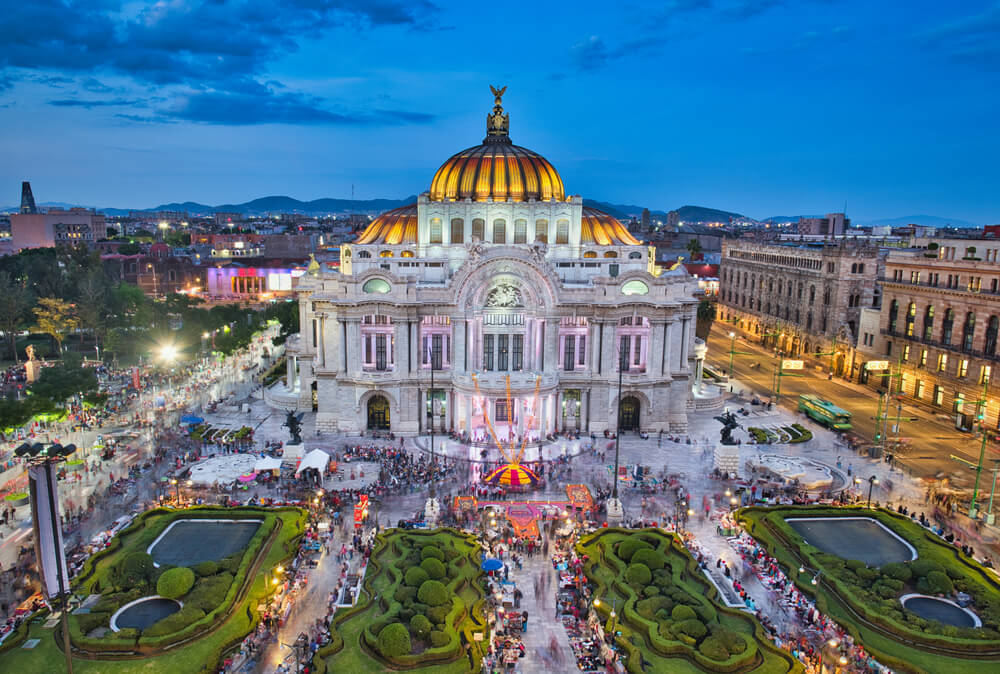
Tourism growth and digital-nomad migration have fueled higher rents and cultural displacement. In July, protests erupted with signs declaring “Mexico for Mexicans” and “Gringos out,” reflecting frustration over rising short-term rentals. Many locals attribute this shift to an “Instagram, Airbnb, and Uber” generation, which has transformed neighborhoods into commodified spaces designed for visitors rather than residents.
Mombasa, Kenya
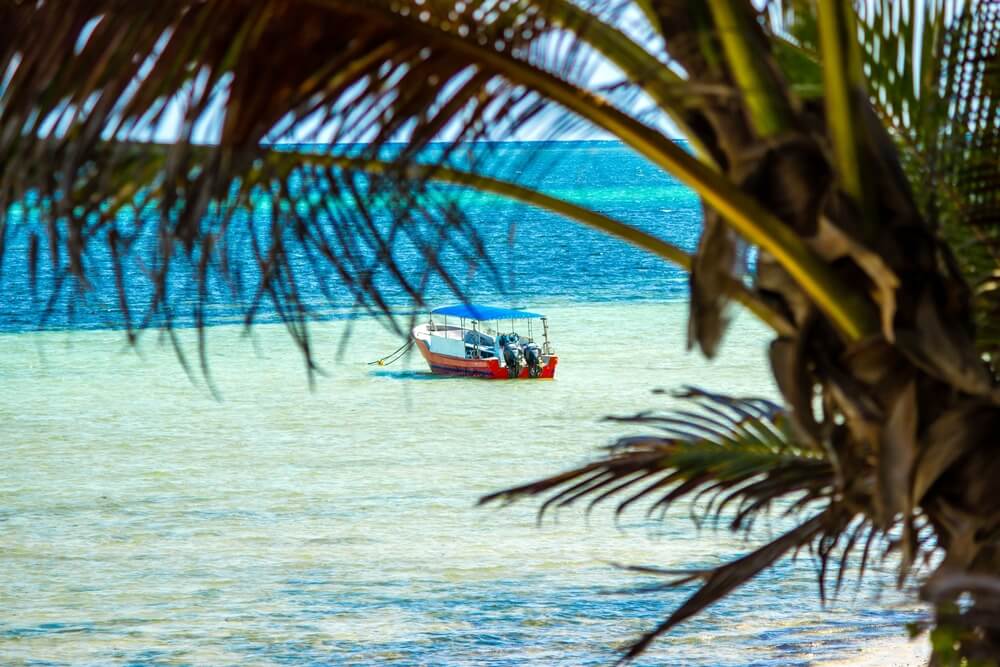
Mombasa receives roughly 70% of Kenya’s coastal visitors, and cruise travel surged post-pandemic. Congested streets, polluted beaches, and overstretched infrastructure reveal a city not built for its current volume of arrivals. Tourism analysts recommend carrying-capacity studies to balance visitor demand with environmental health and community integrity.
Montmartre, Paris
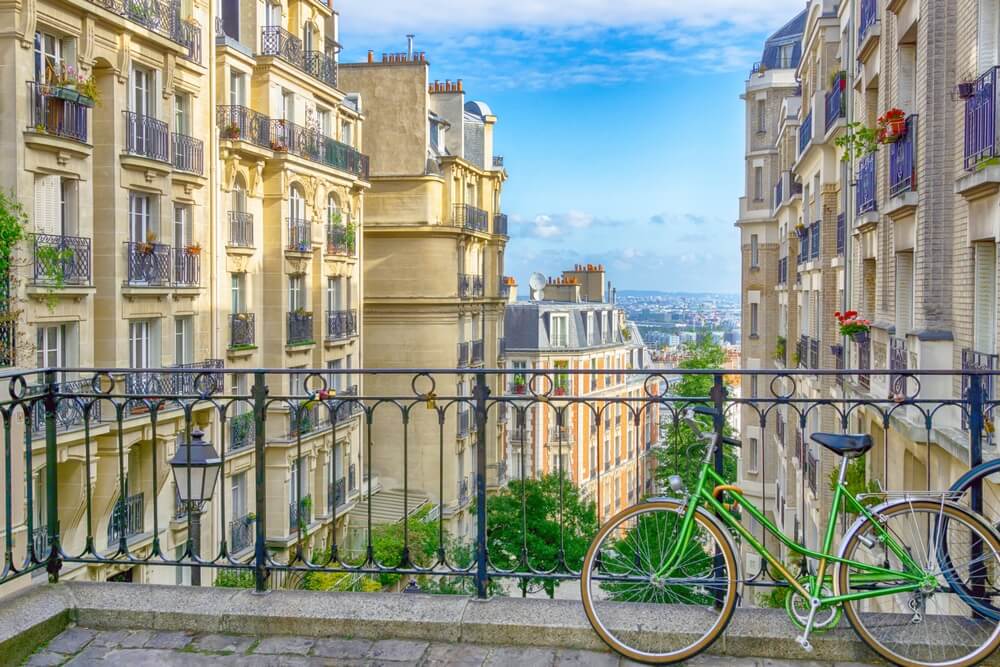
Montmartre attracts more than 11 million visitors annually, surpassing the Eiffel Tower. Residents describe terraces taking over public spaces at night and the “Disneyfication” of streets where local shops once anchored neighborhood life. They worry that unchecked tourism will hollow out the community and slowly erase the identity that drew visitors in the first place.
Final Thoughts

These destinations illustrate how travel demand can reshape places that were never designed for sustained crowd levels. Fodor’s ‘No List’ is not a ban but a reminder to approach travel with context, respect, and awareness. Choosing when, how, and where to visit can help protect ecosystems, support residents, and ensure that the very qualities people travel to experience endure.