

Products are selected by our editors, we may earn commission from links on this page.
A single database held phone numbers, birthdates, and email addresses for 533 million Facebook accounts, and nobody needed a password to get in. It sat on a hacking forum, free for anyone with an internet connection. That breach barely scratches the surface of what’s gone wrong on the platform since 2018. From stolen data to abandoned safety systems, the reasons to walk away keep piling up, and most users have no idea how deep the list runs.
Christopher Wylie Said Facebook Was Built to “Target Inner Demons”
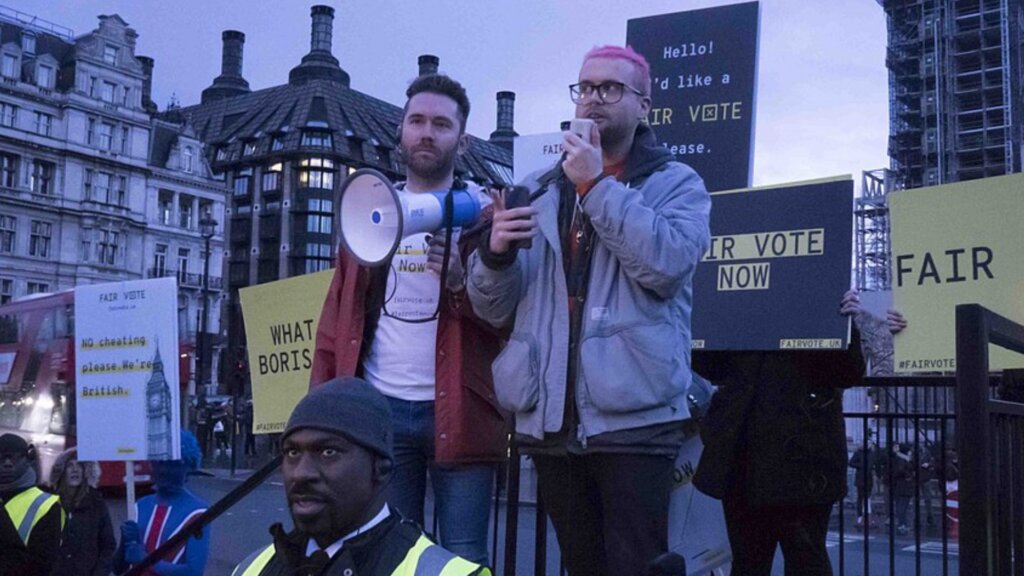
In 2018, whistleblower Christopher Wylie revealed that Cambridge Analytica had harvested data from roughly 87 million Facebook profiles without consent, then used it to build psychological models aimed at swaying voters. He told the Guardian his team “exploited Facebook to harvest millions of people’s profiles” and built systems to “target their inner demons.” Facebook eventually promised to notify affected users. Many say that notification never arrived.
A 2019 Security Flaw Came Back to Haunt 533 Million Accounts
Facebook patched a flaw in its Contact Importer tool back in 2019, but the damage was already done. In April 2021, The Washington Post confirmed that scraped data from 533 million users across 106 countries, including phone numbers and full names, had surfaced on a hacking forum. Facebook called it old news. For the millions whose information was suddenly searchable, the timeline offered little comfort.
Meta Admits Your Posts Are Training Its AI Assistant
Meta has never hidden that it feeds public Facebook posts into the language model behind Meta AI. Nick Clegg, then the company’s president of global affairs, told Reuters in 2023 that Meta tries to “exclude datasets that have a heavy preponderance of personal information,” while conceding most training data comes from what users already made public. Under laws like the California Consumer Privacy Act, using that data without clear consent raises real legal questions.
Every European Post Became Fair Game for AI Training in 2025
Meta confirmed in April 2025 that it would begin training its AI systems on public posts, comments, and Meta AI conversations from adult users across the European Union, starting that May. Privacy group NOYB called the rollout deceptive, arguing Meta buried the opt-out option and defaulted everyone into participation. Even a cease-and-desist letter threatening a billion-dollar class action didn’t stop the training from moving forward as planned.
Facebook Admitted Its Platform Helped Incite Violence in Myanmar

Facebook has acknowledged that its platform helped incite offline violence in Myanmar, where unchecked misinformation contributed to real bloodshed. The American Psychological Association warns that this kind of misinformation carries genuine mental health and societal costs, not just political ones. Instead of tightening its safeguards after episodes like this, the company moved in the opposite direction in January 2025, dismantling a major system built specifically to catch false claims before they spread.
Meta Scrapped Fact-Checking and Handed the Job to Users
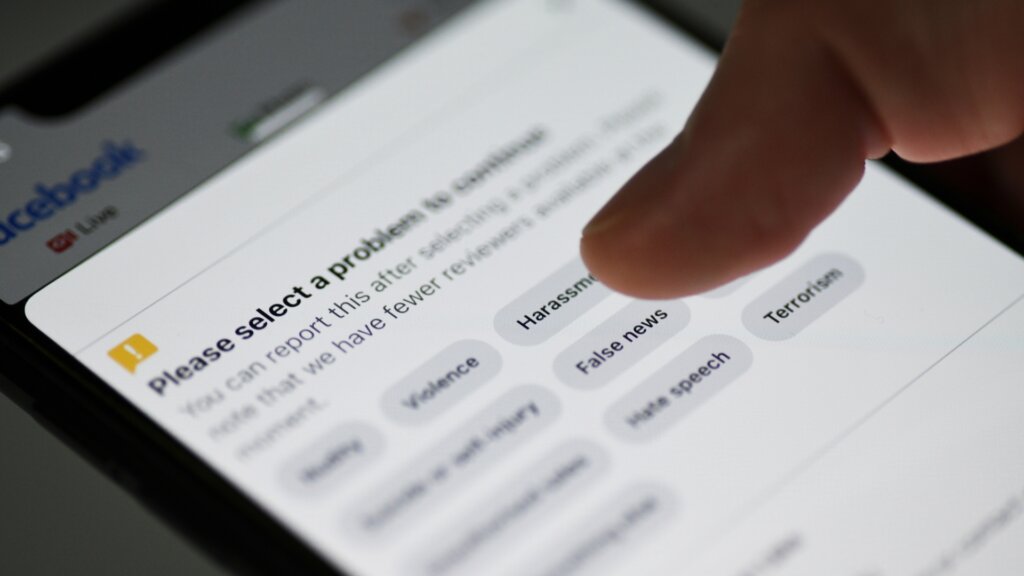
On January 7, 2025, Meta announced it was ending its third-party fact-checking program in the United States entirely, replacing it with a crowdsourced Community Notes system modeled on X. Meta’s policy chief said the old system had become “a tool to censor.” Fact-checkers told reporters they got less than an hour’s notice before losing years of work. Searches for how to delete Facebook accounts spiked the moment the news broke.
A Facebook Editor Says Support Treats Users as Disposable
Hacked accounts and Messenger impersonation scams have become routine complaints among Facebook users, with two-factor authentication offering only partial protection. Guardian editor Nicola Marcus described being hacked and left with no working line to Facebook’s administrators, writing that she felt like “part of a faceless ocean of millions with no worth beyond that of an advertising market.” She says individual losses simply don’t register with the company.
Your Search History Is Quietly Feeding You More Ads
Facebook builds personalized ad profiles from every search, click, and product page a user lingers on, then floods their feed with matching ads. Meta defends the system, saying it “helps people discover products and services that match their needs.” Critics counter that the trade is one-sided: intrusive ad breaks interrupt video scrolling constantly, and few users realize how closely their off-platform habits are being tracked to fuel it.
The Math No Longer Favors Staying on Facebook
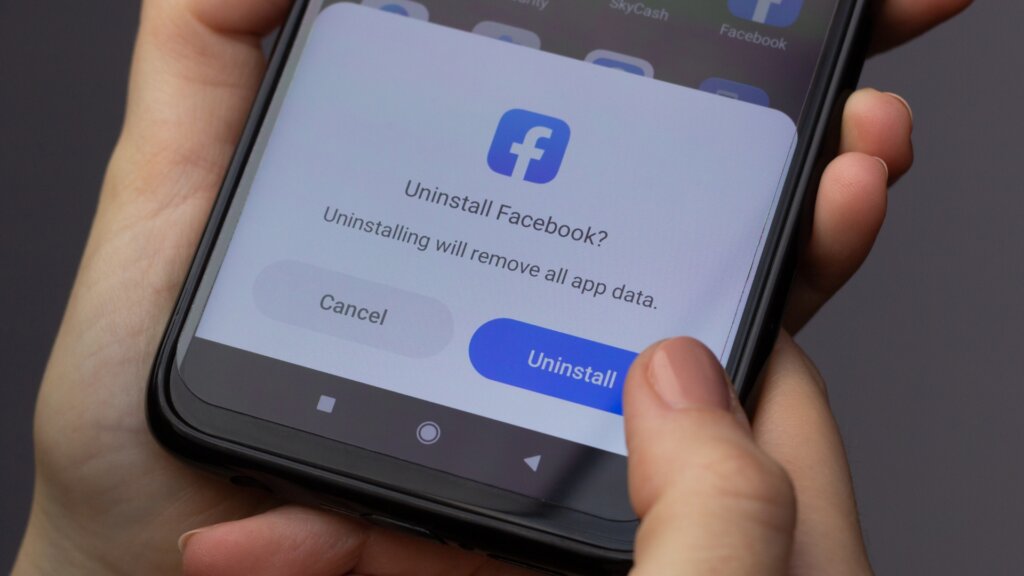
Between recurring breaches, AI training on personal posts, a dismantled fact-checking system, unresolved hacking complaints, and an ad engine built on constant surveillance, Facebook’s costs have stacked up far faster than its benefits. Users who value their privacy and their time increasingly have one practical option left: delete the account entirely, remove it from every device, and stop feeding a system that has shown little interest in protecting them.