

Products are selected by our editors, we may earn commission from links on this page.
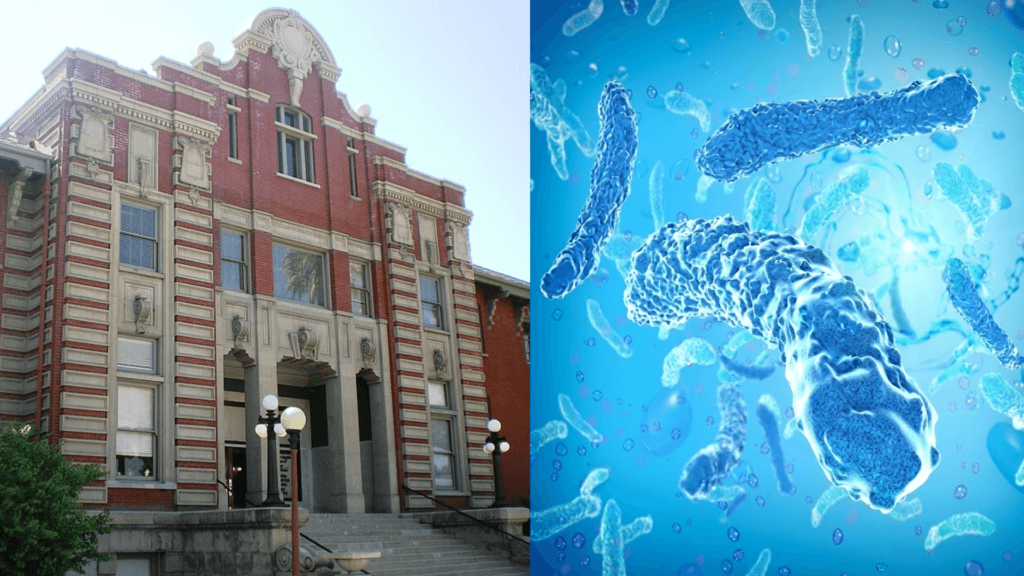
A county office is supposed to be one of the safer places to work. This one had a hidden problem. In May, maintenance workers found the bacteria that causes Legionnaires’ disease in a cooling system linked to the Los Angeles County Medical Examiner’s office. One county employee has also tested positive. Officials say no one else has been found with the same exposure. But the public did not hear about any of this until October.
One case is small, but health officials do not treat it as nothing. The CDC says even a single case of Legionnaires’ disease can call for a public health response. The disease is a serious pneumonia, and about 10% of cases are fatal, CDC materials say. Most healthy people who breathe in the bacteria never get sick. The risk is higher for people 50 and older, current or former smokers, and people with lung disease or weak immune systems.
The biggest unknown is whether the cooling system made the employee sick. Officials have not said whether it did, or when the employee became ill. A health spokesperson said “no additional cases have been identified with shared common exposures.” Medical Daily reports officials also have not said whether the system is cleared or whether other county buildings share it. Those gaps matter. They leave one basic question: how does a cooling system become a home for bacteria?
Legionnaires’ Disease Is a Serious Pneumonia Caught by Breathing In Contaminated Water Mist
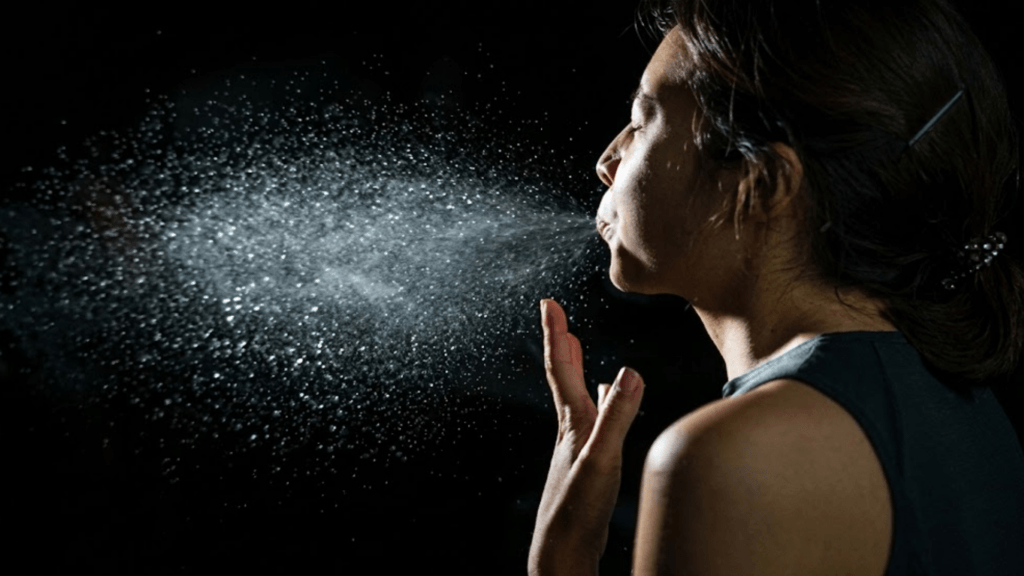
Legionnaires’ disease is a serious type of pneumonia caused by Legionella bacteria. The CDC says it is usually treatable with antibiotics. Symptoms include cough, fever, headaches, muscle aches, and shortness of breath. Some people also have confusion, diarrhea, or nausea. Symptoms usually start 2 to 14 days after exposure, most often in 5 to 6 days. That window matters for health officials trying to link cases to a place.
People catch it by breathing in tiny water droplets or mist that contain the bacteria. Cooling systems, hot tubs, decorative fountains, and building plumbing can all spread it. Legionella grows best in warm water, between 77 and 113 degrees Fahrenheit. LA County Public Health says the bacteria is “commonly found in building plumbing systems, especially in older buildings.” That helps explain why detections happen in many buildings. Each one still needs attention.
If you work in a large building, a few steps are sensible. See a doctor if you develop fever, cough, or shortness of breath, and mention where you work. Building owners can also reduce the risk. The CDC offers a water management toolkit to help stop Legionella from growing and spreading. The reports we reviewed do not say whether this building used one. For workers there, timing matters, too.
The Bacteria Was Found in May, Employees Were Told Later, and the Public Learned in October
The timeline starts in May 2026, when the bacteria was detected during maintenance. Employees in the affected buildings were notified later in the year. NBC4 Investigates published the story on Oct. 21, about five months after the detection. Officials have not said exactly when employees were told. They also have not said when the sick employee tested positive. Without those dates, it is hard to judge how fast each step moved.
Public Health’s statements were short. A spokesperson said the department “was notified of one Los Angeles County employee who tested positive.” The county also said health care providers must report symptomatic cases, and that it monitors high-risk settings. It did not describe the employee’s condition, and privacy rules often limit what officials share. The Medical Examiner’s office has not answered questions so far.
Medical Daily wrote that the timing of the staff notice is likely to raise questions about how quickly workers should be told about a workplace hazard. Employees may want to know which buildings were affected, what testing was done, and whether the system was treated. Those answers have not been made public. For now, the one confirmed fact is a single case. The larger context shows why even one case gets attention.
Legionnaires’ Cases Have Climbed Nearly 300% Since 2000, and Even One Case Can Trigger a Public Health Response
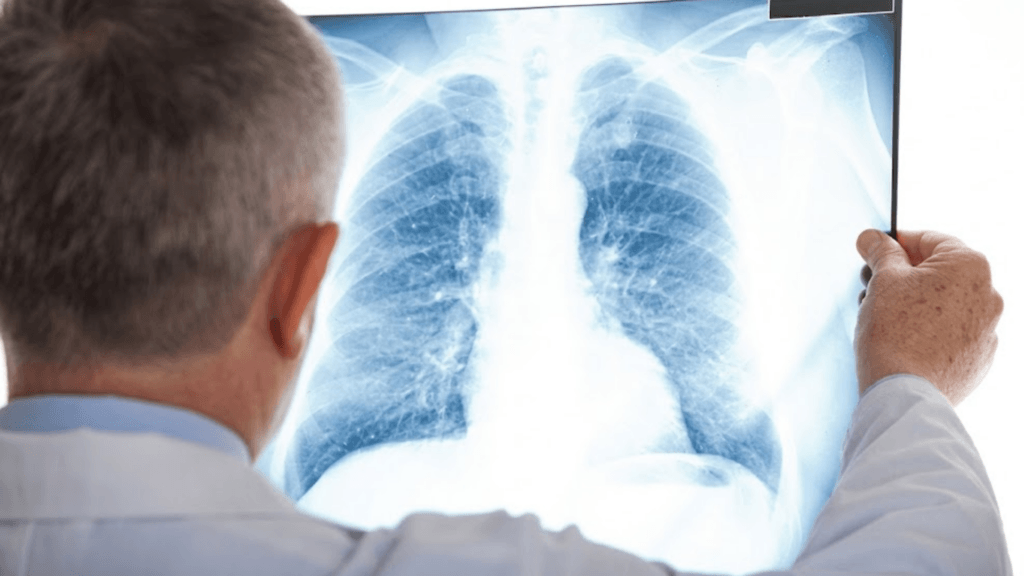
Legionnaires’ disease is becoming more common in the United States. The CDC says reported cases have risen nearly 300% since 2000. That makes building water systems a bigger public health concern. In Los Angeles County, the Board of Supervisors passed a motion on Aug. 30, 2022, because of a rapid rise in cases. It asked Public Health for ways to prevent the disease, including a registry of cooling towers.
The CDC defines an outbreak as two or more cases tied to the same possible source within 12 months. On current information, one reported case would not meet that definition. Cooling towers have caused bigger outbreaks elsewhere. A 2017 outbreak at Disneyland in Anaheim had 22 cases, and New York City has seen large cooling-tower outbreaks two summers in a row, Johns Hopkins public health experts note. Those examples show why officials act on one detection.
The most striking part of this story may be how ordinary the problem is. Legionella is common in building plumbing, and it turned up at a county office. One employee tested positive, and no one else has been found. But a hidden risk can sit in a cooling system until someone checks. A building’s safety is not only what you can see. It is also what its water is doing when no one is looking.
This article is general health information, not medical advice. If you have fever, cough, or trouble breathing, contact a health provider and mention any recent exposure.