

Products are selected by our editors, we may earn commission from links on this page.
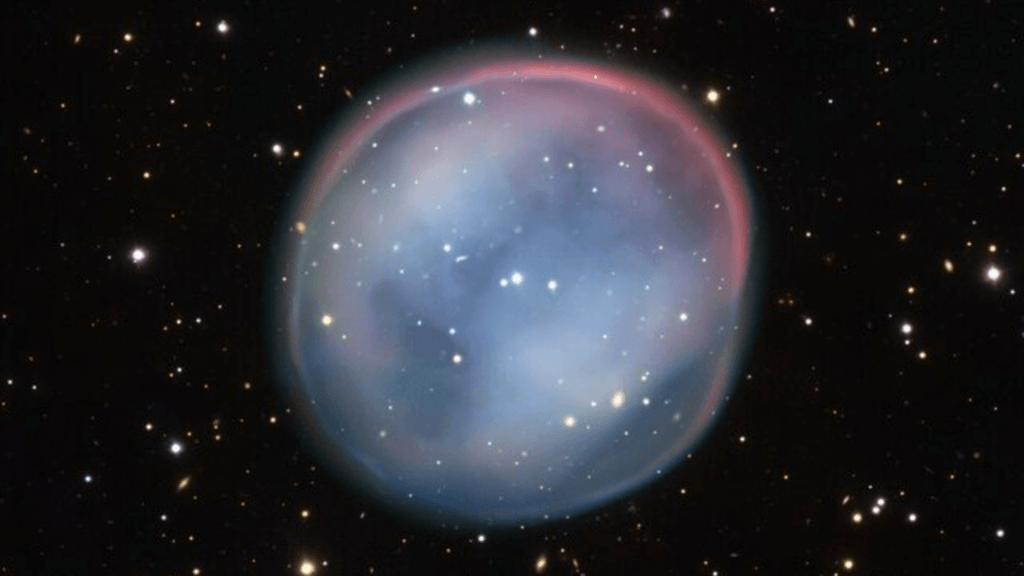
Astronomers working with NASA data have identified an unusual object speeding through space at roughly 1 million miles per hour, a velocity so extreme that it could eventually escape the Milky Way entirely. The object, labeled CWISE J124909.08+362116.0, was spotted through a citizen-science project that analyzes telescope data for moving objects. Scientists say the discovery is remarkable not only because of its incredible speed but also because the object’s nature is still being studied, raising questions about how it was launched across the galaxy so quickly.
A Discovery Made by Citizen Scientists

The object was first detected by volunteers participating in NASA’s Backyard Worlds: Planet 9 citizen-science program. Participants examine images from the Wide-field Infrared Survey Explorer telescope, searching for objects that move across the sky over time. Careful analysis of the data revealed the mysterious object traveling unusually fast compared with typical stars or planets.
Meet CWISE J1249
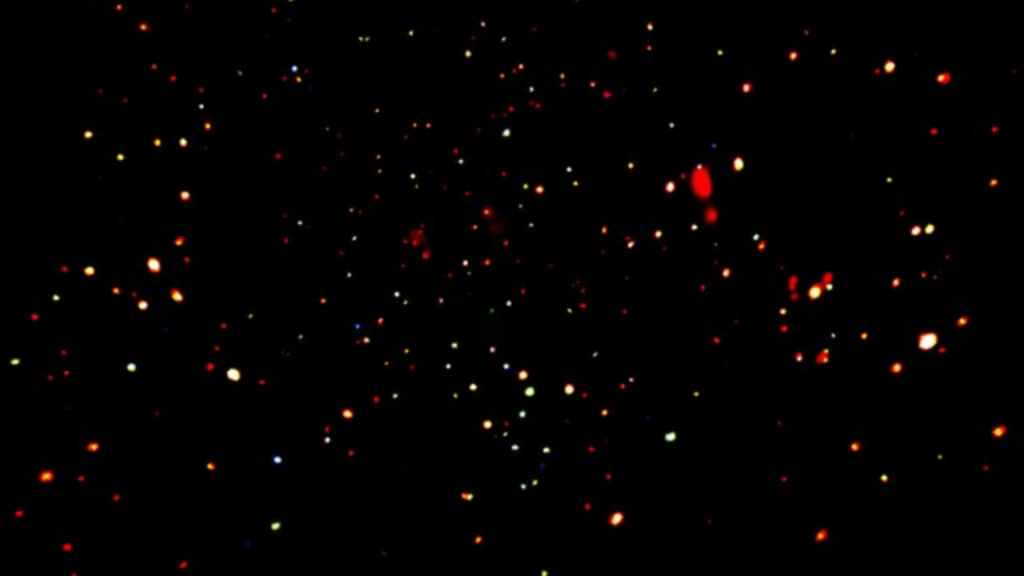
Scientists identified the object as CWISE J124909.08+362116.0, often shortened to CWISE J1249. It appears to be a very small and faint celestial body that does not fit neatly into common categories. Researchers say it may be a low-mass star or a brown dwarf, a type of object that sits somewhere between a planet and a star.
Traveling at a Mind-Bending Speed

The object’s speed is estimated at around 1 million miles per hour, far faster than most stars orbiting within the Milky Way. At this velocity, scientists believe it is traveling fast enough to escape the gravitational pull of the galaxy. Hypervelocity objects like this are extremely rare and often require powerful cosmic events to reach such speeds.
A Possible Runaway Star
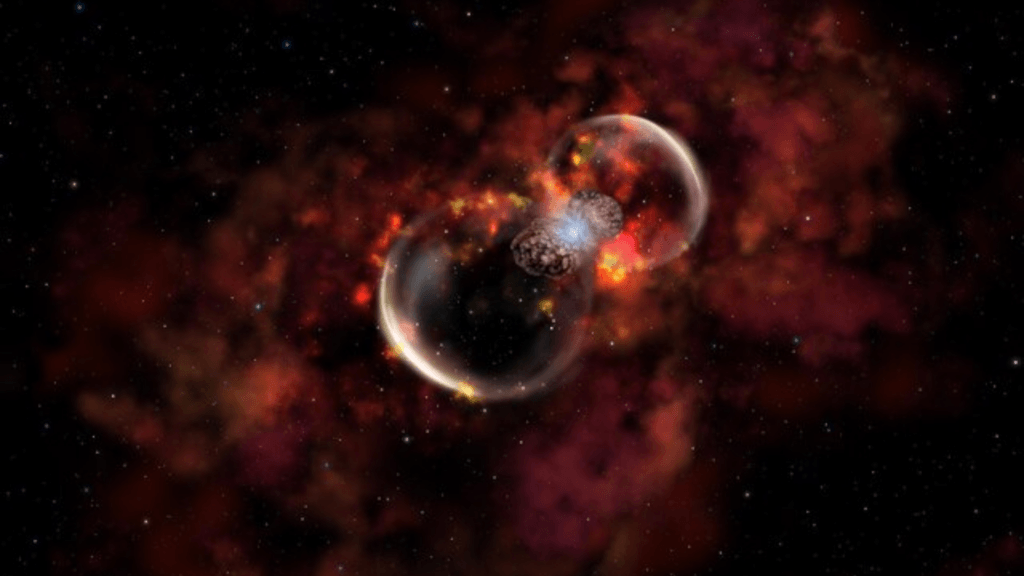
One explanation is that CWISE J1249 could be a runaway star, meaning it was violently ejected from its original location. This can happen when stars interact gravitationally with other massive objects or when a companion star explodes in a supernova. These events can fling a star across the galaxy at extraordinary speeds.
Another Theory Involves Black Holes

Another possible explanation is that the object had a close encounter with a black hole system. If two black holes are orbiting each other, their powerful gravity can act like a slingshot. A nearby star that passes too close may be accelerated dramatically and thrown outward at extreme velocity.
Why Scientists Are Studying Its Chemistry
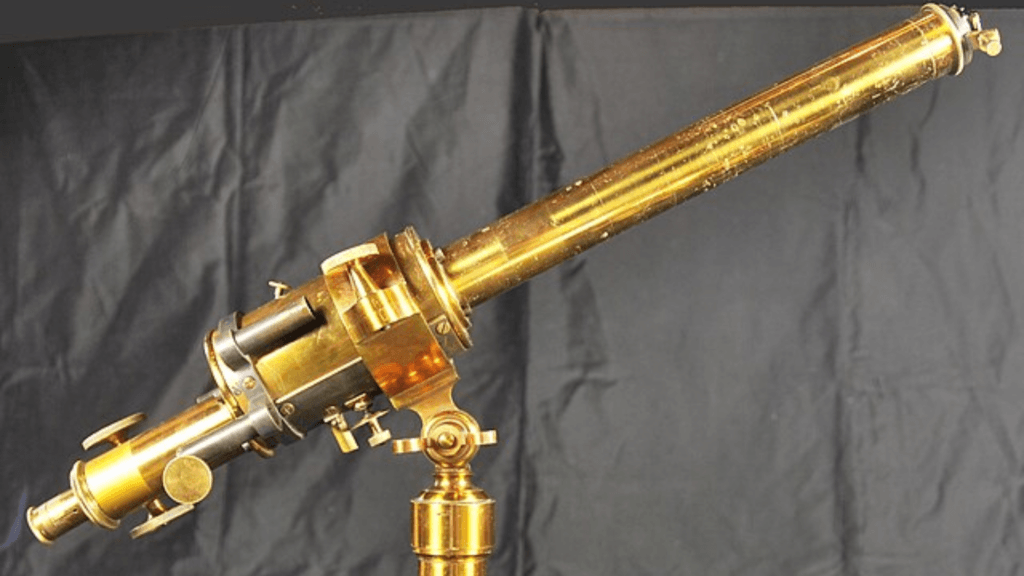
Researchers are now examining the object’s chemical composition to determine where it originated. By studying the light emitted from the object, astronomers can identify elements in its atmosphere. These clues may reveal whether the object was launched by a supernova explosion or originated from a dense star cluster.
What Makes the Object So Unusual
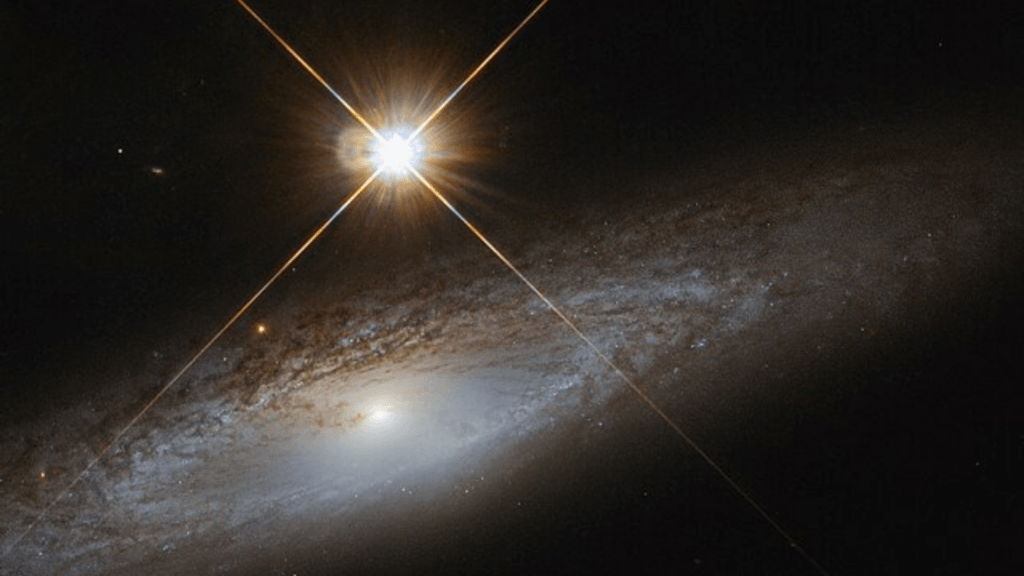
Hypervelocity objects are extremely rare because most stars remain gravitationally bound to the Milky Way. For an object to break free, it must reach extraordinary speeds that overcome the galaxy’s gravitational pull. Scientists say CWISE J1249 appears to be traveling fast enough to eventually leave the Milky Way and wander into intergalactic space.
A Reminder of How Dynamic the Galaxy Is

Discoveries like this highlight how dynamic and sometimes violent our galaxy can be. Stars, planets, and other objects are constantly moving and interacting through gravity. Occasionally, those interactions produce dramatic events capable of launching objects across vast cosmic distances.
Powerful Forces Reshaping The Milky Way
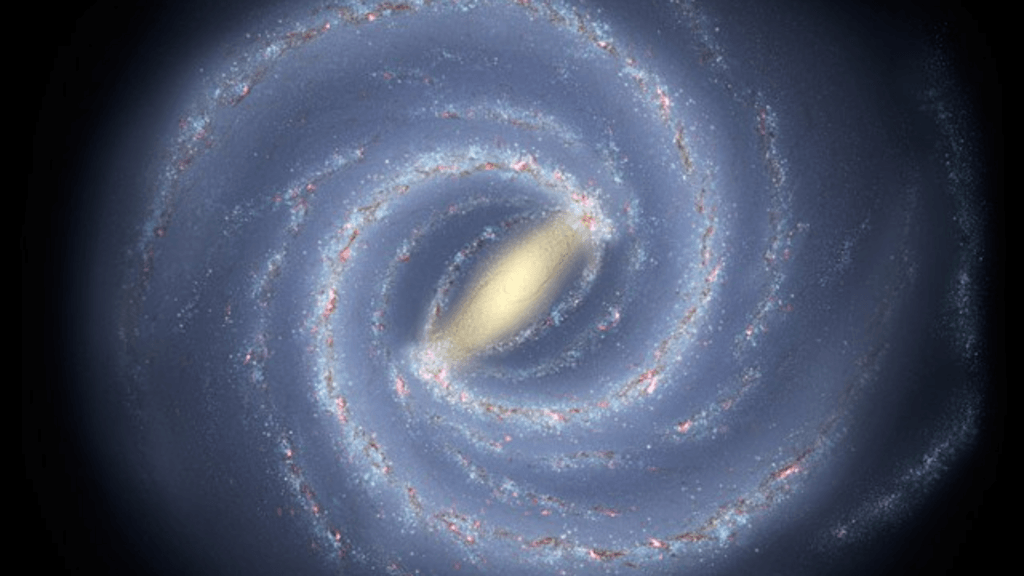
The mysterious object racing through space at nearly 1 million miles per hour is giving astronomers a rare glimpse into the powerful forces shaping the Milky Way. While scientists are still determining exactly what CWISE J1249 is and how it gained such incredible speed, the discovery demonstrates how much remains unknown about our galaxy. Continued observations may eventually reveal the cosmic event that launched this stellar traveler on its extraordinary journey.