


Products are selected by our editors, we may earn commission from links on this page.

As temperatures climb across much of the United States, many households are preparing for more than just uncomfortable weather. Experts expect electricity costs to increase this summer, making it even more important to use air conditioning wisely. Fortunately, a few simple adjustments can help lower energy use without giving up comfort.
Rising Temperatures Are Driving Higher Energy Costs

Extreme summer heat is increasing the demand for air conditioning across the country, and that added demand is expected to push electricity bills even higher. According to the National Energy Assistance Directors Association, household cooling costs could rise by 10.5% compared with last summer, adding financial pressure for many families during the hottest months of the year.
Why Electricity Prices Continue to Increase

Electricity prices have been climbing faster than overall inflation in recent years. Experts point to several reasons behind the trend, including the growing energy needs of data centers, higher natural gas prices, and ongoing investments to repair and modernize the nation’s aging power grid. These combined factors continue to raise the cost of keeping homes cool.
Finding the Right Balance Between Comfort and Savings

While no one can control the price of electricity, households can reduce how much they consume. Energy economist Mark Wolfe, executive director of the National Energy Assistance Directors Association, says improving energy efficiency is one of the most effective ways to lower monthly utility bills without completely sacrificing indoor comfort.
Increase the Thermostat Gradually

Instead of making a sudden jump to a warmer indoor temperature, Wolfe recommends increasing the thermostat by about one degree every couple of days. This gradual adjustment gives people time to adapt while reducing energy consumption, with a goal of reaching no higher than 78 degrees Fahrenheit.
Small Temperature Changes Can Produce Noticeable Savings

Even a minor thermostat adjustment can make a difference. Wolfe estimates that raising the cooling setting by just one degree can reduce electricity costs by around 3%. Over the course of a long summer, these small savings can add up without creating a dramatic change in indoor comfort.
Heat Alerts Highlight the Need for Energy Conservation
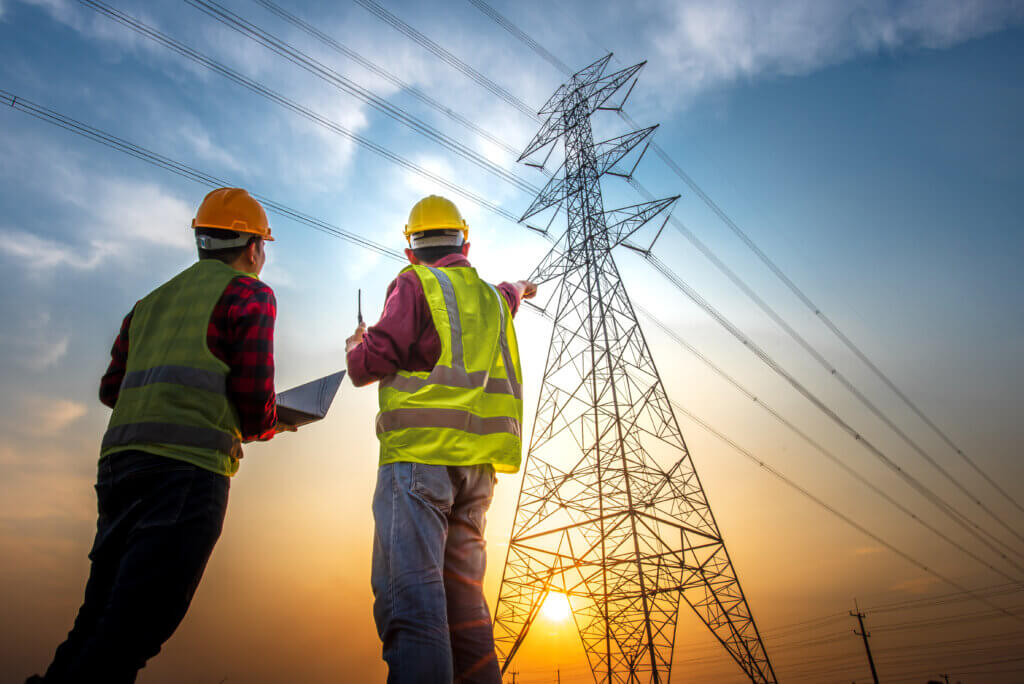
Large parts of the Northeast have experienced near-record temperatures, with millions of residents placed under heat alerts by the National Weather Service. During periods of extreme heat, increased electricity demand places additional strain on local power grids, making energy conservation even more important.
Cities Are Encouraging Residents to Save Energy

As temperatures rise, local officials are asking residents to help reduce electricity demand. New York City Mayor Zohran Mamdani encouraged people to keep their air conditioners set to 78 degrees Fahrenheit, switch off unnecessary lights, unplug unused electronics, and support efforts to reduce pressure on the city’s electrical system.
Adjust Your Thermostat When You Leave Home

Although 78 degrees Fahrenheit is generally considered the highest comfortable indoor temperature for most people, Wolfe says homeowners can save even more by setting the thermostat higher whenever the house is empty. Lowering the temperature again after returning home can provide comfort while avoiding unnecessary energy use during the day.
Block Sunlight Before It Heats Your Home

One of the easiest ways to keep indoor spaces cooler is by preventing direct sunlight from entering through the windows. Closing blinds, curtains, shutters, or shades during the hottest hours of the day helps reduce indoor temperatures naturally, allowing the air conditioner to work less.
Maintain Your Air Conditioner for Better Efficiency

Regular maintenance can improve the performance of an air conditioning system while reducing electricity consumption. A well-serviced unit operates more efficiently than one that has been neglected, and although repairs or replacements may require an upfront investment, the resulting energy savings can help offset those costs more quickly as electricity prices continue to rise.