

Products are selected by our editors, we may earn commission from links on this page.
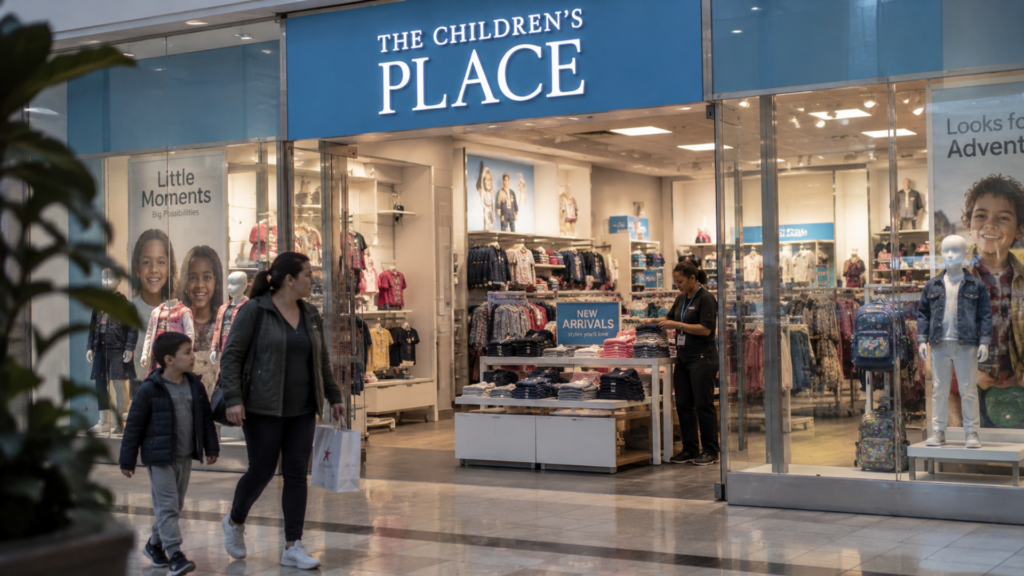
Parents have trusted The Children’s Place for kids’ clothing since 1969, long enough to build an empire that includes Gymboree, Sugar & Jade, and PJ Place alongside its own name-brand label. That legacy hasn’t stopped a mounting pile of financial warning signs. The company has not filed for bankruptcy as of August 2026, but its latest quarterly results, stock collapse, and increasingly desperate cash moves all point toward a retailer in genuine distress.
This article was created with the assistance of AI and reviewed by our editorial team for accuracy and clarity.
More Than 570 Stores Have Closed Since 2013
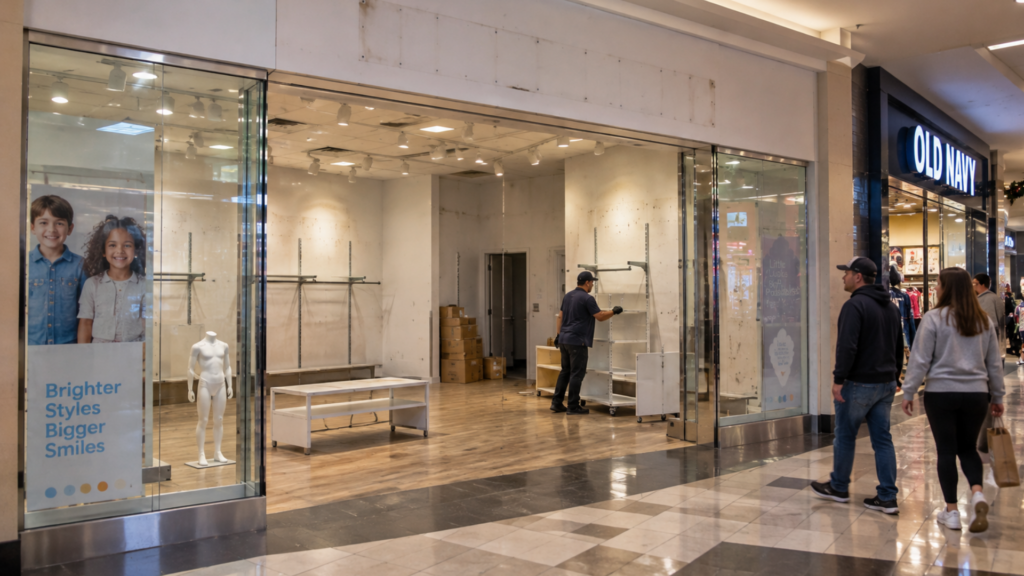
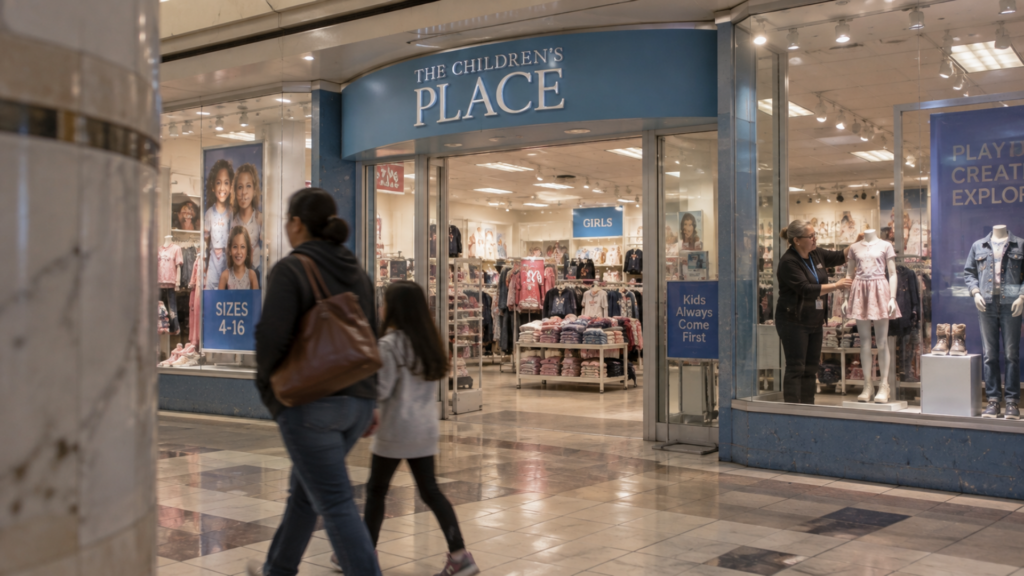
Store closures have been a fact of life at The Children’s Place for over a decade now, not a sudden new development. The company first launched an “optimization” initiative back in 2013, citing rising online shopping as the driver, and has closed more than 570 stores since then. It opened just one new location in early 2026, while closing two others during the same stretch, according to its own first-quarter results.
The Actual Net Loss Widened to $53.2 Million, Not $26.9 Million
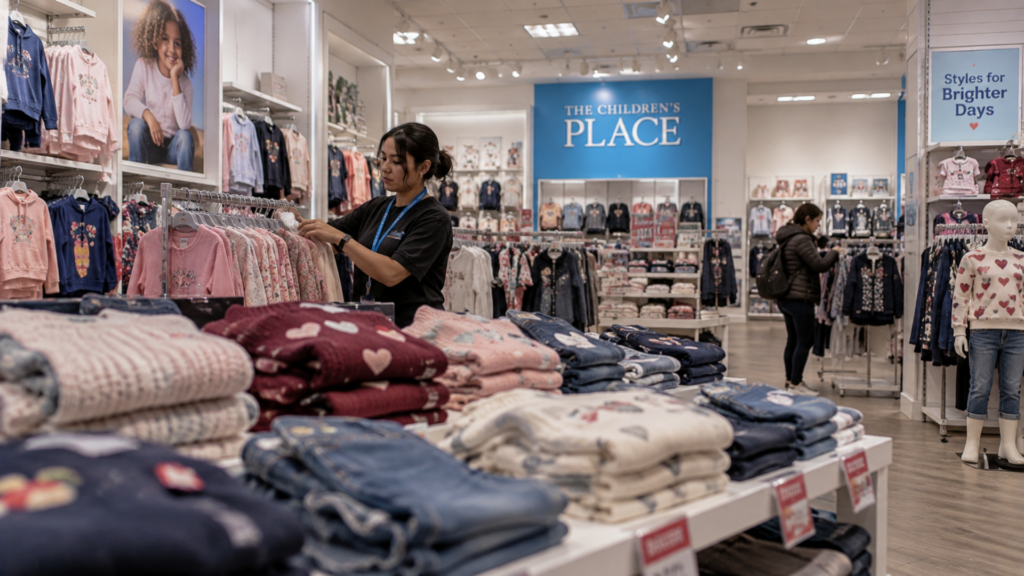
The company’s first-quarter 2026 numbers reveal problems running deeper than simple store closures. Net sales fell 11.1 percent compared to the same period in 2025, a decline of $26.9 million. More alarmingly, the company’s actual net loss widened to $53.2 million, up sharply from a $34.0 million loss the year before. Gross profit dropped from $70.8 million to $53.4 million, a decline of nearly 25 percent in a single year.
The Stock Has Lost 98 Percent of Its Value Since 2018

Wall Street’s read on the company tells much the same story as its earnings report. The Children’s Place stock peaked at $149.80 per share in January 2018, according to Nasdaq data. By August 2026, that same stock closed at just $2.40, a collapse of more than 98 percent from its high point, reflecting years of eroding investor confidence in the retailer’s turnaround prospects.
The Company Technically Owes More Than It Owns
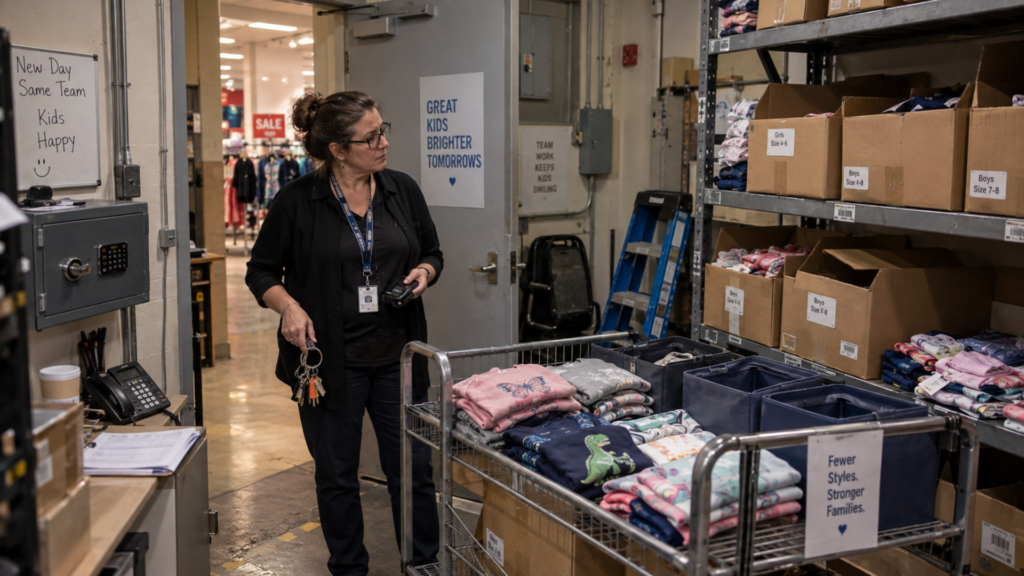
Beneath the headline numbers sits an even more concerning balance sheet detail. Total liabilities reached $836.4 million against stockholders’ equity of negative $107.2 million, meaning the company technically owes more than it owns outright. That debt load includes a $100 million term loan, ongoing borrowings against an asset-based credit facility, and $111.1 million in loans specifically tied to majority shareholder Mithaq Capital.
A Tariff Refund Windfall Got Sold Off at a $12.5 Million Loss

A federal court ruling briefly looked like unexpected good news for the struggling retailer. After a February 2026 Supreme Court decision found certain Trump-era import tariffs unlawful, The Children’s Place filed for approximately $40 million in refund claims, receiving $5.5 million by June. Rather than wait for the rest, the company sold $38.2 million of those anticipated refunds to private firm Alnus Investors for just $25.7 million, accepting a $12.5 million loss for faster cash.
The Company Is Paying Interest Rates as High as 153 Percent
That tariff refund sale wasn’t an isolated move, it fit a broader pattern of trading future money for immediate cash. The company also monetized a separate $19.1 million CARES Act tax receivable at a discount during the same period. According to its own securities filing, these short-term financing arrangements carried effective interest rates reaching as high as 153.1 percent, an extraordinarily expensive way to access liquidity.
Not Every Sign Points Toward Collapse, Cost Cuts Are Working
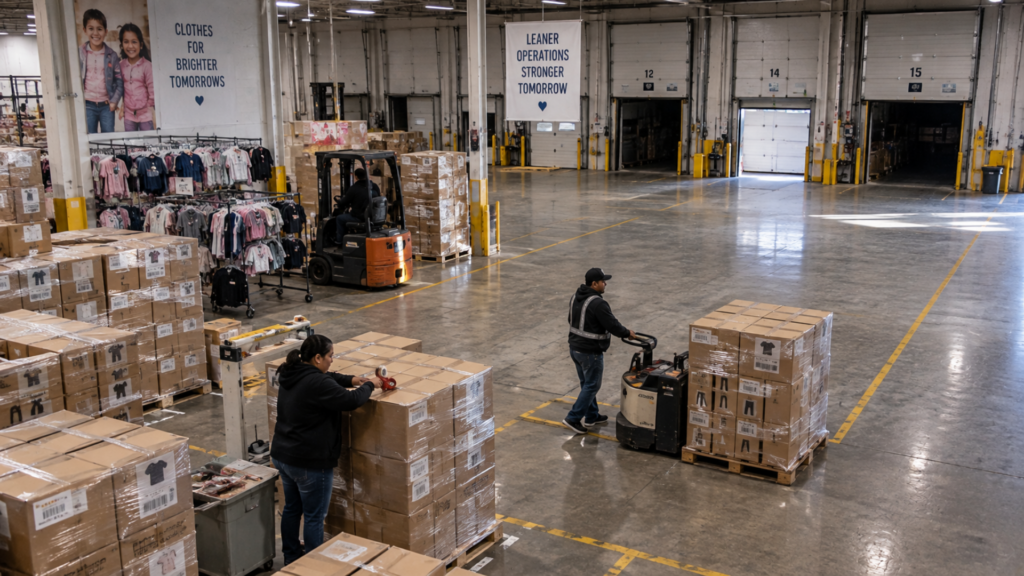
Not every recent signal points toward collapse, the company has shown some real progress on cost-cutting specifically. The Children’s Place has actioned $45 million of a $60 million cost-reduction target it hopes to reach by fiscal year 2027, and expects roughly $10 million in annual savings from exiting a third-party distribution facility. Total liquidity stood at $82.8 million as of early May 2026, offering the company at least some near-term breathing room.
This Isn’t the Company’s First Brush With Collapse
This isn’t the company’s first brush with existential financial trouble over the years. Back in 2007, The Children’s Place sought buyers amid struggling stock prices, improper trading by its own CEO, and a costly partnership dispute with Walt Disney Company, though that potential deal ultimately fell through. In 2024, Saudi investment firm Mithaq Capital took an unsolicited 54 percent stake in the company, triggering a change-of-control default on existing bank loans.
Children’s Apparel Overall Is Struggling, Not Just This One Chain
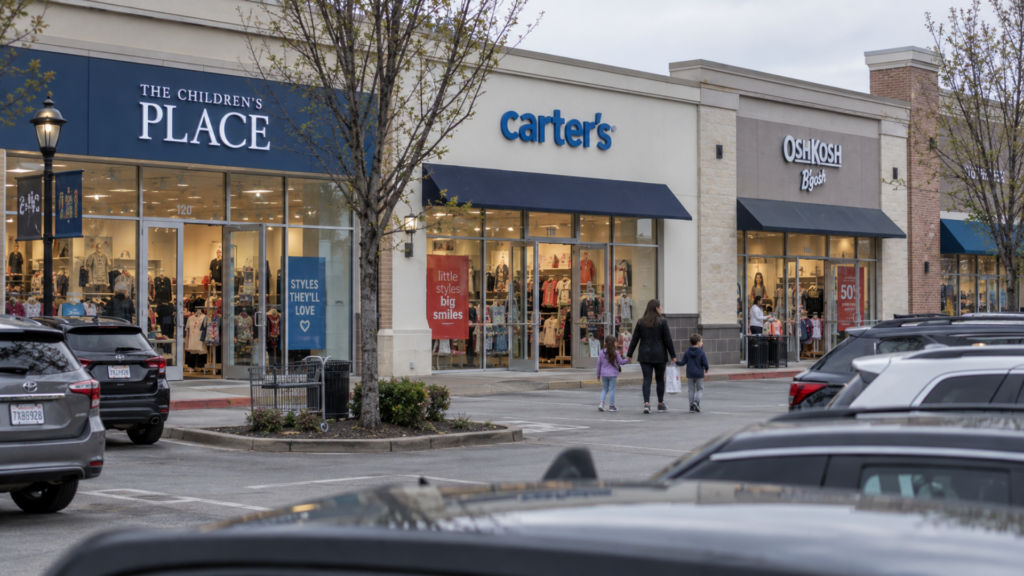
The Children’s Place is far from alone in facing this kind of pressure within children’s apparel specifically. Rival Carter’s announced plans to close 150 of its own stores in 2025, citing similar sales challenges across the category. Whether The Children’s Place ultimately avoids bankruptcy will likely depend on whether its cost-cutting progress can outpace its mounting debt costs before liquidity runs thinner still.