

Products are selected by our editors, we may earn commission from links on this page.
The U.S. Department of State issued a worldwide caution advisory on March 22, 2026, urging Americans traveling or living abroad to stay alert and aware of their surroundings as geopolitical tensions tied to U.S. military operations in Iran continue to escalate. The alert applies globally, with particular emphasis on Americans in or near the Middle East. The advisory does not cite a specific imminent threat.
The State Department warned that U.S. diplomatic facilities, including those outside the Middle East, have been targeted. The agency noted that groups supportive of Iran may extend their focus to other U.S. interests overseas, including American businesses, cultural centers, and areas commonly frequented by Americans. Americans abroad are advised to follow security guidance from their nearest embassy or consulate.
The advisory follows a series of security alerts issued across Europe in recent weeks. The U.S. Mission to the Netherlands warned American citizens after a string of targeted explosive incidents in the region and several major European cities. Shortly after, the U.S. Embassy in Rome issued its own alert urging Americans worldwide to exercise heightened caution following the start of U.S. combat operations in Iran.
The U.S. and Iran Trade Warnings Over the Strait of Hormuz
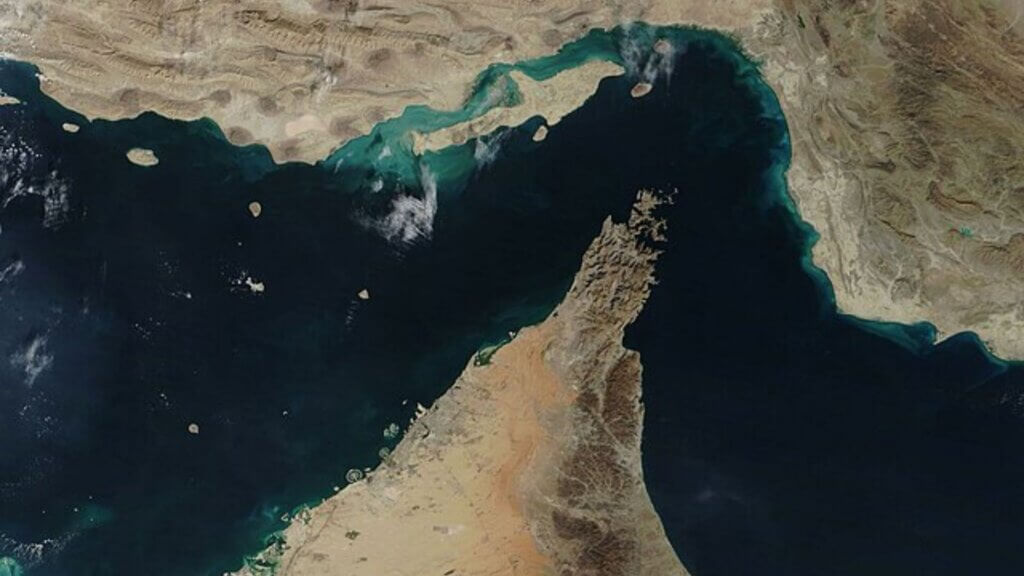
Tensions escalated further when President Donald Trump posted a public ultimatum on Truth Social on March 22, giving Iran 48 hours to fully reopen the Strait of Hormuz, a critical waterway for global oil and gas exports. Trump warned that noncompliance would result in military strikes on Iranian power plants, threatening to begin with the country’s largest facility first.
Iran’s Revolutionary Guards responded through state media, issuing a direct threat of their own. “If you hit electricity, we hit electricity,” the statement read. The Revolutionary Guards denied claims that they planned to target water desalination plants and said any U.S. action would be met with a response of equal deterrence, targeting electrical infrastructure across the Middle East.
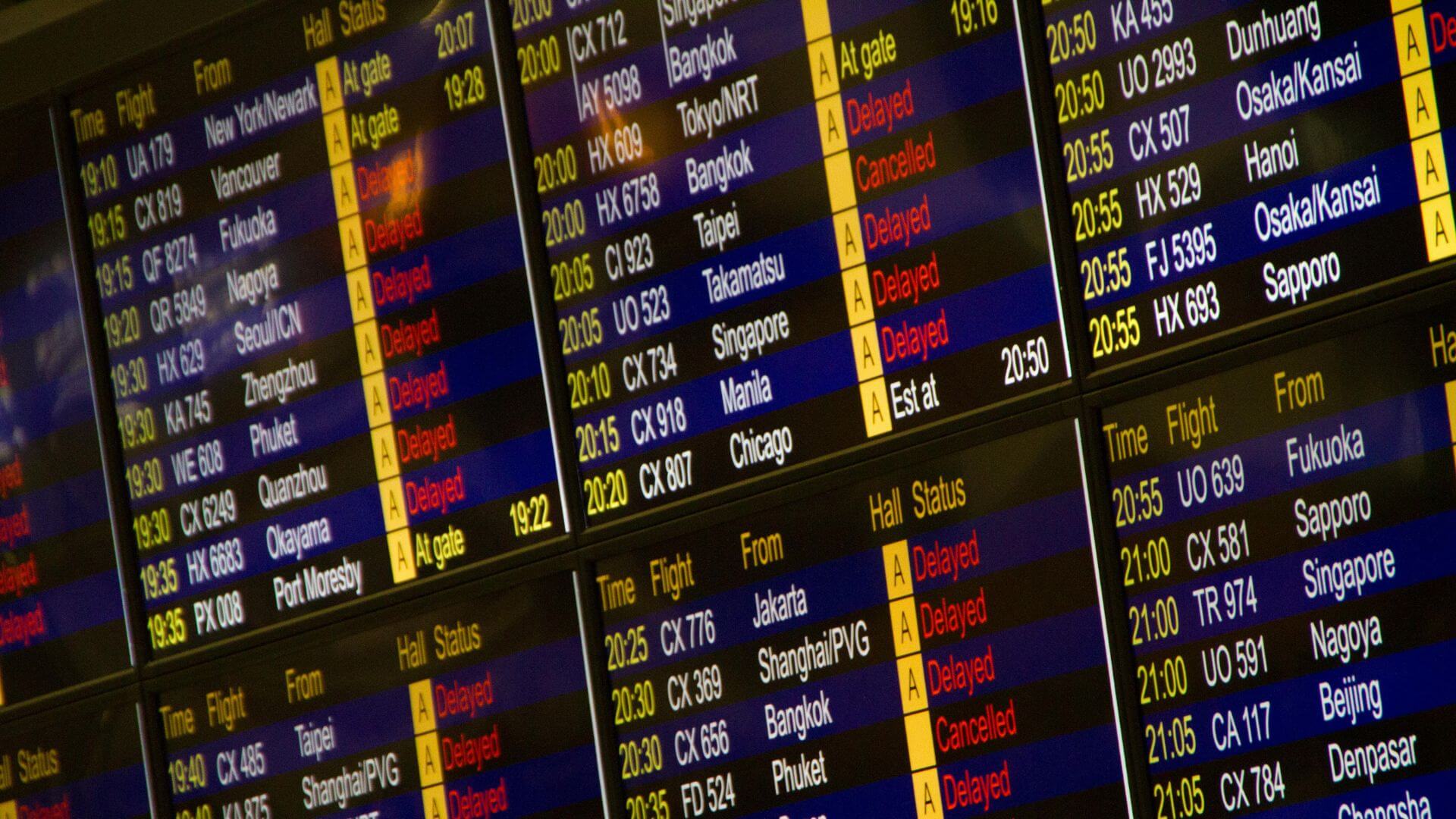
Beyond security risks, the State Department also warned of possible travel disruptions tied to the ongoing conflict. Periodic airspace closures may cause disruptions to international flight schedules, particularly in and around the Middle East. The State Department advised travelers to remain flexible and stay prepared for last-minute changes to planned itineraries.
Steps the State Department Wants Every American Traveler to Take

The State Department directed Americans to enroll in the Smart Traveler Enrollment Program, known as STEP, through step.state.gov. The program delivers security alerts based on a traveler’s registered location and enables U.S. embassies to reach Americans abroad during an emergency. Americans can also receive alerts through the department’s WhatsApp channel, “U.S. Department of State, Security Updates for U.S. Citizens,” or the @TravelGov account on X.
Country-specific safety information is available on travel.state.gov/destination, where travelers can review the latest advisories and any recent security updates relevant to their travel plans. Officials recommended revisiting these pages regularly, especially for regions experiencing active political or military developments, as security conditions can change quickly.
A February 2026 survey by shipping company Send My Bag found that 44 percent of Americans between the ages of 18 and 45 said they had lied about being American while traveling abroad, with several citing concerns about political tensions or unwanted conversations tied to U.S. foreign policy.
What Americans Abroad Should Know as the Advisory Stays in Effect
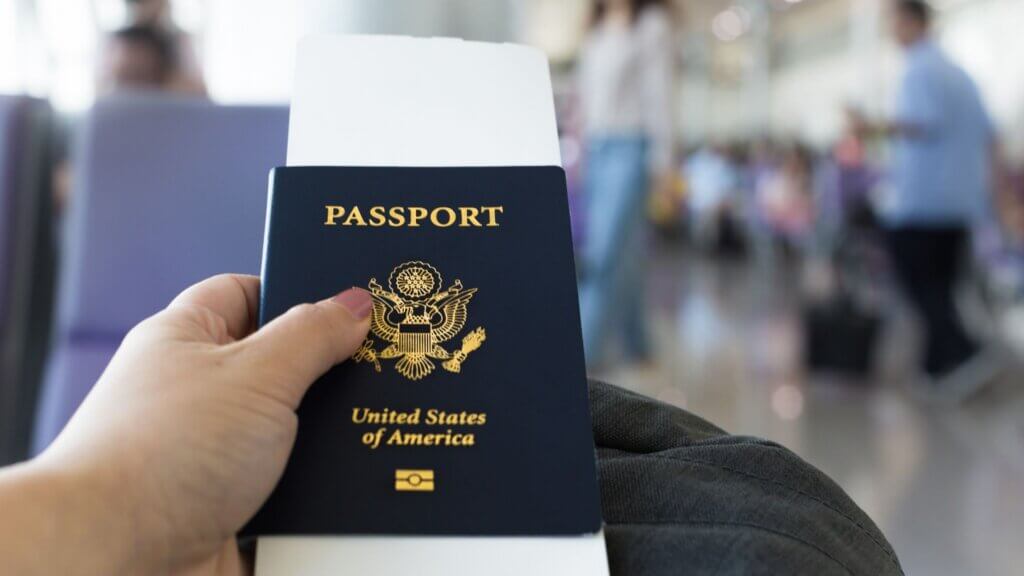
Officials urged Americans overseas to stay aware of their surroundings and keep up with any security developments in their area. The State Department described the advisory as a reflection of the broader risk environment created by active military operations, rather than a response to any specific imminent threat.
Staying connected to embassy communications and monitoring local conditions are the most immediate steps for Americans currently overseas, according to the department. The State Department also noted that Americans in regions outside the Middle East are not exempt from the heightened risk environment.
The advisory carries no set expiration date, and officials have not signaled when conditions may stabilize. Americans planning international travel are advised to treat the current guidance as a baseline, revisiting embassy alerts and destination advisories regularly as the broader situation continues to develop.