

Products are selected by our editors, we may earn commission from links on this page.

Thirteen percent of all credit card accounts in the United States have crossed the threshold of serious delinquency, falling at least 90 days behind on payments. This alarming statistic signals a profound wave of financial distress moving quietly through American households. Faced with sustained inflationary pressures, millions of families are exhausting their baseline incomes and relying heavily on revolving high-interest loans simply to keep food on the table and pay essential monthly utility bills.
Nonpartisan data from the Federal Reserve Bank of New York confirms the sudden historic surge
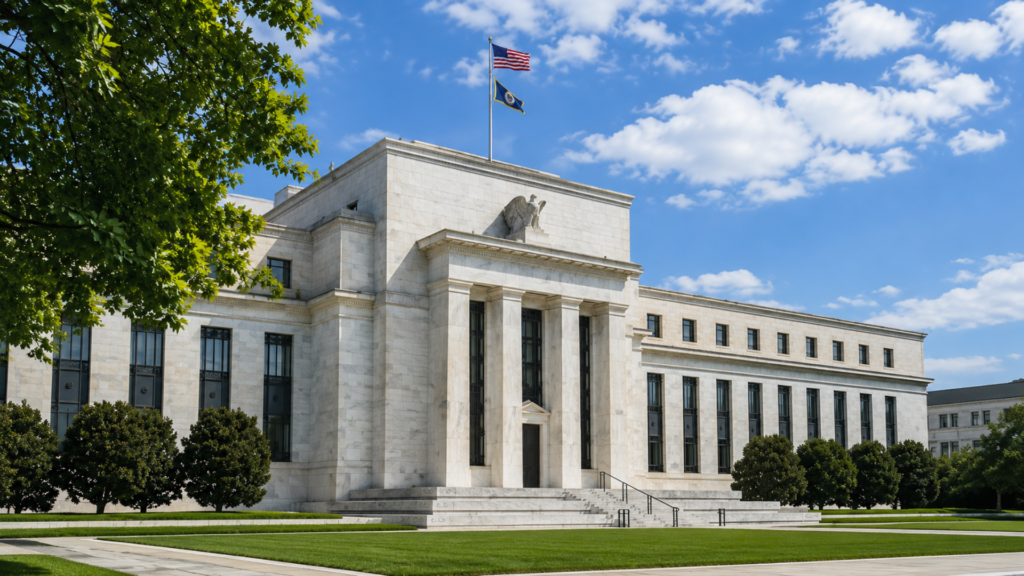
The shocking escalation in non-housing household debt is verified by institutional tracking from the Federal Reserve Bank of New York. Economists at the Center for Microeconomic Data monitor national consumer borrowing patterns using a nationally representative sample of anonymized credit data. The organization’s latest quarterly policy brief provides an authoritative, data-backed foundation for understanding the current financial crunch, proving that the mounting delinquency numbers are a verified economic reality rather than anecdotal speculation.
Total revolving card debt has spiked to an unprecedented peak of $1.25 trillion

American consumers are currently carrying a collective record of $1.25 trillion in active credit card debt. This massive mountain of liability represents an average financial burden of thousands of dollars per household, compounded by average retail interest rates running at approximately 21 percent. To make matters worse, financial advocacy networks note that these severe card delinquency rates have now matched the peak crisis levels last observed during the height of the 2008 global financial meltdown.
This sudden default acceleration defies the unusually low delinquency baselines of recent years
The sharp spike in credit card defaults caught analysts off guard because it completely reverses the record-low delinquency baselines enjoyed during the post-pandemic recovery. During that brief period, federal stimulus checks and temporary debt moratoriums allowed households to pay down revolving balances and build temporary cash buffers. The current reversal proves that those protective pandemic-era financial cushions have completely evaporated, pushing default metrics straight into a highly volatile, 15-year high.
National investment advocates warn that desperate families are actively raiding retirement funds

The financial strain has forced everyday consumers to make desperate trade-offs to keep their households afloat. Financial analysts at Fidelity have raised red flags after documenting an unprecedented surge in citizens taking emergency hardship withdrawals from their personal 401(k) accounts. Rather than saving for the future, a growing number of working-class Americans are actively draining their long-term retirement security just to pay off immediate, high-interest credit card penalties.
The structural danger lies in a toxic cycle of high interest compounding over time

“Americans are essentially mortgaging their futures to survive the present, which is a very scary economic place to be. This surge in delinquent credit card debt comes as many people are now raiding their 401(k)s just to make ends meet.” This explicit warning was issued by senior researchers in a national consumer protection report published in May 2026, highlighting the severe long-term individual damage caused by the current household debt crisis.
Traditional banking institutions are responding by aggressively slashing active consumer limits

The escalating default wave has triggered defensive policy updates across the commercial banking sector. Fearing catastrophic loan losses, major credit card issuers are quietly lowering active spending limits and denying new line applications for subprime borrowers. This corporate tightening creates an immediate structural complication, as maxed-out families suddenly find themselves cut off from the emergency plastic safety net they were relying on to bridge the gap between stagnant paychecks.
The personal cash crunch is compounded by a historic plunge in national savings rates

The rapid accumulation of credit card debt directly mirrors a catastrophic drop in the national personal savings rate, which has plummeted to its lowest level since 2022. According to macroeconomic files, ordinary families are saving less than three percent of their disposable income, a tiny fraction of historical averages. This missing safety net leaves households entirely exposed to sudden financial shocks, meaning a single car breakdown or medical bill can trigger immediate insolvency.
Unpaid balances today lock low-income workers into a permanent downward economic spiral

For an ordinary American worker, falling behind on a credit card bill is not a temporary setback, it is the beginning of a structural economic trap. A standard $5,000 delinquent balance racking up 21 percent interest can easily trap a low-wage earner into paying thousands of dollars in pure interest fees over a decade without ever reducing the principal loan. This dynamic effectively transfers wealth away from working families, damaging personal credit scores and blocking future homeownership.
The compounding multi-trillion dollar federal deficit points toward higher future borrowing costs

Long after families navigate their current immediate bills, the shadow of a separate macroeconomic crisis looms over the domestic horizon. The broader American national debt is rapidly hurtling toward an unprecedented $40 trillion threshold. Financial analysts warn that this massive federal deficit will ultimately pressure the central bank to maintain higher baseline interest rates for years, ensuring that consumer credit, auto loans, and standard mortgages remain punishingly expensive for the next generation.