

Products are selected by our editors, we may earn commission from links on this page.
Scientists can reverse-engineer particle accelerators and send robots to Mars, yet some ancient tools still resist full explanation. Scattered across museums, shipwrecks, temples, and excavation sites, these inventions hint at civilizations operating far beyond what textbooks describe. Their materials, mechanisms, and unexplained functions challenge modern engineering, leaving researchers with more questions than answers.
The Antikythera Mechanism: A Computer 2,000 Years Too Early
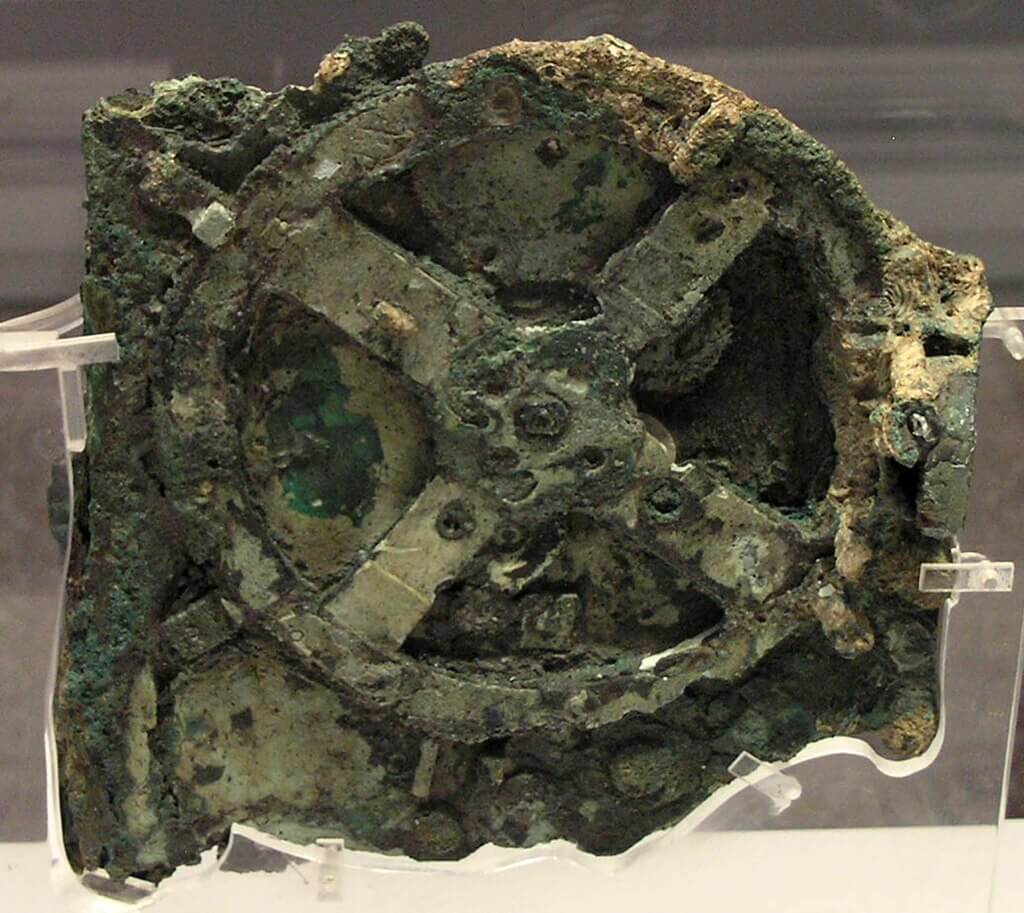
Pulled from a shipwreck near the Greek island of Antikythera, the device dates to around 100 BC and contains a dense system of bronze gears. It predicted lunar cycles, eclipses, and planetary motion with a precision greater than some medieval astronomical tables. No other surviving example from the ancient world shows this level of mechanical sophistication.
Roman Concrete: Why Their Buildings Haven’t Crumbled
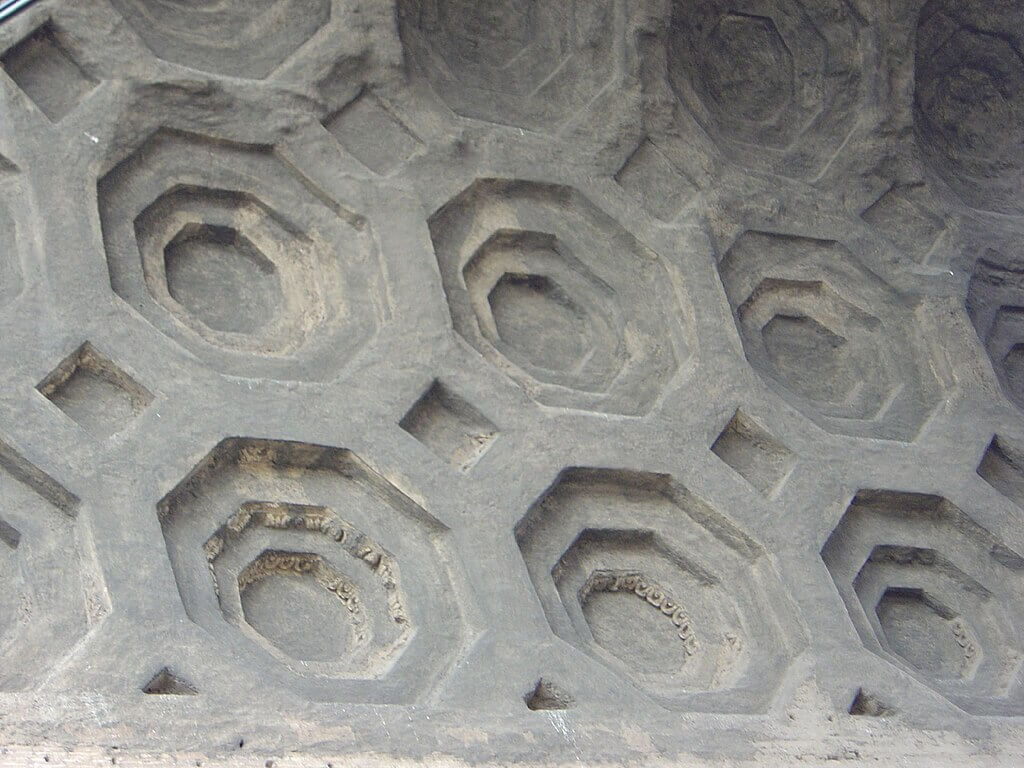
Modern concrete decays in decades, yet Roman structures like the Pantheon and seaside piers remain intact after nearly 2,000 years. Scientists know volcanic ash played a key role, but the mixture interacts with seawater in ways modern formulas cannot easily replicate. The material continues hardening across centuries, a property engineers still hope to reproduce.
The Lycurgus Cup: Ancient Nanotech in a Drinking Vessel

This 4th-century Roman chalice changes color depending on how light hits it—green in reflected light and red when illuminated from behind. Its glass contains microscopic particles of gold and silver, dispersed at a nanoscale modern labs normally create with specialized equipment. No other surviving Roman artifact demonstrates such intentional optical engineering.
Damascus Steel: The Blade That Shouldn’t Be Possible

Used between 300 BC and the 18th century, Damascus steel blades were legendary for sharpness, flexibility, and distinctive water-like patterns. The forging method, likely involving layered billets and carbon diffusion, was lost centuries ago. Modern attempts replicate parts of the pattern, but not the performance qualities that made the originals nearly indestructible in battle.
Zhang Heng’s Seismoscope: Detecting Quakes 1,500 Years Early
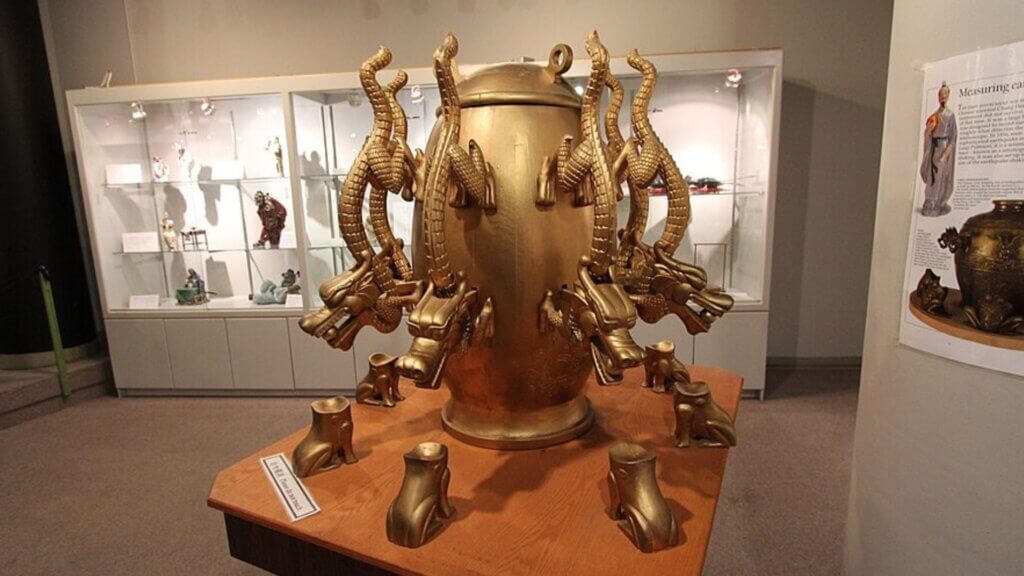
In AD 132, the Chinese inventor Zhang Heng built a bronze vessel that dropped a metal ball to indicate the direction of a distant earthquake. It worked even when tremors were not felt locally. Scientists can describe its outer form, but the internal mechanism—capable of directional detection without electronics—remains unconfirmed.
Ctesibius’s Water Clock: Timekeeping With Precision Gears
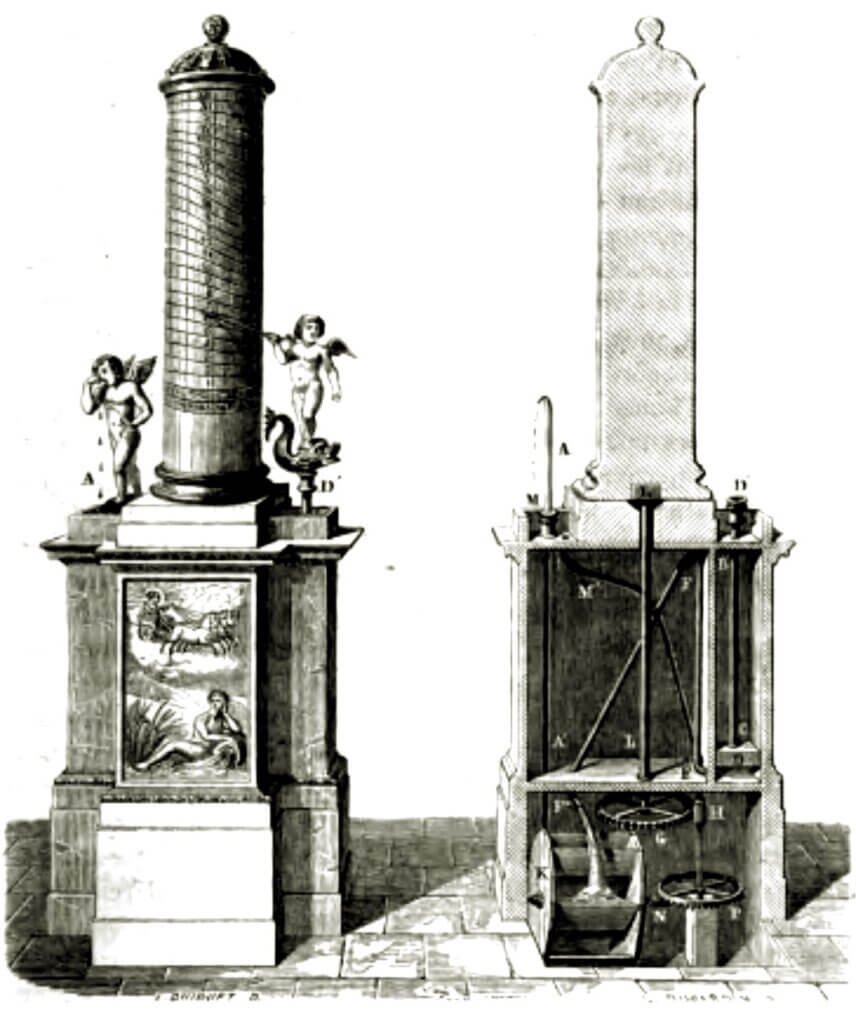
Around the 2nd century BC, Ctesibius of Alexandria engineered a clepsydra that adjusted to seasonal day lengths. Instead of a simple drip, the clock used regulators, chambers, and gearwork to maintain accuracy. Modern engineers still study the device’s precision to understand how ancient artisans achieved stable time measurement.
The Baghdad Battery: Electricity Before Anyone Knew What It Was
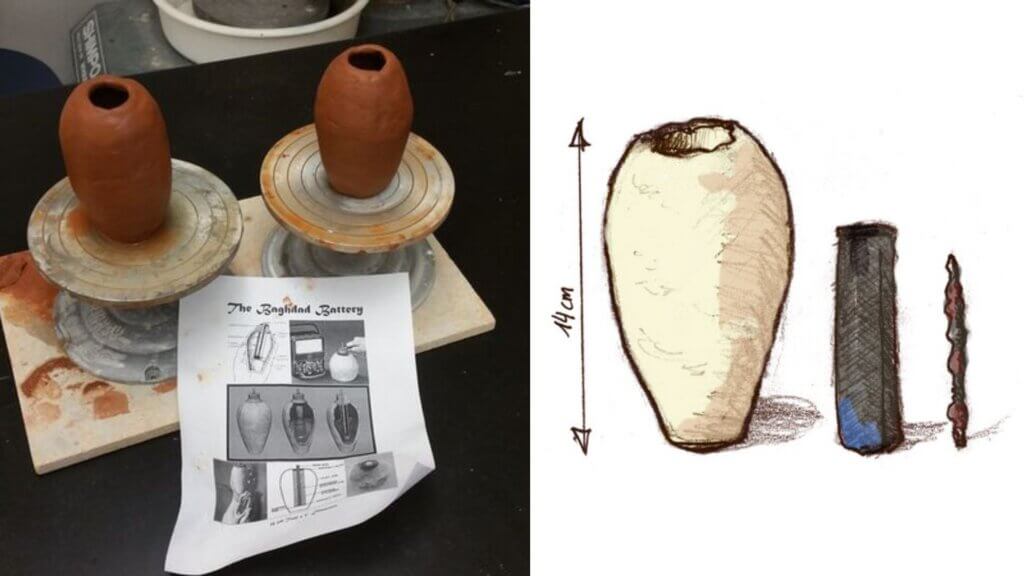
A clay jar fitted with a copper tube and iron rod from roughly 250 BC–AD 224 may be the earliest electrical device. Some researchers believe it was used for electroplating, while others suggest it had ceremonial purposes. Without written context, its true use remains unresolved, and modern replicas produce measurable voltage.
The Phaistos Disc: A Written Code That Won’t Crack
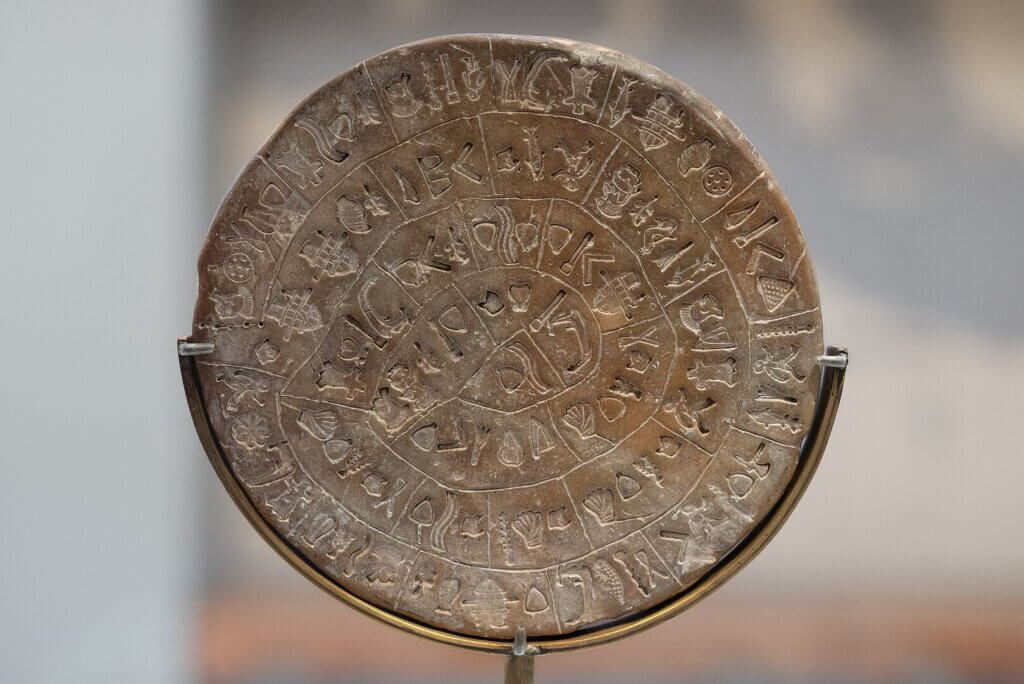
Discovered in 1908 on Crete, the disc’s spiral of stamped symbols does not match known writing systems. Scholars have proposed that it represents a prayer, calendar, or proto-alphabet. Despite decades of linguistic analysis and computational attempts, no translation has reached consensus.
The Aeolipile: A Steam Engine 1,700 Years Too Early
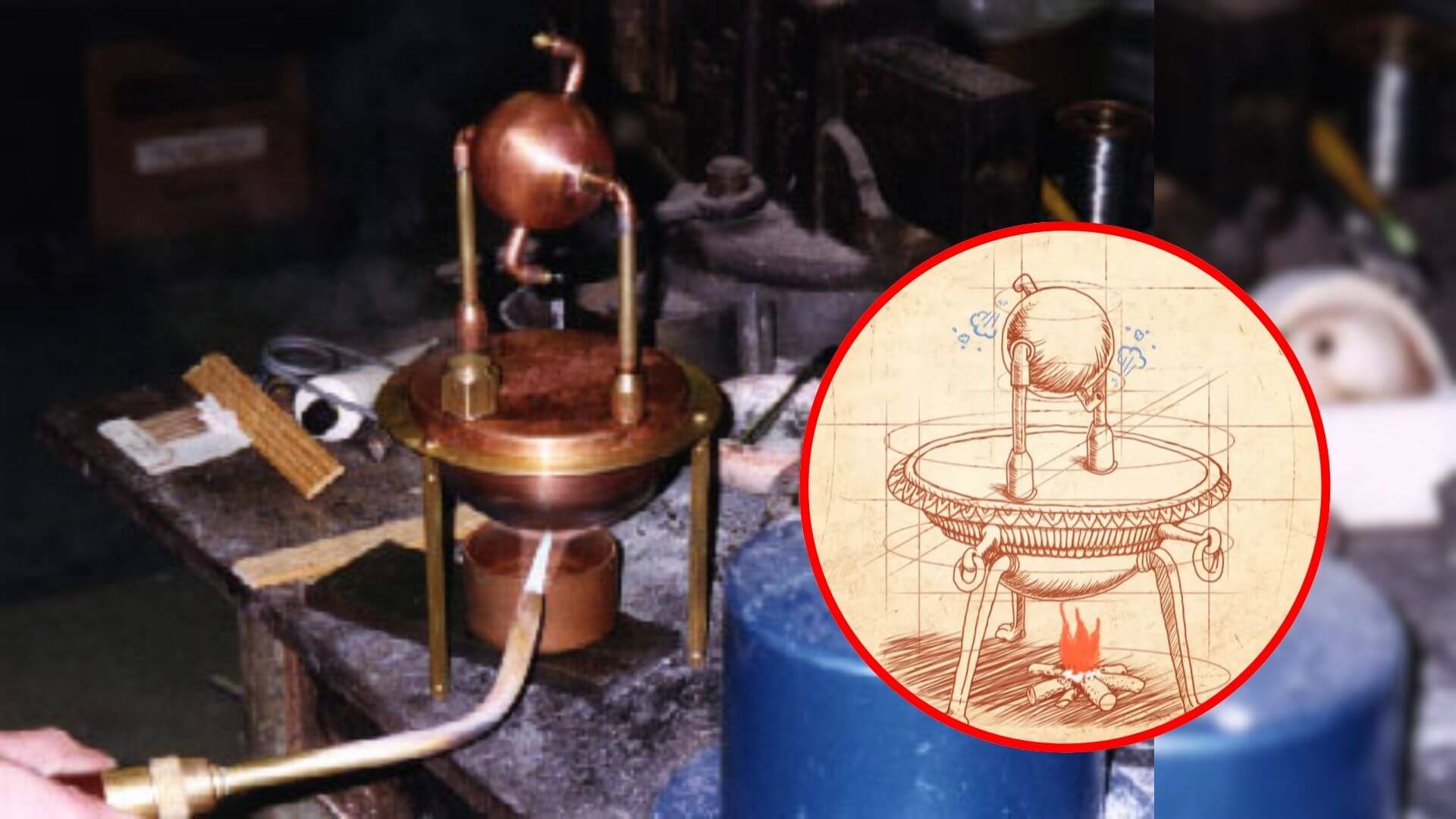
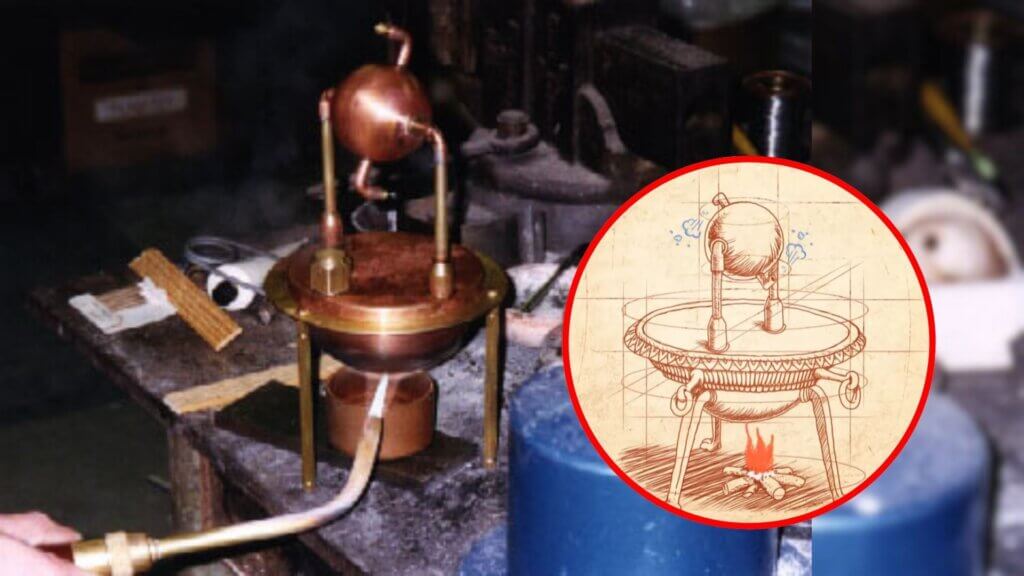
Attributed to Hero of Alexandria in the 1st century AD, the aeolipile spins using pressurized steam released from a spherical vessel. In principle, it is the world’s first reaction turbine. Yet there is no evidence the Romans industrialized it, leaving historians puzzled why a near-engine revolution never occurred.
Clues From the Past, Questions for the Future

These relics aren’t just curiosities. They reveal that innovation is not linear and ancient societies solved problems using methods modern engineers still struggle to understand. Whether these breakthroughs were lost, forgotten, or intentionally guarded, they remind us that technology is not exclusively a story of progress. Sometimes, humanity moves forward by rediscovering what it once knew.