


Products are selected by our editors, we may earn commission from links on this page.

What if you could spend a year living like an astronaut without ever leaving Earth? NASA is looking for four volunteers willing to spend 12 months inside a simulated Mars mission, complete with cramped living quarters, homegrown crops, and mock spacewalks—all without leaving Houston.
NASA Wants Four People to Fake Their Way to Mars
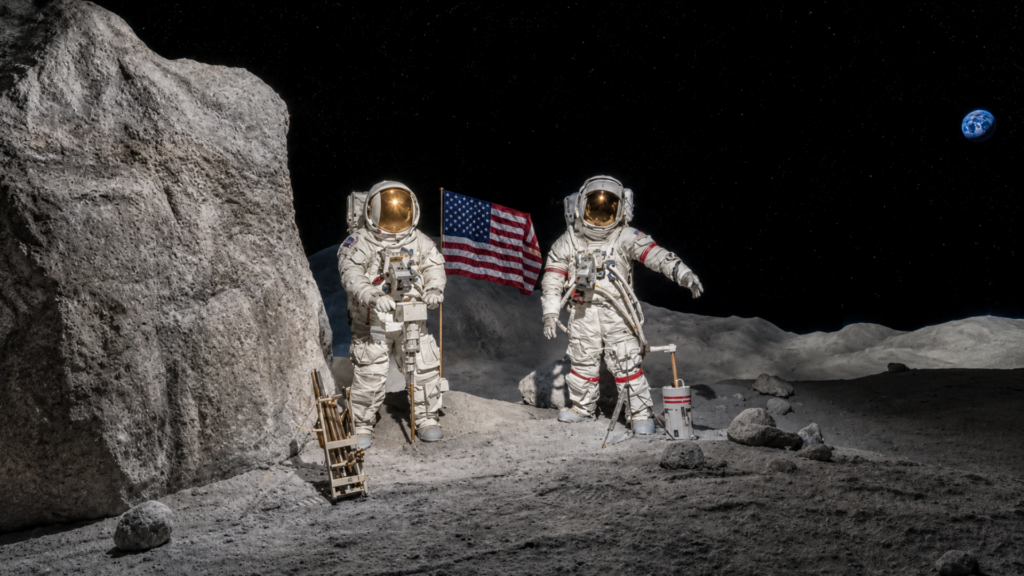
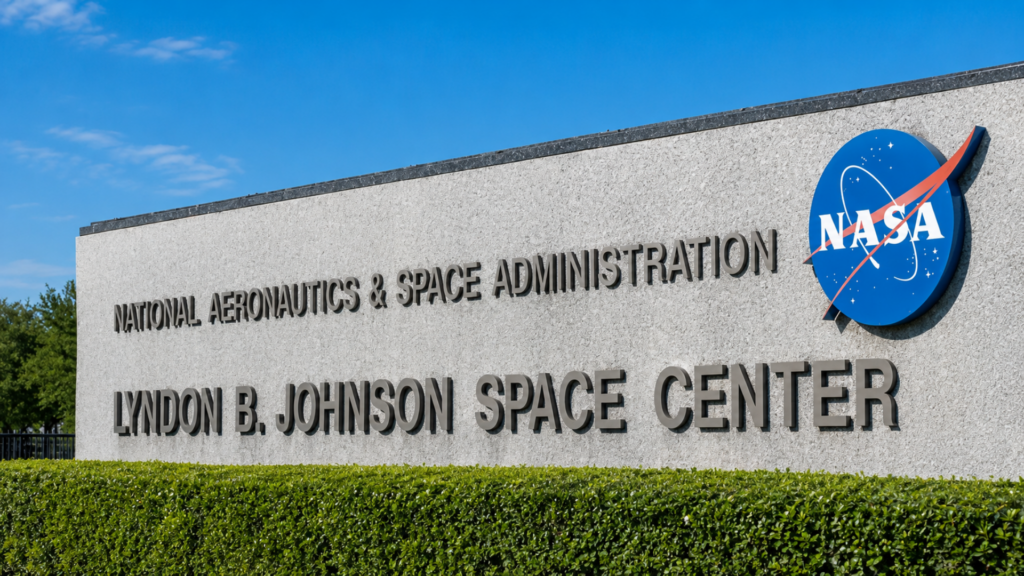
NASA announced it is recruiting four participants for its new Moon and Mars Exploration Analog, or MMEA, program. The yearlong simulation replicates traveling to and living on the Moon and Mars, all from a facility in Houston. Volunteers will grow crops, monitor their own health, and practice spacewalks just as real astronauts would. The program is set to begin no earlier than August 2027. It represents one of NASA’s most detailed ground-based simulations yet.
This Research Could Directly Protect Real Astronauts Someday
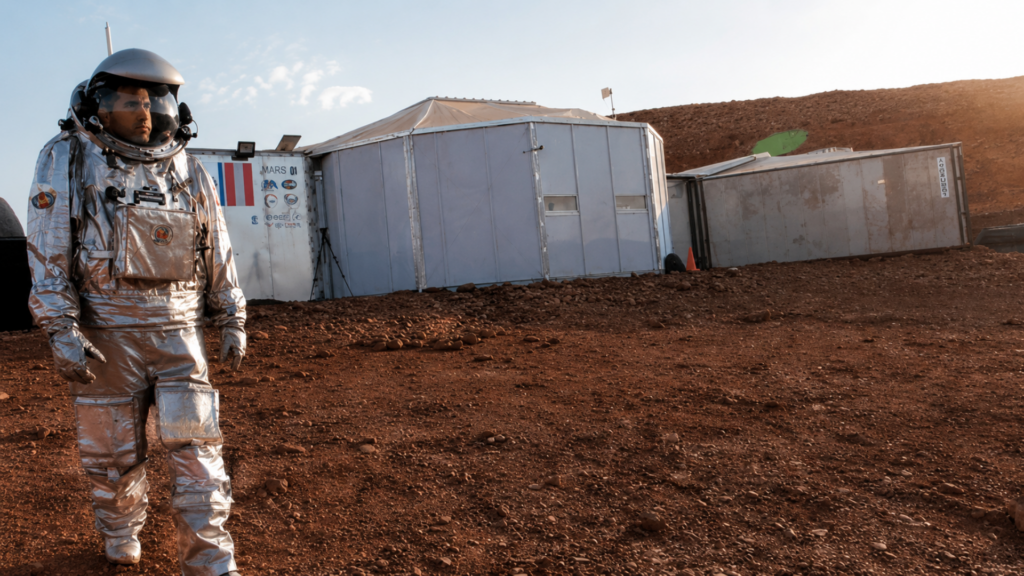
NASA isn’t running this simulation just for curiosity’s sake. A NASA spokesperson told CNN the program helps identify risks astronauts might face during actual missions to space and Mars. “Volunteer research participants contribute greatly to the knowledge base by helping NASA characterize the risks and test countermeasures to enhance human performance during long-duration space exploration missions,” the spokesperson said. Every detail volunteers experience feeds directly into planning for future crewed missions.
A Martian Day Is Longer, and That Could Wreck Your Sleep
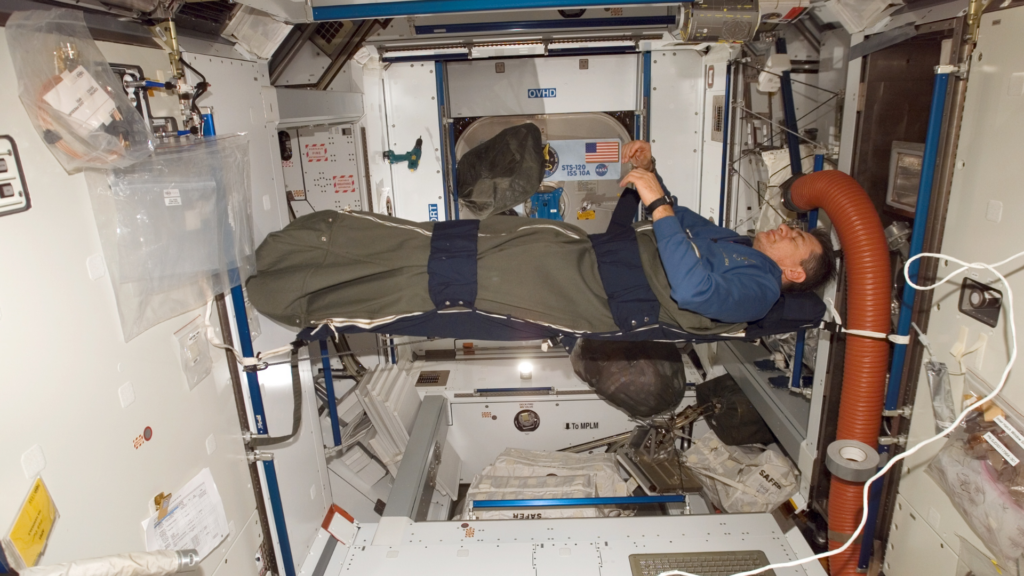
One focus of this study involves something surprisingly simple: time itself. A Martian day, called a sol, runs about 40 minutes longer than a day on Earth. That small gap could disrupt sleep patterns, mood, and overall performance during long missions. NASA plans to study exactly how crew members adjust to this shifted schedule throughout the year. Something as basic as an extra 40 minutes could shape how future astronauts function on Mars.
Not Just Anyone Can Apply for This Unusual Job

NASA’s requirements narrow the applicant pool considerably. Volunteers must be U.S. citizens or green card holders between the ages of 30 and 55, though exceptions may apply. They also cannot stand taller than 6 feet 2 inches and must be fluent in English. Beyond the basics, candidates need “astronaut-like qualifications,” including degrees in engineering, biological science, physical science, or mathematics. Military experience and advanced STEM degrees count in an applicant’s favor too.
The Program Actually Lasts Longer Than a Single Year

While the core mission runs 12 months, the full commitment stretches even further. Participants must dedicate 14 months total to the program at Johnson Space Center. That includes two additional months set aside for training before and after the mission itself. Applicants also need to pass both physical and psychological assessments beforehand. NASA further requires no history of sleepwalking or reliance on sleeping aids, given how closely sleep patterns will be monitored.
Volunteers Will Live Inside Two Completely Different Fake Worlds
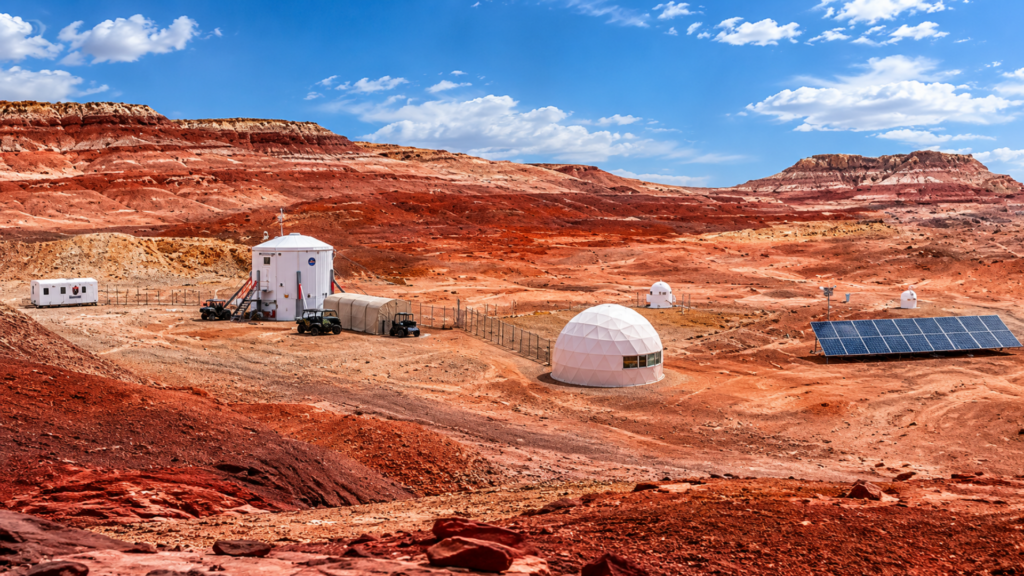
The mission unfolds in three distinct phases using two separate habitats. “The first will take place inside a mock 650-square-foot spacecraft, where the volunteers will live as though they were traveling from the Earth to the Moon or Mars,” NASA spokesperson Kelsey Spivey told CNN. Each crew member gets private quarters with a small living, working, and sleeping space. The second phase shifts them into a larger, 900-square-foot facility designed to mimic actual planetary surface living.
This Marks the First Time NASA Has Combined These Two Experiences

NASA has run plenty of similar simulations before, but never quite like this one. The agency has conducted 28 transit simulations and two separate surface habitat simulations in the past. This MMEA project is the first to combine both types into a single continuous mission. Spivey explained the habitats are being scaled down deliberately, designed to simulate earlier stages of Mars infrastructure rather than a fully established base, information NASA hopes applies to near-term Moon base planning too.
A Doctor From Illinois Already Lived This Exact Experience

Nathan Jones, a doctor from Illinois, already completed a similar simulation through NASA’s earlier CHAPEA program. He served as the crew’s medical officer inside a 1,700-square-foot simulated Mars habitat called Mars Alpha Dune. The experience only deepened his desire to become an astronaut someday, and he told CNN he would even consider a commercial spaceflight. Missing his wife and children proved to be the hardest part of the entire year.
Sometimes You Need Fake Mars to Appreciate Real Earth
Remember that idea of trading real Earth for a simulated planet without ever leaving Texas. For Jones, that trade came with an unexpected lesson about everything he’d taken for granted. “In the mission there was no sunshine or wind. So, I found a new appreciation for those kinds of things when the mission completed,” he said. Missing birthdays, holidays, and simple sunlight taught him more about home than any spacesuit ever could. Four new volunteers are about to learn that same lesson themselves.