

Products are selected by our editors, we may earn commission from links on this page.
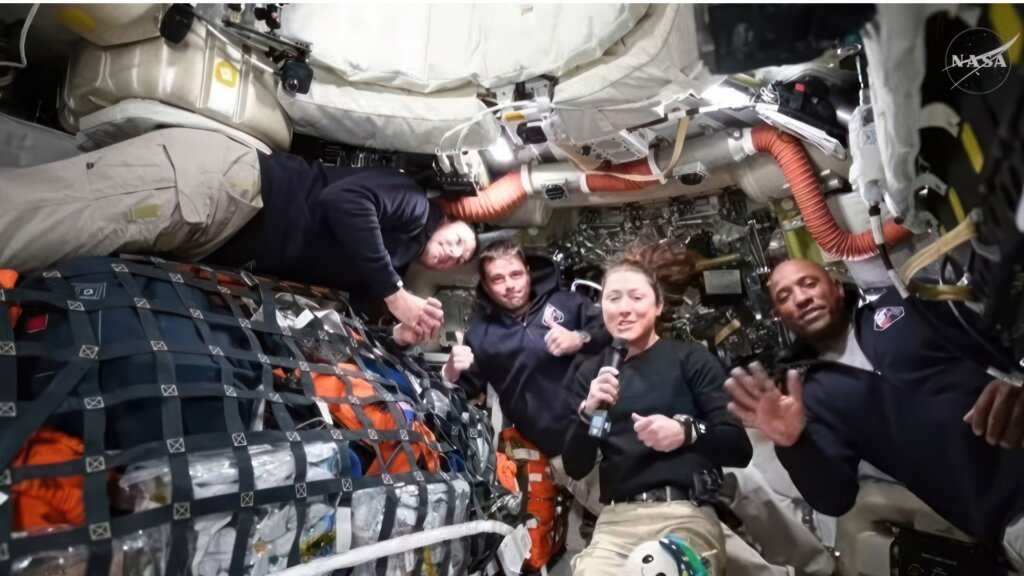
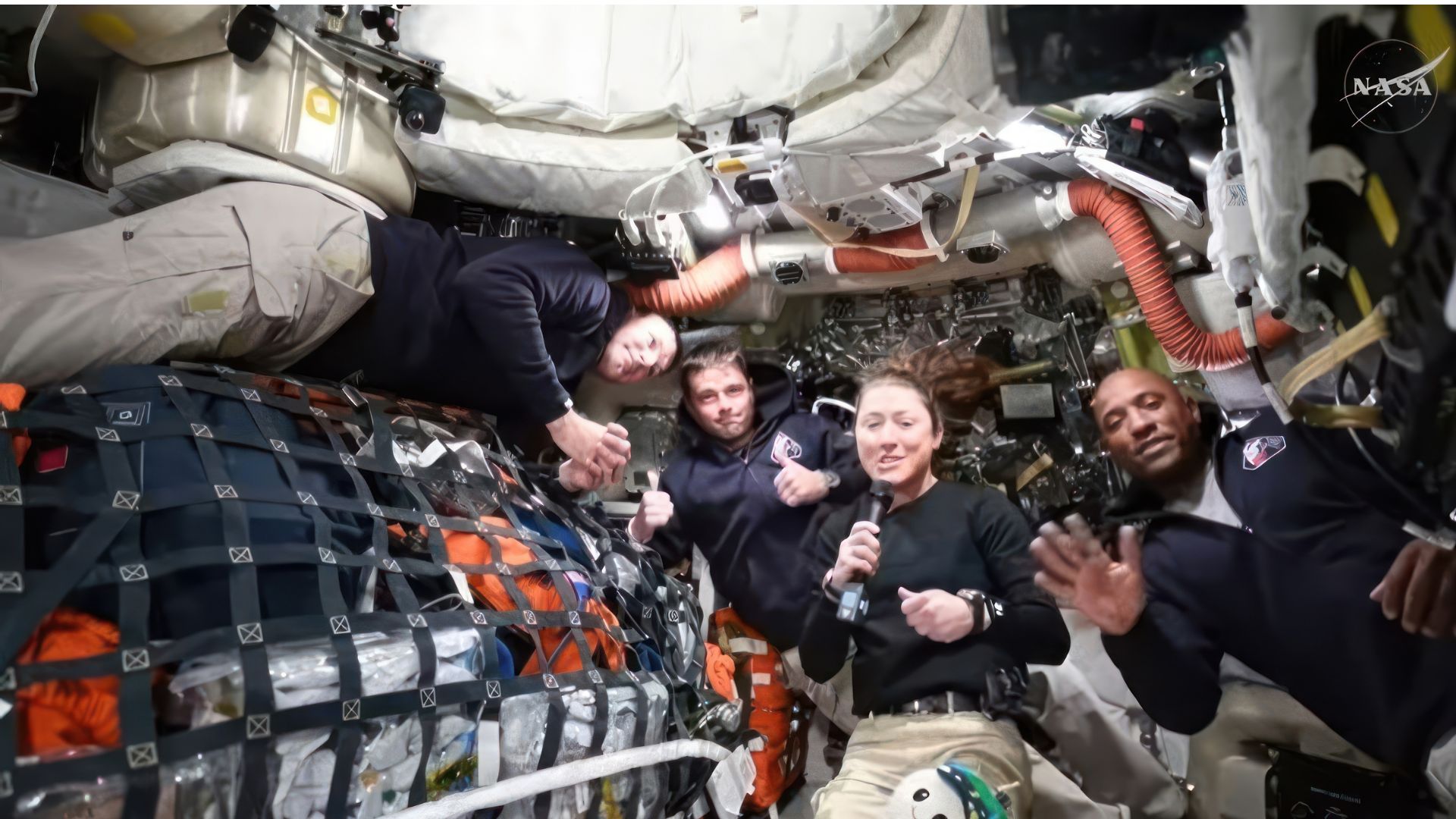
Humanity’s return to deep space has brought with it moments that are as scientific as they are deeply emotional. During their journey around the Moon, the Artemis II crew experienced sights that pushed the limits of perception and language, offering a rare glimpse into a place few have ever truly seen.
The Moment Communication Fell Silent
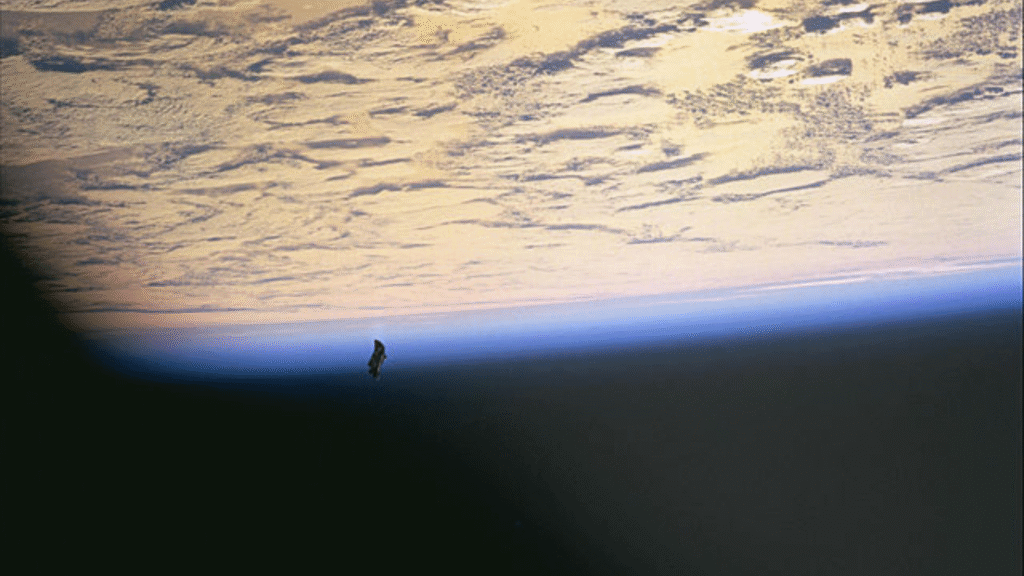
As the spacecraft moved behind the Moon, communication with mission control in Houston was lost for approximately 40 minutes, creating a period of total isolation. During this blackout, the crew became the first humans in decades to directly observe the Moon’s far side, a region permanently hidden from Earth. This temporary disconnection added intensity to the experience, reinforcing both the distance from home and the uniqueness of the moment.
A View Beyond Human Experience
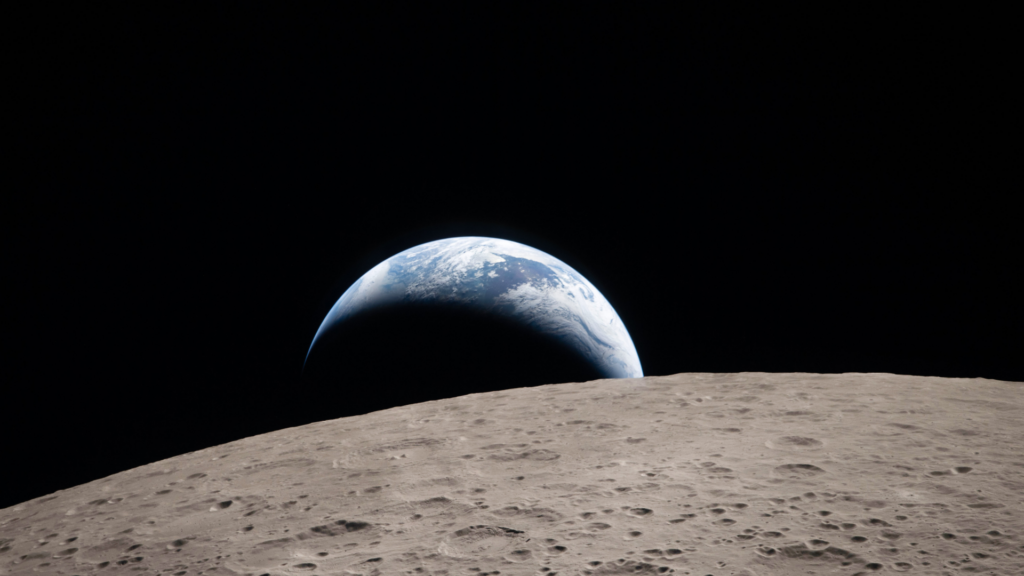
The astronauts described the scene before them as something almost impossible to process. Pilot Victor Glover explained that the scene felt unreal, as if it belonged to science fiction rather than reality. The combination of darkness, light, and scale created a visual contradiction that challenged the brain’s ability to interpret what it was seeing.
The Moon As A Dark Silhouette
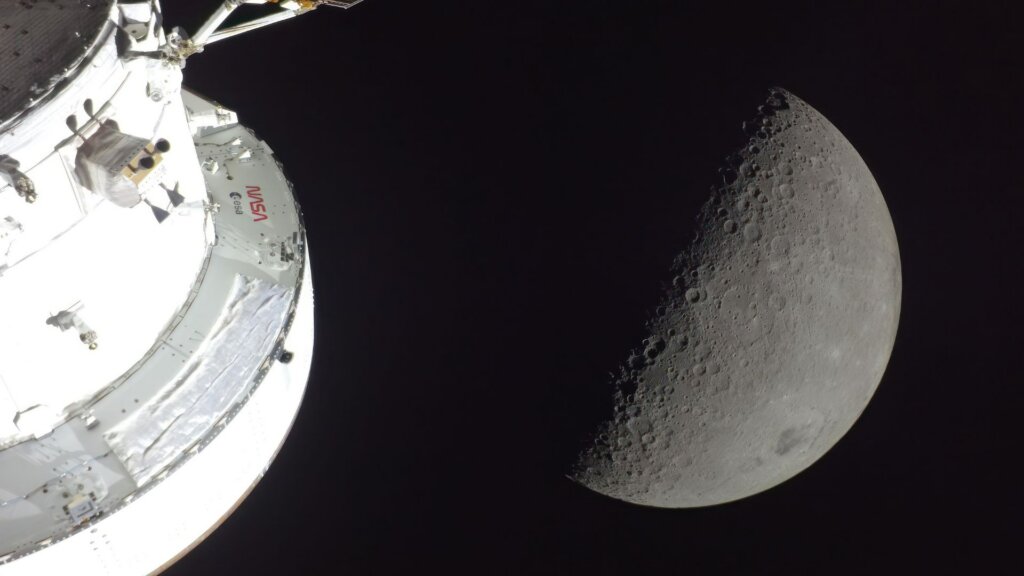
From their vantage point, the Moon appeared as a vast, shadowed sphere suspended in space. Its surface shifted between shades of gray and black, blending into the surrounding void. Behind it, distant stars and planets remained visible, creating a layered cosmic backdrop that emphasized the stark contrast between light and darkness.
Earth’s Radiance From Afar

While the Moon dominated the foreground, Earth shone intensely in the distance. The crew noted how bright and vivid the planet appeared against the darkness of space, offering a powerful reminder of home. This visual contrast between Earth’s glow and the Moon’s muted tones added emotional depth to the observation.
Witnessing A Solar Eclipse In Space
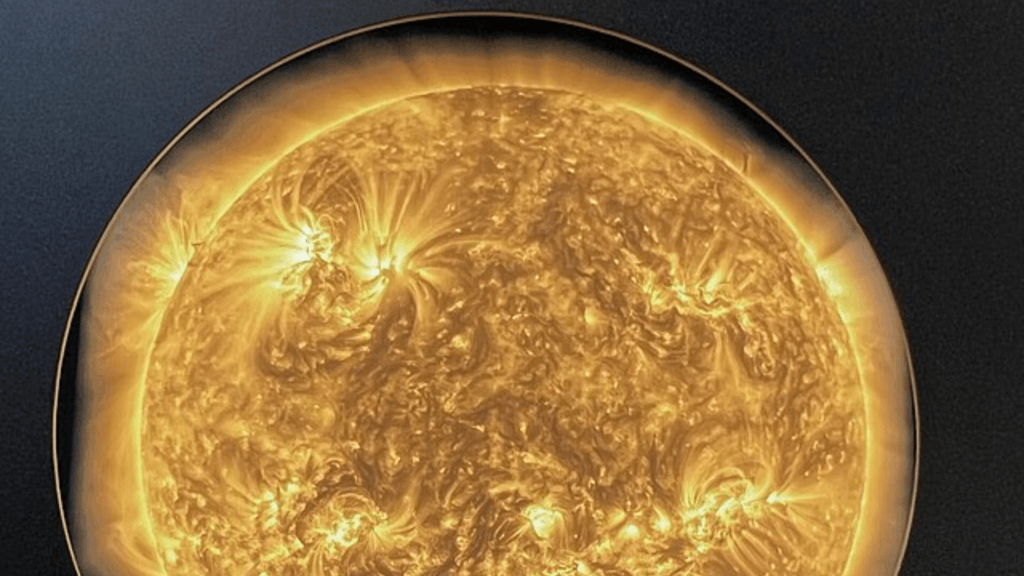
One of the most remarkable moments occurred when the spacecraft passed into a solar eclipse, with the Moon blocking the Sun’s light. This event plunged the crew into sudden darkness, transforming the environment dramatically. Unlike eclipses observed from Earth, this perspective offered a direct and immersive view of the alignment between celestial bodies.
Struggling To Find The Right Words
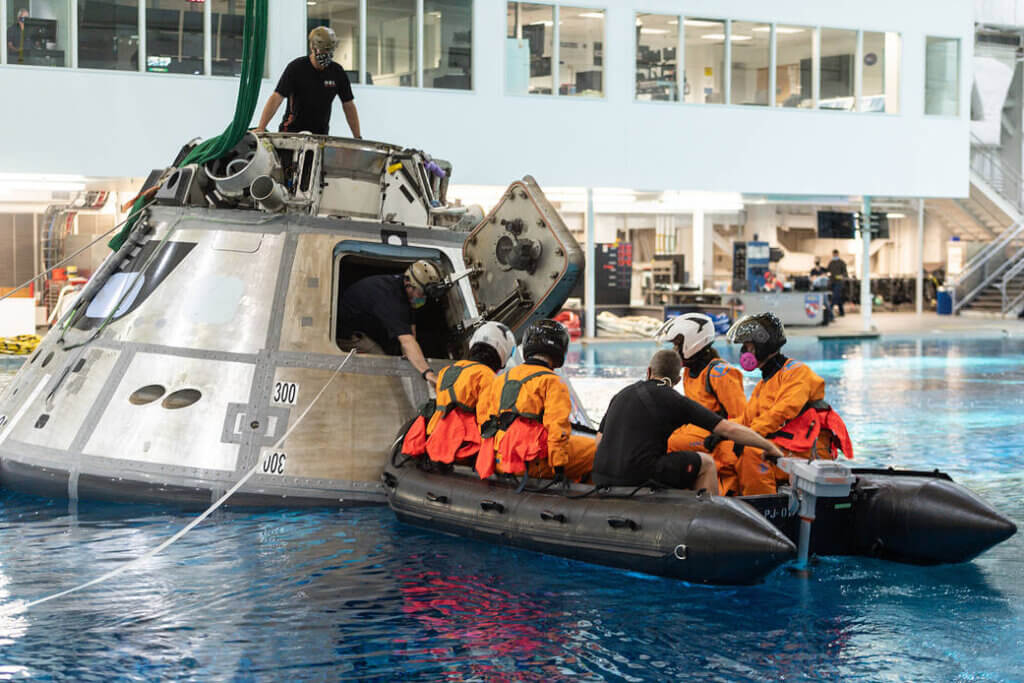
Commander Reid Wiseman admitted that no existing vocabulary could fully capture what they were seeing. The crew repeatedly emphasized how difficult it was to describe the scene, suggesting that the human mind is not fully equipped to interpret such unfamiliar perspectives. Their reactions reflected both awe and cognitive dissonance.
A Carefully Planned Observation
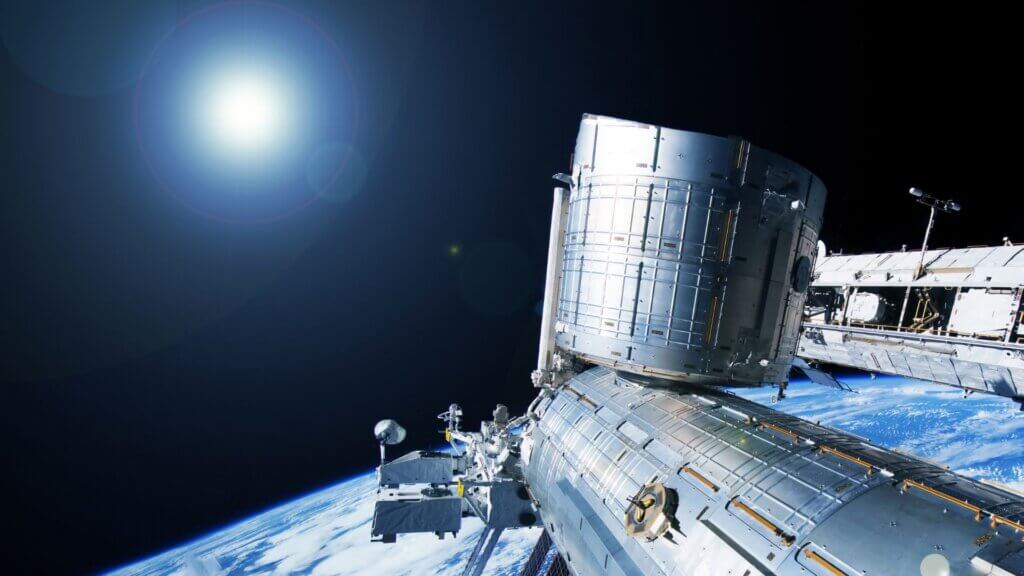
The mission included a structured observation period lasting around 35 minutes, during which the astronauts documented the eclipse. Divided into teams, one group focused on direct observation through the spacecraft windows, while the other supported the effort using onboard instruments and cameras.
Capturing Data And Images
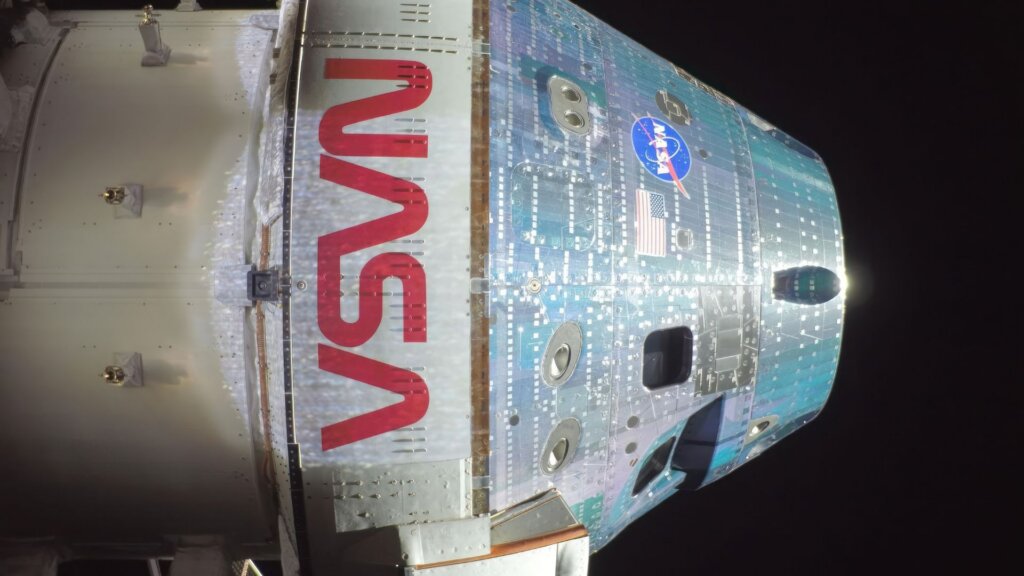
After completing their observations, the crew began transmitting collected data back to Earth. This included images and sensor readings gathered over several hours. The process ensured that the experience would not only be remembered but also studied, contributing valuable insights for future missions.
A Historic Conversation From Space
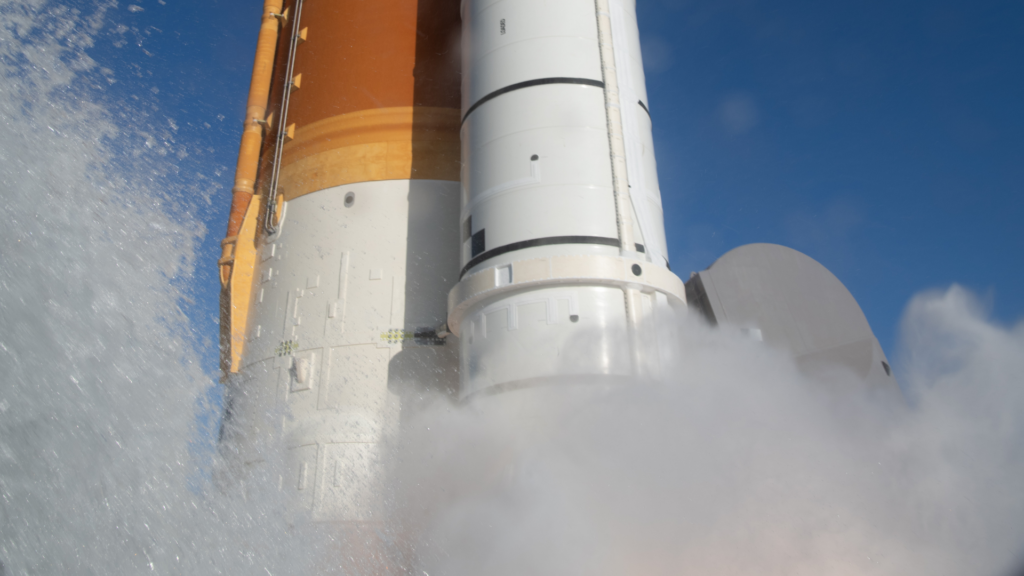
Following the observation phase, the astronauts communicated with U.S. leadership in a moment that underscored the mission’s symbolic importance. During the exchange, they reflected on the emotional weight of losing contact with Earth and the responsibility of documenting such a rare event while in deep space.
Returning Home After A Landmark Journey
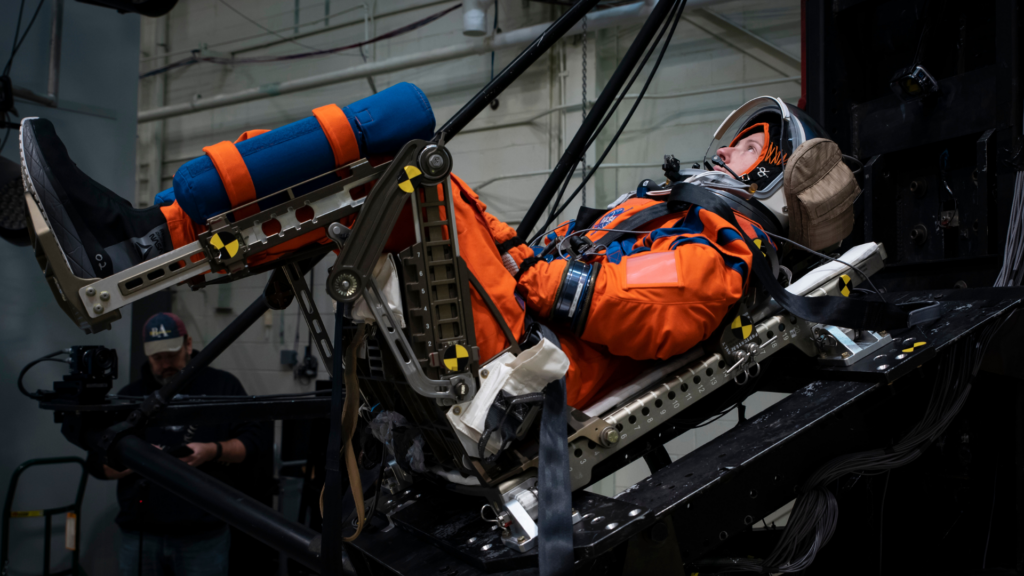
With their mission objectives complete, the crew began their journey back to Earth. Their voyage around the Moon marked a significant milestone in modern space exploration, blending scientific achievement with profoundly human experiences. What they witnessed will not only inform future exploration but also reshape how we imagine our place in the universe.