

Products are selected by our editors, we may earn commission from links on this page.
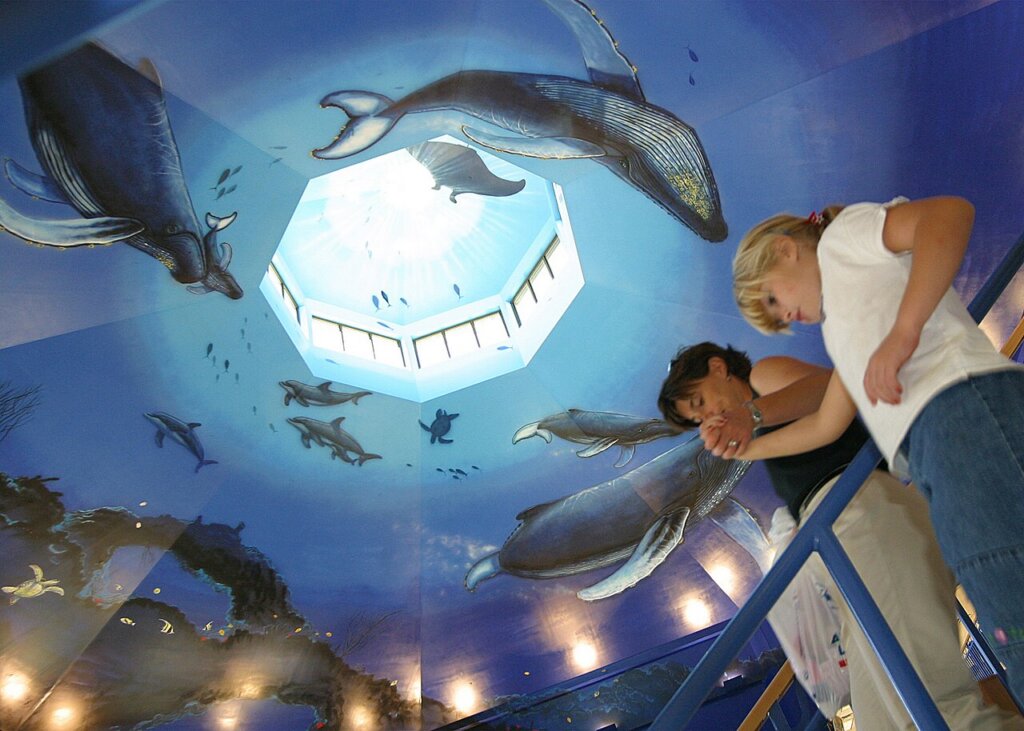
For nearly three decades, a massive mural of whales and dolphins swimming through deep blue water stood as one of downtown Dallas’ most recognizable works of public art. Known as “Whaling Wall 82” or “Ocean Life,” the mural was created by renowned environmental artist Robert Wyland in 1999 and stretched across roughly 17,000 square feet on two sides of a building at 505 North Akard Street.
That landmark status helped fuel a public backlash when workers began painting over the mural in May to make way for new artwork tied to the 2026 FIFA World Cup. Residents, artists, preservation advocates, and students quickly questioned why a piece that had become part of Dallas’ visual identity was being removed for an event that will last only a matter of weeks.
The controversy has since evolved from a local dispute into a national conversation about public art, cultural preservation, and who gets to decide the fate of works that have become woven into a city’s identity. What began as the repainting of a wall has now resulted in a federal lawsuit and growing scrutiny of the organizations involved.
Wyland Says His Rights Were Violated

On June 2, Wyland filed a lawsuit in federal court seeking at least $25 million in damages from FIFA, Slate Asset Management, and other parties connected to the project. The artist argues that his Dallas mural was painted over without his knowledge, consent, or proper notification.
At the center of the lawsuit is the Visual Artists Rights Act of 1990, commonly known as VARA. The federal law provides protections for works of recognized stature and gives artists certain rights regarding the alteration or destruction of their creations. Wyland contends that “Ocean Life” qualifies for those protections and that painting over the mural violated federal law.
The artist has strongly rejected claims that he was notified before work began. In interviews, Wyland has said neither he nor the Wyland Foundation approved the mural’s removal. He argues that the issue extends beyond a single artwork, warning that allowing prominent public pieces to be erased without an artist’s consent could set a troubling precedent for public art across the country.
FIFA Preparations Meet Community Resistance
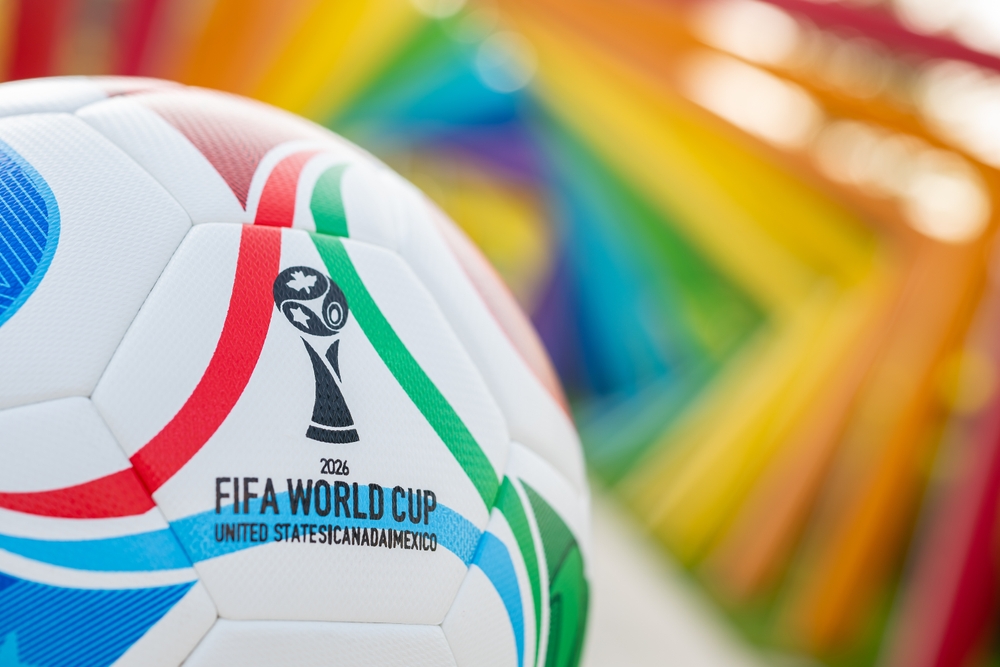
The mural’s removal comes as Dallas prepares to host nine matches during the 2026 FIFA World Cup, more than any other host city in the tournament. Local organizers have said new artwork is planned for the site that will reflect the energy, unity, and global spirit of the World Cup while preserving a portion of Wyland’s mural as a tribute to its legacy.
Not everyone has accepted that explanation. Students from Booker T. Washington High School launched a grassroots petition opposing the mural’s destruction and calling for stronger protections for public art. The campaign quickly attracted hundreds of signatures and drew support from residents who viewed the mural as an important part of the city’s cultural landscape.
The controversy has also highlighted differing views about the role of public spaces during major international events. Supporters of the new installation see the World Cup as a once-in-a-generation opportunity to showcase Dallas on a global stage. Critics counter that cities should not erase long-standing cultural landmarks in pursuit of temporary promotional projects.
A Larger Debate Over Art, Commerce, and Identity
The dispute has resonated far beyond Dallas because it touches on broader questions about ownership, stewardship, and the value of public art. Although the building itself is privately owned, many residents argue that the mural had long since become part of the public experience of downtown Dallas.
Wyland’s work is particularly significant because it belongs to his internationally recognized “Whaling Wall” series, a collection of more than 100 large-scale murals created to promote ocean conservation. The Dallas installation was one of the most prominent examples, making its removal especially noticeable to residents and visitors alike.
As the lawsuit moves forward, the legal outcome could have implications beyond a single mural. Courts may ultimately weigh how federal protections for artists apply when long-standing public artworks intersect with redevelopment plans, corporate partnerships, and major global events. In the meantime, the disappearance of Dallas’ famous whales has become a flashpoint in a larger debate about how cities balance economic opportunity with cultural preservation—and whether iconic public art can ever truly be considered temporary.