

Products are selected by our editors, we may earn commission from links on this page.

A thick blanket of smoke from Canada’s massive wildfire season has spread across large parts of the northern United States, turning city skylines hazy and pushing air quality into hazardous levels. The recurring cross-border smoke has reignited political debate as American officials call for stronger action to reduce the impact of increasingly severe wildfire seasons that have affected both countries in recent years.
Hazardous Air Conditions Disrupted Daily Life

The smoke affected communities from Michigan and Wisconsin to Illinois, New York, and parts of the Northeast. In Michigan, Air Quality Index readings exceeded 500 in some locations, prompting businesses in Detroit to close temporarily while Wayne County distributed approximately 70,000 face masks to older residents. Officials also warned that deteriorating air quality could continue spreading farther south as weather patterns shifted.
Michigan Lawmakers Demand Stronger Canadian Action

Four Republican members of Congress from Michigan, Representatives Jack Bergman, John James, Lisa McClain, and John Moolenaar, sent a joint letter to the Canadian government arguing that previous promises to address wildfire management had not produced sufficient results. They pointed to repeated years of smoke affecting American communities and urged Canada to expand forest thinning, fuel reduction, prescribed burns, and other wildfire prevention measures.
Lawmakers Suggested The U.S. Could Take A Larger Role
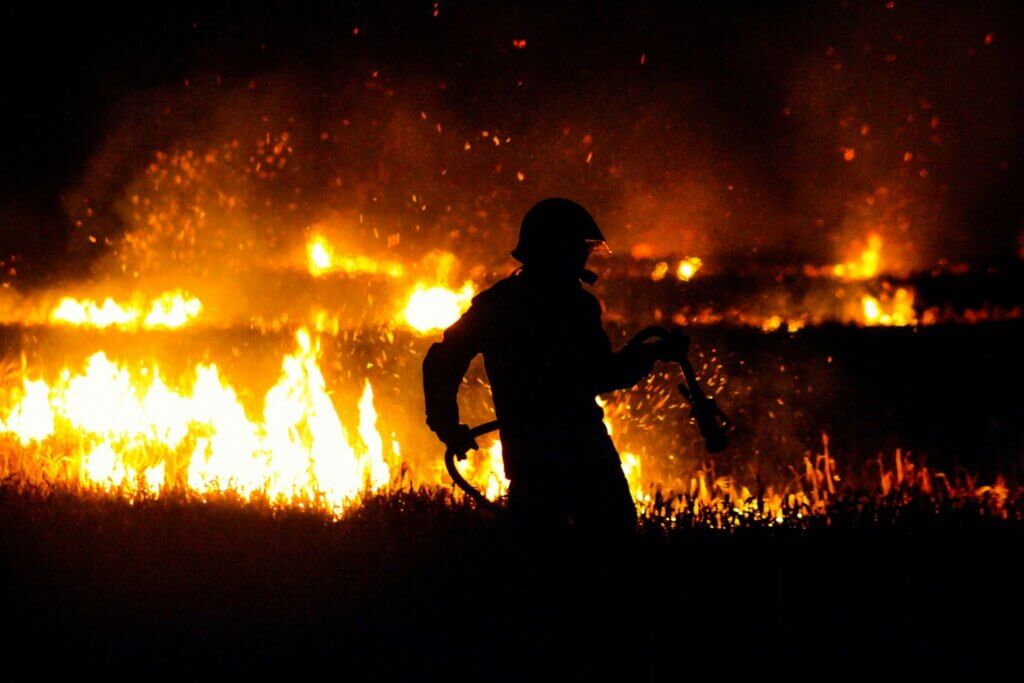
The lawmakers said they were “done accepting apologies in place of action” and proposed that the United States consider greater involvement if conditions persist. Their letter suggested exploring direct participation in cross-border fuel reduction projects and expanded firefighting cooperation, arguing that hazardous smoke has become a recurring public health concern for neighboring states.
Canada Emphasized Cooperation Instead Of Blame

Canadian leaders responded by stressing that wildfires are a shared challenge rather than a national one. U.S. Ambassador to Canada Pete Hoekstra highlighted ongoing cooperation between the two countries, while Ontario Premier Doug Ford (in photo) argued that the United States should provide additional firefighting support instead of criticism. Prime Minister Mark Carney also emphasized that climate change is a shared responsibility, saying no single country can solve the problem alone.
Experts Say The Situation Is More Complex Than Forest Management Alone
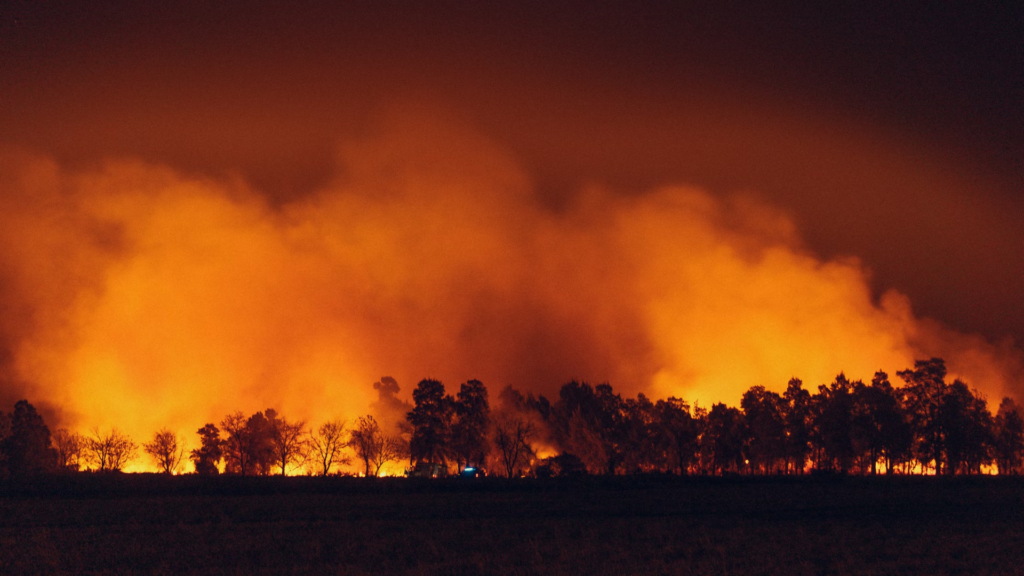
Wildfire specialists caution that while forest management can reduce fire risks near communities, it cannot eliminate massive fires burning across Canada’s vast remote wilderness. Scientists interviewed by the BBC noted that prolonged heat, below-average rainfall, lightning strikes, and climate change have all contributed to the rapid spread of fires. They also pointed out that smoke follows atmospheric winds regardless of national borders, just as smoke from major U.S. wildfires has reached Canada in previous years.
Hundreds Of Fires Continue Burning Across Canada
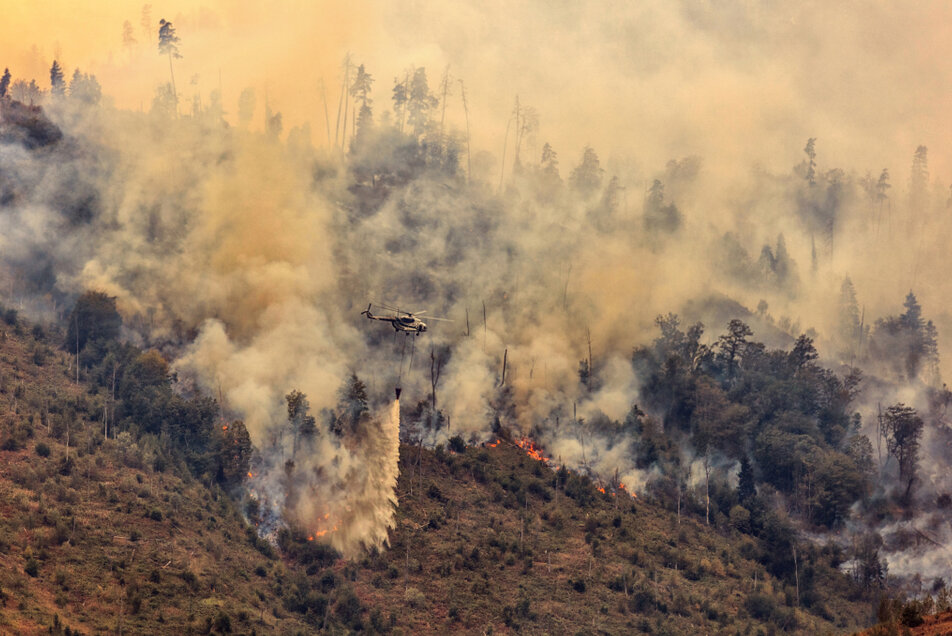
The scale of the wildfire season remains enormous. More than 850 active fires were burning across Canada when Michigan lawmakers issued their letter, while later reports placed the number closer to 955 active fires, many of them out of control. Nearly 3 million hectares of land had already burned, with Ontario among the hardest-hit provinces contributing significant smoke moving into the United States.
Political Tensions Are Expanding Beyond Air Quality

The wildfire smoke has also become part of broader U.S.-Canada political disputes. President Donald Trump criticized Canada’s wildfire management and threatened additional tariffs, while Representative John James proposed legislation that would impose a 25% tariff on Canada to fund cleanup efforts and compensate affected Americans. Foreign policy experts, however, warned that escalating trade disputes could strain one of North America’s most important economic relationships.
The Smoke Is Affecting More Than Public Health
Beyond health concerns, the smoke has disrupted transportation, outdoor events, businesses, tourism, and recreational activities across multiple states. Visibility dropped significantly in cities including Detroit, Chicago, New York, and Washington, D.C., while poor air quality forced cancellations of outdoor programs and raised concerns for major public events. Meanwhile, several Indigenous communities in northern Ontario faced evacuations as fast-moving fires destroyed homes and threatened entire communities.
Future Wildfire Seasons Will Test Cross-Border Cooperation

The latest smoke event illustrates how climate, emergency response, public health, and international relations are becoming increasingly interconnected. While U.S. lawmakers are pressing Canada for stronger wildfire prevention efforts, Canadian officials continue to emphasize joint firefighting agreements and long-standing cross-border cooperation. As wildfire seasons grow longer and more intense, both governments are likely to face continued pressure to strengthen prevention strategies while coordinating responses to protect communities on both sides of the border.